@scianalysis That makes sense, I was thinking more about the broader market context outside of the CA LCFS. The full HEFA market picture is not clear yet, but likely will be lucrative by the time RD caps were implemented.
@scianalysis With the growth in SAF markets, caps on RD will likely just shift the RD volumes to HEFA. The only real constraint of RD/HEFA growth seems to be feedstock availability.
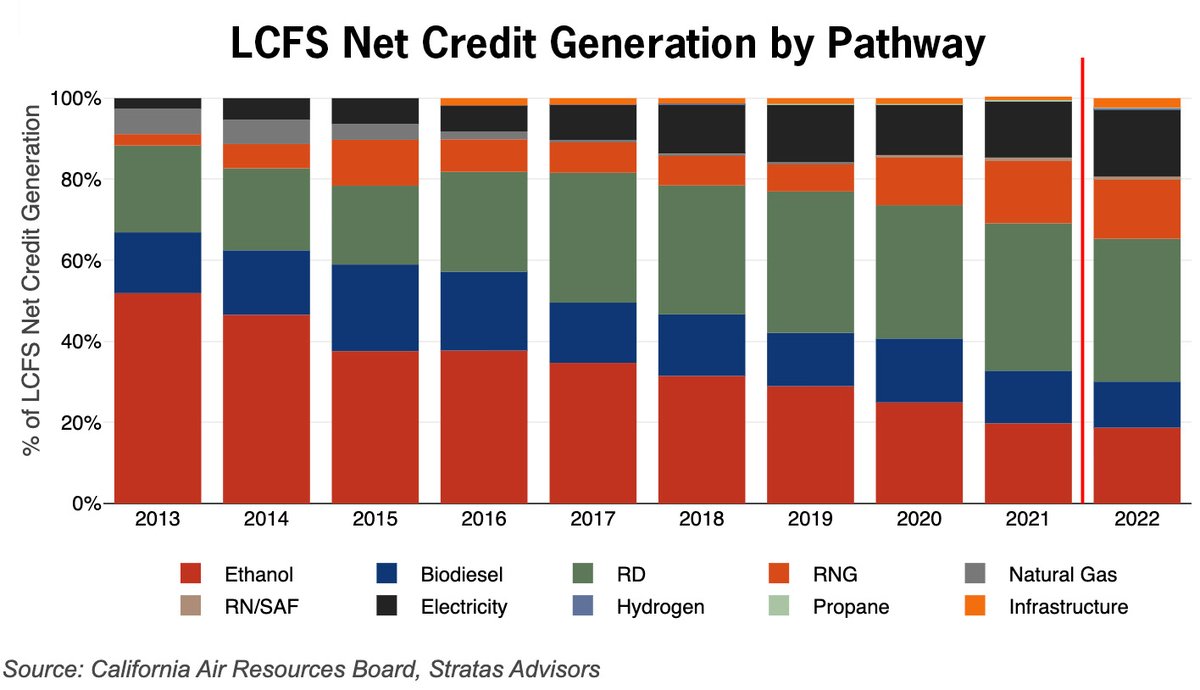
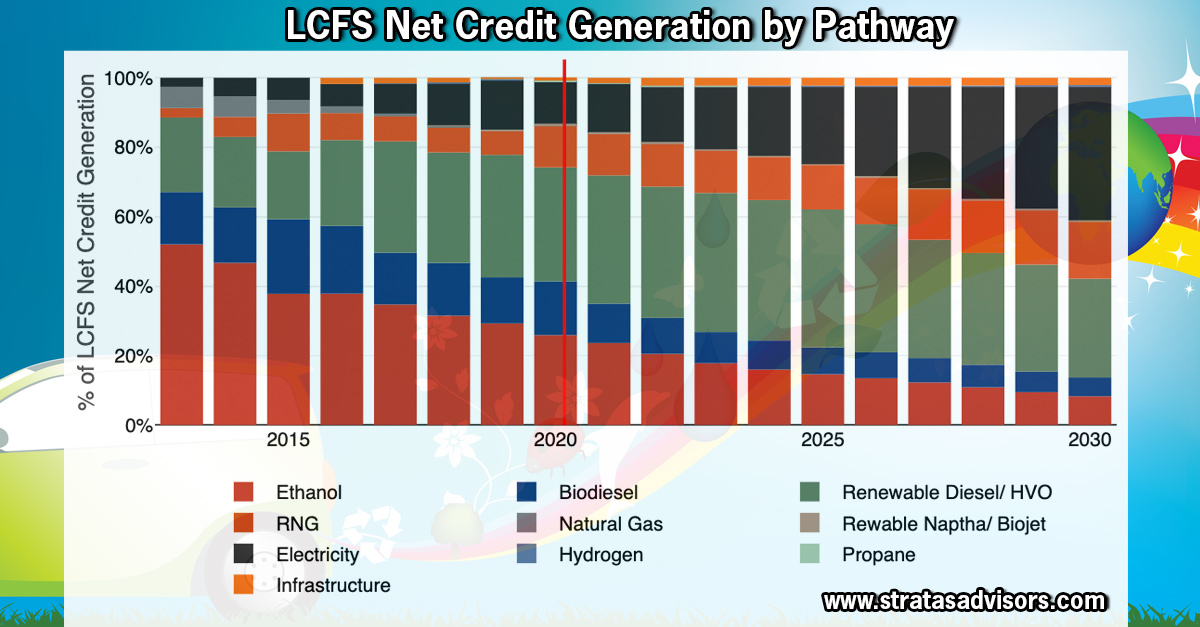
@scianalysis I believe the volume/relative ease of shipment of RD allows it to set the marginal price, because RNG and Electricity can generate credits more "cheaply", but RD was easier to scale.
@BrooklynMillers@RinnyTheGopher Usually it’s ~2 years to come into effect and then the first compliance years are easy to meet with typical blending of E10 etc. so about ~4/5 year runway before a substantial credit price, need for renewable diesel etc.
@Whispering_Bean@StratasAdvisors Mainly food processors and animal feed producers. Any policy fueling the demand for these feedstocks could be examined.
@argonbeam88 @StratasAdvisors We've seen many RD/HEFA producers setup agreements with and/or acquire feedstock producers to 'lock-in' their access to feedstocks. Otherwise, it will likely be traders and the market price prevailing absent any significant changes in policies.
While supportive of biofuels on the campaign trail, the Biden Administration has repeatedly sided with refiners and unions over the biofuel industry since taking office... a more consequential announcement on RFS RVOs will come soon to see if support has shifted.
#Biden announced plans to expand #E15 use last month amid political pressure from rising #fuelprices, but this move is expected to have little effect on prices in the grand scheme of the US fuel market. https://t.co/cRFV6EQ08T #Ethanol#Transportation#Gasoline#OilandGas
NY’s legislative session ended on 11 June without passing the CFS, a low-carbon fuel program that may provide an outlet for renewable diesel supply, but would increase the fierce competition for securing increasingly scarce feedstock supplies.
https://t.co/Z4ciu510Y6
@StratasAdvisors Today's weak refining assets are tomorrow's biofuel plants.
It will be interesting to watch how many of these refineries are converted to renewable diesel and sustainable aviation fuel production facilities as biofuel regulations grow.
US Biofuel Volumes Could Increase Substantially under Biden Administration & Aggressive Decarbonization Push | Stratas Advisors https://t.co/wdzbhxrIpX
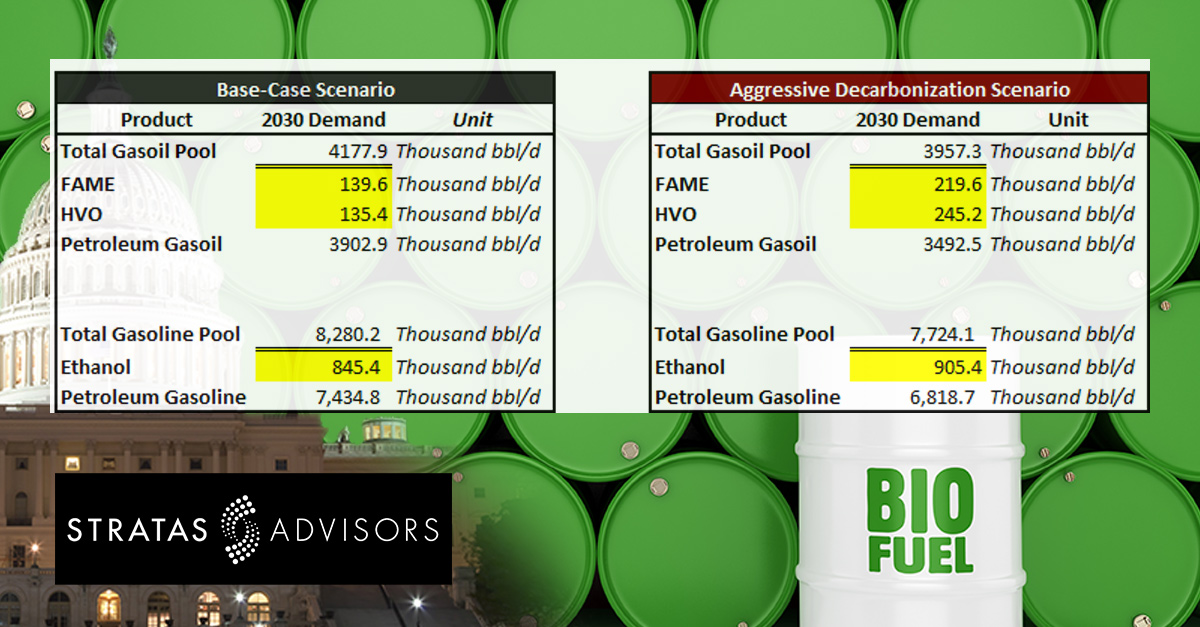
Under a Biden administration and aggressive decarbonization policies, US biofuel demand could reach around 1,370 thousand bbl/d in 2030.
Read my full insight for free: https://t.co/Z8CRzISf8g
#Petrobras used 2 million liters of soybean oil to produce 40 million liters of #diesel with #renewable content (likely ~5% by volume) at its Repar #refinery in Parana state. https://t.co/5lesJhP6Dr