A social organisation that aims at improving the standards of living of autistic children by raising awareness, advocacy & providing education services. #Ubuntu
More #PictureBookFriday
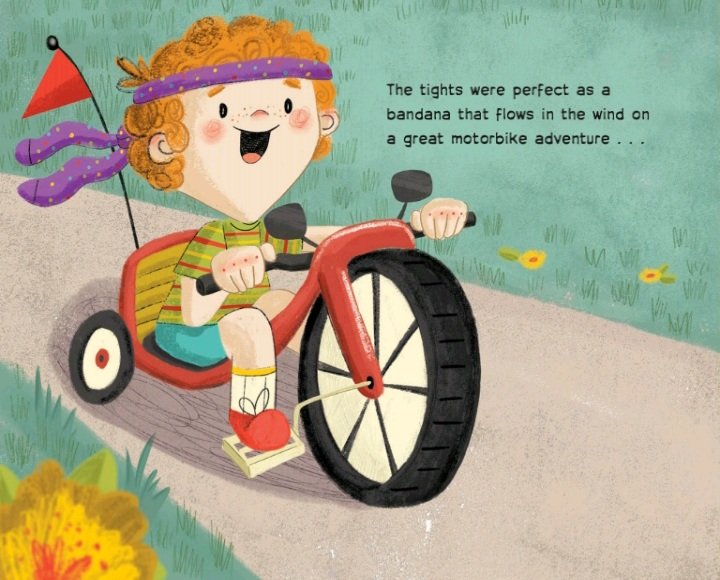
This is brilliant! A story to champion imaginative play & defy gender stereotyping in young children.
Patrick's play is wild & free... apart from the times when his sister wants her tights back.
Lively pics & a tenderly-told story.
Out 2 Sep
#NetGalley
Treatment, Intervention Services for ASD
Currently, no treatment has been shown to cure ASD, but several interventions have been developed and studied for use with young children. These interventions may reduce symptoms, improve cognitive ability and daily living skills...
The best treatment or intervention can vary depending on an individual’s age, strengths, challenges, and differences. It is also important to remember that children with ASD can get sick or injured just like children without ASD.
..when the child would naturally be gaining these skills—and reduction of restricted interests and repetitive and challenging behaviors. For some children, occupational and speech therapy may be helpful, as could social skills training and medication in older children...
..and maximize the ability of the child to function and participate in the community. The differences in how ASD affects each person means that people with ASD have unique strengths and challenges in social communication, behavior, and cognitive ability.
Therefore, treatment plans are usually multidisciplinary, may involve parent-mediated interventions, and target the child’s individual needs. Behavioral intervention strategies have focused on social communication skill development—particularly at young ages...
Parents and healthcare professionals must closely monitor a child’s progress and reactions while he or she is taking a medication to be sure that any negative side effects of the treatment do not outweigh the benefits.
behavioral reactivity, self-injury, or seizures. Medications might not affect all children in the same way. It is important to work with a healthcare professional who has experience in treating children with ASD.
Medication
There are no medications that can cure ASD or treat the core symptoms. However, there are medications that can help some people with ASD function better. For example, medication might help manage high energy levels, inability to focus, anxiety and depression,...
Dietary treatments are based on the idea that food allergies or lack of vitamins and minerals cause symptoms of ASD. Some parents feel that dietary changes make a difference in how their child acts or feels.
Dietary Approaches
Some dietary treatments have been developed to address ASD symptoms. However, a 2017 systematic review of 19 randomized control trials found little evidence to support the use of dietary treatments for children with ASD.
Speech Therapy
Speech therapy helps to improve the person’s communication skills. Some people are able to learn verbal communication skills. For others, using gestures or picture boards is more realistic.
or it could be a sign the child is having headaches or earaches. In those cases, a thorough physical examination is needed. Monitoring healthy development means not only paying attention to symptoms related to ASD, but also to the child’s physical and mental health.
Regular medical and dental exams should be part of a child’s treatment plan. Often it is hard to tell if a child’s behavior is related to the ASD or is caused by a separate health condition. For instance, head banging could be a symptom of ASD...
Types of Treatments
There are many types of treatments available. These include applied behavior analysis, social skills training, occupational therapy, physical therapy, sensory integration therapy, and the use of assistive technology.
The types of treatments generally can be broken down into the following categories:
- Behavior and Communication Approaches
- Dietary Approaches
- Medication
- Complementary and Alternative Medicine
Occupational Therapy
Occupational therapy teaches skills that help the person live as independently as possible. Skills may include dressing, eating, bathing, and relating to people.
Social Skills Training
Social skills training teaches children the skills they need to interact with others, including conversation and problem-solving skills.
Complementary and Alternative Medicine Treatments
To relieve the symptoms of ASD, some parents and healthcare professionals use treatments that are outside of what is typically recommended by pediatricians.