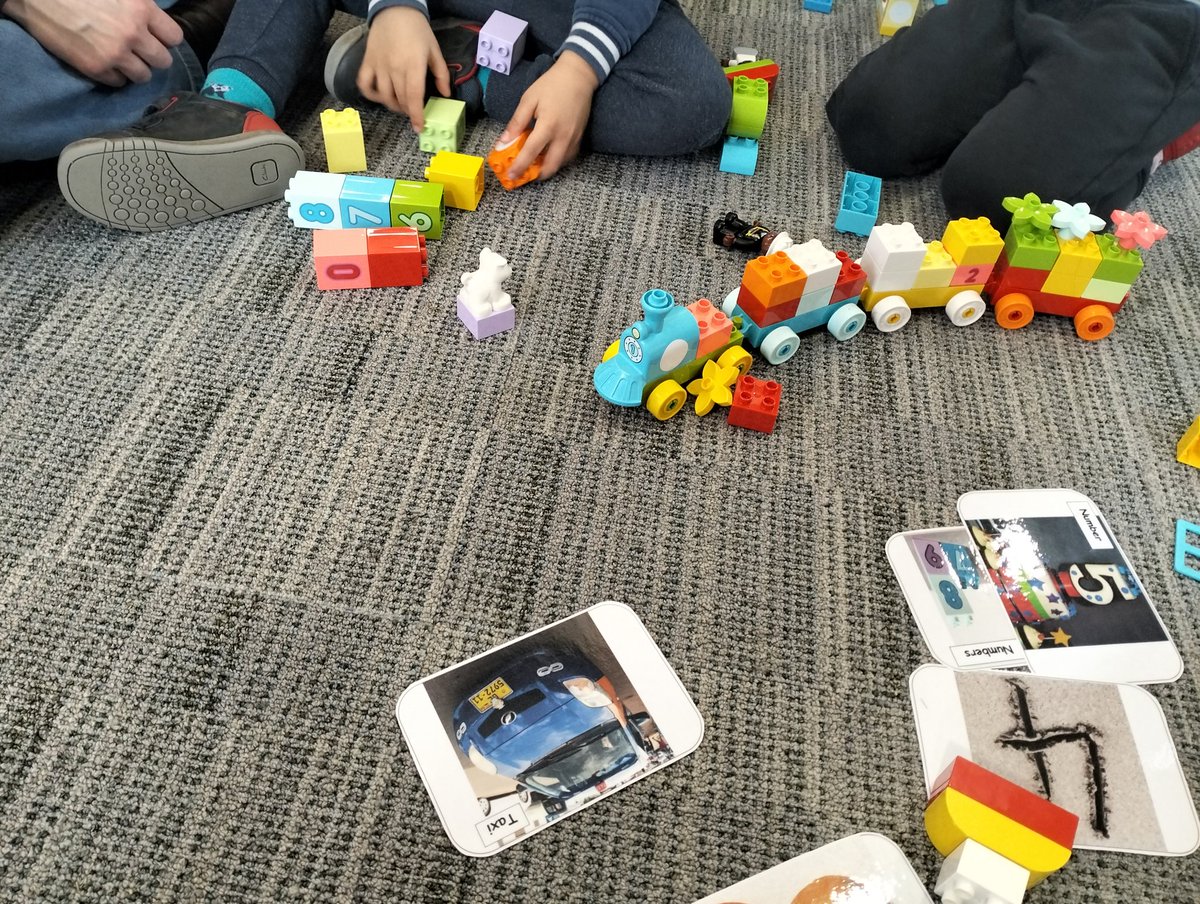
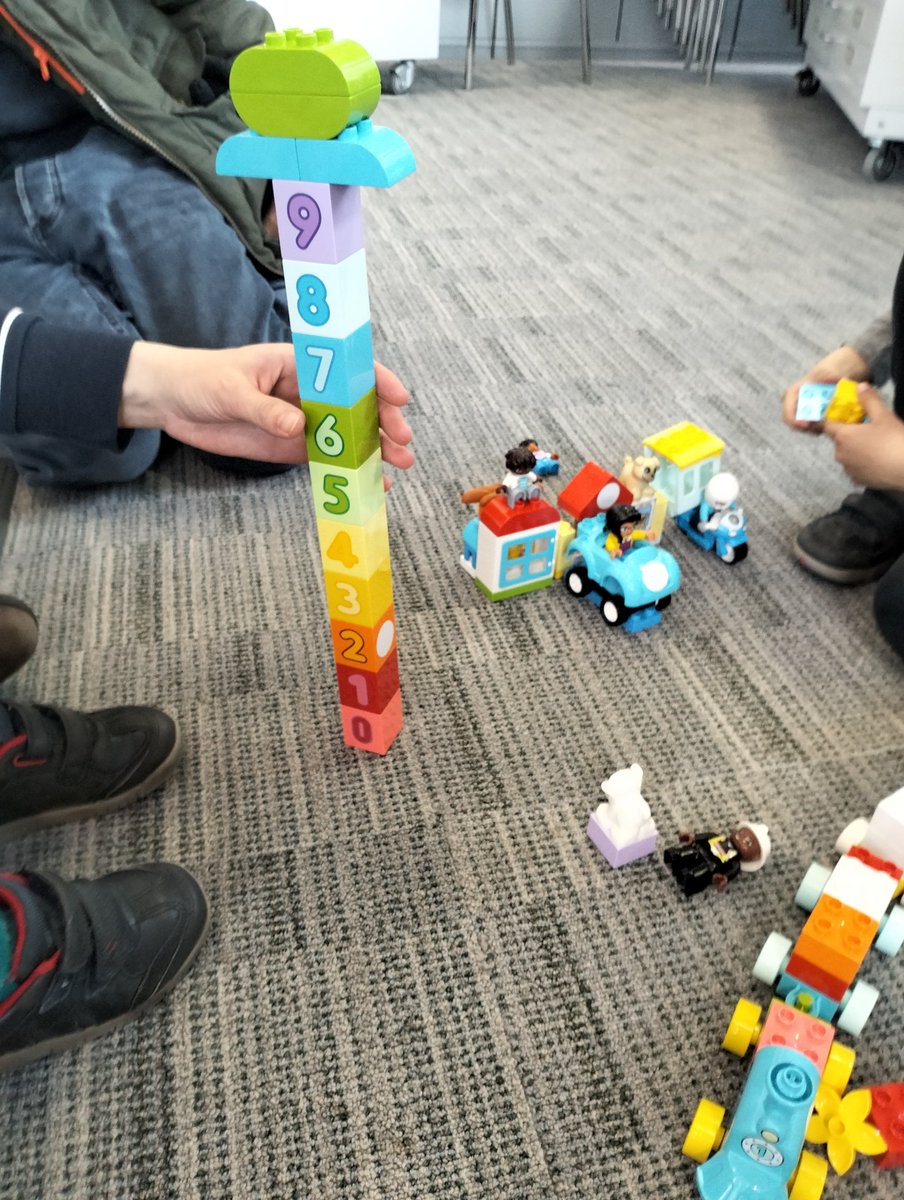
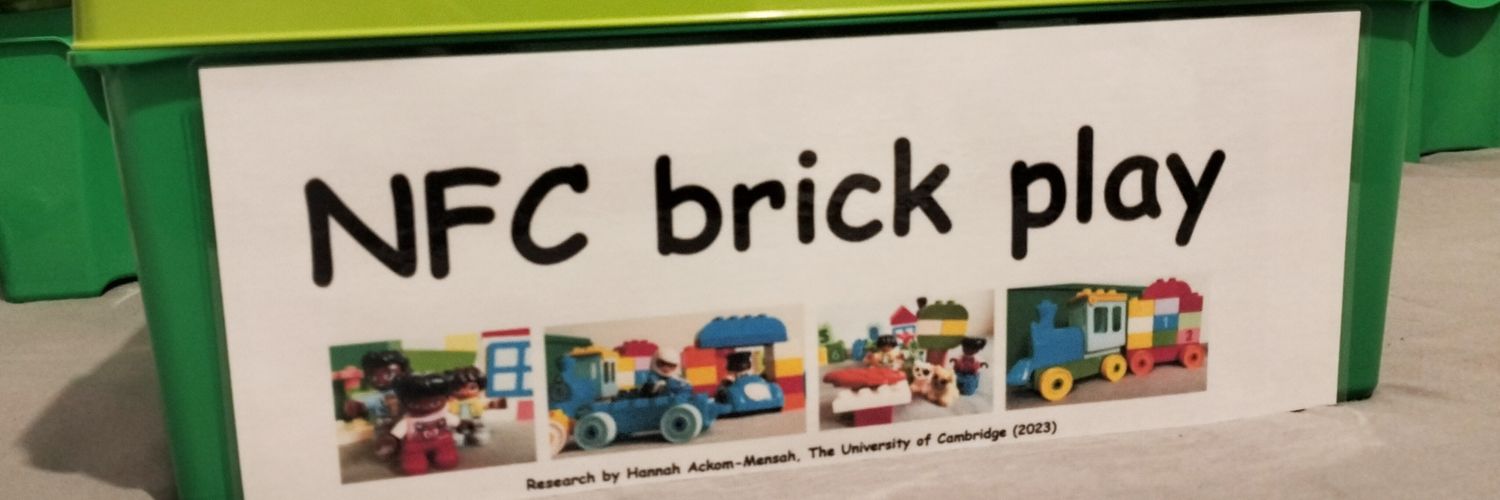
Research with autistic 3-5 year olds of West African descent, using NFC Brick Play to impact on communication and language development.
@UnderservedC
@AutismDt
Do have a read
A Mixed Methods Study: Culturally Responsive Tangible Near Field Communication Brick Play for Facilitating Communication and Language Development in Autistic Young Children of West African Descent
Link below 👇🏾 👇🏾 👇🏾
https://t.co/K4Zu6lkCtg
The LEGO Smart Brick has a chip smaller than a LEGO stud.
The Brick has a tiny Speaker.
There are also going to be Smart Minifigures.
As well as Smart Tags, so it’s a three component system.
There is an interactivity between the three elements.
LEGO is launching the most ambitious brick it’s ever made: a tiny computer that fits entirely inside a classic 2x4 LEGO brick. It will make entire LEGO sets come to life — with humming lightsabers, roaring engines, light-up blasters, and more https://t.co/b6GyAJPSrF
https://t.co/2NL445qilZ
This way of using AI supports the development of real intelligence—intelligence that is nuanced and humble because forged by the resistance of real problems and the need to collaborate with real other people.
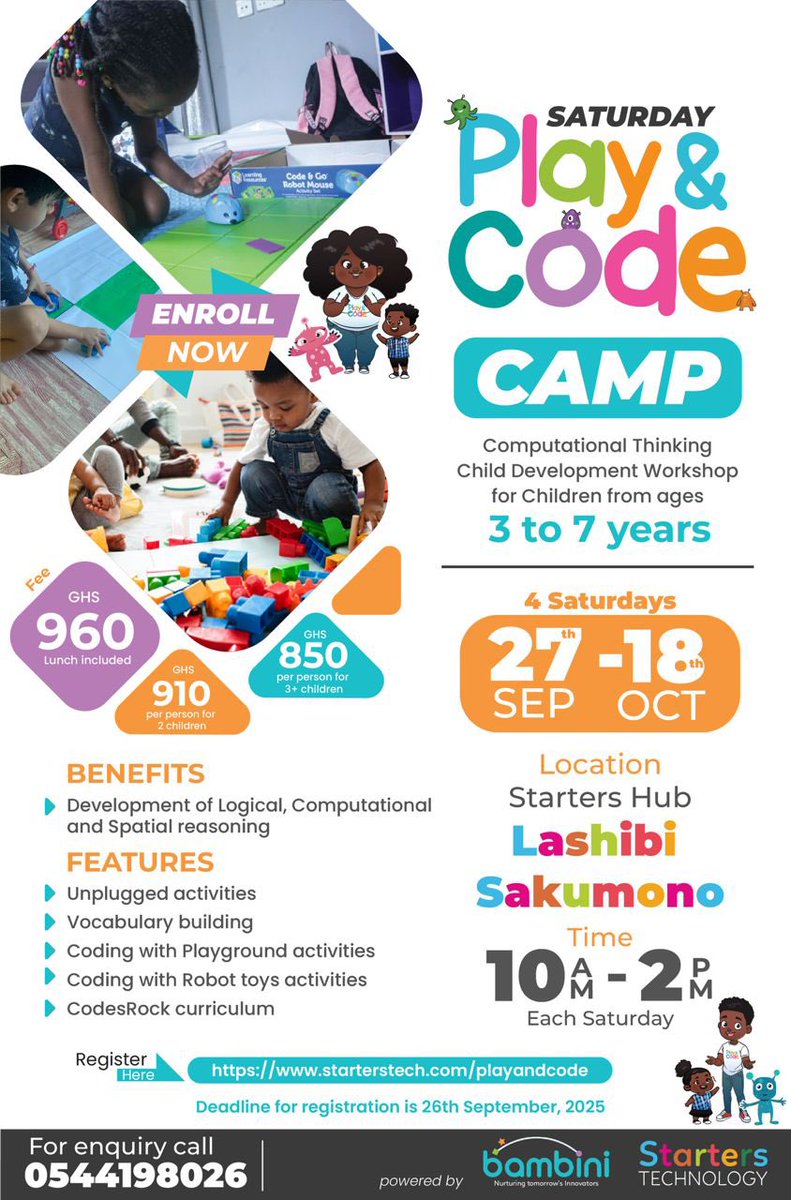
Hello parents,
Our Saturday Play and Code Workshop is back and happening from the 27th of September. Get your little ones, 3 to 7 years involved.
Click link to find out more and to register
👇🏾
https://t.co/8BIBYncHFX
Rupert Wegerif's article "Teaching Dialogic Intelligence with AI" presents a timely analysis of AI's role in education, noting that current research is evenly split between studies warning of AI's potential to enable shallow learning through copy-paste behaviors and those showing its benefits when used dialogically.
Wegerif proposes a two-loop educational strategy for teaching dialogic intelligence, where the first loop focuses on reframing how students use AI (moving from simple answer-seeking to deeper questioning), and the second loop inducts students into larger cultural dialogues. He draws on Bakhtin's concept of the "super-addressee" to explain how disciplines maintain standards through ongoing dialogue.
Wegerif concludes by outlining specific practices for implementing this approach, contrasting unhelpful AI uses (like uncritical copy-pasting) with beneficial ones (such as exploring multiple perspectives and challenging assumptions). Wegerif argues that AI's perceived limitation - its lack of true empathy - actually makes it an ideal "outside voice" for educational dialogue.
https://t.co/PZmOxzgk1t
"Real education is education for understanding—which means expanding consciousness and transforming identity. It draws what is initially external into an internal, shared space of meaning—a dialogic space where we think and act together with greater insight and wisdom."
https://t.co/kVB1KfLp8j