American Airlines and the TSA are expanding Touchless ID to all hub airports, a major step in modernizing the travel experience. By using identity verification technology, TSA PreCheck passengers can navigate checkpoints without physical documents.
While this innovation improves efficiency, the challenge for airport operators is ensuring these systems remain secure and accessible as we transition toward a more biometric-driven security infrastructure.
https://t.co/5imfUetcDE
#AviationSecurity #TSA #Biometrics #TravelInnovation #AirportOps
Denver International Airport's plan to create underground walkways to the concourses is an excellent infrastructure strategy. For a hub of this scale, adding a pedestrian option alongside the automated train system introduces valuable operational redundancy.
Building physical alternatives into terminal-to-gate logistics provides great long-term resiliency, ensuring smooth passenger flow and helping future-proof the facility as gate capacity grows.
@msudenver
https://t.co/fO0gMRSoEn
#AirportOps #Infrastructure #DIA #AviationManagement
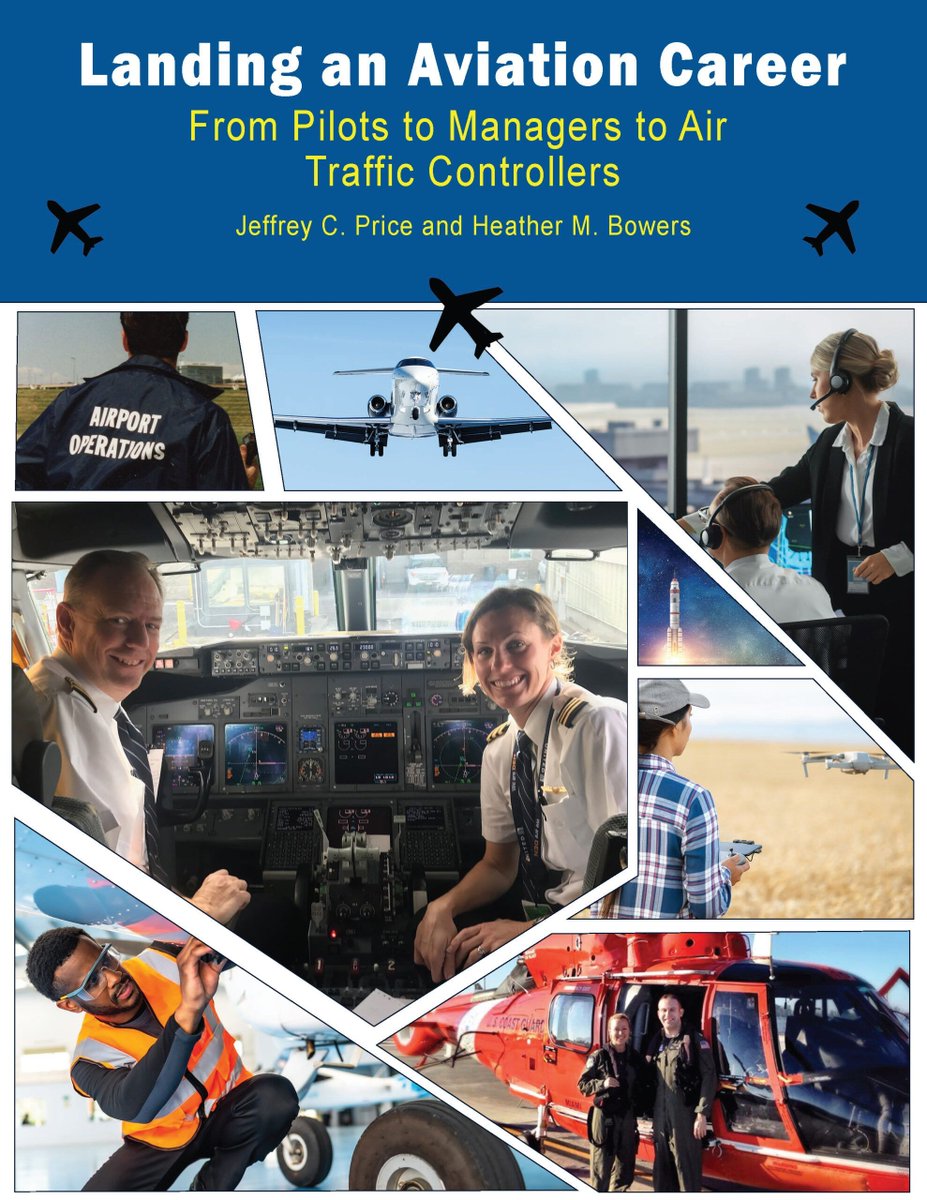
Professors, as you prepare your students for the industry, technical training is only part of the equation. I wrote Landing an Aviation Career to provide the strategic roadmap students need to navigate the jump from the classroom to a professional role. It covers the soft skills and career planning often missing from standard curricula. A great addition to any senior capstone or intro course.
https://t.co/pI36nLWpij
#AviationCareer #CareerDevelopment #HigherEd #AviationEducation
Looking back at the history of Stapleton International Airport reminds us how much aviation infrastructure must adapt to survive. Transitioning from an urban airport to a community space like Central Park is a massive undertaking. It serves as a case study in how we manage the life cycle of airports and the importance of long-term land-use planning in the aviation industry.
https://t.co/995qZzds4X
#AviationHistory #AirportPlanning #Stapleton #UrbanDevelopment
The Business of Airport Security is Changing: Navigating TSA Gold+
For decades, the debate over federal versus private airport screening has hovered over our industry. With the formalization of the TSA's new Gold+ initiative, that conversation has evolved from a simple staffing question into a complex capital investment decision.
It is important to clarify first that Gold+ is not a passenger-facing subscription like TSA PreCheck or CLEAR. It is a back-of-house administrative shift. Under the traditional Screening Partnership Program (SPP), private vendors managed the workforce while the federal government retained ownership of the hardware. Gold+ rewrites that framework, passing responsibility for technology procurement, equipment maintenance, and lifecycle hardware upgrades directly to the private vendor.
From an operational standpoint, the appeal for airport sponsors and the security system is the ability to bypass slow federal procurement cycles. This means cutting-edge imaging technology can be deployed rapidly through private investment structures, keeping terminal checkpoints running efficiently even during federal budget disputes or government shutdowns.
However, this model brings foundational governance questions to the forefront. Transitioning the TSA's role from day-to-day operational manager to an auditing inspector changes the lines of accountability. When private entities own both the workforce and the technology infrastructure, maintaining strict standardization across a decentralized national network becomes a major regulatory challenge. Also, will there be a disparity between airports and the screening process where one airport that uses the higher tech equipment has one type of passenger processing procedure, while another uses some other process? Will passengers have to learn the diverse types of security processes and measures for each airport.
For airport executives, opting into Gold+ is a decision that extends far beyond checkpoint throughput—it fundamentally reshapes long-term vendor relationships, capital allocation, and risk management.
My full breakdown of the operational realities, the impact on the consumer journey, and an FAQ on what this means for airport governance is live on the blog. I look forward to hearing your thoughts on whether this model is the future of airport checkpoint management.
https://t.co/Fp6fOy3Bk3
#AviationSecurity #AirportOperations #TSAGold #PublicPrivatePartnerships #AviationIndustry #LeadingEdgeStrategies
Flight attendants are the primary security and safety officers in the cabin. On International Flight Attendant Day, we recognize their role as the final line of defense in aviation security. Their training in conflict resolution and emergency response is what keeps the traveling public safe every single day.
https://t.co/w32171R4sC
#FlightAttendant #AviationSafety
Technical skills are only half the battle in this industry. I wrote Landing an Aviation Career to help the next generation of professionals navigate the strategic side of their journey. From networking to overcoming setbacks, this guide is built for those looking to turn their passion into a resilient, long-term career.
https://t.co/pI36nLWpij
#AviationCareers #CareerStrategy #AviationEducation
Illegal charter operations, often referred to as "grey market" flights, represent a significant gap in aviation security. These operations bypass the rigorous oversight, pilot certification, and maintenance standards required for legal commercial activity. When an operator skirts these regulations, they aren't just cutting costs; they are compromising the safety and security protocols that the industry relies on to protect the National Airspace System. Identifying and eliminating these unauthorized flights is a critical priority for maintaining professional standards.
https://t.co/EuQfPF1PTk
#AviationSecurity #GreyMarket #AviationSafety #BusinessAviation
With over 30 years in the industry, my focus at Leading Edge Strategies is helping aviation professionals navigate the complexities of security and management. Whether through textbooks, training programs, or consulting services, Leading Edge Strategies provides the technical expertise needed for operational success in a changing world.
https://t.co/O9gLG3jRj5
#AviationExpert #AirportManagement #LeadingEdgeStrategies
History shows us that the pre-9/11 model of airport security was fundamentally broken. Abolishing the TSA would be a step backward into a system of localized vulnerabilities. My look at the history of aviation security reminds us why we moved to a federalized system and why we cannot afford to revert.
https://t.co/dWMV6b71O3
#AviationHistory #SecurityStrategy #NationalSafety
Many colleagues know me through my work with AAAE, but I also provide specialized support for airport sponsors through my company, Leading Edge Strategies. As the industry evolves, I have shifted my focus to two critical areas: emergency exercise facilitation and expert witness services. Whether it is designing a full-scale disaster drill to test your team’s readiness or providing technical analysis for legal matters, I am dedicated to helping organizations manage their highest-stakes operational risks.
https://t.co/phBkjxm49G
#AviationExpert #EmergencyManagement #ExpertWitness #AirportOperations
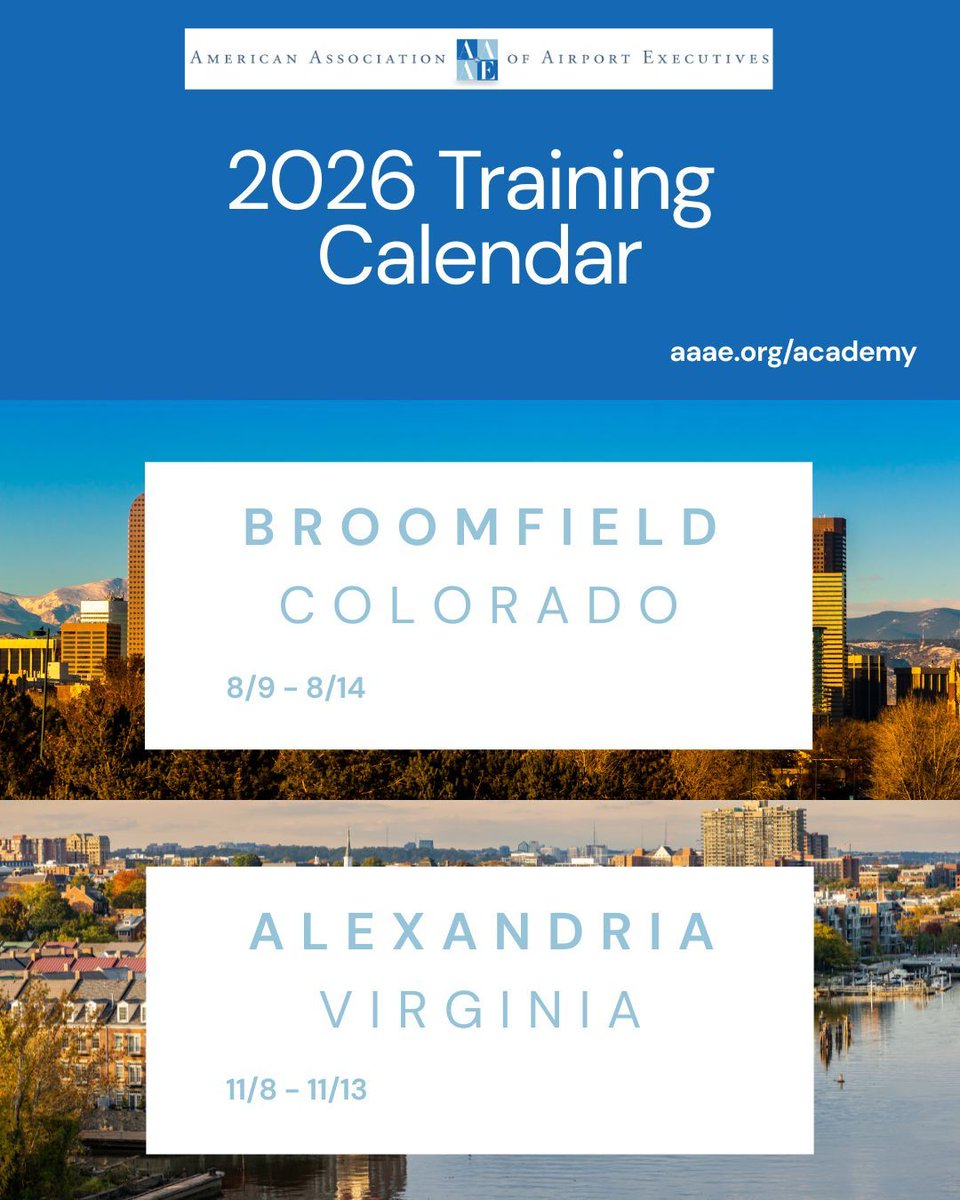
Preparing for the A.A.E. or C.M. exams requires more than just memorizing facts; it requires a deep understanding of airport leadership. The AAAE Accreditation Academy provides that intensive environment where candidates can master these standards. I am proud to support those dedicated to reaching the highest levels of professional accreditation.
https://t.co/1Zvqpb929E
#AAAE #AirportExecutive #ProfessionalDevelopment
Dismantling the TSA is a recurring political talking point, but we must consider what we lose in that scenario. Centralized intelligence and standardized training form an unseen shield. Without a federalized approach, we risk returning to a fragmented system that is far easier for adversaries to exploit.
https://t.co/y374M9QgRN
#AviationSecurity #TSA #NationalSecurity #SecurityPolicy
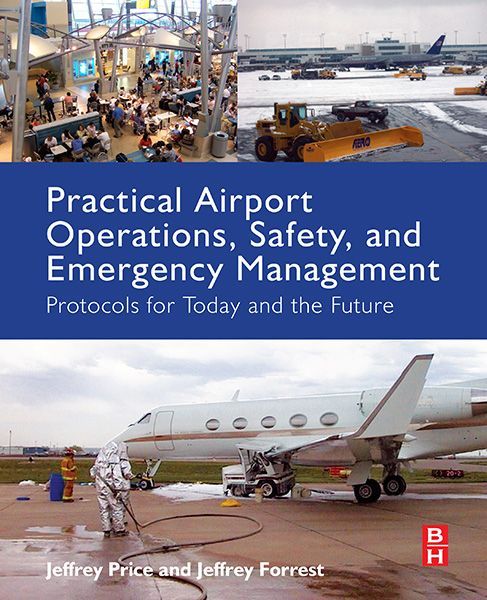
As we look toward the next academic cycle, Practical Airport Operations remains a core resource for understanding the regulatory and operational complexities of our field. It is designed to bridge the gap between classroom theory and the actual requirements of running a safe, compliant airport environment.
https://t.co/cEVyfDaU2Y
#AirportManagement #AviationEducation #SafetyFirst
The partnership between Leidos and Analogic marks a significant consolidation in the airport security technology sector. As these systems become more integrated, the focus for airport operators shifts toward how effectively new hardware can be unified with existing software platforms. The challenge remains to ensure that technological transitions improve detection capabilities without creating new bottlenecks at the checkpoint or complicating the training requirements for frontline staff.
https://t.co/JoHJnfz2Hi
#AirportTech #AviationSecurity #SecurityScreening #AirportOps
The incident at Denver International Airport is tragic and highly unusual. Based on what we know so far, this appears to involve a perimeter breach that resulted in a fatal runway incursion.
Incidents like this remind us that aviation security extends far beyond passenger screening checkpoints. Airport fencing, patrols, surveillance systems, and perimeter intrusion detection all play a role — but no security system is perfect, especially at an airport the size of DEN.
I shared additional perspective on airport perimeter security, runway incursions, and the operational realities airports face in my latest analysis.
https://t.co/uRynsLGMbP
#DenverAirport #AviationSecurity #RunwayIncursion #AirportSecurity #FrontierAirlines #DIA #AviationSafety
The debate over transitioning to private screening is gaining traction again. While the Screening Partnership Program has existed for years, expanding it significantly raises questions about standardized training and federal oversight. Efficiency is important, but we must ensure that a move toward privatization does not create inconsistencies in the national security web.
https://t.co/EJK8rwtvdQ
#TSA #AviationPolicy #AirportOps #SecurityStrategy
National Astronauts Day takes on even more significance following the Artemis II mission. As we push further into the second space age, the crossover between aviation and aerospace security becomes even more critical. We honor those who take the ultimate risks to expand our understanding of what is possible.
https://t.co/FAFWPLxZRX
#NationalAstronautsDay #Artemis #SpaceExploration
The recent incident involving a Marine detained with a live explosive round at a California airport is a stark reminder of why screening protocols remain so rigid. Even those with extensive tactical training can make errors in judgment or oversight regarding what enters the sterile area. It highlights the constant need for vigilance regardless of a passenger’s background or intent.
https://t.co/FplmkQAZfo
#AviationSecurity #TSA #AirportSafety #PublicSafety
The aviation industry is built on technical skill, but a successful career is built on strategy. "Landing an Aviation Career" serves as an objective roadmap for the next generation of pilots, managers, and air traffic controllers. From mastering the nuances of industry networking to building a resilient professional brand, this guide provides the "flight plan" students need to navigate the competitive transition from the classroom to the workforce.
Now available in e-book format for the 2026-2027 season.
https://t.co/pI36nLWpij
#AviationCareers #PilotLife #AirportManagement #AviationEducation #CareerStrategy