Aviation Plane: Taking Innovation to New Heights
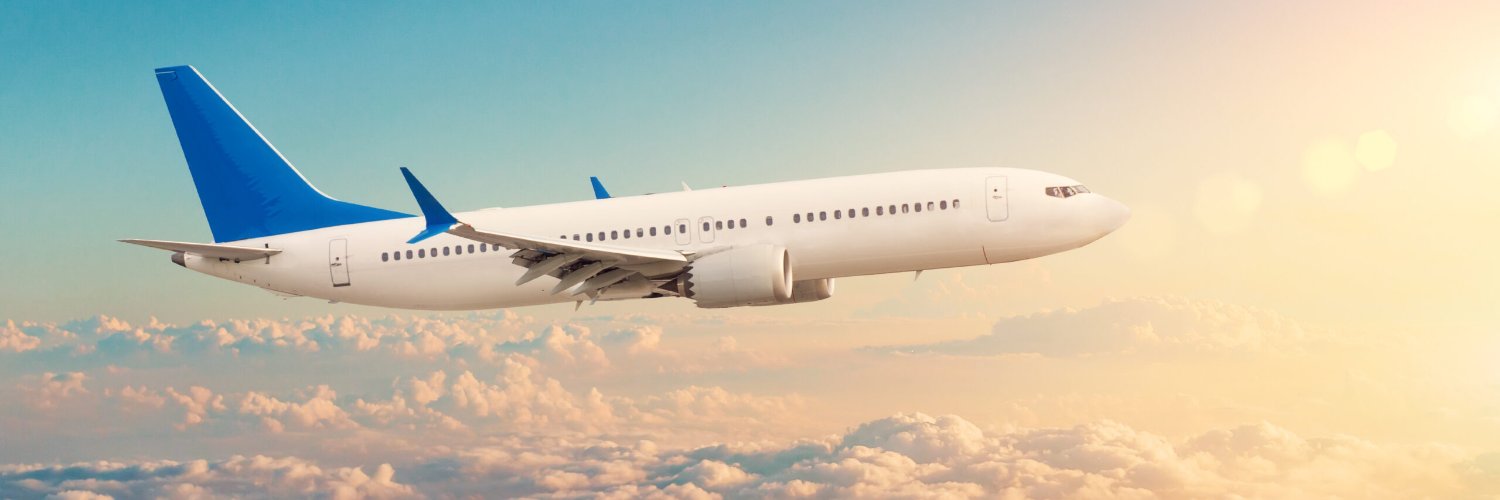
From the Wright Brothers' first powered flight to modern supersonic jets, aviation has come a long way. In the vast skies, there's a marvel that has revolutionized air travel - the aviation plane. This engineering marvel, sleek and elegant, has transformed the way we explore the world.
With every takeoff, an aviation plane represents the dreams of countless innovators and engineers who sought to conquer the skies. Combining cutting-edge technology, expert craftsmanship, and a commitment to safety, these flying giants have redefined human progress.
Think about it - once upon a time, traversing the world took ages, but now it's just a matter of hours. Thanks to aviation planes, alluring destinations that seemed distant become accessible, embodying the spirit of adventure and exploration.
The aviation plane has given wings to our aspirations, enabling us to fulfill our dreams of traveling effortlessly. Whether it's a small regional aircraft or a massive jumbo jet, these magnificent machines connect the world like never before.
But it’s not just about convenience. Aviation planes have also raised the bar in terms of safety standards. The meticulous attention to detail, rigorous testing, and constant innovation have made today's planes some of the safest modes of travel. Advanced navigation systems, redundant controls, and state-of-the-art avionics ensure passengers' peace of mind while soaring above the clouds.
Moreover, aviation planes have brought people of diverse cultures and backgrounds together. Air travel has become a melting pot, where individuals from all walks of life converge. In this shared space, we experience a world of multicultural exchanges and encounters, fostering global unity and understanding.
The aviation industry also plays a crucial role in bolstering economies around the world. By facilitating trade and tourism, aviation planes stimulate growth and create countless job opportunities. They fuel the engine of progress and inspire countless young minds to pursue careers in aerospace engineering and related fields.
As we gaze up and see an aviation plane soaring effortlessly, we cannot help but marvel at the human ingenuity that has made this possible. It is this spirit of curiosity, innovation, and relentless pursuit of excellence that characterizes the aviation industry.
Whether we are wanderers traversing vast distances, businesspeople connecting markets, or simply dreamers with a longing to take flight, aviation planes grant us the gift of freedom, perspective, and endless possibilities. They are the very embodiment of human progress, inspiring awe and wonder within us.
So the next time you see an aviation plane gliding gracefully through the sky, take a moment to contemplate its significance. Appreciate the dedication, hard work, and countless hours of innovation that went into making that flight possible. And remember, the aviation plane represents not just a mode of travel, but a testament to the strength of human ambition and the limitless power of human imagination.
Aviation has come a long way since its inception, with numerous changes transforming the industry over the years. From the groundbreaking invention of aircraft to the advent of supersonic travel, aviation has revolutionized the world of transportation. But what changes can we expect in the future?
One major transformation on the horizon is the rise of electric aviation. With growing concerns about climate change and the need for sustainable alternatives, electric planes offer a promising solution. Advances in battery technology have paved the way for electric aircraft that are quieter, produce zero emissions, and are more energy-efficient. While still in the early stages of development, electric aviation is poised to reshape the industry and provide greener alternatives for air travel.
Another exciting change is the evolution of autonomous aircraft. Much like self-driving cars, autonomous planes have the potential to revolutionize air travel by reducing human errors and increasing safety. With advanced sensors, artificial intelligence, and automation, these aircraft can navigate the skies more efficiently and precisely. While some may still be skeptical about the idea of flying without a human pilot, ongoing research and successful test flights indicate a promising future for autonomous aviation.
Furthermore, the introduction of supersonic travel is set to make a comeback. After the demise of the Concorde, there has been a void in supersonic passenger planes. However, with recent advancements in technology, companies are working on creating a new generation of supersonic aircraft that are faster, more fuel-efficient, and capable of sustaining long-haul flights. The potential reintroduction of supersonic travel could drastically reduce flight times and open up new possibilities for business and leisure travelers.
Lastly, the use of biofuels in aviation is gaining momentum. In a bid to reduce greenhouse gas emissions, airlines are exploring alternative fuels made from organic matter. Biofuels offer a more sustainable and eco-friendly option compared to traditional jet fuels. While still relatively expensive and not widely available, advancements in biofuel production techniques and increased investment are making it a viable option for the aviation industry.
Aviation has always been at the forefront of technological advancements, and the future holds even more exciting changes. From electric and autonomous aircraft to supersonic travel and biofuels, these transformations promise a greener, safer, and more efficient industry. As innovation continues to shape aviation, we can expect a future where air travel is not only faster and more convenient but also more sustainable for our planet.
Aviation, the art of defying gravity and soaring through the skies, has captivated the human imagination for centuries. From the pioneers of flight like the Wright Brothers to today's state-of-the-art aircraft, aviation has transformed the way we connect, explore, and perceive the world.
There's something undeniably magical about the moment an airplane takes off, its powerful engines roaring as it gracefully lifts off the ground. The unfathomable joy experienced by passengers during those few seconds when gravity releases its hold is unmatched. It's a moment of liberation as we leave behind our earthly woes and become temporarily weightless, placing our trust in the hands of a skilled pilot and modern technology.
Aviation not only transports us physically but also fuels our wanderlust, offering us glimpses of breathtaking landscapes from a perspective previously reserved for birds. The aerial view of endless clouds, majestic mountains, and sprawling cities is a humbling reminder of the vastness and beauty of our world.
Yet, beneath the awe-inspiring spectacle of aviation lies a world of complex mechanics, calculated risks, and strict regulations. Engineers and designers work meticulously to create aircraft that are not only aerodynamically efficient but also safe and reliable. Meanwhile, pilots undergo rigorous training to become masters of the skies, mastering the art of navigation, communication, and decision-making under pressure.
In recent times, aviation has faced unprecedented challenges. The COVID-19 pandemic forced the industry to ground planes, leaving airport runways eerily quiet and travel dreams shattered. However, as the world begins to heal, aviation is poised for a remarkable comeback, adapting to the new realities with enhanced health and safety protocols. It is a testament to the resilience and ingenuity of the aviation community, who are determined to reconnect the world one flight at a time.
Aviation, however, is not limited to commercial travel alone. It encompasses a multitude of disciplines, from military aircraft defending nations to humanitarian organizations utilizing air transport to provide aid in times of crisis. The possibilities seem endless, and new innovations continue to push the boundaries of what is possible in aviation.
Whether you are an aviation enthusiast or an occasional traveler, the wonder of flight is a constant reminder of humanity's ability to dream and accomplish extraordinary feats. It serves as a reminder that despite our differences, we all share one sky, interconnected and bound by the miracle of flight.
So next time you gaze up at the shimmering contrails in the sky, take a moment to appreciate the marvel of aviation. It's a testament to our courage, determination, and desire to explore the unknown, for in those fleeting moments between takeoff and landing, we touch the heavens and experience a taste of true freedom.
Once upon a time in a small town nestled amidst lush green fields and rolling hills, there lived a young boy named Oliver. Oliver was fascinated by aviation, even though he had never traveled in an airplane before. His only contact with the world of flight was through the books he borrowed from the local library.
Oliver spent hours in his room, dreaming about soaring through the skies, feeling the wind against his face, and experiencing the freedom that only aviators knew. He meticulously studied the history of aviation, memorizing the names of famous pilots and the details of their groundbreaking flights.
One day, while Oliver was playing in his backyard, he noticed an elderly man sitting on a bench, gazing at the sky with a wistful look in his eyes. Intrigued, Oliver approached the man and struck up a conversation about aviation. The man, named Henry, shared stories of his days as a pilot during the early years of aviation.
Hanging onto every word, Oliver listened in awe as Henry described the exhilaration of taking off into the unknown, the challenges and triumphs of each flight, and the camaraderie among aviators. Henry's tales opened up a whole new world for Oliver, igniting a desire within him to one day become a pilot himself.
As time passed, Oliver's passion grew stronger. He saved up every penny he could, doing odd jobs around the neighborhood. Finally, after years of dedication and sacrifice, he had enough money to enroll in flight school.
Oliver threw himself into his training, eager to learn everything about aviation. He studied late into the night, practiced diligently in flight simulators, and absorbed every lesson from his flight instructors. Gradually, his dreams transformed into reality, and he took his first solo flight.
The feeling of being in control of an aircraft amazed Oliver. He marveled at the intricate dance of the controls as he soared through the vast blue canvas above. As his skills grew, so did his confidence. Oliver longed to explore new horizons and soar across continents.
Years later, Oliver became an accomplished commercial pilot, traveling the world and connecting people from different cultures, all because of his love for aviation. He delighted in witnessing the awe on his passengers' faces as they experienced the miracle of flight. Oliver had turned his childhood dream into a reality, and he was forever grateful.
Meanwhile, back in his hometown, Oliver never forgot the encounter with Henry that had ignited his passion. He dedicated himself to inspiring the next generation of aviators, just as Henry had inspired him. Oliver volunteered at the local schools, sharing his stories and knowledge of aviation, hoping to ignite a spark in every young mind that crossed his path.
And so, the tale of Oliver the aviator became a beacon of inspiration. His journey from an imaginative young boy to a professional pilot showcased the power of dreams and the endless possibilities that await those who dare to chase them. Oliver's love for aviation not only changed his life but also the lives of countless others who, too, dared to dream of taking flight.
Once upon a time, in a small town named Oaktown, a young boy named Sammy had a deep fascination with aviation. He spent countless hours at the local airport, watching airplanes take off and land, dreaming of someday becoming a pilot. worked tirelessly to develop new aircraft designs, pushing the boundaries of what was deemed https://t.co/y3LxoHnN7j was about the human spirit, pushing the bounds of what was conceivable and soaring beyond the limitations imposed upon our dreams. And that, he believed, was the true essence of flight.
Years passed, and Sammy left a remarkable legacy in Oaktown. The town transformed into a bustling hub of aviation, attracting pilots, engineers, and aviation enthusiasts from far and wide. An aviation college was established, offering world-class training, thanks to Sammy's relentless pursuit of aeronautical knowledge.
As Sammy grew old, he reflected on his remarkable journey with gratitude. From a simple desire to fly, he had transformed his life and the lives of the people around him. The aviation community in Oaktown was now an interconnected network of dreamers, innovators, and pioneers, all united by Sammy's unwavering passion.
In the end, Sammy realized that aviation was not just about machines and technology.
One sunny morning, Sammy came across a dusty old book in the attic, titled "The Secrets of Aviation." Intrigued, he flipped through its pages, revealing a wealth of knowledge about the history of flight, different aircraft models, and even instructions on how to assemble a small glider.
Determined to experience the thrill of flight, Sammy decided to build his own glider using the instructions from the book. With the help of his best friend, Timmy, they scoured the town for materials, salvaging wood, wires, and fabric from various sources.
Weeks turned into months, and Sammy's humble workshop became a buzzing hive of activity as friends, neighbors, and even local pilots pitched in to assist with the colossal project. People from all walks of life came together, united by a common passion for aviation.
Finally, the day arrived when the glider was completed. Sammy named it "The Dreamcatcher" as a symbol of his unwavering determination. The entire town gathered at the airport, eagerly awaiting the maiden flight. It was an extraordinary sight, as the townspeople watched Sammy climb into the cockpit, filled with hope and excitement.
Bracing himself, Sammy released the glider from the towline, and to everyone's astonishment, it gracefully soared into the sky. The Dreamcatcher flew higher and higher, reflecting the pure joy on Sammy's face.
News of Sammy's extraordinary achievement spread like wildfire, attracting attention from aviation enthusiasts worldwide. Pilots, engineers, and even aircraft manufacturers reached out to the young prodigy, offering mentorship, scholarships, and opportunities to pursue his dreams further.
Sammy's journey didn't stop there. He became an iconic figure in the aviation industry, inspiring countless aspiring pilots with his perseverance, talent, and visionary ideas. He
Once upon a time, in a small town nestled amidst rolling green hills, there lived a young girl named Lily. From an early age, Lily had always been captivated by the wonders of flight. Every night, she would gaze up at the stars in awe, dreaming of soaring through the sky like a bird.
Lily's parents, recognizing her passion, encouraged her to pursue her dreams. They enrolled her at the local aviation school, where she learned about the mechanics of flight, navigation, and the history of aviation pioneers. Lily's eyes would light up with excitement as she devoured every piece of knowledge the instructors shared.
Years flew by, and Lily became an exceptional pilot, mastering even the most challenging maneuvers with finesse. But her longing for adventure was never satisfied. One day, while perusing the local library, she stumbled upon an ancient book hidden behind a shelf. Intrigued, Lily opened it to find a worn-out page full of mysterious drawings and symbols.
Determined to uncover the book's secrets, Lily began decoding the symbols, leading her on an extraordinary journey. The cryptic message guided her to a hidden airfield on the outskirts of town. There, she discovered an abandoned hangar that contained a dusty, forgotten plane from a bygone era.
With her heart pounding, Lily repaired and restored the neglected aircraft. As if breathed back to life, the plane gleamed brightly under her devoted care. She named it "The Phenix" in honor of its magnificent revival.
One radiant morning, Lily donned her aviator goggles, stepped into the cockpit, and fired up The Phenix's powerful engines. As she took to the sky, the world below transformed into a vibrant tapestry of colors and shapes. Lily glided effortlessly through the clouds, feeling a sense of freedom she had never experienced before.
But her adventure was just beginning. Deep in the heart of the Aethereal Mountains, Lily spotted a mysterious island veiled in mist. Curiosity got the better of her, and she bravely guided The Phenix toward the enigmatic land.
To her astonishment, the island harbored a hidden community of sky-dwellers, who had carved out an existence above the clouds. They greeted Lily with open arms, eager to share their knowledge and learn from her. Overjoyed, she discovered that these sky-dwellers had devised marvelous contraptions, powered by wind and ingenuity, allowing them to harness the power of flight like no other.
Lily's stay on the island turned into a glorious exchange of ideas. She shared her insight into aviation's modern world, while the sky-dwellers introduced her to their remarkable aerial crafts and celestial navigation techniques. For weeks, Lily immersed herself in this fantastic world, never ceasing to be amazed by the boundless possibilities of aviation.
Eventually, the time came for Lily to bid farewell to her newfound friends. Although she was sad to leave, her heart was filled with gratitude for the extraordinary experience they shared. With renewed passion, she soared back to her hometown, eager to pass on the knowledge she acquired and inspire a new generation of aviation enthusiasts.
Lily's story spread far and wide, reaching the ears of young dreamers around the world. They, too, pursued their passion for flight and explored uncharted skies, inspired by the incredible journey of aviator Lily and the enchanting community of sky-dwellers she discovered.
And thus, the tale of Lily, The Phenix, and the hidden island of sky-dwellers became a legend in the annals of aviation, reminding us all that the sky is not merely a limit, but an endless canvas upon which dreams take flight.
Aviation altitude is an important concept in the world of aviation, determining the height at which an aircraft flies in the atmosphere. Pilots and air traffic controllers rely on accurate altitude measurements to ensure safe and efficient flight operations.
Altitude is defined as the vertical distance between an aircraft and a fixed reference point, usually sea level. It is commonly measured in feet or meters. There are different types of altitude in aviation, including indicated altitude, true altitude, pressure altitude, density altitude, and altitude above ground level (AGL).
Indicated altitude is what is shown on the aircraft's altimeter, a device that measures pressure changes in the atmosphere. It is based on the atmospheric pressure at sea level. However, due to variations in atmospheric pressure, indicated altitude alone may not provide an accurate representation of an aircraft's position relative to the ground.
True altitude, on the other hand, refers to the actual height above sea level. It takes into account variations in atmospheric pressure and corrects for non-standard conditions. True altitude is commonly used for navigation and determining an aircraft's position on aeronautical charts.
Pressure altitude is another important concept in aviation. It refers to the altitude indicated on the altimeter when the barometric pressure scale is set to a standard value, usually 29.92 inches of mercury. Pilots use pressure altitude to ensure proper aircraft performance, as it accounts for changes in atmospheric pressure that affect engine performance and airspeed.
Density altitude is a variation of pressure altitude that takes into account air density, which is affected by temperature and humidity. It is an essential factor for determining aircraft performance, particularly during takeoff and landing. High density altitude, caused by high temperatures or high altitudes, reduces engine performance and affects an aircraft's ability to generate lift.
Altitude above ground level (AGL) is particularly important during takeoff, landing, and low-level flight. It is the vertical distance between the aircraft and the ground, disregarding any elevation changes in the terrain. AGL is crucial for maintaining safe separation from obstacles and for providing accurate and reliable ground proximity warnings.
In the world of aviation, altitude plays a crucial role in maintaining safety and efficiency. Air traffic controllers ensure that aircraft are separated vertically to avoid collisions. Pilots rely on altimeters and communication with air traffic control to maintain their assigned altitude. Furthermore, altitude restrictions are often placed on aircraft during various phases of flight, depending on the airspace, routing, and weather conditions.
Aviation altitude is also closely linked to the concept of the flight level. Flight levels are standardized altitudes based on atmospheric pressure and are used primarily in high-level airspace where pressure-altitude variations become more significant. They simplify communication between pilots and air traffic control, reducing the risk of misunderstandings and ensuring consistent separation between aircraft.
In conclusion, aviation altitude is a fundamental aspect of flight operations. It allows pilots to navigate accurately, maintain safe separation from other aircraft, and account for variations in temperature and pressure. Understanding the different types of altitude is vital for pilots, air traffic controllers, and aviation enthusiasts to ensure the safety and efficiency of flights in the sky.
Aviation is a fascinating field that has revolutionized the way we travel and connect with the world. From the early pioneers who dared to dream of flight, to the modern commercial jetliners that whisk us away to far-flung destinations, aviation has come a long way in a relatively short period of time.
One cannot talk about aviation without mentioning the Wright brothers, Orville and Wilbur, who successfully flew the world's first powered aircraft in 1903. Their groundbreaking achievement paved the way for further advancements in aviation technology and set the stage for the rapid development of airplanes.
Throughout the 20th century, aviation witnessed numerous milestones and triumphs. From Charles Lindbergh's historic solo transatlantic flight in 1927 to the development of jet engines in the 1930s, aviation grew by leaps and bounds. The Second World War further accelerated technological progress in aviation, leading to the production of powerful military aircraft like the iconic Spitfire and the fearsome Messerschmitt.
But it wasn't just military aviation that flourished during this time. Civilian aviation also experienced significant growth, opening up new possibilities for travel and exploration. With the advent of commercial airlines, people could now comfortably fly across continents in a matter of hours, shrinking the globe and connecting distant cultures like never before.
In the present day, aviation has become an integral part of our lives, transporting millions of people and countless tons of cargo each day. Modern aircraft are marvels of engineering, designed to be safe, efficient, and capable of crossing vast distances in no time. From massive jumbo jets like the Boeing 747 to sleek supersonic planes like the Concorde (now retired), aviation continues to push boundaries and redefine what is possible.
Moreover, aviation plays a crucial role in various industries, including tourism, trade, and emergency services. Remote communities that were previously isolated are now easily accessible, thanks to smaller regional aircraft that can land on short runways. In times of natural disasters, medical emergencies, or humanitarian crises, aviation serves as a lifeline, delivering aid and assistance to impacted areas quickly and efficiently.
However, aviation also faces significant challenges, particularly concerning its environmental impact. Aircraft emissions contribute to climate change, and finding sustainable alternatives is a pressing issue for the industry. Research and development efforts are underway to create greener aircraft powered by renewable energy sources, such as biofuels or electric propulsion systems.
In conclusion, aviation has come a long way since the Wright brothers took their first flight over a century ago. It has transformed the world and brought people from different cultures and backgrounds closer together. While facing environmental challenges, the aviation industry continues to innovate and strive for a sustainable future. As we look to the skies, we can only imagine what exciting advancements await us in the years to come.
Aviation, a world where gravity is defied and dreams take flight. The sky becomes a blank canvas, painted with the strokes of roaring engines and soaring wings. From the Wright brothers' humble beginnings to the supersonic marvels of today, aviation has shaped the way we traverse the Earth.
It's more than just a mode of transportation; it's a symbol of human curiosity, innovation, and ambition. From the breathtaking views at 30,000 feet to the feeling of weightlessness during a loop-the-loop, aviation offers an unparalleled experience of freedom and adventure. It has the power to bridge distances, connect people, and ignite a sense of wonder.
But aviation isn't just about machines and technology. It's about the dedicated pilots and crew who navigate the skies with precision and skill, ensuring safety and efficiency. It's about the passengers who hold their breath as the runway disappears beneath them, only to be replaced by a limitless horizon.
Aviation transcends borders, opening up a world of possibilities. It has transformed how we explore, trade, and connect. With each takeoff, aviation takes us to new heights – physically and metaphorically. It reminds us that the sky is not the limit; it's the beginning of a limitless journey.
So, next time you marvel at the sight of a plane gliding effortlessly through the air, remember the awe-inspiring story behind it. Aviation weaves together science and imagination, inspiring generations to believe that dreams can indeed take flight.