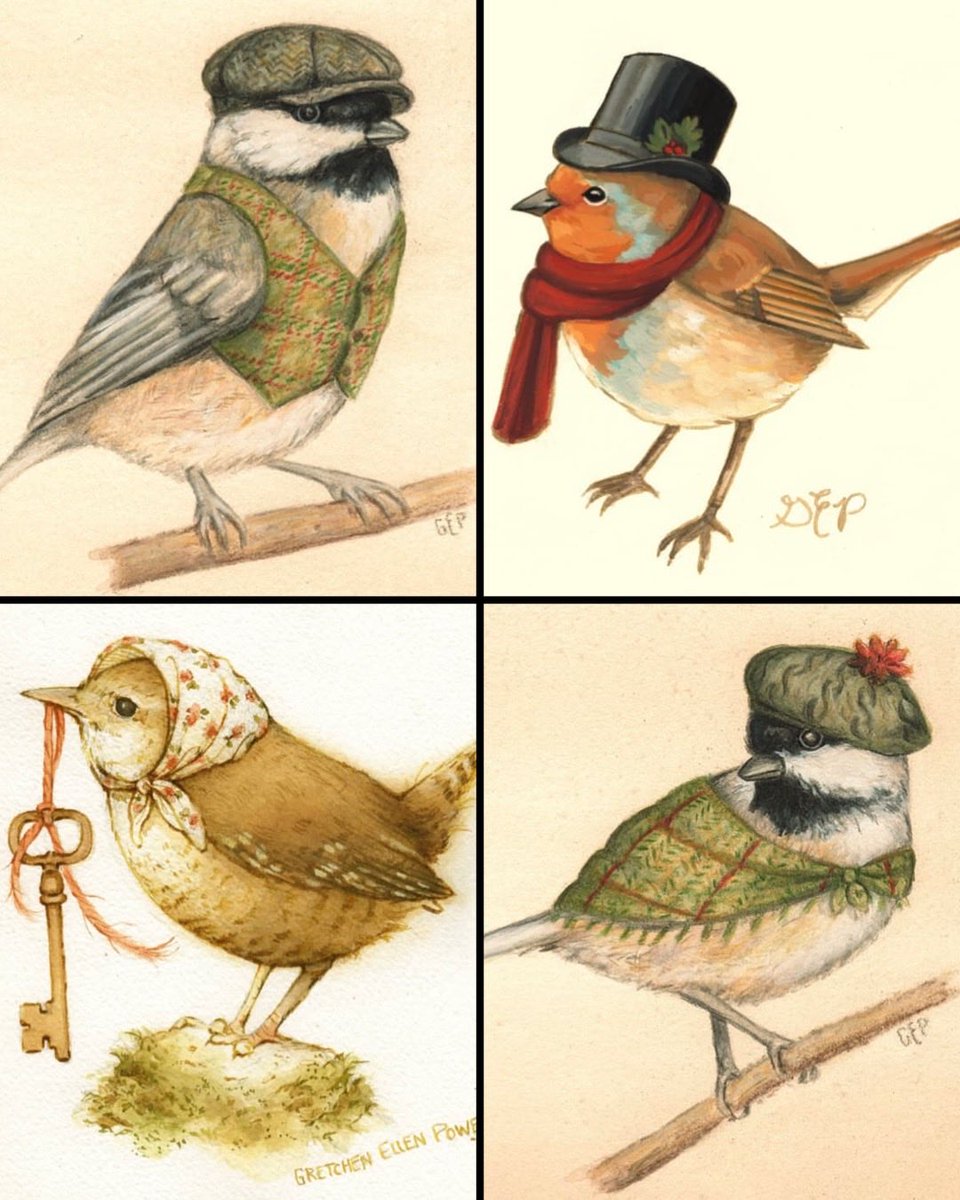
Are you an #Artist looking to grow? We do daily #AICArtistOfTheDay features & select video interviews! Follow & @ mention for consideration. Est. by @AdesinaTV
A photographer took a picture just as this couple threw ashes into a river.
He asked who it was. As they answered their dog. The photographer asked for permission to edit their photo, and this was the result.
📷Cecilie Thoresen
finally i can share this with every one. the dark crystal has been one of those movies that shaped my creativity at a young age. when it was offered to me my jaw dropped. so here it is.
my art for the dark crystal!.
acrylics and water color on watercolor board.
get it here:
https://t.co/6XIgBYnxV2
#thedarkcrystal #prestonasevedo #traditionalart
#fangoria @FANGORIA #2000ad @2000AD
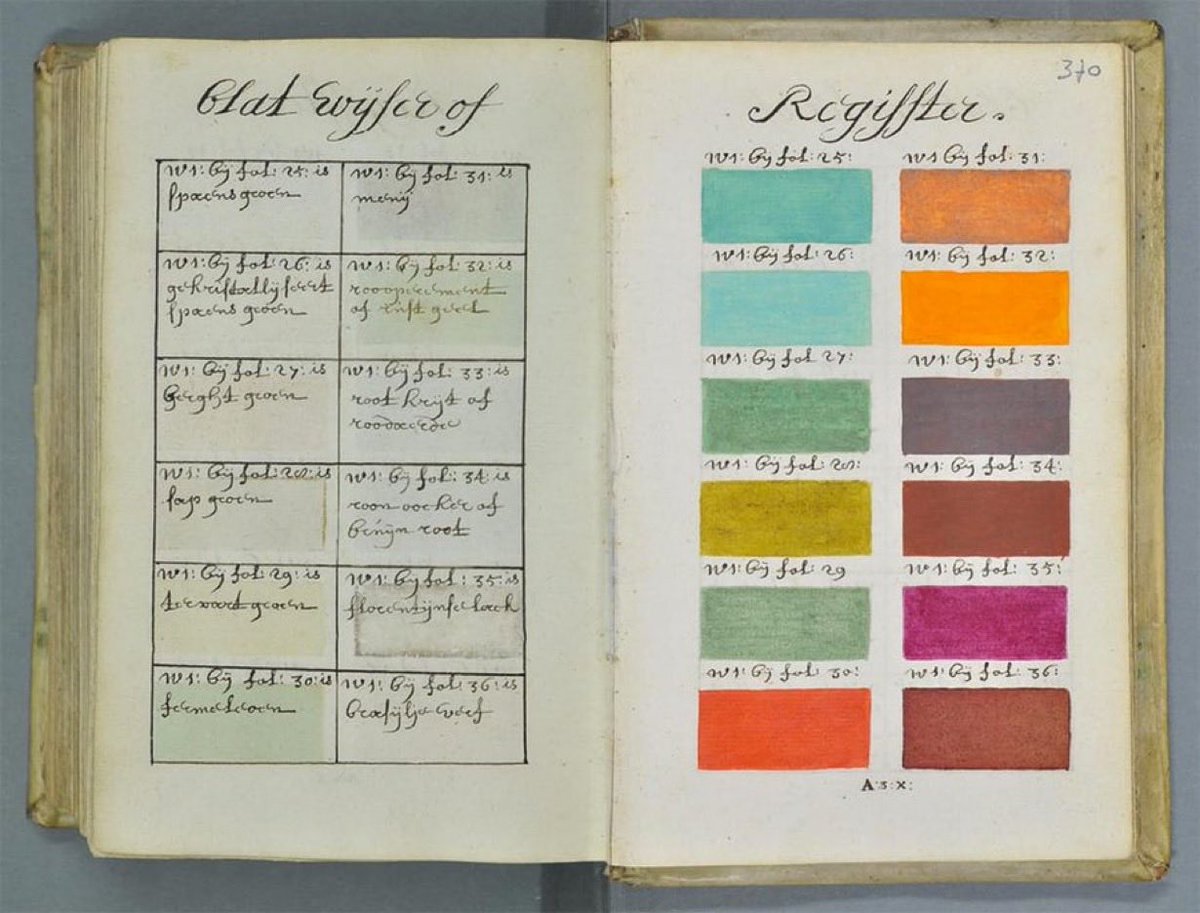
More than 250 years before Pantone, an artist documented every imaginable color in a 900-page book. In 1692, A. Boogert wrote a Dutch book about mixing watercolors and how to create specific hues by adding water.
A visual 🧵 and 🔗 to the full book 👇
Who knew an orange peel could hold so much history? 🍊✨
In the 18th century, these were known as "Bergamot Boxes"—dainty, hand-crafted trinket holders used in Italy and France to store jewelry, perfumes, and cosmetics. They were prized for their natural citrus scent that lingered on everything inside.
By the 1850s, mass production took over, and this beautiful craft almost vanished. There’s something so grounding about bringing back a skill that hasn’t been common for nearly 200 years. It’s a slow, delicate process (with a bit of trial and error!), but seeing the final result painted with acrylics makes it all worth it.
In a world of plastic and fast-fashion, let’s bring back the beauty of things that grow from the earth.
Who else is ready to start drying their fruit peels?
This is how shading and gradation in manga was done in during pre-digital era; using screentones. Lots of meticulous shaping, scraping, scoring to get the desired shading effect.
Every. Single. Panel. Manga is hard work. 🥲
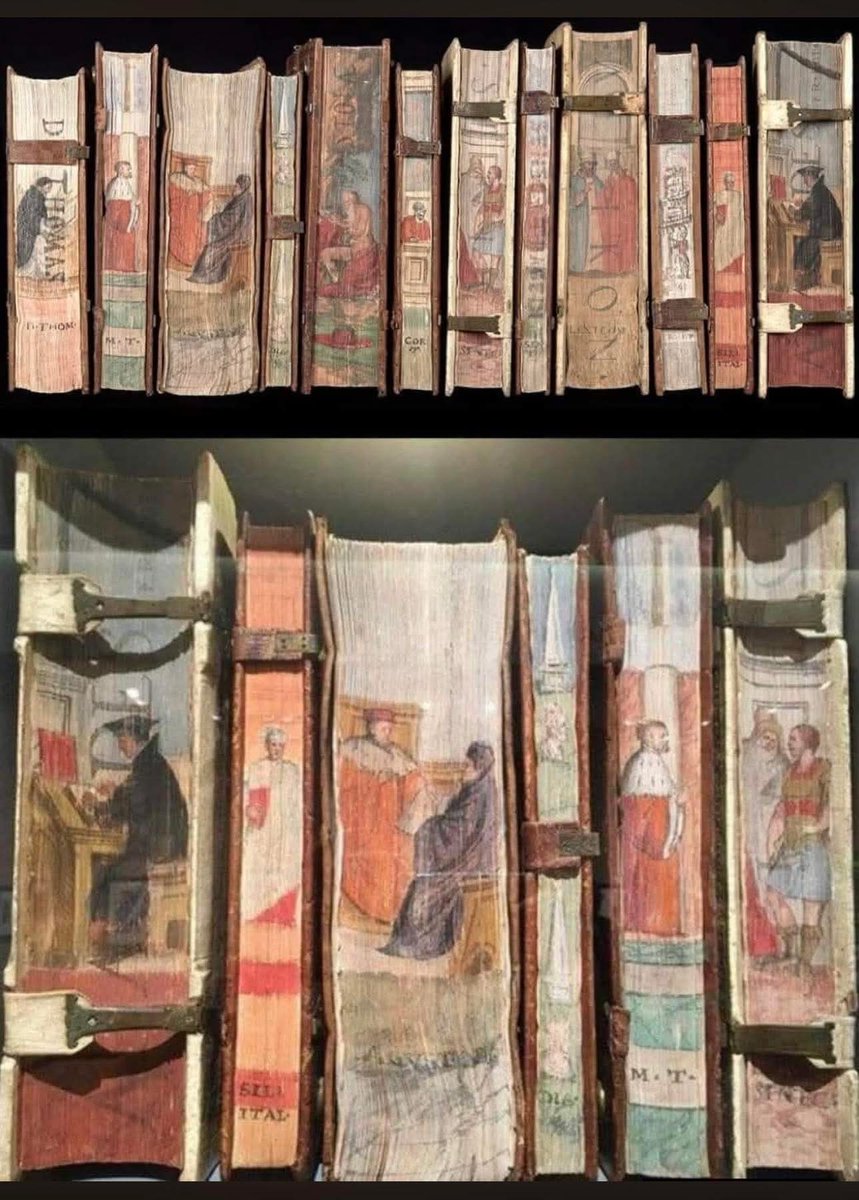
In the 16th century, the Venetian lawyer Odorico Pillone owned an extensive library, amassed on his family estate near Venice. In the 1580s, he decided to further enhance his collection by decorating sections of pages with various artistic illustrations, books at that time were often simply kept on shelves. The Italian graphic designer and painter Cesare Vecellio (1521–1601), a cousin of Titian, was chosen as the artist. In total, he illustrated 172 volumes. The themes of the illustrations were related to the content of the books themselves (which was convenient, as it made it easy to find a specific topic). According to Pillone, the painted pages transformed the library into a unique art gallery.
🌙✨ Experience the legendary “Clair de Lune” by Claude Debussy, paired with the original Disney animation that was nearly lost to history.
Originally created for the 1940 classic Fantasia, this breathtaking sequence was ultimately left on the cutting room floor due to time constraints. For more than half a century, it remained tucked away in the archives—until a nitrate print surfaced, allowing it to be fully restored in 1992.
What you’re witnessing is a delicate fusion of Debussy’s gentle, dreamlike composition and the height of 1940s Technicolor artistry—a “sonorous portrait” of calm and beauty that nearly vanished from history. 🏛️🎶💎
#clairdelune #debussy #disneyhistory #fantasia #classicalmusic
Finland is offering artists up to €3,800/month to slow down and just make work.
No exhibitions required, no performances. Just you, a quiet countryside residence, and two uninterrupted months.
The Saari Residence 2027 is open to artists, writers, poets, translators, composers and curators of all nationalities. Collective applications (up to 10 people) are also welcome.
Deadline is 31 March 2026 and it’s free to apply.
Full details on https://t.co/5nRul86ckJ
My first painting in 42 years. 💪 🎨
I wanted to take art at school but I grew up at a time when they were pushing girls into STEM subjects and I couldn’t take art subjects AND science, only one or the other. I was persuaded to take the sciences and haven’t picked up a paint brush since, until now.
It’s never too late.
Unbelievable craftsmanship — marble that looks like sheer, see-through fabric....
A stunning 19th Century marble funerary monument featuring a veiled mourning woman. The monument was created in 1856 by Italian sculptor Giovanni Battista Lombardi. It is located in the Monumental Cemetery of Brescia, Italy, known as the Cimitero Vantiniano.
This style of “veiled sculpture” became especially famous in the 18th and 19th Centuries, when artists pushed stone to its absolute limits. Sculptors would carve the figure first, then painstakingly chisel the “veil” from the same single block of marble, no layering, no separate pieces. The illusion works because marble can be polished to a soft translucence, allowing light to pass slightly beneath the surface and create the appearance of skin beneath cloth.
Artists like Raffaelle Monti became renowned for this technique. His 1860 work The Veiled Lady stunned Victorian audiences, who were convinced the fabric must have been added separately.
The most famous veiled sculpture in the world may be Giuseppe Sanmartino’s Veiled Christ (1753) in Naples, carved from one continuous slab of marble. Even today, modern sculptors struggle to replicate the effect without power tools.
#archaeohistories
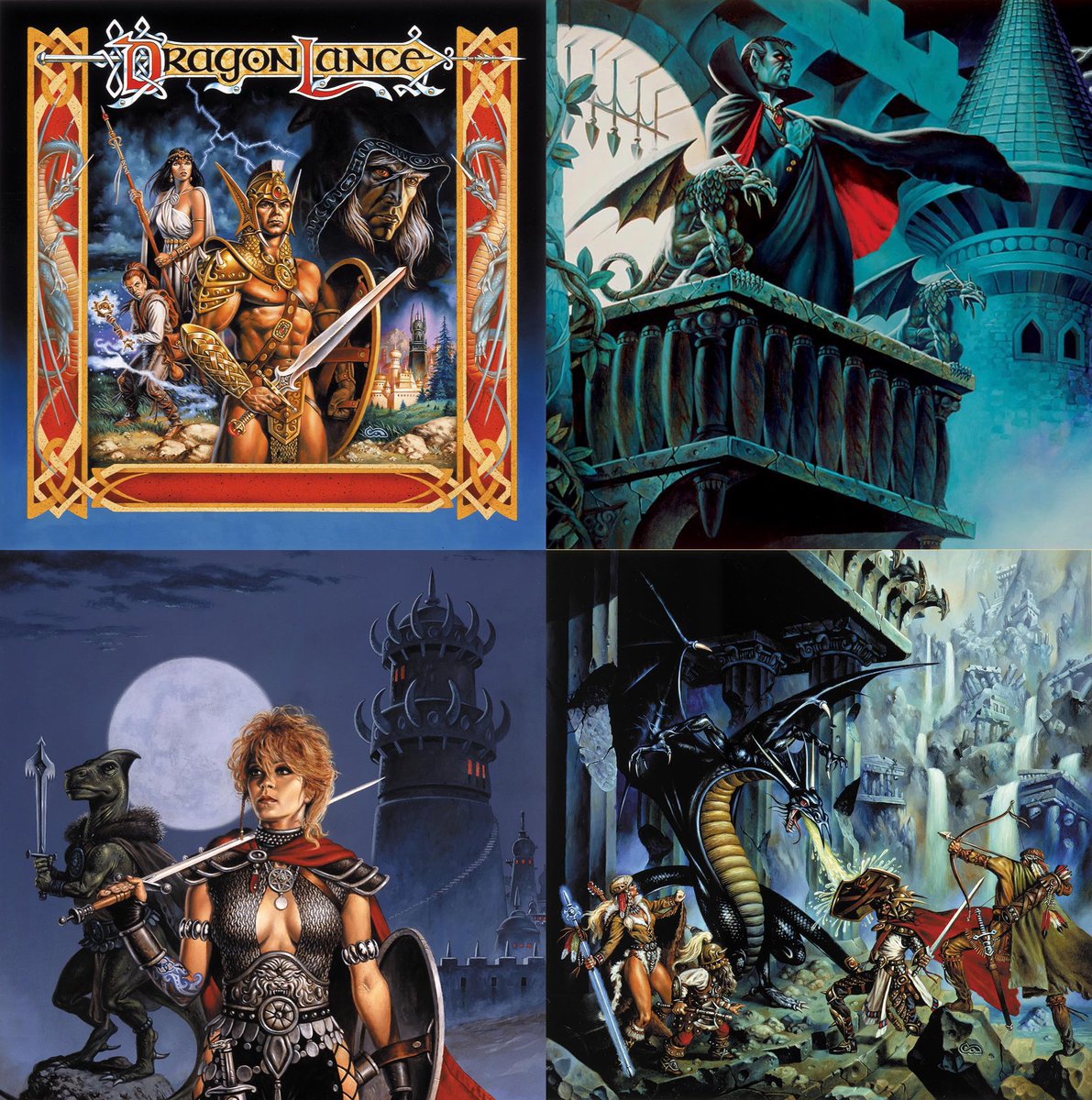
78 years ago today, a legend was born.
Clyde Caldwell didn’t just paint fantasy,
he defined how a generation saw it.
Brush. Canvas. Oil.
No pixels. No shortcuts.
Happy 78th, Clyde. The realms are richer because of you.
Share a happy bday & drop your favorite piece of his here