The real impact? 💥
More polarization. Less trust. A fragile info environment pushed to the brink.
🔍 Independent fact-checkers = essential
🚨 Stay vigilant against coordinated campaigns
Sources: DFRLab, GMF & regional monitors
Seen any of these narratives? Drop them below
🚨🇷🇺 Kremlin's "firehose of falsehood" targets Venezuela: RT, Sputnik, TeleSUR & Pravda network push disinfo to block democratic change & smear Machado as a "US puppet." 🇺🇸
#Venezuela#Disinfo
🧵 Tactics:
Bot/troll swarms on X, TikTok, Facebook
AI memes + repurposed footage = "US aggression" lies
Proxies launder Kremlin narratives to deny repression & paint Machado's return as "foreign interference"
Goal post-Maduro capture? Erode trust in any transition. 🚫
In stable times, change is resisted by established structures, habits, and competing interests. A crisis sweeps away these barriers, creating a permission structure for drastic action that would otherwise be unthinkable.
6/6
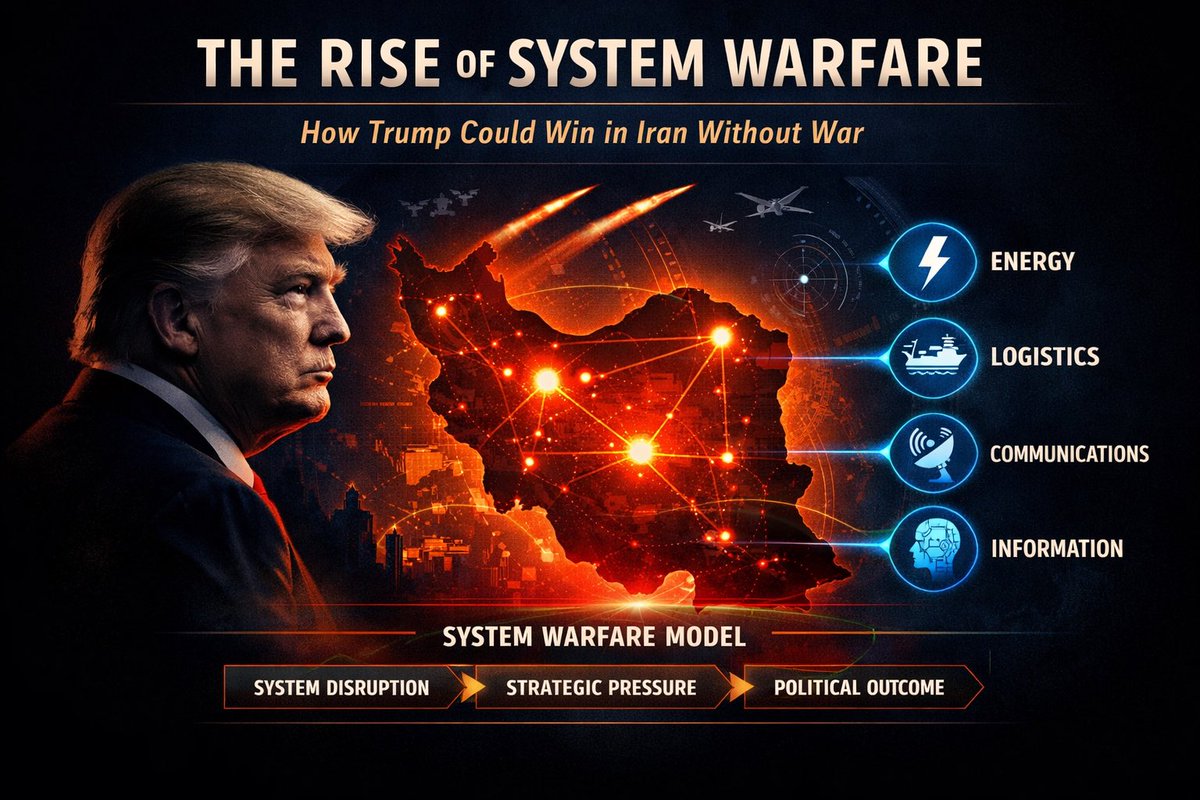
The decisive factor will be who better understands how complex systems function and how to protect them, disrupt them, or control them. System resilience is the new security framework.
1/5
For centuries, war meant destroying armies and seizing territory. But 21st-century conflicts reveal a new pattern: the primary target is no longer the enemy's soldiers, but the systems that allow armies and governments to function.
5/5
Implications for the future: Conventional military power still matters. But resilience must now be built across the entire operational ecosystem—energy continuity, supply chain stability, communications redundancy.