کوئی آپ سے مل کر اپنی تازگی کھو دے اور مرجھا جائے تو آپ سے کمظرف اور بد قسمت انسان کوئی نہیں پھر چاہے آپ اپنی ذات کو لے کر کتنے ہی خوش کیوں نہ ہو۔
"کوئی مجھ سے ملا تھا مگر میں کم ظرف اور بدقسمت نکلا" 💔
شعور کا پہلا درجہ خاموش رہنے کی عادت اپنانا، شعور کا دوسـرا درجہ بدتمیزی پر جواب نہ دینا اور شعور کے تیسرے درجہ پر بداخلاقی کا جواب اخلاق سے دینا ہوتا ہے.
“Before the Cowardice and the Kings: When the People of the Region Were One”
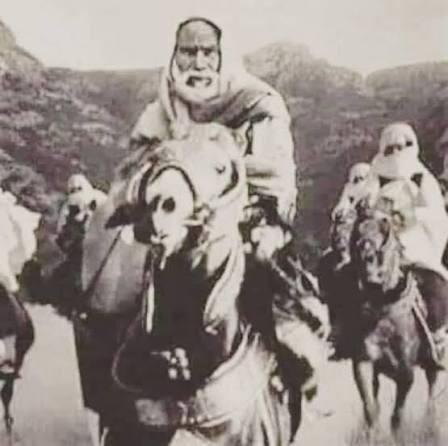
For over 20 years, Libya resisted the brutal Italian occupation. This was not just a rebellion, it was one of the strongest resistance movements of its time, winning battle after battle, standing firm against one of Europe’s most advanced colonial powers.
At the heart of this struggle was Sheikh Omar al-Mukhtār, the Lion of the Desert, a leader of unmatched courage, strategy, and honor. He united Muslims and non-Muslims, Sunnis and Shia, Libyans and Arabs, forging a resistance that transcended sect, tribe, and nationality. Fighters came from Syria, Iraq, Palestine, and Egypt, answering the call of justice.
Among those who answered the call was Sheikh Izz ad-Din al-Qassam the Syrian martyr who would later inspire the Palestinian resistance. Before Palestine, he stood with Omar al-Mukhtār in Libya, training fighters, leading volunteers, coordinating campaigns, and strengthening the resolve of the resistance.
This unity was no coincidence. From Najaf, Sayyid Kazem Yazdi, one of our Shia marājiʿ, issued a fatwa calling all Muslims to defend Libya against the Italian invaders. Thousands responded, Shia and Sunni alike, proving that true Islam is solidarity, courage, and standing against tyranny.
Libya’s struggle was not fought on equal terms. The occupiers brought tanks, airplanes, bombs, and industrialized war, innovations first tested on Libyan soil. The resistance had rifles, horses, and raw will. Yet they fought on for decades, carving history with sacrifice and valor.
Libya’s resistance was more than battles; it was a network of solidarity linking fighters across the region, from Libya to Palestine, Syria, and Iraq. The blood of the martyrs was the thread that bound them together.
And even decades later, the fight over Omar al-Mukhtār’s legacy continued. In 2012, Wahhabi-Salafi extremists stormed and desecrated his shrine in Benghazi, the resting place of the nation’s Lion, attempting to erase his memory with the same blind hatred they carry everywhere. But just as the Italians failed to break Libya, these extremists failed to break the people. The shrine was rebuilt, the land protected, and the memory of Omar al-Mukhtār rose stronger a living symbol of defiance, not just against colonialism, but against every form of ideological tyranny.
Omar al-Mukhtār’s courage was not just on the battlefield. He was a man of principles, faith, and honor, said to follow the path of Ahl al Bayt (A.S). His legacy is eternal a symbol of unyielding resistance against colonizers and oppressors, and a beacon for all free men and women.
The lesson for today: do not bow to the defeatist narrative. Opponents may have planes, missiles, and global power, but history proves that will, unity, sacrifice, and faith can outlast and defeat superior force. Maybe not tomorrow. Maybe not in one battle. But the arc of resistance bends toward victory when people refuse to be broken.
Omar al-Mukhtār’s legacy is not nostalgia, it is a living lesson: organize, unite across creeds, train, persevere, and never accept slavery or humiliation. The martyrs of Libya joined hands with brothers from across the region; their blood is the map for every free movement today.
Libya resisted. The martyrs led. The lesson is eternal. Courage, unity, and faith can defeat even the mightiest oppressors.
حضرت غنیمت کنجاہی رحمۃ اللہ علیہ
ترجمہ
جب وہ مکتب کے دروازے پہ آیا تو میں نے صدا لگائی کہ "میں دل کے تیس ٹکڑے بیچتا ہوں،
پوچھا قیمت؟
کہا... ایک نظر !
اس نے پوچھا کیا کچھ کمی ہو سکتی ہے؟
کہا... !!
زندگی میں کبھی کبھار ایک نظر".