أُمي هل تعلمين كم اشتقت لأحاديثك كم اشتقت لسماع صوتك ؟! فُطر قلبي بمرضك و وجعك ، أتعبني جدًا هذا المرض تُؤسفني كل لحظة لم أعشها معك قبل أن يُنهكك المرض . أمي الحبيبة أُعذريني على كل تقصير قصرته تجاهك لم أوفيك حقك ولم أدرك نعمة وجودك إلا بعد مرضك .
Only a low IQ non-technical person thinks that a wireless sensor inside a ball with a shitty polling rate that is kicked around for hours is precise enough within low millisecond range to register a string of hair on the ball’s surface, yet magically immune to the pressure wave of someone missing it by 2mm and do all of this over the air in real time across hundreds of meters.
It's an accelerometer. It picks up vibrations and pressure changes from EVERYTHING nearby, even it hitting an insect in the air, then FIFA decides which spike counts as a ‘touch’.
Let's talk about Uruguay, Marcelo Bielsa, his playing style and modern football.
Marcelo Bielsa has played essentially with the 4-3-3 as a starting formation. His attacking football is based on constant mobility and large distances between players. In possession, his full-backs push high, the wingers move inside, and both attacking midfielders join the front line. This creates three players on each side constantly rotating and exchanging positions.
Bielsa looks to progress mainly through the wide areas, using third-man combinations, runs in behind, and constant movement to disorganize the opposition. Another characteristic of his teams, something we see less often in modern football, is the use of natural-footed wingers. That fits perfectly with his desire to attack down the flanks. For example, a winger making a run in behind on his natural side is naturally better positioned to deliver crosses.
It is common to see Bielsa's teams attacking in something close to a 2-1-7, with the two centre-backs and one defensive midfielder behind the ball while the other seven players pin the opposition's back line. Very few teams in modern football attack with such an extreme structure. That brings us to the second issue: the distances between players. The passing distances between the centre-backs and defensive midfielder and the rest of the team are enormous.
In many ways, Bielsa is willing to sacrifice defensive transition by committing so many players to the last line. It is incredibly difficult for any defence to deal with seven attacking players occupying the final line, but Uruguay struggled badly in attack throughout the tournament. Most of their chances came from crosses.
For Bielsa's teams, crosses are not the ideal solution. When you attack with seven players on the last line, an intercepted cross or a clearance leaves huge spaces to defend. Uruguay often had only three players protecting defensive transition, and counter-pressing after a cross is much more difficult than after losing possession through wide combinations. At the same time, having so many players in the box explains why Uruguay remained dangerous from crosses. It is a trade-off, but one that leaves the team poorly balanced. Saudi Arabia didn't have enough threat in offensive transition to exploit those spaces, but Cape Verde and Spain did.
What we saw very little of was progression through the inside channels. There are several reasons for that. First, Bielsa's positional structure naturally favours wide progression. Trying to attack centrally while committing so many players forward carries enormous risks in defensive transition. Second, De Arrascaeta's injury was a huge blow. He is the player capable of receiving between the lines and creating in the final third. The third issue was the roles Bielsa gave to Bentancur and Fede Valverde. Both were used as attacking midfielders on the last line, which does not suit either player. It was frustrating to see Valverde almost pinned as a right winger in the opening game, while Bentancur often played far too high.
Ironically, Bielsa himself had already found a better balance in previous months, using Bentancur as the #6, Valverde as the #8, and De Arrascaeta as the #10. Bentancur needs to organize play from deeper areas, while Valverde is at his best as a box-to-box midfielder arriving from deep. Of course, if you want to attack with seven players and leave only three behind the ball, you need a specialist defensive midfielder like Ugarte to deal with transitions. But sacrificing the best qualities of both Valverde and Bentancur, while also missing De Arrascaeta, proved too much for Uruguay.
Defensively, I actually thought Uruguay performed quite well. Bielsa uses a man-oriented pressing system that is slightly more conservative than the pure man-to-man approach of Gasperini, for example. Rather than marking everyone immediately, Bielsa initially leaves one opposition player free while keeping an extra defender behind the press to protect the back line. If the opponent progresses by finding that free player, Uruguay then jumps aggressively and the spare defender steps out, effectively turning the structure into full man-to-man marking. Overall, this is something Bielsa's teams usually execute very well, and I don't think Uruguay suffered much from it. Their rest defence, however, was a different story.
Overall, I believe Uruguay would probably have progressed with a fit De Arrascaeta and with different roles for Valverde and Bentancur. In the end, individual mistakes also played a part, and those are simply part of football. I also don't think intensity was the problem. If anything, Uruguay were almost too intense against Spain. What they lacked was attacking clarity and enough solutions to consistently create chances.
Marcelo Bielsa has influenced coaches all over the world, myself included. It hurts to see him in this situation. It may be time for him to move on. Modern football has changed enormously. Bielsa is exceptionally methodical, demanding and stubborn, and those qualities are becoming increasingly difficult to sustain. Part of his frustration comes from feeling that football has become more of an industry, full of people chasing money rather than loving the game as obsessively as he does. I don't blame him. Anyway, his methods are becoming harder to apply, especially at club level. The intensity he demands, the constant mobility, the huge distances between players, the modern football calendar, and the profile of today's players make his model increasingly difficult to sustain over a full season.
I hope he steps away from football for a while, reflects, and eventually returns to rebuild a smaller football nation. A coaching career as influential as Marcelo Bielsa's deserves a better ending than this.
📩 ليس المهم ما تقوله، بل الكيفية التي تقوله بها
التأطير (Framing)
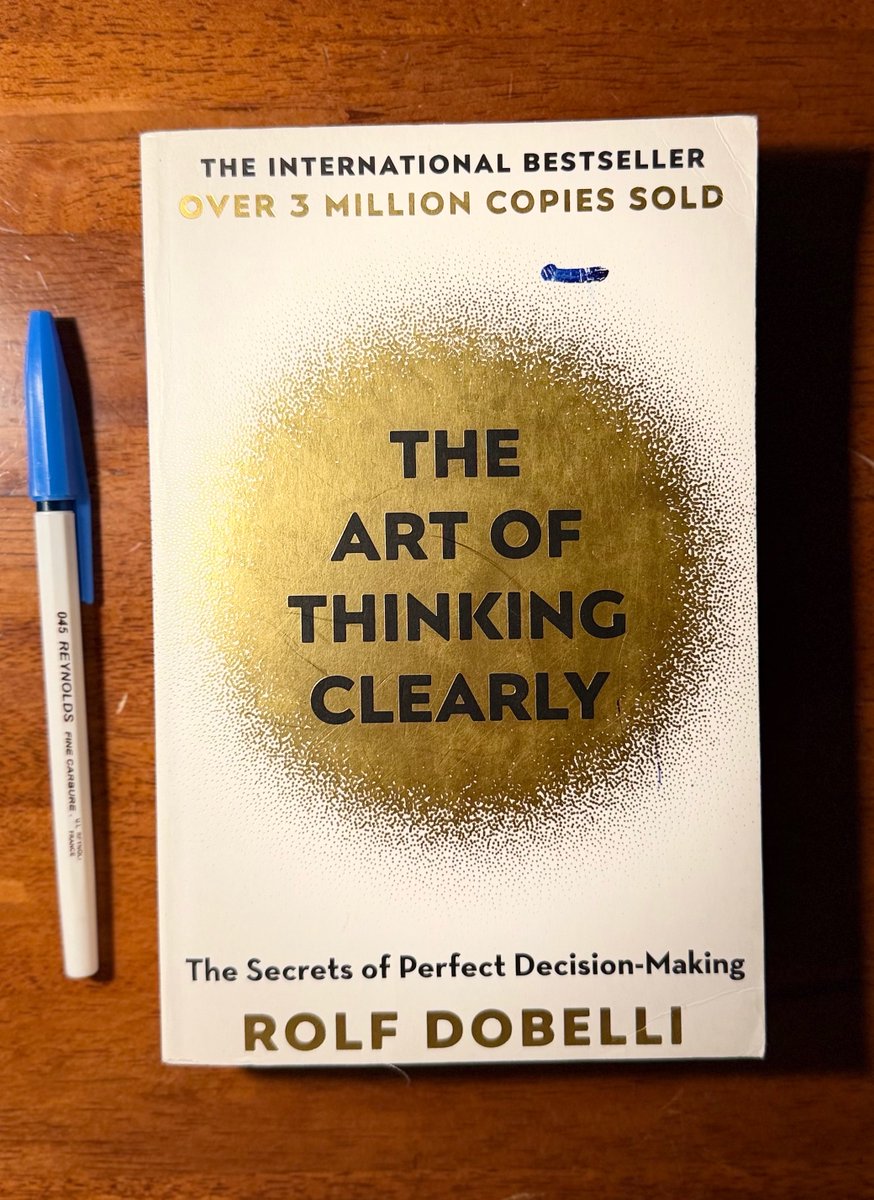
✍️ دوبيللي
📚 فنُّ التفكير الواضح
——————
تأمّل العبارتين الآتيتين:
«مرحباً، سلة المهملات ممتلئة!»
«سيكون رائعاً لو أنك تكرّمت بإفراغ سلة المهملات، يا عزيزي.»
يقول الفرنسيون: «النغمة هي التي تصنع الموسيقى.» ومعنى ذلك أن الأهمية لا تكمن في ما نقوله فحسب، بل في الطريقة التي نقوله بها. فحين تُصاغ الرسالة بأشكال مختلفة، تُستقبل بدورها بطرائق مختلفة. ويُطلق علماء النفس على هذه الظاهرة اسم التأطير.
إننا نتفاعل مع المواقف المتطابقة بطرائق متباينة تبعاً للطريقة التي تُعرض بها علينا. ففي ثمانينيات القرن الماضي أجرى العالمان كانيمان وتفرسكي تجربة شهيرة عرضا فيها على المشاركين خيارين لمواجهة وباء يهدد حياة 600 شخص.
قيل للمشاركين:
الخيار (أ): إنقاذ 200 شخص بصورة مؤكدة.
الخيار (ب): احتمال بنسبة 33% لنجاة جميع الأشخاص الستّمائة، واحتمال بنسبة 66% ألّا ينجو أحد.
ورغم أن النتيجتين متكافئتان إحصائياً (فالمتوقع في الحالتين نجاة 200 شخص)، فإن أغلبية المشاركين اختارت الخيار (أ)، مفضّلةً المكسب المؤكد على الاحتمال غير المضمون.
ثم أعاد الباحثان عرض المسألة نفسها بصياغة مختلفة:
الخيار (أ): سيموت 400 شخص.
الخيار (ب): احتمال بنسبة 33% ألّا يموت أحد، واحتمال بنسبة 66% أن يموت الجميع.
هذه المرة انقلبت النتائج رأساً على عقب؛ إذ فضّل معظم المشاركين الخيار (ب). لقد كانت الوقائع نفسها، لكن مجرد الانتقال من لغة «النجاة» إلى لغة «الموت» غيّر قرارات الناس بصورة جذرية.
مثال آخر: عُرض على مجموعة من الأشخاص نوعان من اللحم، أحدهما وُصف بأنه «خالٍ من الدهون بنسبة 99%»، والآخر بأنه «يحتوي على 1% من الدهون»، ثم سُئلوا أيهما أكثر صحّة. فاختار معظمهم النوع الأول، مع أن الوصفين يشيران إلى المنتج نفسه تماماً.
وعندما خُيّر المشاركون بين «98% خالٍ من الدهون» و«1% دهون»، فضّل معظمهم الخيار الأول أيضاً، على الرغم من أن نسبة الدهون فيه أعلى من الآخر. لقد كان أثر الصياغة أقوى من أثر الأرقام نفسها.
ومن أشهر صور التأطير ما يُعرف بـ التلميع اللغوي (Glossing). ففي هذا الأسلوب تتحول الكلمات السلبية إلى أخرى أكثر قبولاً. فهبوط أسعار الأسهم يصبح «تصحيحاً للسوق»، ودفع مبلغ مبالغ فيه للاستحواذ على شركة يُسمّى «شهرة تجارية» (Goodwill).
وفي عالم الإدارة لا تكاد توجد «مشكلة»؛ فكل مشكلة تصبح «فرصة» أو «تحدياً». والموظف الذي فُصل من عمله لا يُقال إنه فقد وظيفته، بل إنه «يعيد تقييم مساره المهني». والجندي الذي قُتل في معركة قد يُقدَّم بوصفه «بطلاً قومياً»، بغض النظر عن الظروف التي أفضت إلى موته. وحتى بعض أكثر الأفعال بشاعة قد تُغلَّف بألفاظ مخففة تجعلها أقل صدمة للسامعين.
ويظهر التأطير أيضاً في عالم المال. فالنشرات التعريفية الخاصة بالمنتجات الاستثمارية تعرض أداءها التاريخي بطريقة تُبرز أكثر الفترات إشراقاً، فتُظهر منحنيات صاعدة جذابة تغري المستثمرين المحتملين.
بل إن قطعة خبز بسيطة قد تصبح رمزاً دينياً بالغ الأهمية إذا أُحيطت بإطار تفسيري معين. والتاريخ مليء بأمثلة أدت فيها اختلافات في التأويل والتأطير إلى انقسامات دينية كبرى.
وفي التجارة يُستخدم التأطير بفاعلية كبيرة. خذ مثال السيارات المستعملة: فقد يركز البائع على أن السيارة قليلة الاستعمال ومزودة بإطارات جيدة، فتنجذب إلى هاتين الميزتين وتغفل عن فحص المحرك أو المكابح أو حالة المقصورة الداخلية. وهكذا تصبح بعض الخصائص المحدودة هي العدسة التي ترى من خلالها السيارة كلها.
ولو عُرضت السيارة ضمن إطار مختلف يسلط الضوء على جوانب أخرى، فقد تتخذ قراراً مغايراً تماماً.
أما الروائيون فهم من أمهر صانعي الأطر الذهنية. فلو كشف كاتب الرواية البوليسية تفاصيل الجريمة كاملة منذ الصفحة الأولى، لفقدت القصة كثيراً من تشويقها. إن طريقة عرض المعلومات، وتأخير بعضها، وإبراز بعضها الآخر، هي التي تخلق الإثارة والترقب لدى القارئ.
الخلاصة:
ينبغي أن ندرك أن كل رسالة تقريباً تحمل قدراً من التأطير. فالمعلومات لا تصلنا مجردة من طريقة عرضها؛ بل إن صياغتها واختيار كلماتها يؤثران في أحكامنا وقراراتنا. وحتى الأخبار التي نقرؤها في الصحف الموثوقة، أو الآراء التي نسمعها من أصدقاء نثق بهم، لا تخلو من هذا الأثر. فالحقيقة الواحدة قد تبدو مختلفة تماماً تبعاً للإطار الذي تُقدَّم من خلاله.
🚨🎙️⚠️ | خبير التدريب فابيو كابيلو :
"أفضل اللاعبين ؟
هم بيليه ومارادونا وميسي .. الظاهرة رونالدو يليه مباشرة ... كريستيانو لاعب جيد، لكن ليس بهذا المستوى." 🥶👀