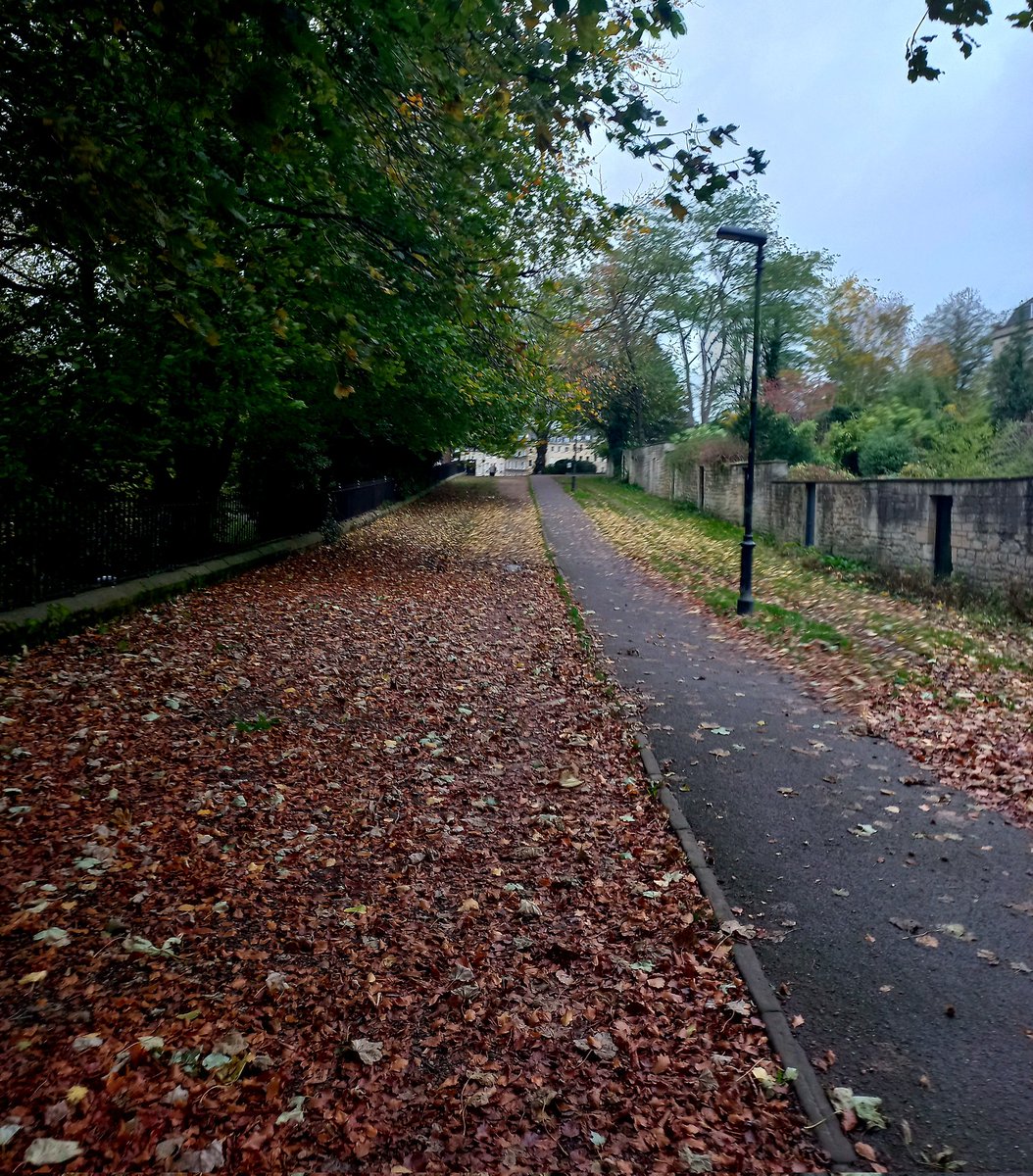
Seasons change as do people.
Love fades and becomes a memory.
Some dreams die their own death,
while some are carried away by the winds and scattered over the graveyard of life.
Azlal🍁
So after being absent from social media for some time.
I have came back with a news.
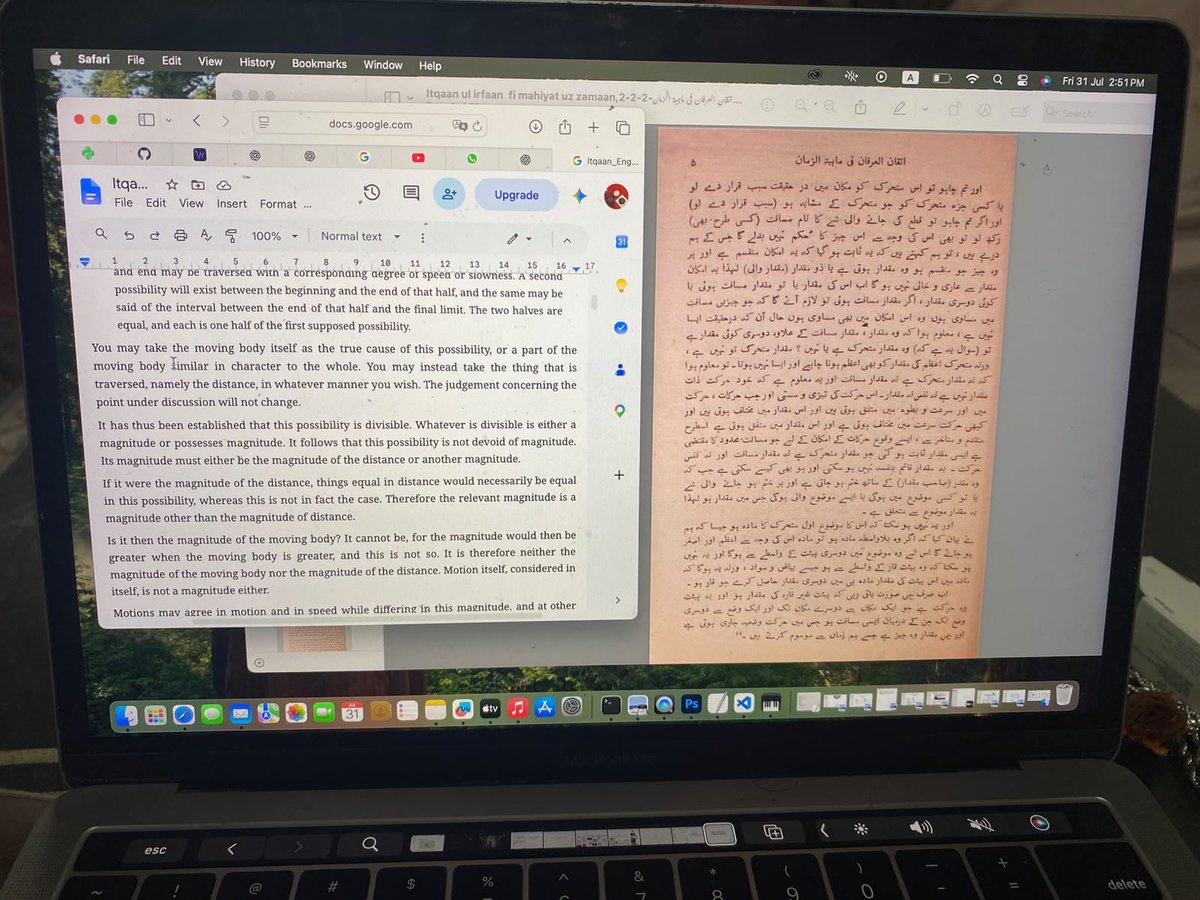
I have Alhamdulillah translated Itqan Al Irfan fi Mahiyah al Zaman bu Syed Barkat.
The books will be published soon Insha'Allah.
We are thrilled to announce our website, 𝘖𝘤𝘦𝘢𝘯𝘪𝘤 𝘍𝘪𝘤𝘵𝘪𝘰𝘯𝘴, which offers the first-of-its-kind, multilingual, open-access online database of oceanic fictions.
We encourage scholars and researchers to contribute to this evolving project:
https://t.co/7TtvplqftB
Ahmad Javaid has written a great article on the postmodernist ("maabaa'd jadiidiat") epistemology in Urdu (English translation link below), mentions not only Foucault, Derrida, etc but also covers every major figure, from Descartes to Heidegger :
https://t.co/ccFew6VZ7U
I find Gadamer's reading of the Phaedo very illuminating. The conversation is between Socrates and two Pythagoreans, Simmias and Cebes. They are both representatives of the new scientific enlightenment which had taken place in Athens.
1/8
Come September - Arundhuti Roy (2002). The story of the great imperial American business of "LIBERATING the world and women" and the grief of an occupied land, she spoke of 24 years ago. Use 🎧Watch🎥Share.
I love that an imperial war is the time when liberals want more nuance and depth. That is exactly why they should not be trusted with anything serious. Nobody here denied the aspirations and the very legitimate concerns of the Iranian women but somehow they want us to rip Iran apart at this time. What’s the primary fight right now? They can’t answer because they’re v nuanced.
Its very rare for a political leader's death to ignite the kind of outpouring of grief, mourning, condemnation and rage that Ali Khameinei's martyrdom has provoked. This tribute is from Pakistan. May his sacrifice give us more strength in the fight against empire.
There should be a mass programme on translating Ahmad Javaid lectures and works into English. Amongst the most brilliant minds from Pakistan but sadly neglected by his fellow countryman.
When I received an email from a young person saying she "wants to be a writer" but wonders "if it's worth it in the world today," I thought for a long time and wrote her this message:
Dear Abigail,
You ask me, in your lovely note, if I have any advice for writers, especially young writers. I don't know what advice I can give you, because every day one tries to write is a chance to be more deeply humbled before the mystery, by the things one cannot do. Maybe that's how it's supposed to be; if we're not trying something impossible, are we really living at all?
But I love you for wanting to be an artist in this world, so I will tell you this:
I only know the life of a writer is a life of wild passion and quiet devotion; it's every day searching for truth, challenging that truth, starting over again; it's finally learning how to write in one way and then knowing you have to abandon it precisely because you know how to do it; it's moving into the unknown, always, taking risks that look from the outside like nothing but that inside the secret heart are matters of life and death, life and death.
That's what it is, I think. It's listening to the dead speak, knowing when to hear them, when not to; it's hearing your neighbors' voices and knowing they have worlds in them, worlds; it's listening and listening and listening; it's finding a great question that can carry you all your life, because you have to ask it with your life, Abigail, you have to.
It's making mistake after mistake after mistake, and it's being willing to say what you have to say even when no one is listening, absolutely no one, because if you say it clearly and humbly and truly enough, even if it takes you all your life, they will.
The world is not over, only broken—that is a writer's hope. Because writing is witnessing, whether what's witnessed is a blossom or a great crime; writing is turning powerlessness into power; it's tenderness and empathy and the ache of them; it's the radical compassion of becoming everyone you pass on the street, everyone who lives and suffers and dies; it's losing your mind at times because you've forgotten who you are, and it's finding your soul because you remember...
...and it's passion, Abigail; it's not apologizing for your passion, because to live without passion is to make the body a cathedral without music; and it's loving; above all it's loving the broken world so hard it hurts, it just hurts, and trying, always trying—to love, to speak, to open, to rid yourself enough of your old ghosts that at least the voice of their going may be your own.
The life of a writer is a life of learning to listen more deeply—to the self, to the other, to the world. And that is precisely what we need in our world today: more listeners. As I once wrote to a student who was feeling the powerlessness of her words, "Let your words be the witnessing, the listening. Poetry can hear the world for what it is, and for what it could be. Wars are made by those who hear no birds."
I believe in you, Abigail, because you've started. And that's the hardest thing of all.
I wish you joy and luck and the right kinds of struggles on the way. Hope, but don't turn from the shadows. Suffer, but don't love suffering. And love the work, the miraculous task. Because to fail at this is better than to succeed at most things this world pretends to love.
And because in a world of destroyers we need every creator we can get.
With love,
Joseph Fasano
Borges at eighty:
“I think that one should never use words like ‘the best’ or ‘the first,’ since those words carry no conviction and only lead to arguments. Beauty is not something rare. […] For example, I know nothing whatever about Hungarian poetry, and yet I am sure that [+]
One does not have to agree with all aspects of Sharjeel's essay here to recognize his incredible brilliance, courage, and tenacity, and the challenge he poses to Hindu nationalism and different varieties of liberal secular fundamentalism.
https://t.co/P65BEB9mcu
Dr. Peter Adamson (@HistPhilosophy) on why Philosophy did *not* end in the Islamic world with Ibn Rushd. Rather, the academic consensus is the opposite, there's a vast amount of philosophy after the 11th/12th century.