The Sacred Cow in Uniform: How the IPS Lobby Perfectly Sabotages Law Enforcement
India’s law enforcement machinery is often described as overburdened, understaffed, and deeply politicized. But there is another dimension - rarely spoken aloud, always understood - that quietly undercuts policing from within: the entrenched IPS lobby. This elite universe operates with a strange, almost divine logic, managing to exert absolute authority while taking minimal responsibility. And it does so with a kind of elegant chaos that would almost be admirable if it weren't so dangerously counterproductive.
A System Designed for Power, Not Policing
The structure of Indian policing resembles a feudal kingdom more than a modern institution. At the top sits the IPS leadership, a cadre that enjoys disproportionate influence over all aspects of policing - recruitments, postings, promotions, procurements, intelligence, and, of course, the indispensable PR machinery.
Crime control, community policing, modernization, and scientific investigation often remain secondary pursuits, discussed sincerely only in conferences and seminars. The real currency lies elsewhere - political proximity, bureaucratic hierarchy, accumulation of (disproportionate)assets (plus management), pilferage of official resources, and internal lobbying.
The brilliance of the system lies in its inherent asymmetry:
'If crime rises, the constabulary failed.
If crime drops, the leadership succeeded.'
A flawlessly rigged accountability loop.
Command Without Competence
One of the system’s most ironic features is its deep-seated belief in generalism.
A single examination taken at age 22 apparently qualifies an officer - forever - to lead everything from cybercrime units to anti-Maoist operations to forensic modernization. Meanwhile, state police officers (as well as CAPF Officers) with 20-30 years of field experience are relegated to logistical roles, their practical expertise politely ignored in favour of “command posts” reserved for IPS officers.
The result is a leadership structure heavy on authority yet thin on real-world policing experience.
Innovation flows upward only as far as tradition allows, and tradition insists on hierarchy, not expertise.
The Art of Avoiding Reform
Police reform has been discussed for decades. Committees have recommended sweeping changes; courts have issued landmark verdicts; experts have written reports thicker than case diaries. Yet almost nothing changes.
Why? Because policing reforms require two things:
Political will to relinquish control, and
Senior police leadership willing to accept accountability.
Both are inconvenient. Far more convenient is the current arrangement:
Politicians enjoy pliability, and the IPS lobby enjoys prestige.
The cost of this comfort? An entire nation’s law enforcement capability.
Ground Reality: The Machinery That Barely Moves
Scratch beneath the shining brass and neatly pressed uniforms, and the picture is bleak:
Constables work 14–16 hour shifts with little rest.
70–90% of police time in cities goes to VIP security and protocol.
Forensic and investigative capabilities remain primitive.
Training is outdated.
Community policing models are neglected.
Political interference is rampant.
Conviction rates speak for themselves.
Yet the leadership continues to deliver keynote addresses on “Transformative Policing in the 21st Century,” armed with immaculate PowerPoints and lofty jargon.
Transformation, apparently, is a slide deck.
The Cult of the Lobby
The IPS lobby has mastered the art of survival. It protects its own with remarkable consistency. Even the most controversial postings, the largest law-and-order failures, or the most glaring administrative collapses seldom lead to real accountability. Transfers and reshuffles act as a cleansing ritual.
A failure in Place A becomes a posting in Place B.
A scandal in one ministry becomes a deputation in another.
And before long, medals and commendations resume with predictable regularity.
If medals fought crime, India would be among the safest nations in the world.
The Cost to the Citizen
What does this bureaucratic theatre mean for the average Indian?
It means:
Slower investigations
Poorer policing
Lower public trust
Politicized action
Safety that depends on luck more than law
The structure prioritizes hierarchy over skill, symbolism over substance, and ceremony over competence. Citizens become mere spectators in a system designed to serve itself.
Final Thoughts
The IPS lobby, with its entrenched influence and self-preserving instincts, has effectively turned policing into administrative theatre. The facade remains polished, the ranks remain rigid, and the medals remain shining - but the institution beneath is suffocating.
If India is serious about becoming a safer, modern nation, it must confront the uncomfortable truth: No reform will succeed unless this structural chokehold is loosened.
Until then, crime will continue to evolve, citizens will continue to struggle, and policing will continue to march in place - left, right, left - while the IPS lobby enjoys the applause.
#JaiHind
(The views expressed above are the author's own as a former BSF officer who commanded operational units, expertise in Border Management, CI/CT/LWE Ops & crafted intelligence.)
For the longest time, the present Union government has shown an unprecedented fondness for acronyms while naming public schemes.
Some of them awkward and a few others unintentionally comic.
PAHAL, SAMADHAN, SWACHH, UJALA, SAUBHAGYA are tortured backronyms where policy implementation has been secondary to linguistic gymnastics.
I often wonder what would happen if governance outcomes were assessed with the same enthusiasm as acronym design.
Now that the government officers have started to run out of acronyms we seem to have entered a new phase.
A recent Bill proposes the creation of an apex body called Viksit Bharat Shiksha Adhishthan, supported by three councils:
1. Viksit Bharat Shiksha Viniyaman Parishad
2. Viksit Bharat Shiksha Gunvatta Parishad
3. Viksit Bharat Shiksha Manak Parishad
Even the most fluent Hindi speakers would pause mid-sentence trying to pronounce these names. For non-Hindi speakers it is alienating to say the least.
I therefore want to raise a basic governance question: what is the point of making institutional language so inaccessible?
Laws, regulators and public bodies exist to serve citizens not to test their linguistic skills. More worrying is the increasing comfort with heavily Sanskritised Hindi as the default language of the State.
Would we be equally comfortable if a future government led by a Tamil, Kannadiga, Malayali, or someone from the North-East introduced central laws titled primarily in Tamil, Kannada or Malayalam?
Or do we assume that power will always speak one language in India?
The constitutional imagination of India was shaped by leaders such as V.O. Chidambaram Pillai, Sarojini Naidu, C. Rajagopalachari, P. Subbarayan, and Gopinath Bordoloi and many others who were not Hindi speakers and yet never envisaged an India where national identity would be shaped through the dominance of a single language. India’s strength lies in its diversity of languages and cultures.
Administrative simplicity and democratic accessibility are not mere words to be written in books but they are foundational to the idea of India as a Union of States. Governance should make things easier not complicate. It should unify and not divide.
And most importantly respect diversity not quietly erode it in the name of symbolism or political goals.
India’s beauty lies precisely in the fact that it speaks in many tongues. That is something worth preserving not giving away callously
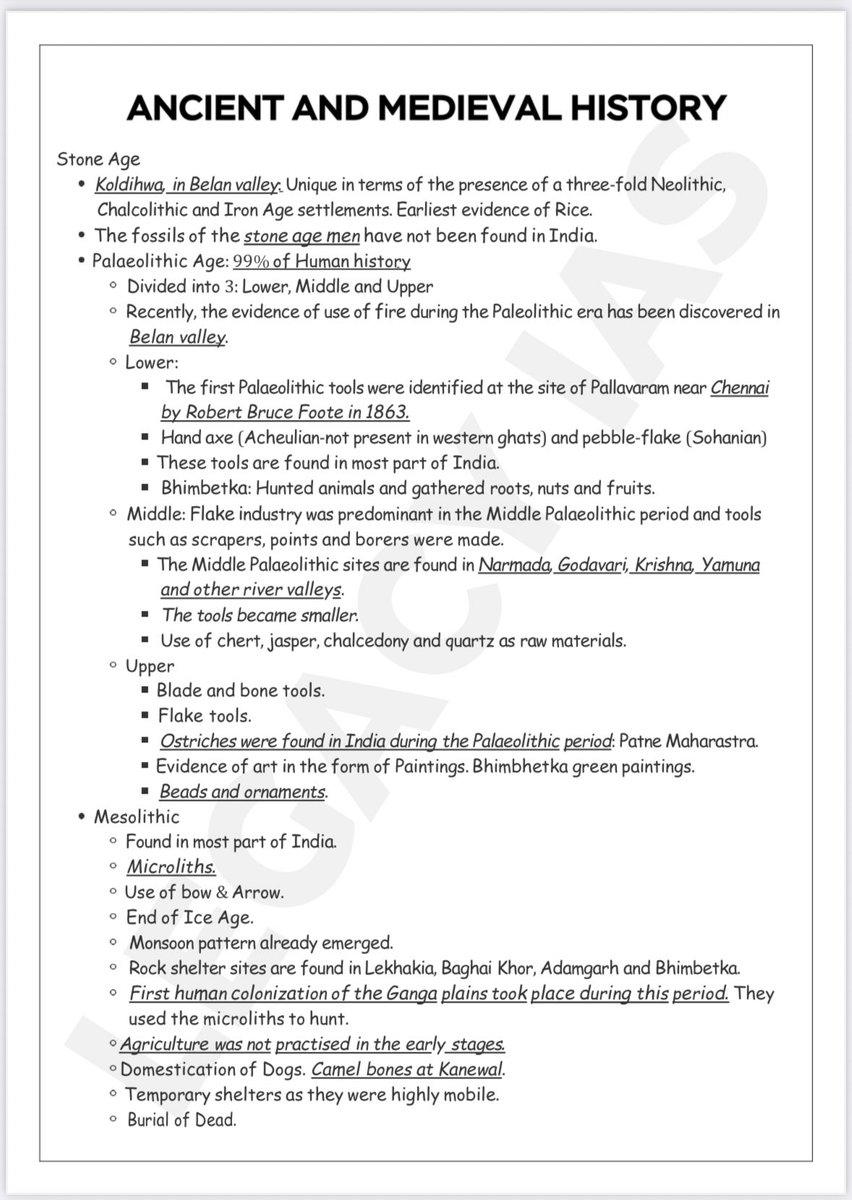
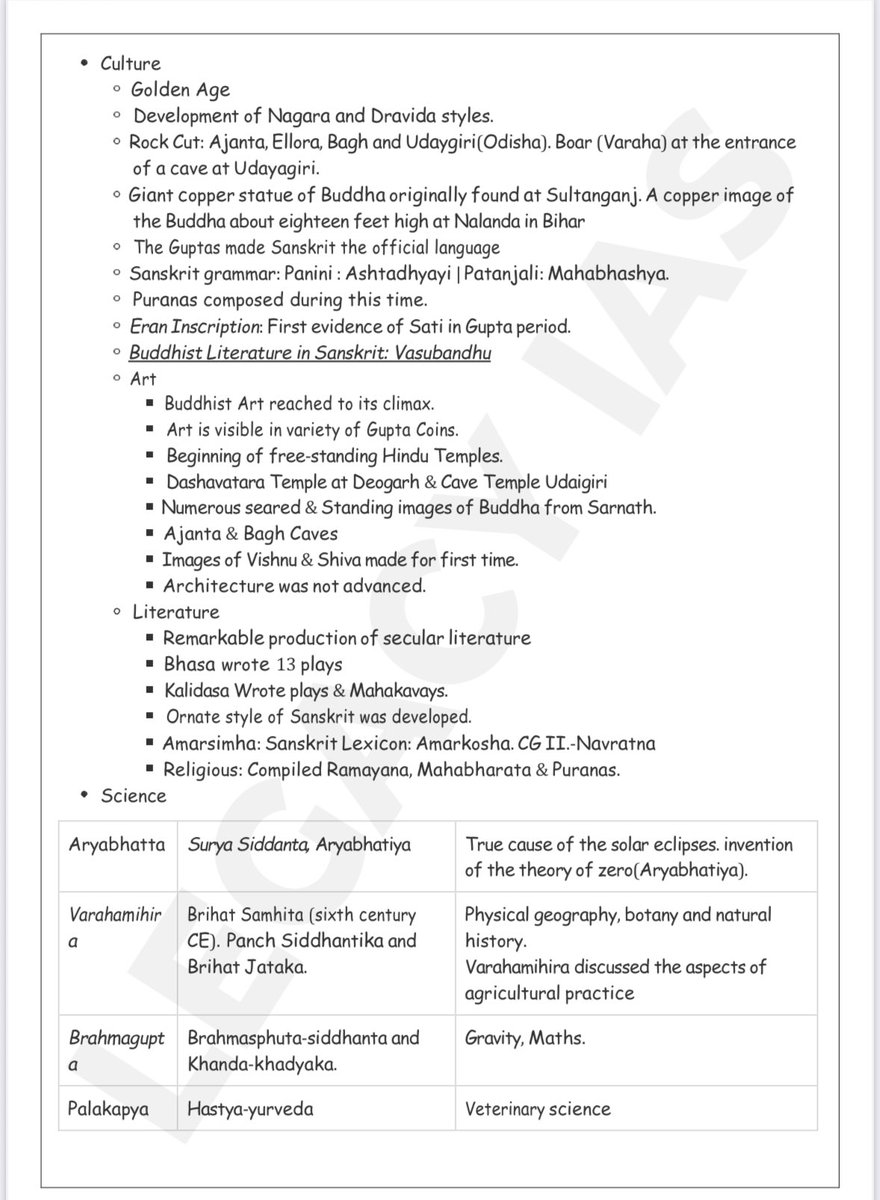
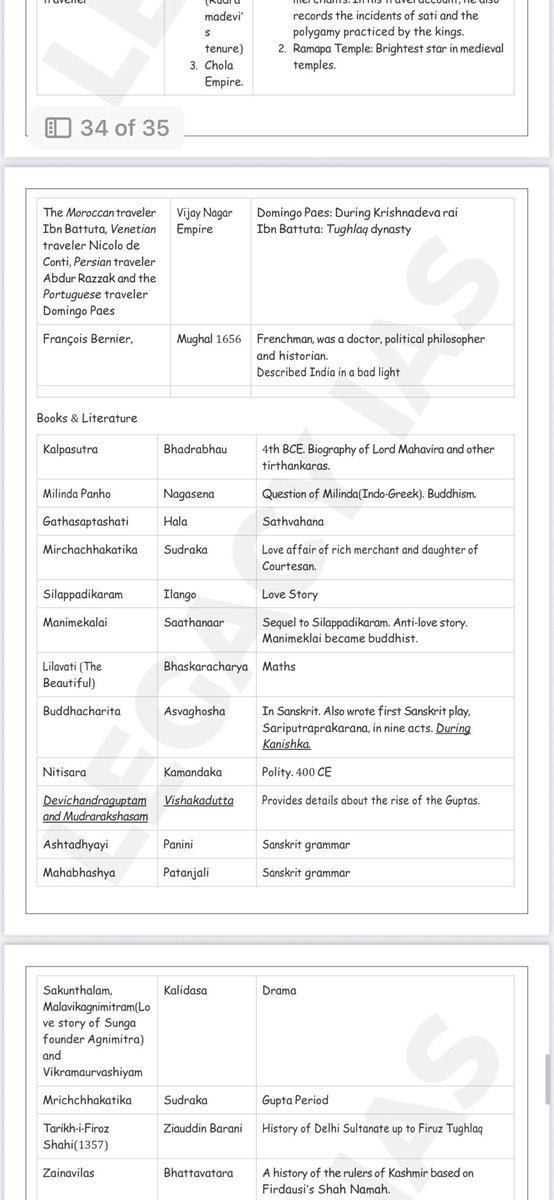
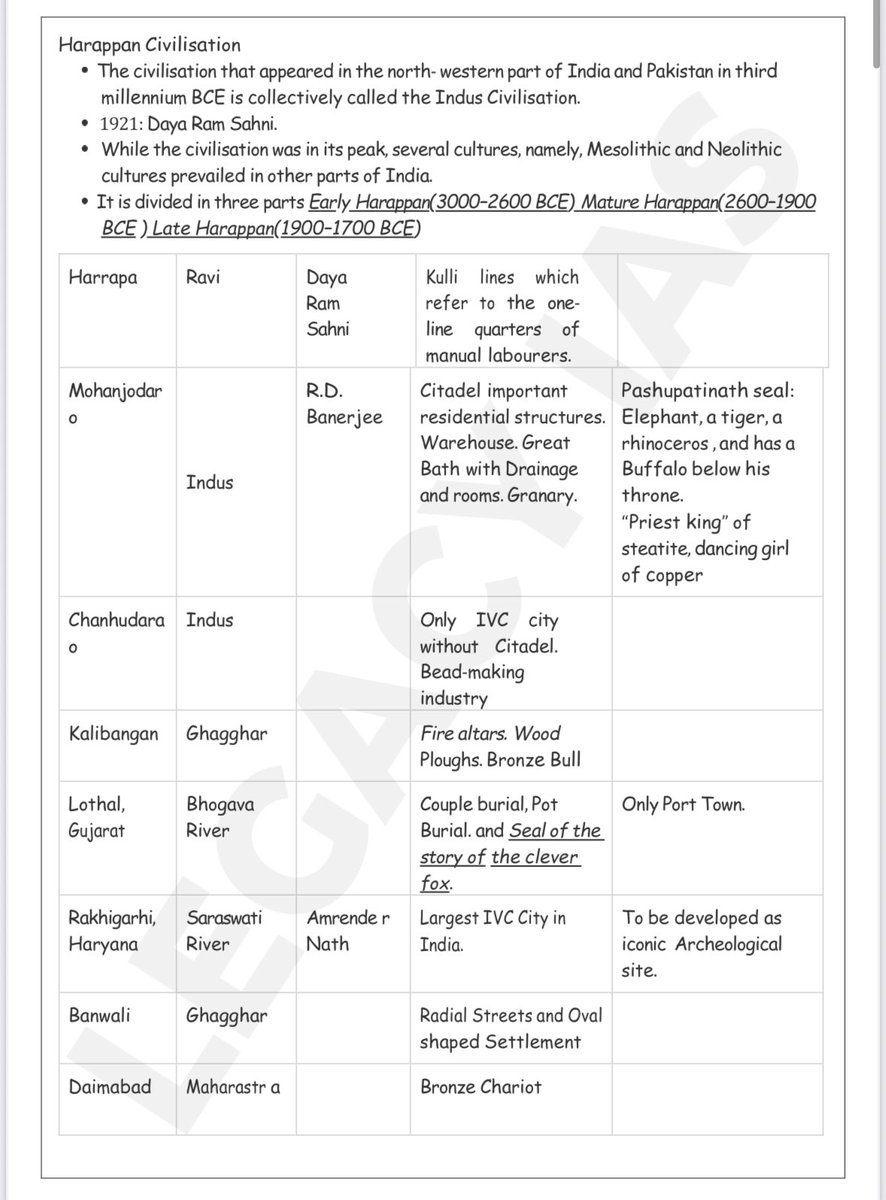
Ancient and Medieval History is one of the most overlooked sections by UPSC aspirants — yet UPSC repeatedly asks questions from this portion in both Prelims and Mains.
To make your preparation easier, we’ve compiled all the most important, exam-worthy points into one consolidated document.
Want this document?
Just follow these steps:
✅ Comment “History”
🔁 Repost this post
👥 Make sure you’re following us
@Rajmalhotrachd I want books for Ancient and Medieval History, also for Environment. I'm a struggling student, take tuitions and manage my college together. This would immensely help me with my studies.
Targeting Prelims 2027.
@Anubhav1@Sarthakgarg@vishal6
Major Giveaway of 150 books for free 🚨🚨🚨
Don’t miss this chance , just
1. Comment the book which you want.
2 Tag three friends preparing for upsc and mention year of UPSC pre you are targeting.
Don’t forget to retweet the post.
#UPSCPreparation
@DuttShekhar Sir I took economics optional as I was a graduate in economics and liked the subject but my peers in ORN immediately said negative things about the subject. They've taken sociology and say it's comparatively easier and scoring which has put me in a dilemma. What's your pov sir?
What you do in private, shows in public. Reading shows in a conversation. Your diet shows in energy. Your discipline shows in confidence. Your focus shows in your results. You are what you cultivate when no one is watching. Prioritize your time & focus on discipline/consistency.
I cleared the MP State Judicial Services (Civil Judge) exam in the first attempt. The most important factor that played a role in my success was Fearless Attitude.
I was ready to accept failures. This gave me a lot of mental strength and peace.
the fastest way to kill motivation is to make your identity depend on the outcome. it’s called ego involvement. when failing becomes failing as a person, your brain starts avoiding the whole thing. not because you don’t care, but because you care too much.
जब देश म���ं गोरे अंग्रेजों का शासन था तब रांची शहर में बरसते पानी में कलेक्टर का काफिला गुजर जाने का जनता को इंतजार करना पड़ता था ,
फिर हमें आजादी मिल गई और भूरे अंग्रेजों के शासन में सब ��ीक हो गया ।❣️