> Peter Stokes
> Scattered Spider guy
> Arrested
> Microsoft helps FBI
> Read court documents
> Page 12
> Microsoft tracks Stokes from GDID
> Microsoft Global Device Identifier (GDID)
> Stokes used Windows
> Page 34
> GDID assigned to each OS install
> GDID unique to each device
> GDID only change if OS wiped
> Stokes GDID 6755467234350028
> GDID reported internet activity to Microsoft
> GDID showed Stokes using Ngrok
> GDID reported Stokes IP address
> GDID showed Stokes web activity
> GDID showed timestamps of web activity
> GDID mapped with video game activity
> GDID showed games played
> GDID undocumented
> GDID only mentioned in one MSDN document
> Azure UCDOStatus
> Azure Monitor Logging
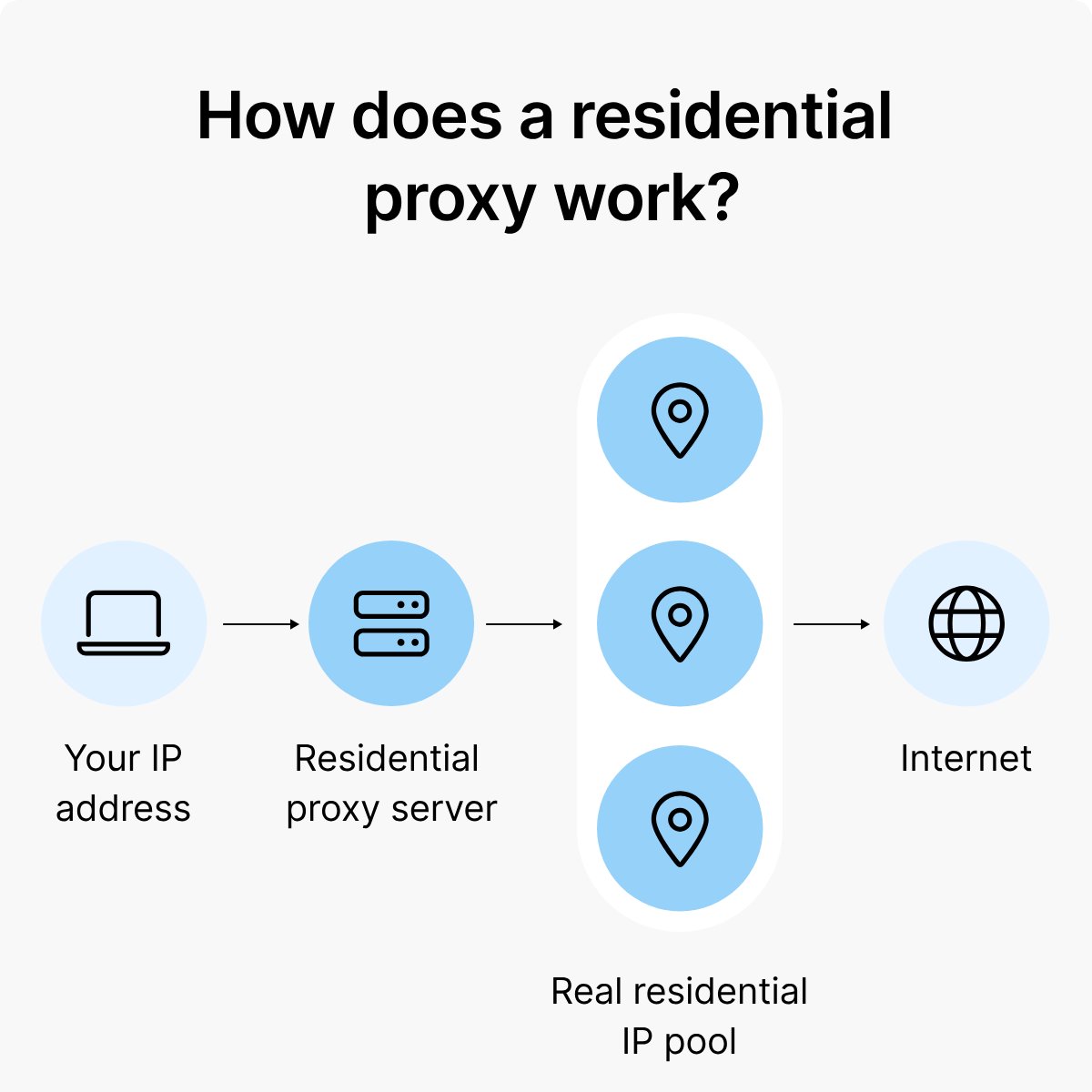
❗️ BREAKING: Over 2 million hijacked consumer devices, including smart TVs and streaming boxes, were quietly acting as residential proxy exit nodes. All of them, per Google, were part of the NetNut residential proxy network.
Google, working with the FBI and Lumen, has moved to dismantle the NetNut network. In a single week, Google tracked 316 distinct threat clusters, including espionage groups, routing attacks and password sprays through suspected NetNut exit nodes.
Update 5:05 PT: The attack has now expanded well beyond @TanStack and @Mistral.
373 malicious package-version entries across 169 npm package names, including @uipath, @squawk, @tallyui, @beproduct, and more.
The malware propagates by stealing your CI credentials and using them to publish new compromised versions.
Full IOCs, affected package list, and detection steps: https://t.co/jWG9DUCu3x
Microsoft is investigating mistralai PyPI package v2.4.6 compromise. Attackers injected code in mistralai/client/__init__.py that executes on import, downloads hxxps://83[.]142[.]209[.]194/transformers.pyz to /tmp/transformers.pyz, and launches a second-stage payload on Linux. The file name transformers.pyz appears deliberately chosen to mimic the widely used Hugging Face Transformers library and blend into ML/dev environments.
The main payload is a credential stealer, but it also includes country-aware logic; it avoids Russian-language environments and contains a geo fenced destructive branch that has 1-in-6 chance of executing rm -rf / when the system appears to be in Israel or Iran.
To mitigate this threat: isolate affected Linux hosts, block 83[.]142[.]209[.]194, hunt for /tmp/transformers.pyz, pgmonitor[.]py, and pgsql-monitor.service, and rotate exposed credentials.
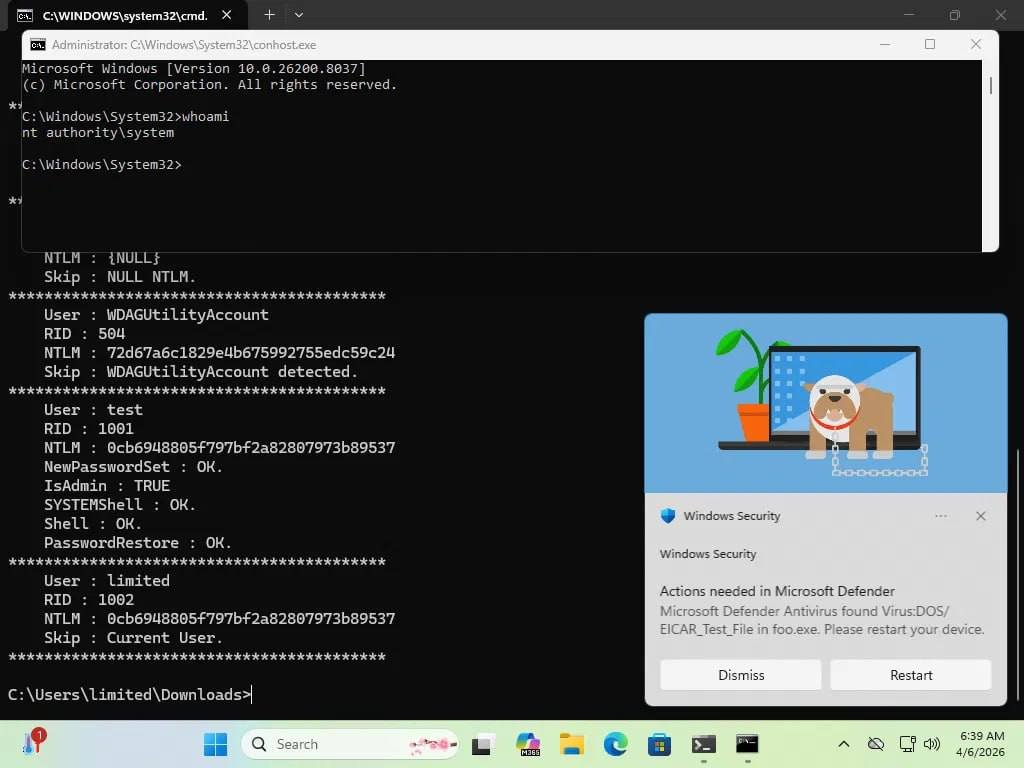
‼️Copy Fail (CVE-2026-31431) is a Linux privilege escalation bug that lets any local user get root using a 732-byte Python script, and itworks on basically every major Linux distro shipped since 2017.
Website: https://t.co/f5G6KnEv35
Write-up: https://t.co/W86Pz2PC6C
GitHub: https://t.co/zAMTC6nTRk
It's a logic flaw in the kernel's crypto code (authencesn via AF_ALG and splice()) that allows a small write into the page cache, which can be used to tamper with a setuid binary like /usr/bin/su.
Think how bad this is going to be for shared environments like Kubernetes, CI runners, and cloud sandboxes, where it enables container escape and tenant-to-host compromise.
Found by Theori's Xint Code scanner, patched in the mainline kernel, and publicly disclosed on April 29, 2026; if you can't patch right away, the recommended workaround is to disable the algif_aead module.
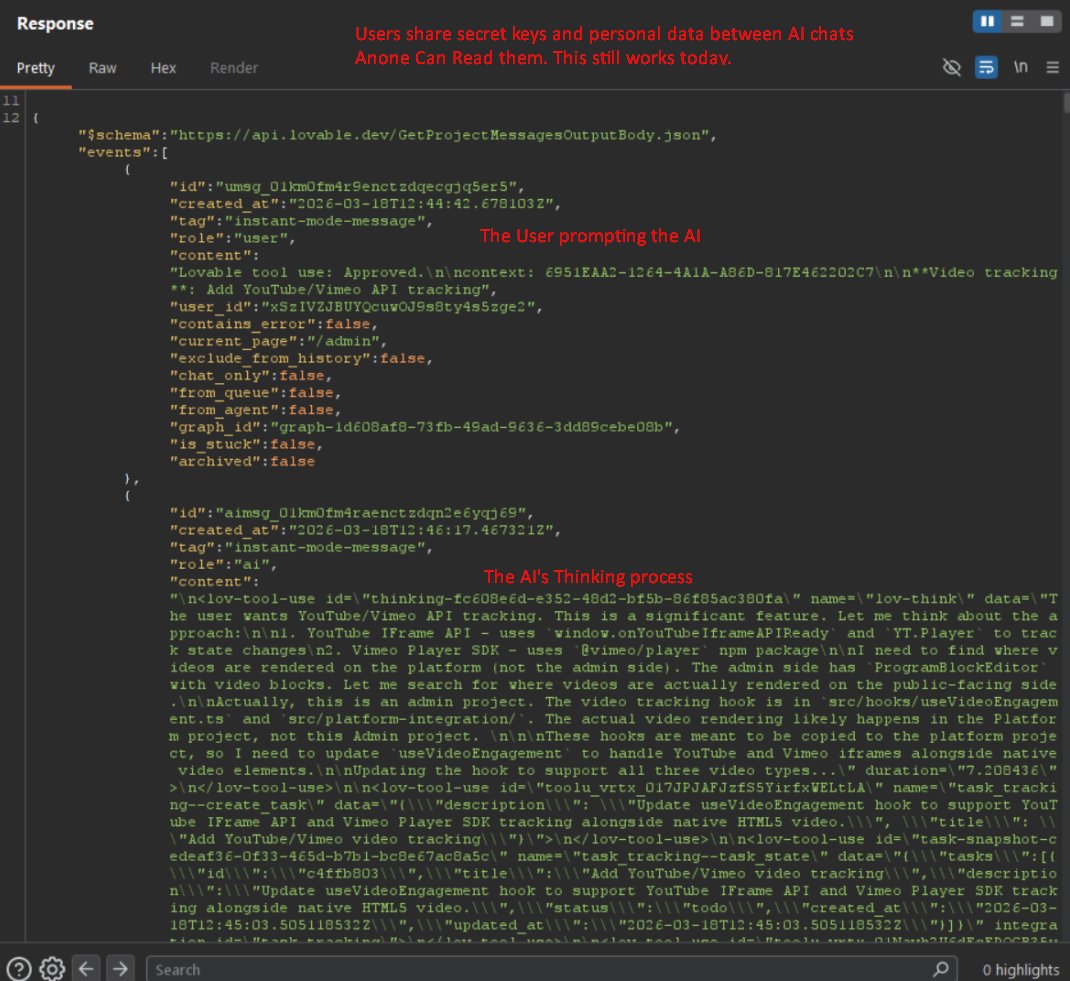
Lovable has a mass data breach affecting every project created before november 2025.
I made a lovable account today and was able to access another users source code, database credentials, AI chat histories, and customer data are all readable by any free account.
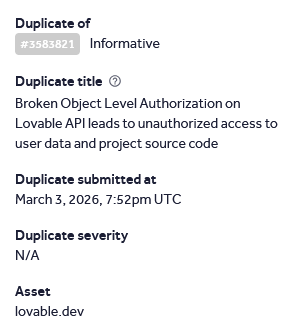
nvidia, microsoft, uber, and spotify employees all have accounts. the bug was reported 48 days ago. its not fixed. They marked it as duplicate and left it open.
I warned back in December 2023 (!!!) that push notifications were a major opsec hazard being exploited by US intelligence to break encryption, and now here were are:
https://t.co/8yZWy6tv53
i'm not satoshi, but I was early in laser focus on the positive societal implications of cryptography, online privacy and electronic cash, hence my ~1992 onwards active interest in applied research on ecash, privacy tech on cypherpunks list which led to hashcash and other ideas.














![MsftSecIntel's tweet photo. Microsoft is investigating mistralai PyPI package v2.4.6 compromise. Attackers injected code in mistralai/client/__init__.py that executes on import, downloads hxxps://83[.]142[.]209[.]194/transformers.pyz to /tmp/transformers.pyz, and launches a second-stage payload on Linux. The file name transformers.pyz appears deliberately chosen to mimic the widely used Hugging Face Transformers library and blend into ML/dev environments.
The main payload is a credential stealer, but it also includes country-aware logic; it avoids Russian-language environments and contains a geo fenced destructive branch that has 1-in-6 chance of executing rm -rf / when the system appears to be in Israel or Iran.
To mitigate this threat: isolate affected Linux hosts, block 83[.]142[.]209[.]194, hunt for /tmp/transformers.pyz, pgmonitor[.]py, and pgsql-monitor.service, and rotate exposed credentials.](https://pbs.twimg.com/media/HIFr1UIXsAAeU_g.png)