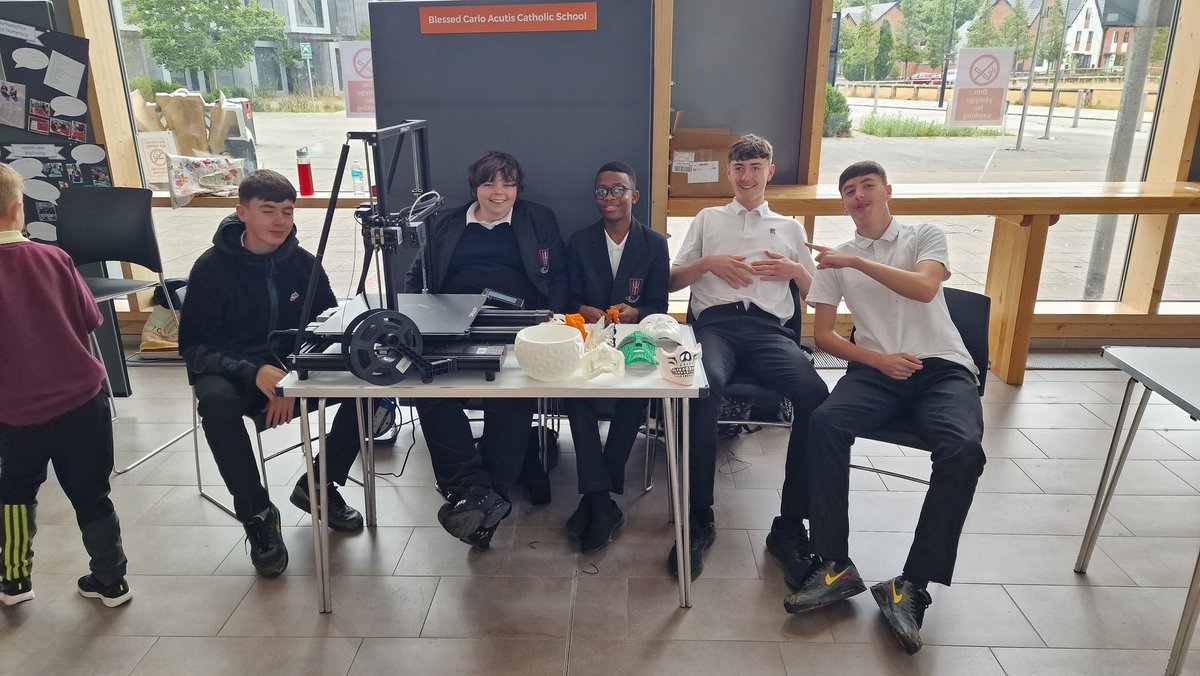
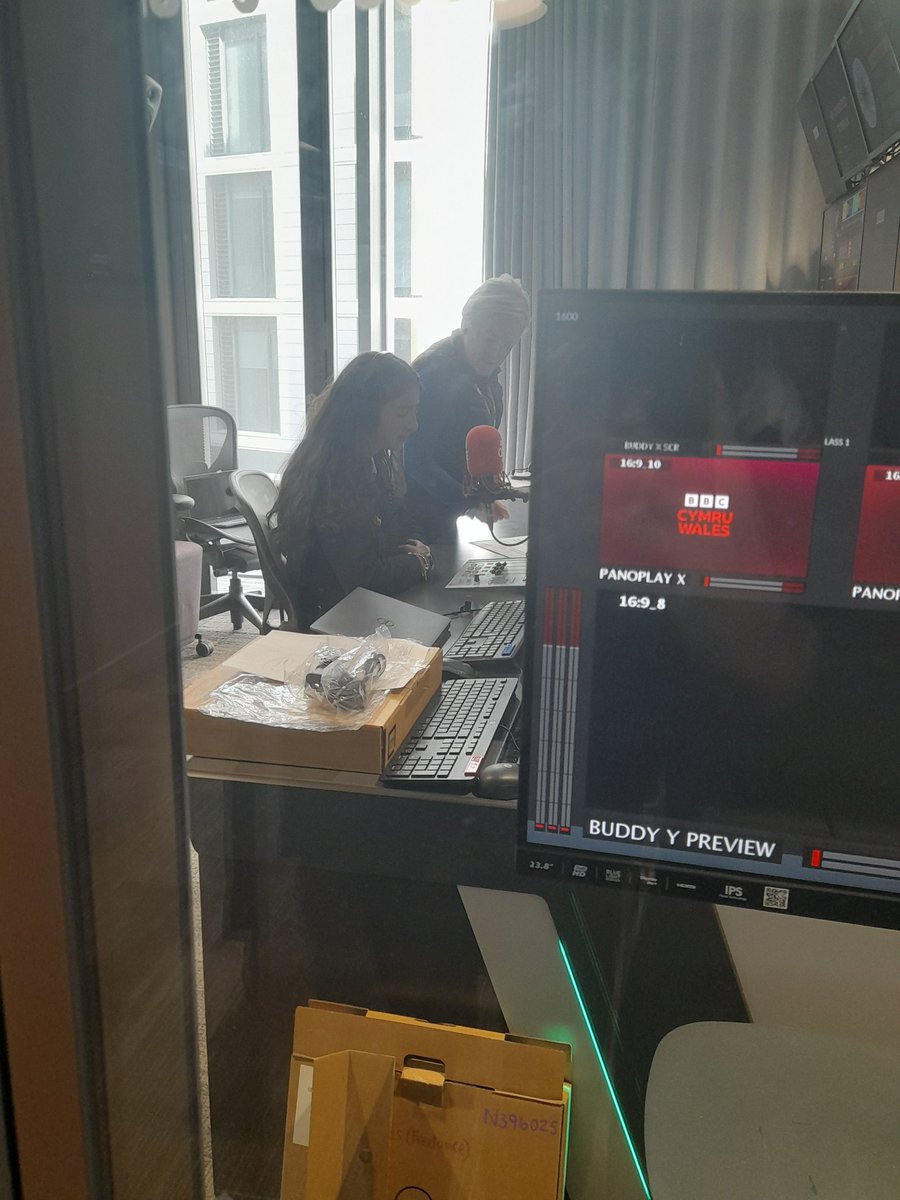
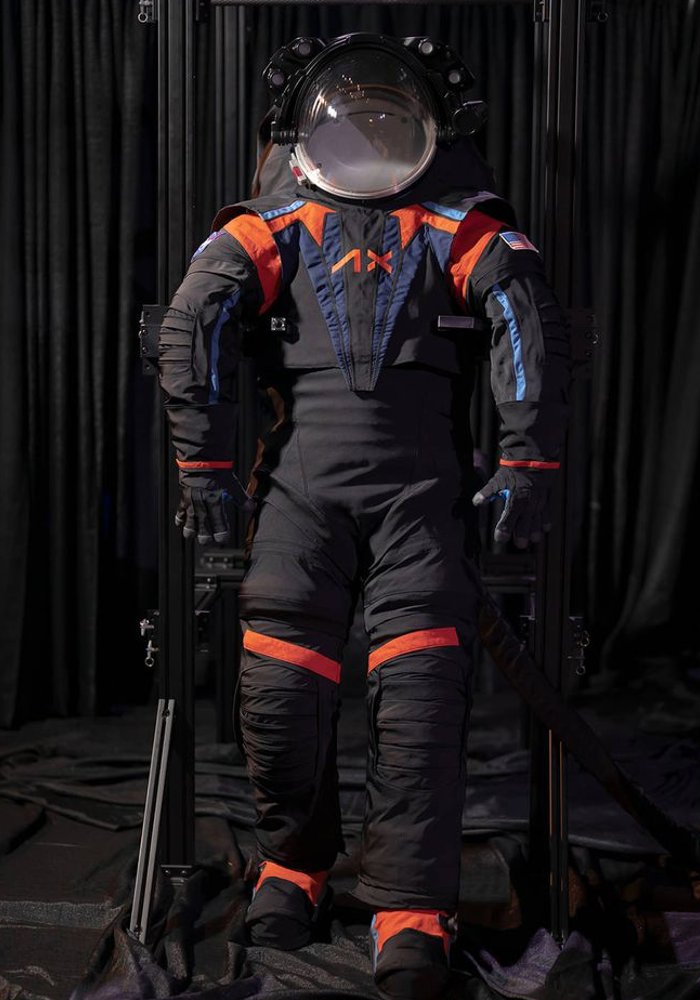
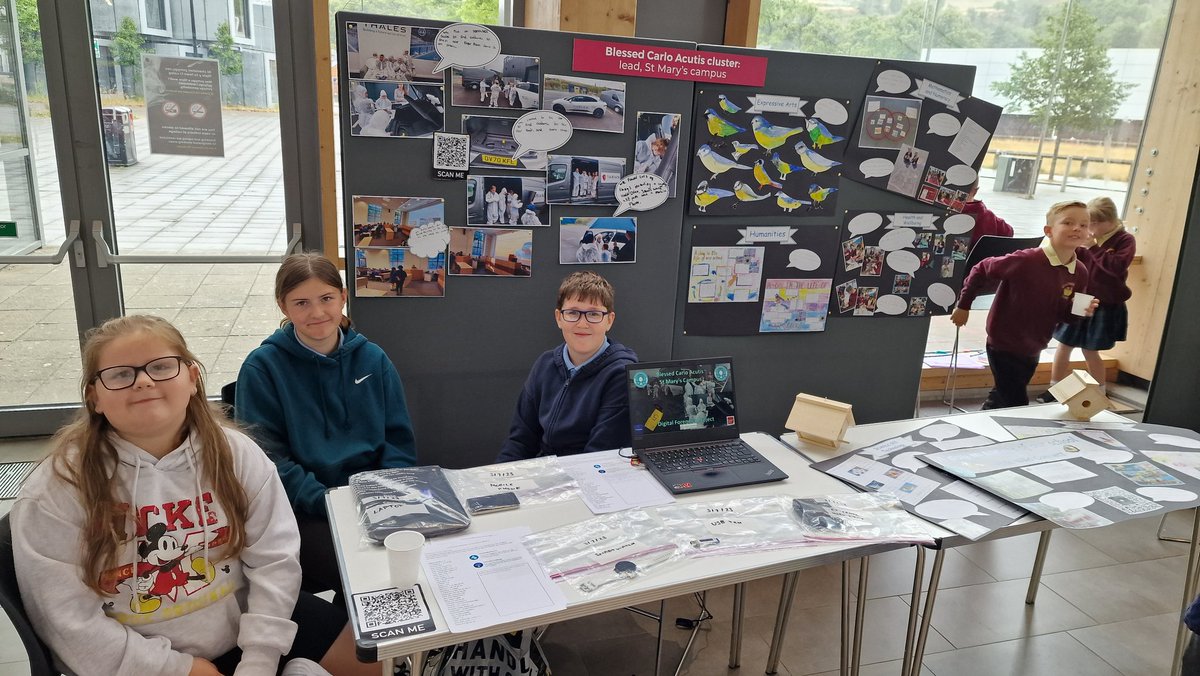
Our year 9, 10 & 11 students had the pleasure of a guided tour & activities organised by @EESWSTEMCymru@BBCWales@BBCSounds@BBCRadioWales Diolch yn fawr iawn to all the specialists that gave up their time to talk with and inspire these next generations #bcacs#bhhs#cymru#STEM
Are you an engineer looking for an opportunity to carry out collaborative research with an industry partner? Our Industrial Fellowships scheme provides support for part/full-time projects ranging from six months to two years. Apply now: https://t.co/TlWm0V36sj #RAEngResearch
BCA Bishop Hedley Campus: All learners are expected to be in normal school uniform tomorrow. No PE kits.
Normal sanctions will apply if learners are not in school uniform.
Thank you for your support.
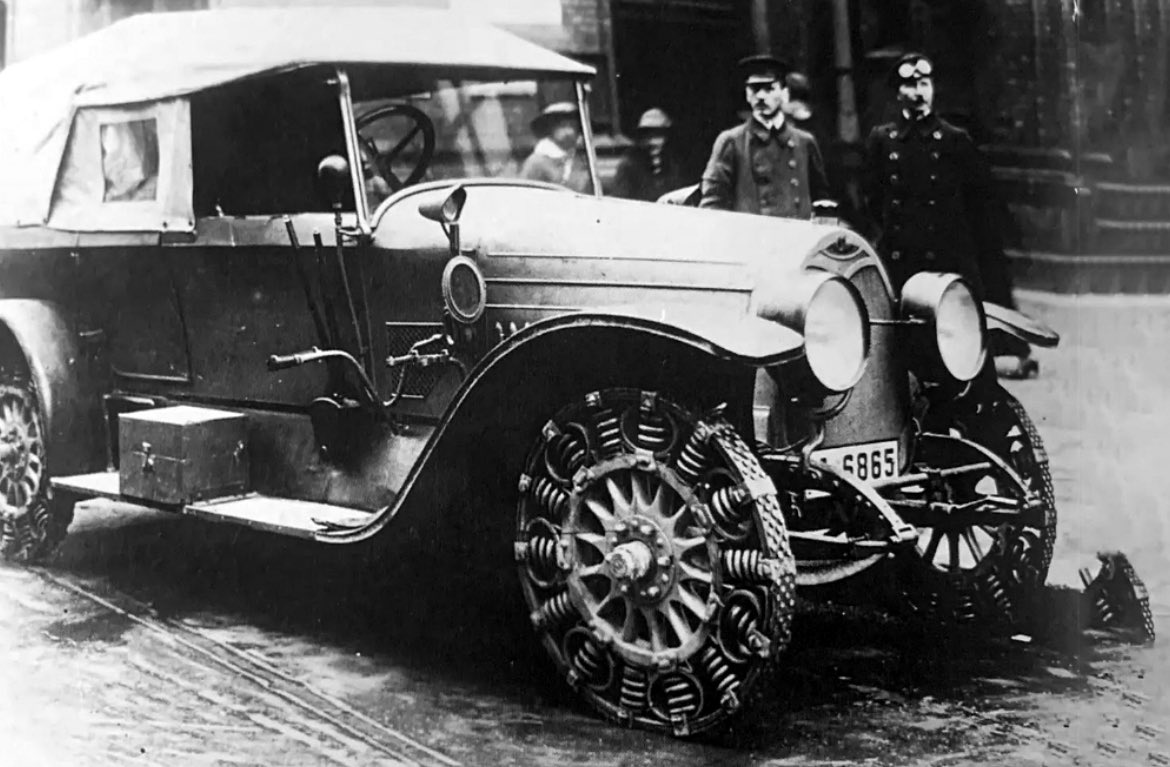
In the early 1900s, the shortage of rubber and the challenges associated with filling tires with air during the First World War led to a significant need for alternative solutions. In response to this problem, German engineers devised a groundbreaking invention in 1916—a steel spring tire.
The tire was specifically designed by the Germans to address the scarcity of rubber and the unreliable nature of traditional rubber tires. Their goal was to create a tire that not only offered a viable alternative to rubber but also provided enhanced reliability, particularly for military vehicles that required robust and durable tire solutions.
The innovative steel spring tire was first implemented on a Protos vehicle, showcasing its potential for military applications. The tire design incorporated a series of steel springs arranged in a circular pattern, which replaced the conventional rubber construction. These springs were strategically placed to provide both support and flexibility, allowing the tire to withstand the rigorous demands of military operations while offering improved traction on various terrains.
One of the key advantages of the steel spring tire was its resistance to punctures and damage, which significantly reduced the need for constant maintenance and tire replacements. This attribute made it particularly attractive for military vehicles operating in challenging environments, such as battlefields or rough terrain.
Furthermore, the German engineers believed that the steel spring tire's performance would not be affected by adverse weather conditions, a common issue with traditional rubber tires. The tire's unique design was expected to maintain its reliability and functionality even in extreme temperatures, making it well-suited for military campaigns in diverse climates.
While the steel spring tire initially gained attention due to its potential military applications, there was also significant interest in its civilian use. The tire's durability and puncture resistance made it an attractive option for commercial vehicles, especially those that frequently traveled on rough roads or encountered sharp debris.
Although the steel spring tire demonstrated promise, the end of the First World War and subsequent developments in rubber technology led to a shift back towards traditional rubber tires. Rubber became more accessible again, and advancements in tire manufacturing techniques and materials improved the reliability and performance of rubber tires. As a result, the steel spring tire gradually faded from use, becoming a fascinating but short-lived chapter in the evolution of tire technology.
Nonetheless, the German engineers' ingenuity in developing the steel spring tire during a time of resource scarcity and technological challenges remains a testament to human innovation and adaptability in the face of adversity.
Thank you to the staff @RoyalMintUK for welcoming our year6 pupils today. They had lots of fun creating original and exciting designs for their coins.
They particularly enjoyed the ‘exploring the history of coronations’ exhibits and sitting on the #KingEdwardsChair !👑
Mrs Reddy’s class received a postcard from Winnie the witch about her holiday. We had a fish and chips oracy session to explore the features of the postcard and to talk about all the things Winnie got up to on her holiday! #bcaliteracy
🎙️ LET’S GET REAL 🎙️
A brand new mental health and wellbeing podcast coming soon...
For our first episode, we’re getting real with anxiety.
SAVE THE DATE 📍
PODCAST LAUNCH | 25th MAY
#wellbeingtoolkit#MentalHealthAwareness