Is your hospital "Storm-Ready" or just lucky? 🌨️🏥
Don't wait for the deep freeze to find the cracks in your infrastructure. From HVAC winterization to emergency access, preparation is the difference between a crisis and a "business as usual" day.
The Proactive Playbook:📍 Safety & Sync 📱 📍 Secured Access 🚑 📍 HVAC & Plumbing Protection 🛠️ 📍 Redundant Power ⚡
We’re bringing this energy to the Smart Healthcare Convention in Dallas. Let’s build facilities that never blink. 🦾
#SmartHealthcare #HospitalOps #WinterReady #HealthcareFacilities #DallasEvents #PatientSafety #MedTech
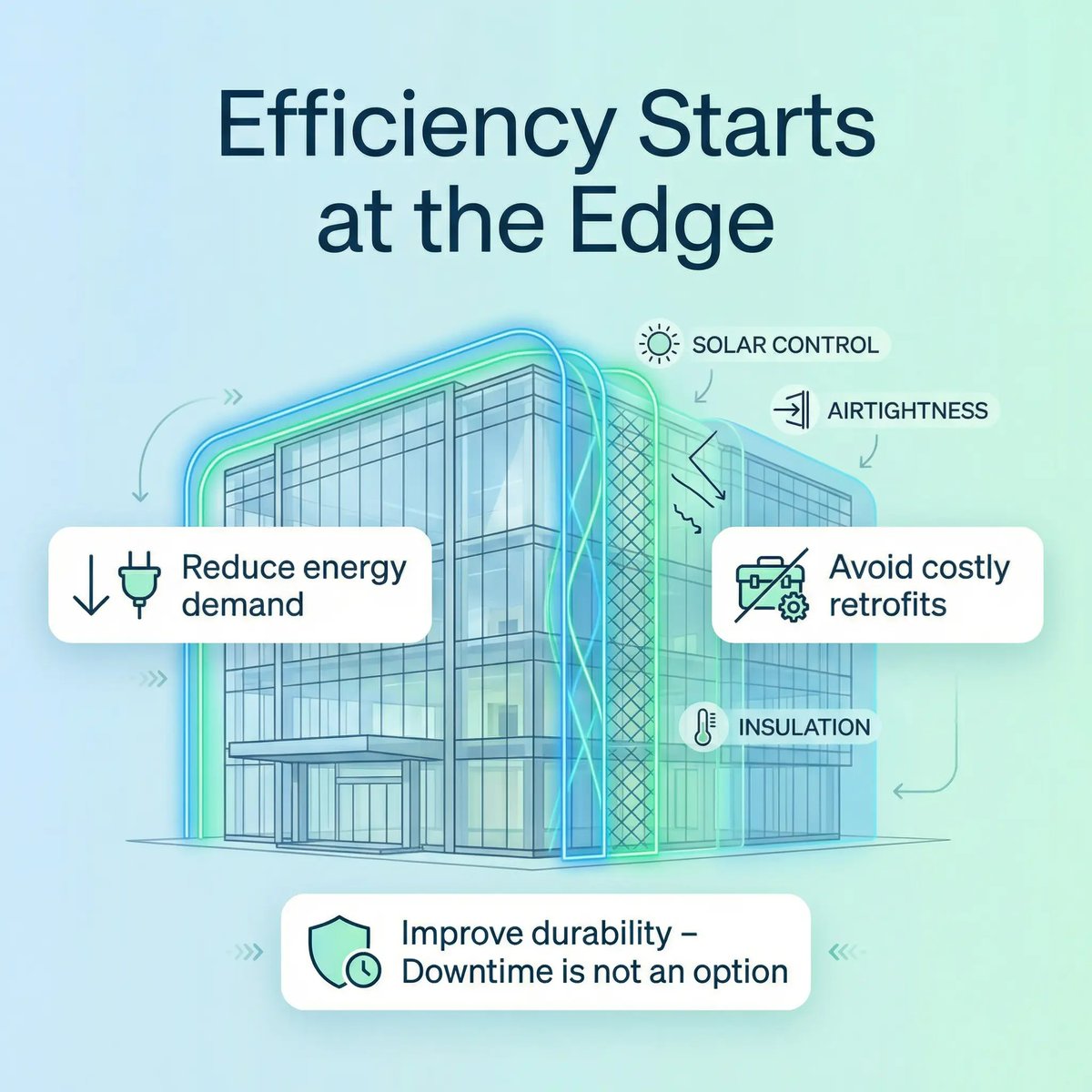
Efficiency starts at the edge. 🌍
Mechanical and electrical systems usually dominate the "decarbonization" conversation. But without a high-performing building envelope, we’re just fighting an uphill battle against thermal loss and air leakage.
New insights from David Ford highlight that Enclosure Commissioning is becoming just as vital as MEP commissioning. By focusing on the "skin" of the building, healthcare facilities can:
🔹 Drastically reduce baseline energy demand.
🔹 Avoid costly future retrofits.
🔹 Improve long-term durability where "downtime is not an option." If we want to hit our sustainability goals, we have to look at the building massing, solar control, and insulation continuity first.
#GreenBuilding #HealthcareDesign #Decarbonization #EngineeringExcellence #WalterPMoore
To break the chain of infection, we have to move faster than the bacteria. As J. Darrel Hicks recently highlighted, the most effective tool isn't always the most expensive, it’s education.
The 3 pillars of a strong Infection Prevention program:
Proper Tools: Hospital-grade disinfectants with verified kill claims.
Proper Training: Understanding dilution and dwell times to ensure efficacy.
Proper Respect: Treating EVS workers as essential members of the patient care https://t.co/jZk8uFObqP the Smart Healthcare Facilities Convention in Dallas this May, we're putting the spotlight on these exact innovations. We don't just need better machines; we need better-trained teams. Join us
#SmartHealthcare #HospitalInfectionPrevention #FacilitiesManagement #EVS #HealthcareInnovation #PatientSafety #HealthcareHeroes #Dallas #FutureOfHealthcare #InfectionControl #HospitalOperations #Microbiology #eskapepathogens
The Anatomy of a Smart Hospital: Why Facilities Define the Future of Care
Smart hospitals are no longer defined by individual technologies.
They are defined by how infrastructure, data, and care delivery work together to support safe, efficient, and patient-centered healthcare.
Across the U.S., hospitals are evolving into connected environments where power systems, HVAC, networks, medical devices, and digital platforms operate as one integrated ecosystem. In this model, facilities are no longer background assets—they are strategic enablers of care.
This shift is central to the conversations at the Smart Healthcare Facilities Convention 2026, curated by BMA Conventions.
Smart hospitals rely on intelligent infrastructure to deliver real-time visibility, operational resilience, and reliable clinical support. Data flowing across facility and clinical systems enables proactive maintenance, optimized patient flow, and better use of care spaces.
As connectivity increases, cybersecurity has become a facilities responsibility as much as an IT one. Secure, resilient infrastructure is essential for protecting both patient data and care continuity.
Patient experience is also shaped by the environment itself—air quality, lighting, wayfinding, and seamless check-in processes all influence how care is delivered and perceived.
The future of healthcare will not be built by technology alone. It will be built by facilities designed to support intelligence, resilience, and collaboration. That is the foundation of the smart hospital—and the focus of Smart Healthcare Facilities Convention 2026.
#smarthealthcare #healthcarefacilities #smarthospitals #healthcareinfrastructure #healthcaretechnology #healthcareinnovation #digitalhealth #healthcareleadership #hospitaldesign #patientexperience #healthcaretransformation #healthcareoperations #futureofhealthcare #bmaconventions #smarthealthcarefacilities
Is your healthcare contact center ready for 2026?
Cloud-first, AI-powered, and HIPAA-compliant communication platforms are no longer optional—they're essential for modern patient care. And that's where Dialpad is leading the way.
Healthcare systems today face a complex challenge:
How do we streamline patient communication across voice, chat, and video—while ensuring privacy, speed, and ease of use?
Dialpad is solving this by offering:
✔ Cloud-based infrastructure
✔ Real-time AI transcription and sentiment analysis
✔ Seamless integrations with Epic, Google Workspace, and Microsoft 365
✔ Unified dashboards for staff across departments
✔ HIPAA-ready compliance framework for safe, secure communication
Whether it's handling inbound patient queries, coordinating between clinical and billing teams, or enabling hybrid work for support staff—Dialpad is helping healthcare systems deliver faster, smarter, and more personalized communication experiences.
And this isn’t just about convenience—it’s about impact:
* Shorter wait times
* Reduced call transfers
* Improved satisfaction and retention
* Measurable operational efficiency
At a time when every second counts, the right contact center solution becomes a strategic asset.
🗓️ Want to explore how tools like Dialpad are transforming digital health infrastructure?
Join us at the Smart Healthcare Facilities Convention 2026 hosted by BMA Conventions:
📍 Venue: DoubleTree by Hilton Dallas Market Center
📅 Dates: May 27–29, 2026
🌐 Connect with health system leaders, CIOs, and tech innovators shaping tomorrow’s care models.
Let’s talk about the future of healthcare communication—secure, connected, and patient-first.
#HealthcareIT #DigitalHealth #HospitalInnovation #SmartHealthcare #ContactCenterSolutions #CloudCommunications #HealthTech2026 #BMADallas2026 #HealthSystemLeadership #HealthcareInfrastructure
How Technology Is Elevating Safety and Security in Healthcare Facilities
Hospitals are turning to advanced technology to strengthen safety and security — from integrated access control and video monitoring to real-time alerts that help teams respond faster and smarter. Leveraging data, automation, and centralized systems not only improves incident visibility but also enhances staff confidence and patient protection.
These tools empower facilities to balance open, healing environments with robust risk management.
At BMA Conventions, healthcare leaders, security experts, and technology partners come together to share practical, forward-looking solutions for safer, more resilient facilities.
#BMAConventions #HealthcareFacilities #SafetyAndSecurity #HealthcareTechnology #FacilityManagement #HospitalEngineering #PatientSafety #OperationalExcellence #SmartHealthcareFacilities #SecurityInnovation #HealthcareLeadership #RiskManagemen
As healthcare systems move deeper into digital transformation, security posture is becoming a defining factor for resilience in 2026.
With rising cyber threats, expanding hybrid infrastructure, connected medical devices, and increased reliance on cloud and AI, healthcare organizations can no longer rely on reactive security models.
A strong security posture today goes beyond firewalls and compliance checklists. It requires continuous risk assessment, zero-trust frameworks, identity and access management, real-time monitoring, and close alignment between IT, security, facilities, and clinical teams.
When security is embedded into daily operations, health systems are better prepared to respond, recover, and continue delivering care—even during disruptions.
Building cyber resilience is now directly tied to patient safety, operational continuity, and long-term trust. Healthcare leaders who invest in proactive security strategies are positioning their organizations to withstand evolving threats and adapt with confidence.
🔗 Read more:
https://t.co/tFSYDOPTSG
#healthcaresecurity #cyberresilience #healthit #hospitalinfrastructure #digitalhealthcare #riskmanagement #healthcaretechnology
As data centers evolve to support AI workloads, high-density computing, and mission-critical digital operations, liquid cooling technologies are becoming a serious consideration rather than a future concept. From direct-to-chip cooling to immersion systems, liquid cooling offers clear advantages in heat management, energy efficiency, and space optimization where traditional air cooling struggles.
At the same time, this shift raises important questions around facility design, infrastructure readiness, maintenance expertise, long-term reliability, and total cost of ownership. Liquid cooling is not just an IT decision—it directly impacts facilities teams, power distribution, sustainability goals, and operational continuity.
Organizations must evaluate how these technologies integrate with existing environments while planning for future scalability.
These evolving infrastructure challenges are increasingly shaping industry-wide conversations, including those brought together by BMA Conventions, where technology leaders, facility heads, and solution providers connect to discuss real-world implementation, risks, and best practices across modern data center and critical infrastructure environments.
🔗 Read more:
https://t.co/E0z3hjIGsI
🌐 Learn more:
https://t.co/EMtByWLjyJ
#liquidcooling #datacenterinfrastructure #highdensitycomputing #aiinfrastructure #coolingtechnology #facilitiesmanagement #sustainableinfrastructure #bmaconventions
Pest Prevention: A Critical Component of Healthcare Facility Safety-
Pests may seem minor at first glance, but in healthcare settings they can compromise patient safety, infection control, and regulatory compliance.
Effective prevention relies on environmental controls, proactive inspections, staff awareness, and timely intervention to maintain clean, secure environments.
From sealing entry points to managing landscaping and waste, strong strategies help safeguard patients, staff, and essential operations.
At BMA Conventions, facility leaders and safety professionals share practical, field-tested approaches to elevate pest prevention and strengthen overall environmental quality.
#BMAConventions #HealthcareFacilities #PestPrevention #InfectionControl #FacilityManagement #HospitalEngineering #LifeSafety #PatientSafety #HealthcareCompliance #OperationalExcellence #SmartHealthcareFacilities #HealthcareLeadership #SafetyCulture
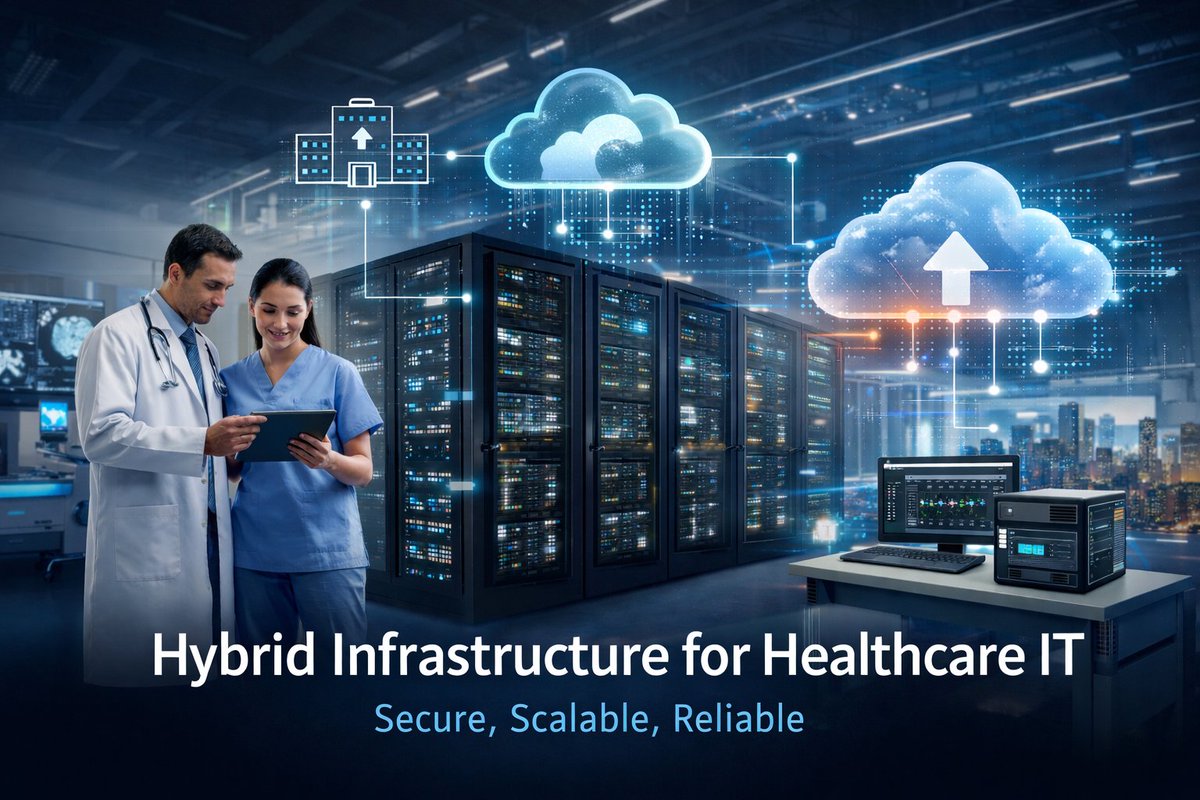
Healthcare organizations are rapidly moving toward hybrid data center infrastructures to support the growing demands of digital health, AI-driven diagnostics, telehealth, and real-time patient data access. Traditional on-premises systems alone can no longer handle the scale, speed, and resilience required in modern care environments.
A hybrid approach—combining on-prem data centers with cloud and edge computing—allows hospitals to maintain data security, regulatory compliance, and low-latency performance, while also gaining the flexibility and scalability of cloud platforms. This model strengthens disaster recovery, supports mission-critical clinical workloads, and ensures uninterrupted operations.
As healthcare becomes increasingly data-driven, hybrid infrastructure is emerging as a strategic foundation for reliable, future-ready patient care.
🔗 Read more:
https://t.co/G4dZpVfrdT
#healthcareit #datacenters #hybridinfrastructure #healthtech #hospitaltechnology #digitalhealth #edgecomputing #cloudhealthcare
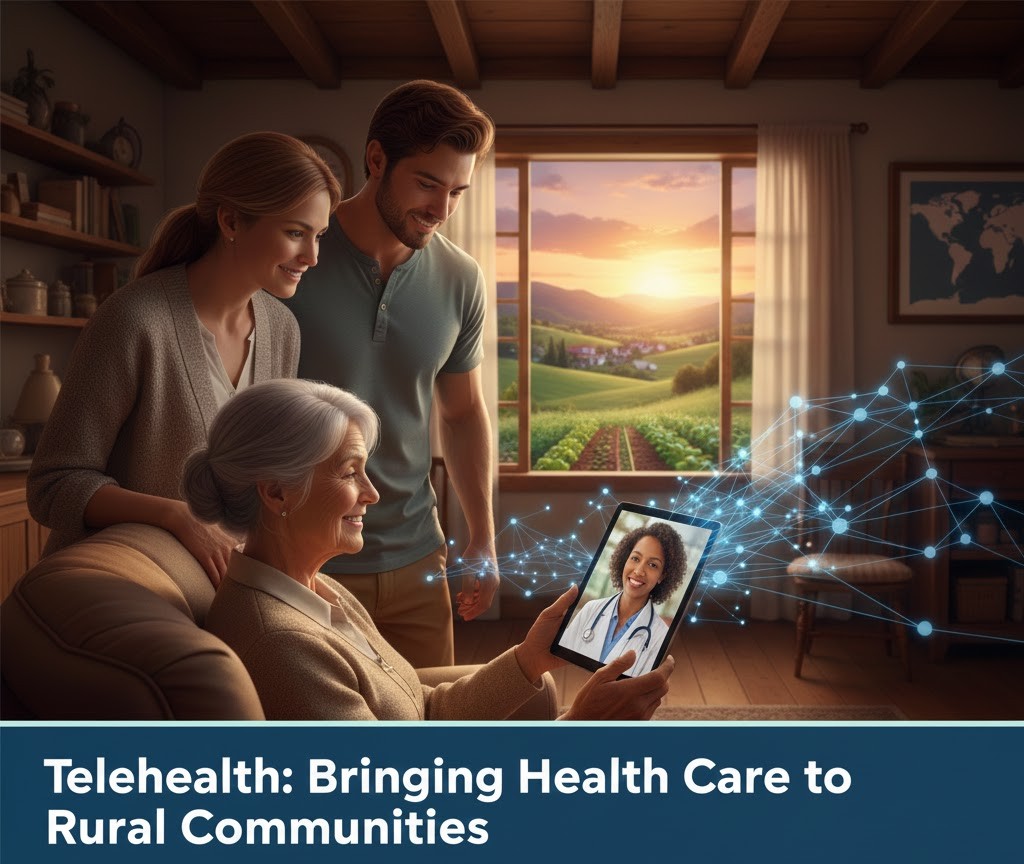
Telehealth: Bringing Health Care to Rural Communities
Telehealth is transforming how healthcare is delivered — especially for rural populations that face barriers like distance, limited specialists, and scarce resources. By harnessing digital technology, telehealth makes care more accessible, timely, and connected for patients who might otherwise go without essential services.
🌐 What Telehealth Does
Telehealth uses secure, high-resolution video, real-time communication, and digital data sharing to connect rural patients with healthcare providers — often from the comfort of home or a local clinic.
📍 Key Benefits for Rural Communities
-Access to specialists without long travel distances
-Remote consultations and follow-ups that save time and cost
-Better care coordination through shared digital records
-Support for local providers via collaboration with remote experts
🤝 How It Bridges Gaps
Telehealth extends care beyond physical walls, helping rural residents get the care they need despite shortages of doctors, transport challenges, and geographic isolation. It’s not just about convenience — it’s about equity in healthcare access.
💡 Telehealth is more than technology — it’s a lifeline connecting rural patients to quality care that would otherwise be out of reach.
#BMAConventions #HealthcareAccess #Telehealth #RuralHealth #DigitalHealth #HealthEquity #FacilityTrends #EmekliMemur #sneeuw #WINTER #apokalypseis #Reverxe #ore14 #NJDash #Trump #x #Crans_Montana #Venezuela #GegarVaganza2025
Building Envelopes That Boost Sustainability and Well-Being in Healthcare
Healthcare facilities are embracing smarter building envelopes - from green roofs that absorb stormwater, extend roof life, and offer restorative outdoor space, to smart glass that reduces glare, controls heat gain, and improves daylighting. These solutions not only elevate comfort for patients and staff but also strengthen energy performance and long-term sustainability.
Conversations like these take center stage at BMA Conventions, where leaders and innovators come together to exchange ideas that move healthcare infrastructure forward.
#BMAConventions #SustainableHealthcare #BuildingEnvelope #GreenRoofs #SmartGlass #HealthcareDesign #EnergyEfficiency #FacilityManagement #HospitalEngineering #PatientExperience #SmartHealthcareFacilities #HealthcareLeadership
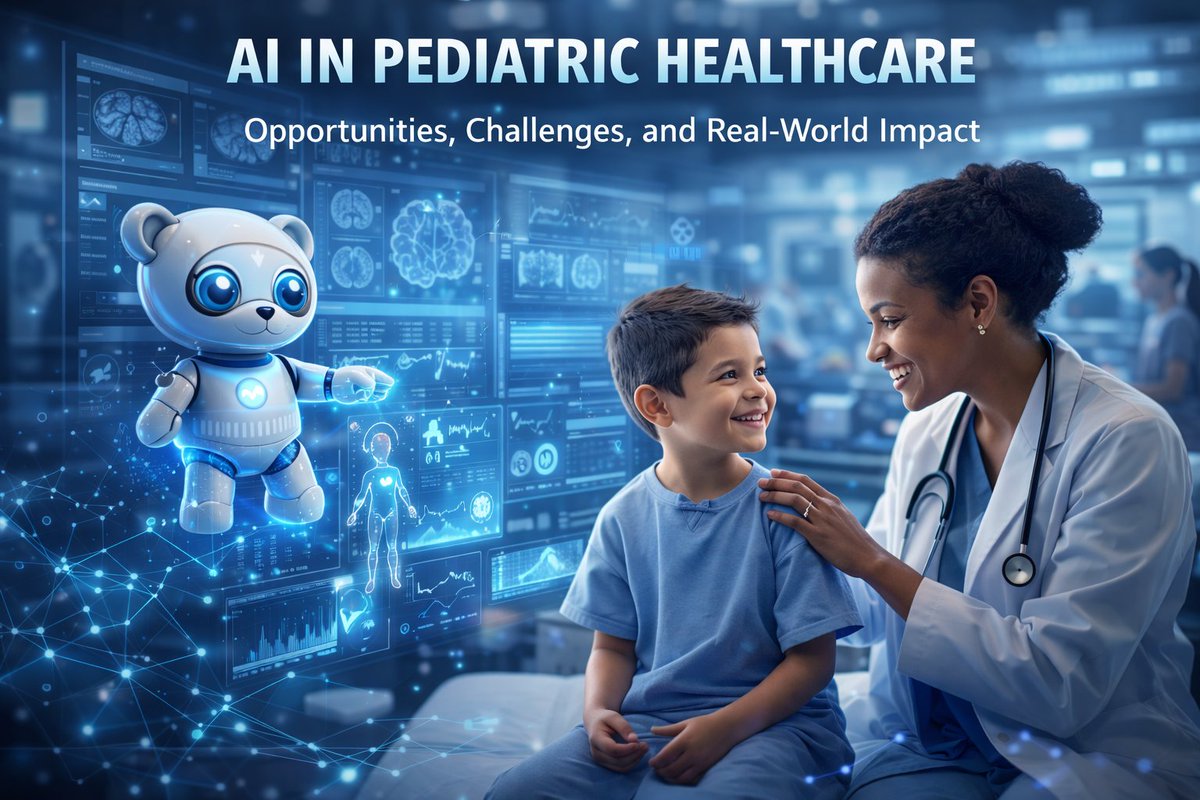
Artificial Intelligence is no longer a future concept in pediatric healthcare — it is already reshaping how care is delivered, decisions are made, and outcomes are improved for children.
From early disease detection and clinical decision support to workflow automation and personalized treatment plans, AI holds immense promise in pediatrics, where timely intervention and accuracy can change the trajectory of a child’s life.
However, pediatric healthcare presents unique challenges that make AI adoption far more complex than in adult care.
Children are not simply “small adults.”
Their physiology changes rapidly, clinical data sets are smaller, and ethical considerations around consent, bias, and long-term impact are significantly higher. This means AI models must be carefully trained, transparently governed, and continuously validated to ensure safety, equity, and trust.
Key opportunities AI brings to pediatric care include:
• Earlier and more accurate diagnosis
• Reduced clinician burnout through automation
• Improved care coordination and decision support
• More personalized, age-appropriate treatment pathways
At the same time, healthcare organizations must address:
• Data quality and interoperability gaps
• Bias in pediatric datasets
• Cybersecurity and patient privacy risks
• The need for clinician oversight and explainability
The real success of AI in pediatric healthcare will not be measured by algorithms alone — but by how responsibly technology is integrated into clinical workflows, governance frameworks, and patient-centered care models.
AI has the power to elevate pediatric care — if implemented with precision, ethics, and collaboration.
🔗 Read the full article here:
https://t.co/PqnPw4cHzD
#PediatricHealthcare #VIRAL #CONTENT #X
#ArtificialIntelligence #AI #HealthTech #TRENDING #ClinicalInnovation #DigitalHealth #HealthcareAI
#PatientSafety #FutureOfHealthcare #CARE #FacilitiesUpgrade #viral #TAG
How CMS Is Using AI to Improve Patient Data Accessibility
Access to patient data remains one of the biggest challenges in the U.S. healthcare system. Information exists across countless platforms, yet patients and providers still struggle to access complete, timely records.
Now, Centers for Medicare & Medicaid Services (CMS) is exploring the use of artificial intelligence to improve how patient data is accessed, shared, and used across healthcare ecosystems.
This shift signals more than a technology upgrade—it reflects a move toward patient-centered data accessibility.
Why Data Accessibility Matters
Fragmented systems, manual workflows, and inconsistent standards continue to slow care coordination and increase administrative burden. These challenges affect patient experience, clinical efficiency, and regulatory compliance.
Improving access to data enables:
Faster, more accurate information sharing
Reduced administrative friction
Better-informed patient decisions
Improved care coordination
The Role of AI
AI has the potential to streamline data matching, reduce manual reconciliation, and help surface meaningful insights from complex datasets. When applied responsibly, it can support clearer, more reliable access to health information for both patients and providers.
However, AI effectiveness depends on strong foundations—interoperable systems, secure infrastructure, and aligned workflows.
What This Means for Healthcare Organizations
CMS’s direction sends a clear message: data strategy is now an operational priority. Organizations must modernize data environments while maintaining privacy, security, and compliance.
Advancing the Conversation
As data accessibility, infrastructure, and patient experience converge, collaboration becomes essential. Platforms created by BMA Conventions help bring together healthcare leaders, technology experts, and infrastructure stakeholders to address these challenges holistically.
Looking Ahead
CMS’s focus on AI-driven data accessibility highlights a broader shift in healthcare—from collecting data to making it usable, accessible, and patient-focused. Organizations that align technology, infrastructure, and strategy around this goal will be better positioned for the future.
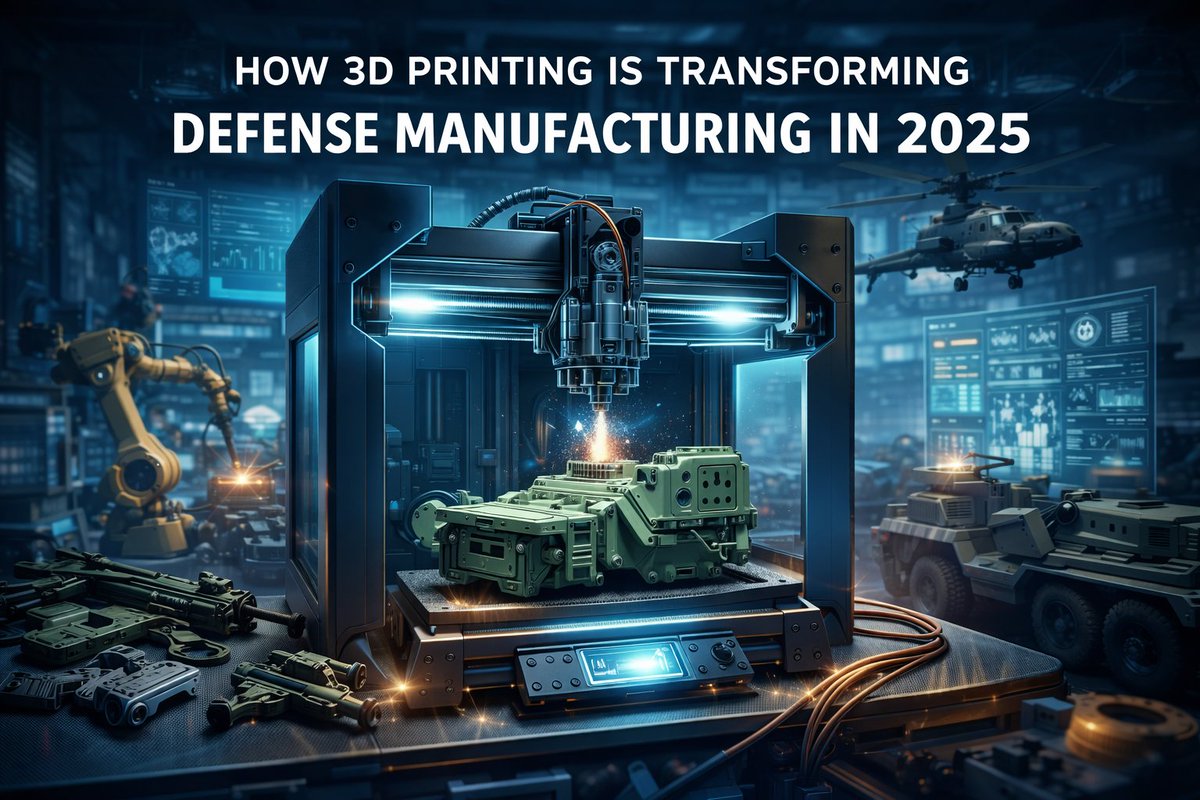
Defense 3D Printing Transformation (2025)
The defense sector is undergoing a quiet but powerful transformation — and 3D printing (additive manufacturing) is at the center of it.
What was once used mainly for rapid prototyping is now becoming a strategic production capability across defense operations. From mission-critical spare parts to lightweight components and on-demand manufacturing in remote or contested environments, 3D printing is redefining how defense organizations approach speed, resilience, and supply-chain security.
Key shifts driving this transformation include:
• Reduced dependence on traditional, fragile supply chains
• Faster production timelines for critical components
• Increased customization and design flexibility
• Cost efficiency across low-volume, high-complexity parts
• Greater readiness through localized and digital manufacturing
However, scaling defense 3D printing isn’t just about machines and materials. It also demands new standards, cybersecurity frameworks, skilled workforce development, and tighter collaboration between defense agencies, manufacturers, and technology providers.
As we move into 2025, additive manufacturing is no longer an experimental tool in defense — it’s becoming a core pillar of modern military and industrial strategy.
🔗 Read the full analysis here:
https://t.co/cLKWzXxa4y
#DefenseTechnology
#3DPrinting
#AdditiveManufacturing
#DefenseInnovation
#AdvancedManufacturing
#SupplyChainResilience
#IndustrialTransformation
#SmartManufacturing
#FacilitiesUpgrade
Why Prefabrication Is Gaining Traction in Healthcare Construction
Prefabrication — building major components off-site in a controlled environment offers real advantages for healthcare projects, especially where time, quality, and safety matter most. With thoughtful design and early planning, off-site MEP racks and bathroom pods can reduce on-site disruption, improve quality control, and accelerate schedules. However, successful prefab projects require careful coordination of design, transportation logistics, and access planning to ensure seamless assembly and long-term serviceability.
At BMA Conventions, facility leaders and construction experts share hands-on strategies to harness prefabrication effectively for today’s healthcare infrastructure needs.
#BMAConventions #HealthcareConstruction #Prefabrication #FacilityManagement #HospitalEngineering #HealthcareInnovation #DesignAndBuild #SmartHealthcareFacilities #HealthcareLeadership #ProjectDelivery #QualityControl
Permitting & Risk Assessments: A Must-Have for Safe Healthcare Operations
Proactive permitting processes and risk assessments help healthcare facilities identify hazards and implement mitigation strategies before work begins, from pre-construction and infection control risk assessments (PCRA/ICRA) to security risk reviews, interim life safety measures (ILSMs), above-ceiling permits, confined space evaluations, and hot work controls.
These tools ensure patients, staff, and visitors stay safe, infection and environmental risks are managed, and compliance with codes and accrediting standards is maintained.
At BMA Conventions, we dive into practical permitting and risk strategies that strengthen safety, compliance, and operations across facilities.
#BMAconventions #healthcarefacilities #riskassessment #permitting #facilitymanagement #lifesafety #hospitalengineering #patientsafety #healthcarecompliance #smarthealthcarefacilities #healthcareleadership #operationalexcellence #infectioncontrol #safetyculture
Patient check-ins are often the first real interaction people have with a healthcare system — and that experience matters more than many realize. Long lines, repeated paperwork, and confusing processes can create stress before care even begins.
Healthcare organizations are now simplifying check-ins through digital forms, self-service kiosks, mobile tools, and better system integration. These changes reduce wait times, ease staff workload, and help patients feel more informed and supported from the moment they arrive.
Simpler check-ins aren’t just about efficiency — they’re about creating smoother, more human healthcare experiences.
Read how healthcare organizations are simplifying patient check-ins and why it matters 👇
https://t.co/Z6VyANr88R
#patientexperience #healthcareoperations #digitalhealth #healthit #healthcareinnovation #x #hospitalworkflow #smarthealthcare #fyp #facilitiesupgrade
In healthcare, data touches everything — patient care, clinical decisions, compliance, and daily operations. Yet many organizations struggle with where to begin when it comes to governing that data. This is where minimum viable data governance makes a real difference.
Instead of overcomplicating governance with heavy frameworks, healthcare organizations can focus on practical foundations: clear ownership, basic data standards, access controls, and accountability. These essentials help reduce risk, improve data quality, and ensure information is trusted and usable across teams — without slowing down care delivery.
Strong data governance isn’t about perfection. It’s about creating clarity, consistency, and confidence in how healthcare data is managed.
Read how healthcare organizations can build effective minimum viable data governance 👇
https://t.co/bYUOzIzGWp
#healthcaredatagovernance #healthdata #healthit #digitalhealth #healthcareinfrastructure #datamanagement #healthsystems #facilitiesupgrade
The global manufacturing landscape is changing, and many U.S. manufacturers are rethinking where their factories should be located. Rising labor costs, supply chain disruptions, and the need for faster response times have made long, complex global supply chains harder to manage.
For many companies, Mexico has emerged as a practical and strategic choice. Its proximity to the U.S., growing industrial capabilities, skilled workforce, and improving logistics infrastructure allow manufacturers to stay closer to customers while maintaining operational flexibility. This shift isn’t just about cost savings — it’s about resilience, speed, and building supply chains that can withstand uncertainty.
Read the full analysis on why more U.S. manufacturers are operating factories in Mexico 👇
https://t.co/UnnmFw4ygG
#usmanufacturing #nearshoring #GeminiFourth #supplychainresilience #industrialinfrastructure #globalmanufacturing #facilitiesupgrade #fyp #x #StrangerThings #Christmas2025 #PEAKMINT #Ashes