A newly published article considers key links between the supportive built environment and cancer prevention and discusses ways in which the built environment may reflect and contribute to inequalities in cancer.
https://t.co/JsZgJRJEcW
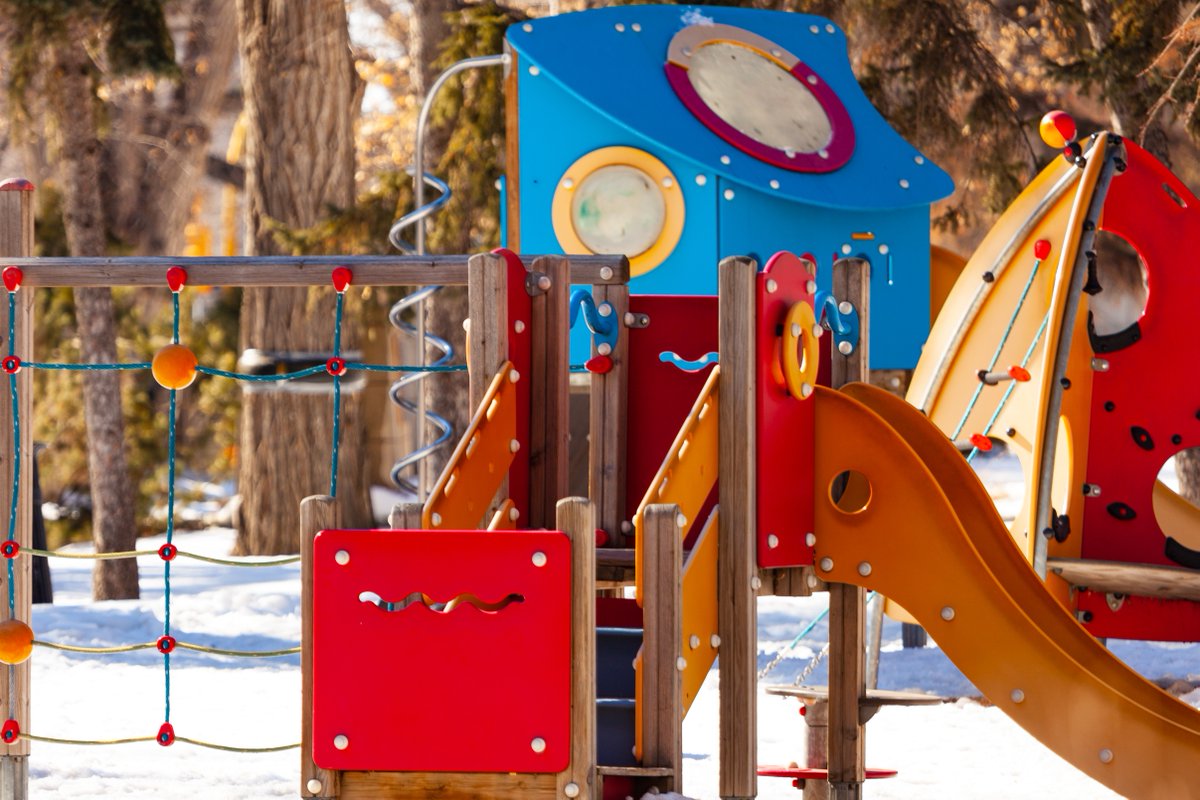
COVID-19 pandemic negatively affected children’s usual play and physical activity routines. Research suggests that loose parts play opportunities may be helpful for encouraging unstructured play at home. @KnowThyHealth@UCalgary
https://t.co/rsKWJ6qOWK
Your neighborhood may be associated with your health-related #Fitness; this includes cardiorespiratory, muscular, morphological, and motor fitness. Check out this systemic review for more information. @LuxuryNF; @BEHealthyLab https://t.co/cdHnx810FX
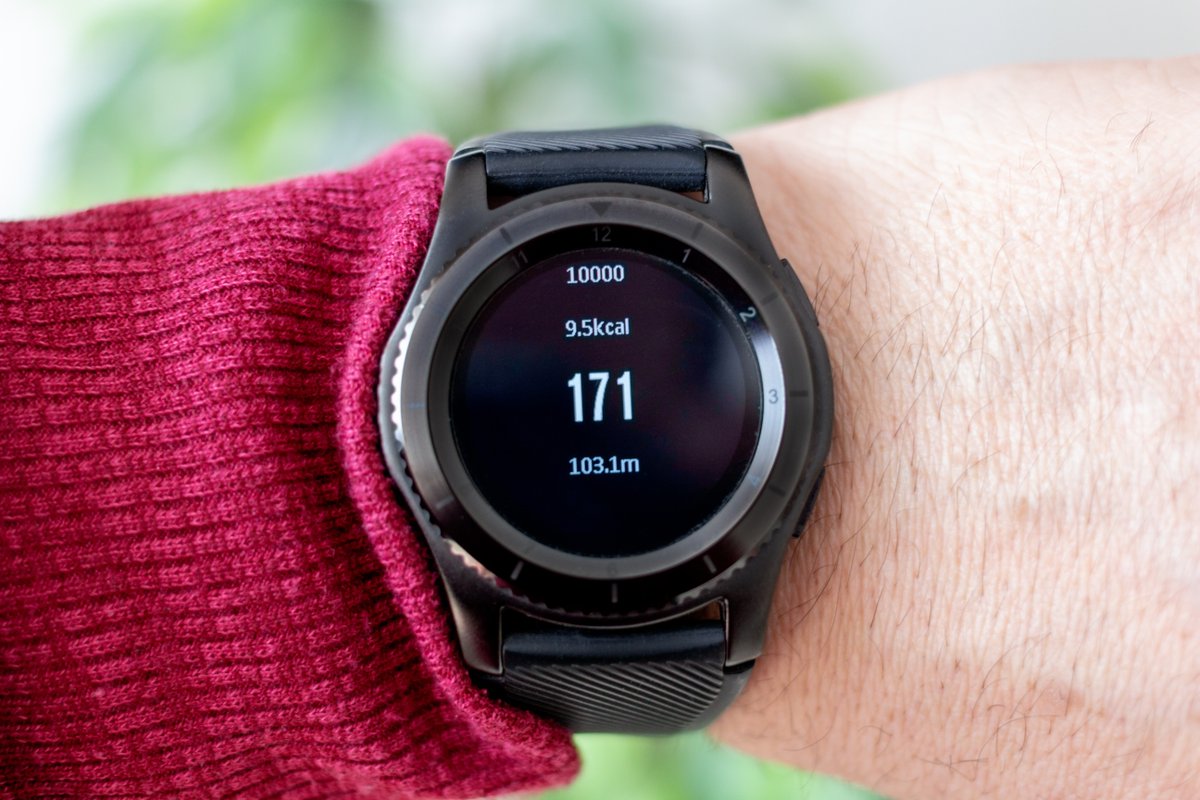
.@OBrien_IPH Thank you Sarah for posting these videos. Staying healthy in a pandemic was challenging and so was completing the research but we did it @uofcknes@BEHealthyLab with @VivoYourLife using #playkits#garmin trackers and systematic observations of play!
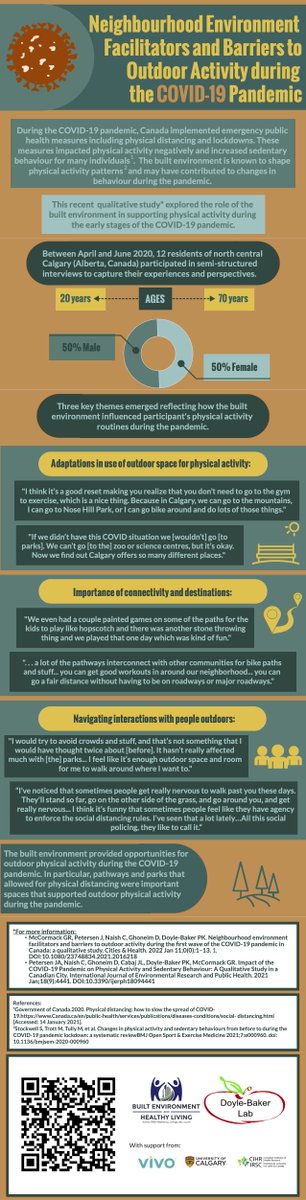
Chances are that the COVID-19 pandemic made exercising within your neighbourhood more favourable. Our research suggests that the built environment, such as paths and parks, may have provided opportunities for physical activity during the pandemic. @KnowThyHealth
Your physical activity behaviours may have changed during the COVID-19 pandemic. Did aspects of your neighbourhood begin to impact your behaviours during this time?
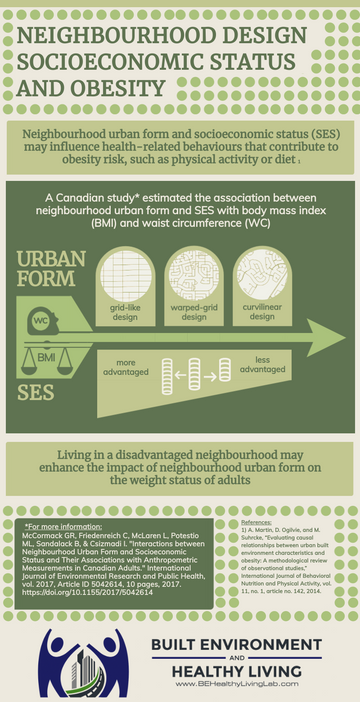
Our research suggests that neighbourhood design and neighbourhood-level socioeconomic status may influence health-related behaviours that contribute to obesity risk. Does your neighbourhood support your physical activity or access to healthy food? #healthyeating#food
The accessibility of our neighbourhoods may be impacting our lives in more ways than we think. What does "accessibility" mean to you? #neighbourhooddesign#bikability#walkability
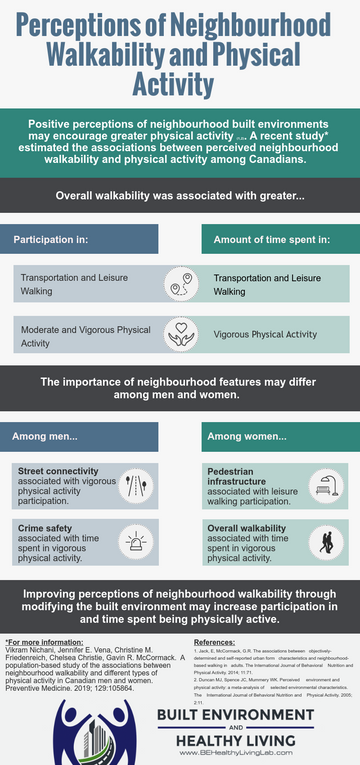
Do you think your neighbourhood has high walkability? Our research suggests that neighbourhood characteristics impact individual physical activity levels, and the time spent participating in them. #healthresearch#ucalgary#walkability#neighbourhood
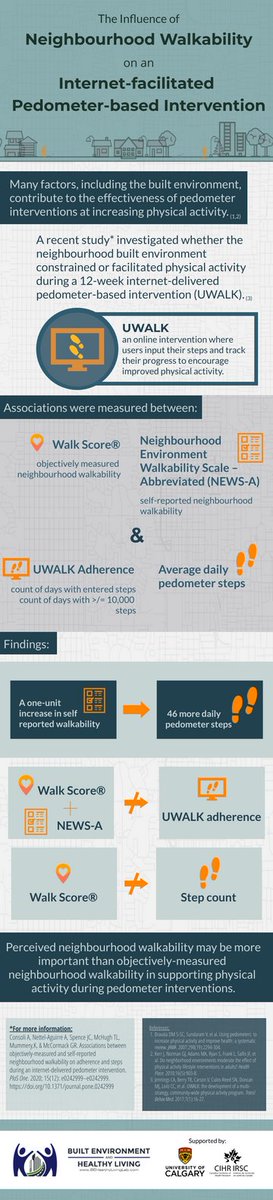
The use of pedometers to count steps can promote physical activity. Our research suggests that perceived walkability may be more important than objective walkability when considering the effectiveness of pedometer-based interventions. #ucalgary#walking#pedometer
Regular walking is very beneficial for your overall health. How do you measure the amount of steps you take? Have you ever considered using a pedometer? #walking#steps#pedometer
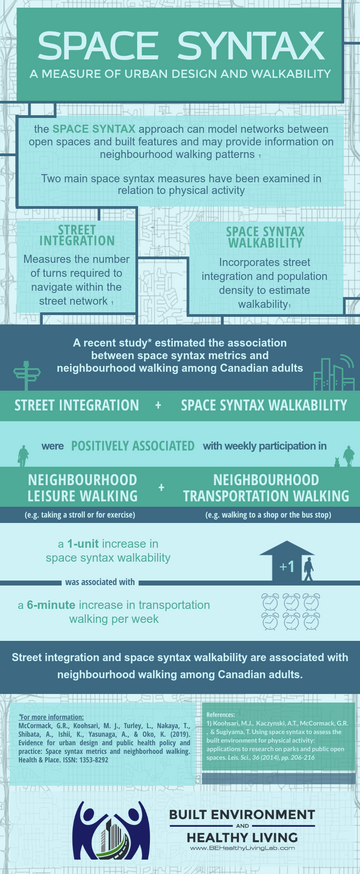
Did you know urban design influences walkability within neighbourhoods? Our research using the Space Syntax Walkability (SSW) Index as well as studying street integration, identified that an increase in space syntax walkability was associated with an increase in walking habits.
You may not have ever thought about how the design of your neighbourhood may impact your walking habits, but take a minute to consider if where you live supports your walking habits. #walkability#neighbourhood#urbandesign
Developing tools for measuring self-reported neighbourhood environments is important to understand how environment impacts activity. In this study we considered the reliability and validity of the Physical Activity Neighborhood Environment Scale (PANES) in a Canadian population.