🌎 Join us to reflect on the theoretical evolution of journalism and its social necessity in a changing world.
Access the full call for papers: https://t.co/jZMDDhdYJV
📣 Exciting news! The second edition of our BJR newsletter is
available! 📣
This issue features important contributions from scholars around the world — Peru, Spain, Brazil, France, Germany, and Indonesia.
We extend our deepest gratitude to our authors, reviewers, and partners for their unwavering support. Their dedication is integral to advancing the field of journalism. #ThankYou
Exploring media coverage of BRICS in Brazil 📰
They analyzed 1,451 articles from @Estadao and @JornalOGlobo, understanding how the BRICS appear in the Brazilian media and their potential influence on public awareness.
The authors analyze the role of journalism in shaping public perceptions of foreign entities. The research is based on theories about the agenda-setting power of the media, especially through foreign news reporting.
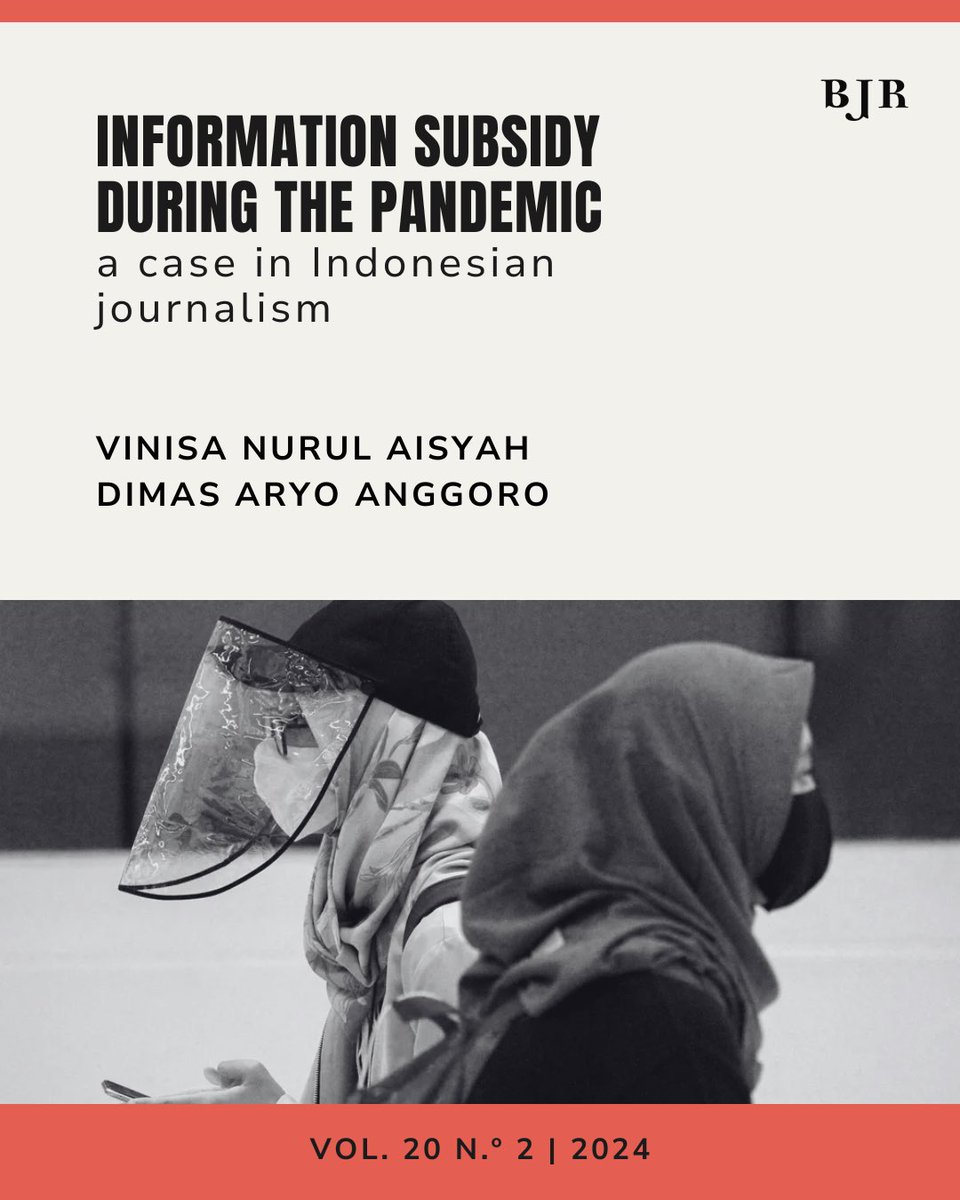
Information subsidy in Indonesian Journalism during COVID-19 🦠
This study examines the flow of information from Indonesian government press releases to the mass media during the COVID-19 pandemic.
The results indicated practices of information subsidies with a total of 95.65% from the Indonesian government press release samples published by mass media in the form of news in the same period.
Investigative journalism books in the 1990s 📖
In the '90s, investigative journalism books gained prominence. Titles like “Robo para la corona” hit bestseller lists, bringing revelations that sparked media interest and public discussion.
Investigative books shaped the field of journalism by offering critical perspectives and revealing “hidden plots.” They helped cultivate a model of journalism that could critique power from a distance.