Physics PhD, Nanotechnologist, Entrepreneur, Director, Advisor, Standards expert, Speaker - let me tell you about new and old technologies that impact our lives
Just co-published an important Graphene terminology paper: Defining graphene-related two-dimensional materials (GR2Ms) through international standardisation: Comment on “Revisiting the nomenclature for two-dimensional carbon materials”
https://t.co/9cfkyvsYwl (doi: 10.1016/j.carbon.2026.121533)
There is a new project 24NRM02 ConsenSus. It started by evaluating the state of the art of the measurement of particle number concentration, particle density, and particle refractive index. Can I ask all our particle characterisation experts to fill in the survey. It only takes 5 mins.
https://t.co/e3bBWBIaBm
#particle #granulometry #reference #material #nano #LGC #iso #standard
ISO 20304-2:2024 (ed.1) Fine bubble technology — Water treatment applications — Part 2: Test methods using Escherichia coli as a test micro-organism
https://t.co/tsSg0y0IZk
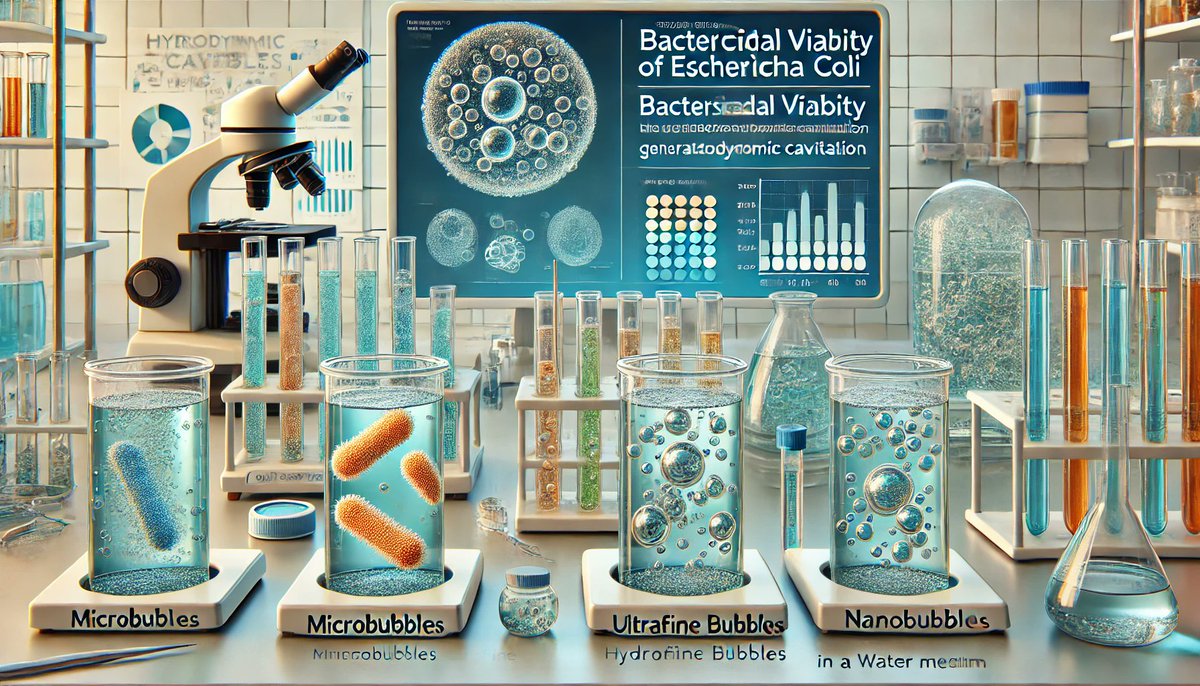
Scope: This document specifies a test method for assessing bactericidal viability of Escherichia coli as a test micro-organism, in dispersions of various fine bubbles generated by the hydrodynamic cavitation of water medium.
Published (Edition 1, 2024) Revision is expected in 2029
#standard_a_day #ISO #TC281 #FBT #FineBubble #Microbubble #tech #Standard
ISO 20480-5:2023 (ed.1) Fine bubble technology — General principles for usage and measurement of fine bubbles — Part 5: Shelled bubble vocabulary
https://t.co/wVcwrdzFgY
Scope: This document specifies the general principles of the definition of bubbles with shells, including the gas-filled structures/particles dispersed in liquids. The shell cited in this document is one created deliberately in manufacturing. Shells created by naturally occurring layers created on the surface of bubbles due to adhesion of bubbles are out of the scope of this document.
Published (Edition 1, 2023) Revision is expected in 2028
#standard_a_day #ISO #TC281 #FBT #FineBubble #Microbubble #tech #Standard
ISO/TR 13121:2011 Nanotechnologies -- Nanomaterial risk evaluation
https://t.co/xQ3uGpnIgp
Scope: ISO/TR 13121:2011 describes a process for identifying, evaluating, addressing, making decisions about, and communicating the potential risks of developing and using manufactured nanomaterials, in order to protect the health and safety of the public, consumers, workers and the environment.
ISO/TR 13121:2011 offers guidance on the information needed to make sound risk evaluations and risk management decisions, as well as how to manage in the face of incomplete or uncertain information by using reasonable assumptions and appropriate risk management practices. Further, ISO/TR 13121:2011 includes methods to update assumptions, decisions, and practices as new information becomes available, and on how to communicate information and decisions to stakeholders.
ISO/TR 13121:2011 suggests methods organizations can use to be transparent and accountable in how they manage nanomaterials. It describes a process of organizing, documenting, and communicating what information organizations have about nanomaterials.
This document is under revision and will be soon updated. More Information: https://t.co/WGG7qw5MDd
#standard_a_day #NanomaterialRisk, #RiskManagement, #NanoSafety, #RiskAssessment, #RiskCommunication, #StakeholderEngagement, #Nanomaterials, #TR13121, #DecisionMaking, #Transparency
ISO 23016-4:2023 (ed.1) Fine bubble technology — Agricultural applications — Part 4: Test method for evaluating the number concentration of ultrafine bubbles (UFB) achieving the promotion of barley seed germination
https://t.co/nnz5zlLpV1
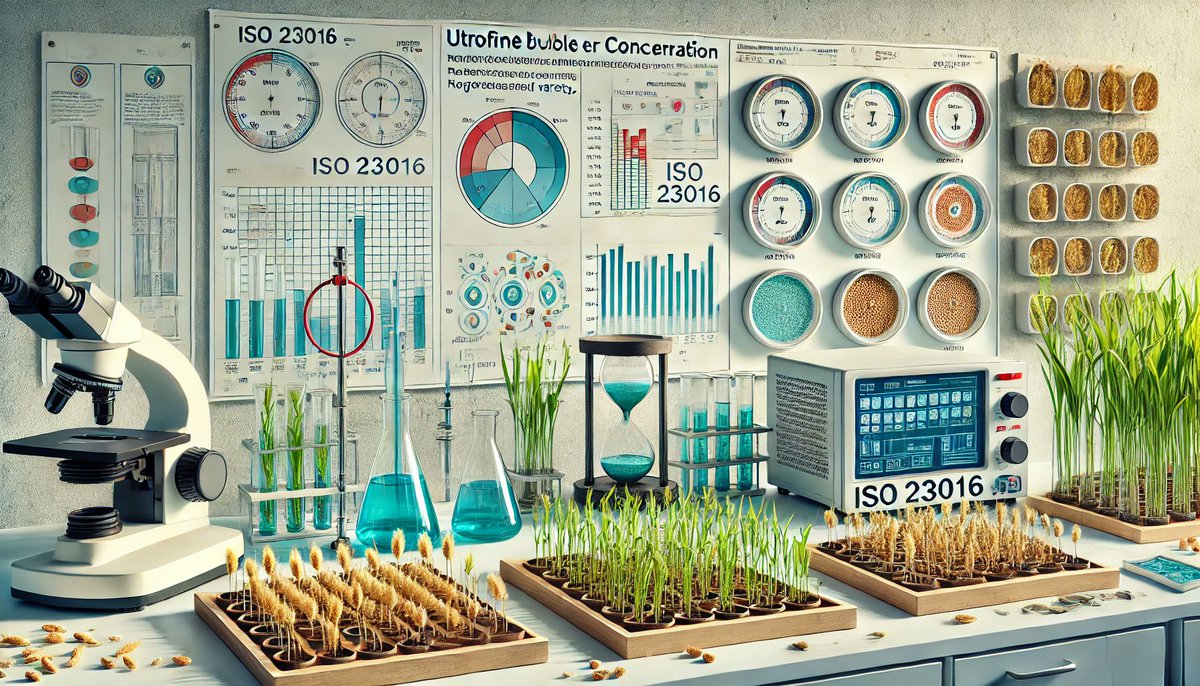
Scope: This document specifies a method to assess the ultrafine bubble (UFB) number concentration in order to find whether the number concentration of UFB generated by users is in the adequate range for promoting the barley seed germination stably irrespective of seed variety conforming to ISO 23016-2 and ISO/TR 23016-3.
Published (Edition 1, 2023) Revision is expected in 2028
#standard_a_day #ISO #TC281 #FBT #FineBubble #Microbubble #tech #Standard
ISO/TR 13014:2012 Nanotechnologies - Guidance on physico-chemical characterization of engineered nanoscale materials for toxicologic assessment
Inc. ISO/TR 13014:2012/Cor 1:2012
https://t.co/XasWCNHtAF
Scope: This Technical Report provides guidance for the physico-chemical characterization of manufactured nano-objects and their aggregates and agglomerates (NOAA) greater than 100 nm presented for toxicological testing in order to aid in assessing and interpreting the toxicological impact of manufactured nano-objects and to allow the material under test to be differentiated from seemingly similar materials. For each of the selected properties, a description, clarification, relevance, measurand and example measurement methods are provided.
This Technical Report will be of value to parties (e.g. toxicologists, ecotoxicologists, regulators, health and safety professionals) interested in assessing and interpreting the potential toxicological effect of manufactured NOAAs.
Corrigenda, Correct the current edition; free; not included in the text of the existing standard. Published ISO/TR 13014:2012/Cor 1:2012 https://t.co/U2TWsXuzNO
More information: https://t.co/vjE5hhZOoK
#standard_a_day #NanoCharacterization, #Physicochemical, #Toxicology, #NOAA, #MaterialAssessment, #NanoSafety, #MeasurementMethods, #RiskAssessment, #RegulatoryScience, #Nanoparticles
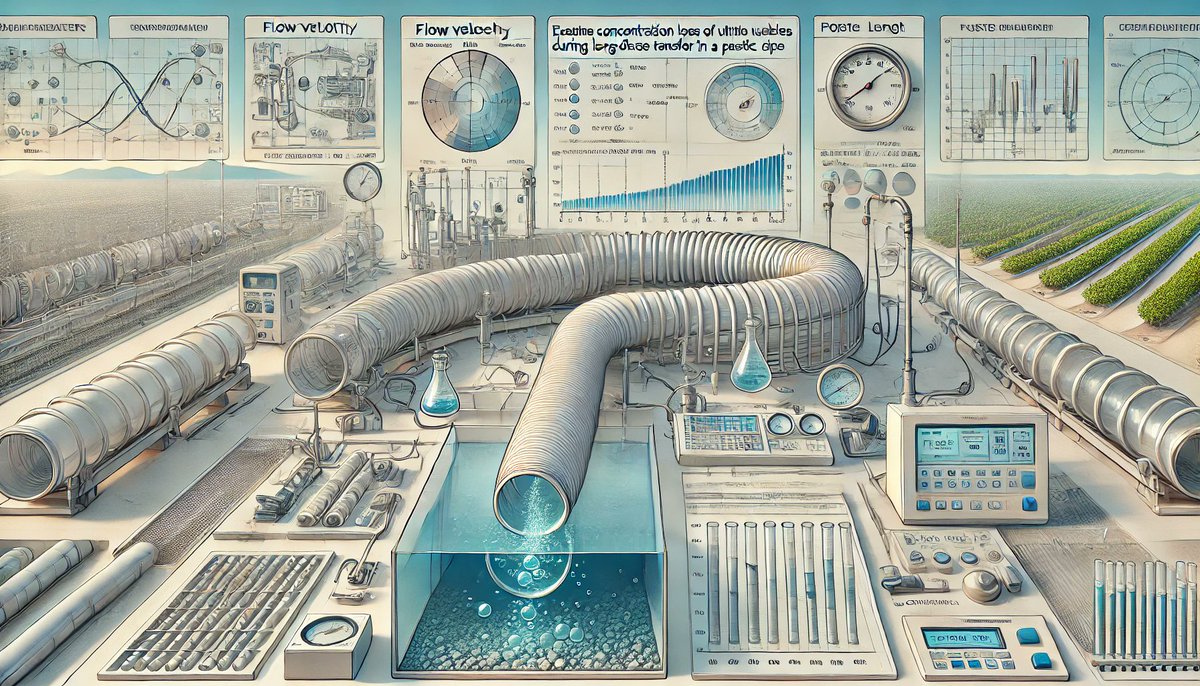
ISO/TS 11899-1:2023 (ed.1) Fine bubble technology — Transportation and dispensing systems for agro- and aqua-cultural applications — Part 1: Ultrafine bubble concentration loss in ultrafine bubble water passing through long-distance plastic pipes
https://t.co/LtggMwlPnG
Scope: This document specifies a test procedure, equipment and environment for evaluating the concentration loss of ultrafine bubbles (UFB) due to long-distance transfer of ultrafine bubble water in a plastic pipe. The test results are analysed and expressed in terms of a formula with the flow parameters, pipe length, flow velocity and number of circulations through the pipe. The formula is intended to be used for designing long-distance transport system for industrial applications including agro- and aqua- farming.
Published (Edition 1, 2023) Revision is expected in 2026
#standard_a_day #ISO #TC281 #FBT #FineBubble #Microbubble #tech #Standard
ISO/TS 12901-2:2014 Nanotechnologies -- Occupational risk management applied to engineered nanomaterials -- Part 2: Use of the control banding approach
https://t.co/pL0DAmKlfK
ISO/TS 12901-2:2014 describes the use of a control banding approach for controlling the risks associated with occupational exposures to nano-objects, and their aggregates and agglomerates greater than 100 nm (NOAA), even if knowledge regarding their toxicity and quantitative exposure estimations is limited or lacking.
The ultimate purpose of control banding is to control exposure in order to prevent any possible adverse effects on workers' health. The control banding tool described here is specifically designed for inhalation control. Some guidance for skin and eye protection is given in ISO/TS 12901‑1.
ISO/TS 12901-2:2014 is focused on intentionally produced nano-objects such as nanoparticles, nanopowders, nanofibres, nanotubes, nanowires, as well as of aggregates and agglomerates of the same. As used in ISO/TS 12901-2:2014, the term "NOAA" applies to such components, whether in their original form or incorporated in materials or preparations from which they could be released during their lifecycle.
ISO/TS 12901-2:2014 is intended to help businesses and others, including research organizations engaged in the manufacturing, processing or handling of NOAA, by providing an easy-to-understand, pragmatic approach for the control of occupational exposures.
Published (Edition 1, 2014) This publication was last reviewed and confirmed in 2017. Expected to be replaced by ISO/TS 12901-2 within the coming months. More information: https://t.co/4qIpZomMxd
#standard_a_day #ControlBanding, #NanoSafety, #RiskManagement, #OccupationalExposure, #InhalationControl, #NOAA, #WorkplaceSafety, #Nanoparticles, #HealthProtection, #ISO12901
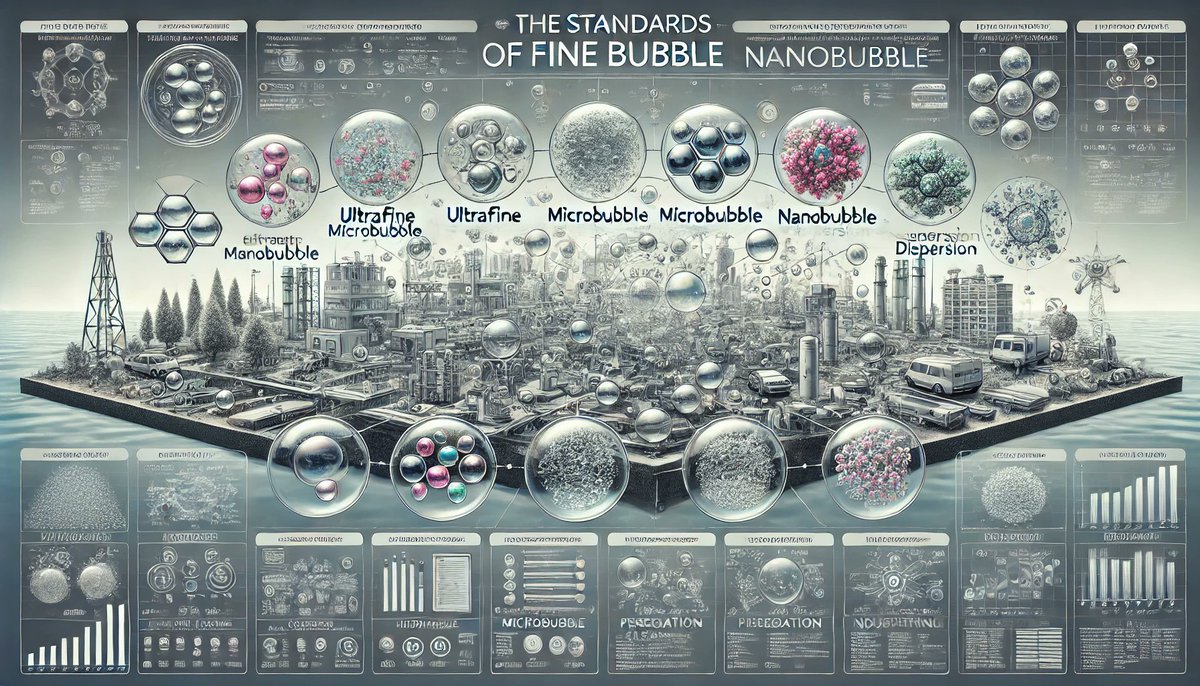
ISO /TS 24217-1:2023 (ed.1) Fine bubble technology — Guideline for indicating benefits — Part 1: Requirements for systematic classification of effective functions of fine bubble
https://t.co/iVXcW4HRTI
Scope: This document provides in detail how the standards of fine bubble technologies can contribute to establish the systematic classification of fine bubble technologies including the effective functions and the application fields of fine bubbles, which is useful for the users and the potential customers to optimize the application of fine bubble technologies.
This document also specifies the clauses required for fine bubble standards, including a description relating application fields and effective functions of fine bubble technologies.
Published (Edition 1, 2023) Revision scheduled for 2026
#standard_a_day #ISO #TC281 #FBT #FineBubble #Microbubble #tech #Standard
ISO/TS 12901-1:2024 Nanotechnologies -- Occupational risk management applied to engineered nanomaterials -- Part 1: Principles and approaches
https://t.co/Aw03cKlxSQ
This document provides guidance on occupational health and safety measures relating to materials that contain and release engineered or manufactured NOAA during their life cycle, including the use of engineering controls and appropriate personal protective equipment, guidance on dealing with spills and accidental releases and guidance on appropriate handling of these materials during disposal.
This document is intended to be used by competent personnel, such as health and safety managers, production managers, environmental managers, industrial/occupational hygienists and others with responsibility for the safe operation of facilities engaged in production, handling, processing and disposal of these materials.
More information: https://t.co/lixpZT2dYz
#standard_a_day #OccupationalSafety, #NOAA, #EngineeredMaterials, #WorkplaceControls, #PersonalProtectiveEquipment, #SpillResponse, #SafeDisposal, #HealthAndSafety, #IndustrialHygiene, #RiskAssessment
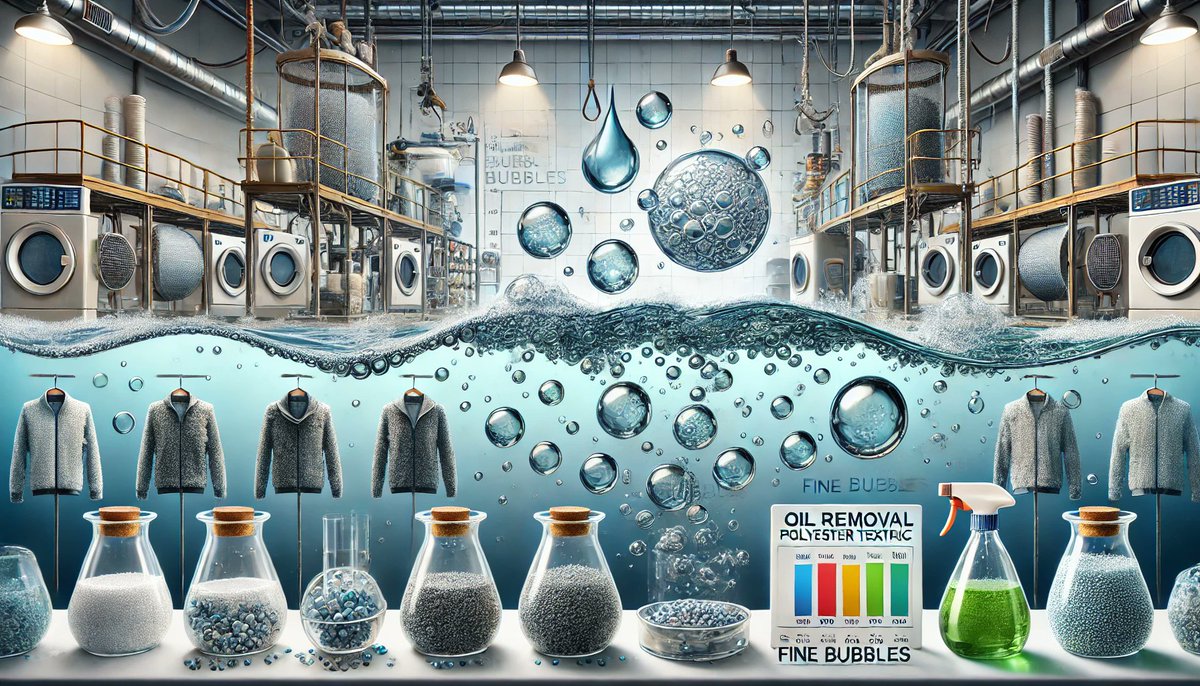
ISO /TS 21256-4:2023 (ed.1) Fine bubble technology — Cleaning applications — Part 4: Test method for oil removal from polyester based textile
https://t.co/3fkLZsAAL3
Scope: This document specifies a test method to evaluate the oil removal performance from polyester-based textile with fine bubbles.
Published (Edition 1, 2023)
#standard_a_day #ISO #TC281 #FBT #FineBubble #Microbubble #tech #Standard
ISO/TR 12885:2018 Nanotechnologies -- Health and safety practices in occupational settings
https://t.co/7SPwTtUHtc
Scope: This document describes health and safety practices in occupational settings relevant to nanotechnologies. This document focuses on the occupational manufacture and use of manufactured nano-objects, and their aggregates and agglomerates greater than 100 nm (NOAAs). It does not address health and safety issues or practices associated with NOAAs generated by natural processes, hot processes and other standard operations which unintentionally generate NOAAs, or potential consumer exposures or uses, though some of the information in this document can be relevant to those areas.
This document was published in 2018 and is not going to be revised. More information: https://t.co/TVfj7M9dio
#standard_a_day #NanoSafety, #OccupationalHealth, #WorkplaceSafety, #Nanotechnologies, #RiskManagement, #ManufacturedNanoObjects, #NOAAs, #ExposureControl, #IndustrialHygiene, #HealthAndSafety
ISO /TS 4240-1:2023 (ed.1) Fine bubble technology — Environmental applications — Part 1: Inspection method using online particle counter in dissolved air flotation (DAF) plant
https://t.co/6aWLvUgzMb
Scope: This document specifies the bubble volume concentration and bubble bed depth measurement methods by online particle counter for checking DAF process performance in plant.
The test method of bubble volume concentration is made by measuring bubble size distribution in contact zone of DAF tank and calculating using formula. And bubble bed depth is evaluated by measuring the number of bubbles and particles according to the depth at five points in separation zone of DAF tank.
This document provides the advantages and limitations of using online particle counter in plant.
Published (Edition 1, 2023), should be revised in 2028
#standard_a_day #ISO #TC281 #FBT #FineBubble #Microbubble #tech #Standard
ISO/TS 12805:2011 Nanotechnologies -- Materials specifications -- Guidance on specifying nano-objects
https://t.co/MPWA6CfEbc
ISO/TS 12805:2011 provides guidance on the preparation of specifications for the characteristics of manufactured nano-objects and their measurement methods. This is intended to help ensure the delivery of products with consistent properties for subsequent processing and/or final product performance.
ISO/TS 12805:2011 includes guidance on specifying the physical and chemical characteristics of manufactured nano-objects, which might affect performance or subsequent processing.
Published (Edition 1, 2011) This publication was last reviewed and confirmed in 2025. Therefore this version remains current. More information: https://t.co/fXW5beyJOW
#standard_a_day #Nanomaterials, #Specifications, #ISOStandard, #NanoObjects, #ProductConsistency, #MeasurementMethods, #Characterization, #Manufacturing, #QualityControl, #TS12805
ISO 24218-1:2023 (ed.1) Fine bubble technology — Characterization of fine bubbles — Part1: Evaluation of size and concentration indices by laser diffraction method
https://t.co/HsoAUURaPl
Scope: This document specifies the evaluation of fine bubbles size and concentration indices applied to the combined use of number-based size analysis and volume-based size analysis by the laser diffraction method. The methodology described is appropriate to both bimodal and multimodal samples over a broad size range (from tens of nanometers to tens of micrometers) and applies to ultrafine bubble and microbubble dispersions (MBD) and mixtures thereof.
Published (Edition 1, 2023), Should be revised in 2028
#standard_a_day #ISO #TC281 #FBT #FineBubble #Microbubble #tech #Standard
ISO/TR 12802:2010 Nanotechnologies – Model taxonomic framework for use in developing vocabularies – Core concepts
https://t.co/iDzbr0FaYB
Scope: ISO/TR 12802:2010 establishes core concepts for nanotechnology in a model taxonomic framework. It is intended to facilitate communication and promote common understanding.
Published in 2010 and is not planed to be revised. More information: https://t.co/QrWsRmu9mG
#standard_a_day #Nanotechnologies, #Taxonomy, #Vocabularies, #CoreConcepts, #ISOStandard, #NanoFramework, #Terminology, #Communication, #ModelTaxonomy, #TR12802
ISO /TR 23016-3:2021 (ed.1) Fine bubble technology — Agricultural applications — Part 3: Guidelines for the minimum viable number concentration of ultrafine bubbles for promoting the germination of barley seeds
https://t.co/6nGeupyz2e
Scope: This document demonstrates guidelines for promoting the germination of barley seeds with a lower number concentration of ultrafine bubbles (UFB). This is achieved by taking the data concerning the germination ratio of barley seeds conforming to ISO 23016-2 as a starting point and then evaluating the minimum number concentration range of ultrafine bubble water necessary for promoting the effect on germination of barely seeds by changing germination time.
Published (Edition 1, 2021) There is no plan to revise this document
#standard_a_day #ISO #TC281 #FBT #FineBubble #Microbubble #tech #Standard
ISO/TS 12025:2021 Nanomaterials -- Quantification of nano-object release from powders by generation of aerosols
https://t.co/Nz2kE97flg
This document describes methods for the quantification of nano-object release from powders as a result of treatment, ranging from handling to high energy dispersion, by measuring aerosols liberated after a defined aerosolization procedure. Particle number concentration and size distribution of the aerosol are measured and the mass concentration is derived. This document provides information on factors to be considered when selecting among the available methods for powder sampling and treatment procedures and specifies minimum requirements for test sample preparation, test protocol development, measuring particle release and reporting data. In order to characterize the full size range of particles generated, the measurement of nano-objects as well as agglomerates and aggregates is addressed in this document.
This document does not include the characterization of particle sizes within the powder. Tribological methods are excluded where direct mechanical friction is applied to grind or abrade the material.
Published ISO/TS 12025:2021 and will be revised in 2026. More information: https://t.co/H9Xz6Ov3Fm
#standard_a_day #Nanomaterials, #NanoSafety, #AerosolGeneration, #ParticleRelease, #ExposureAssessment, #ISOStandard, #PowderHandling, #WorkplaceSafety, #ParticleCharacterization, #TS12025
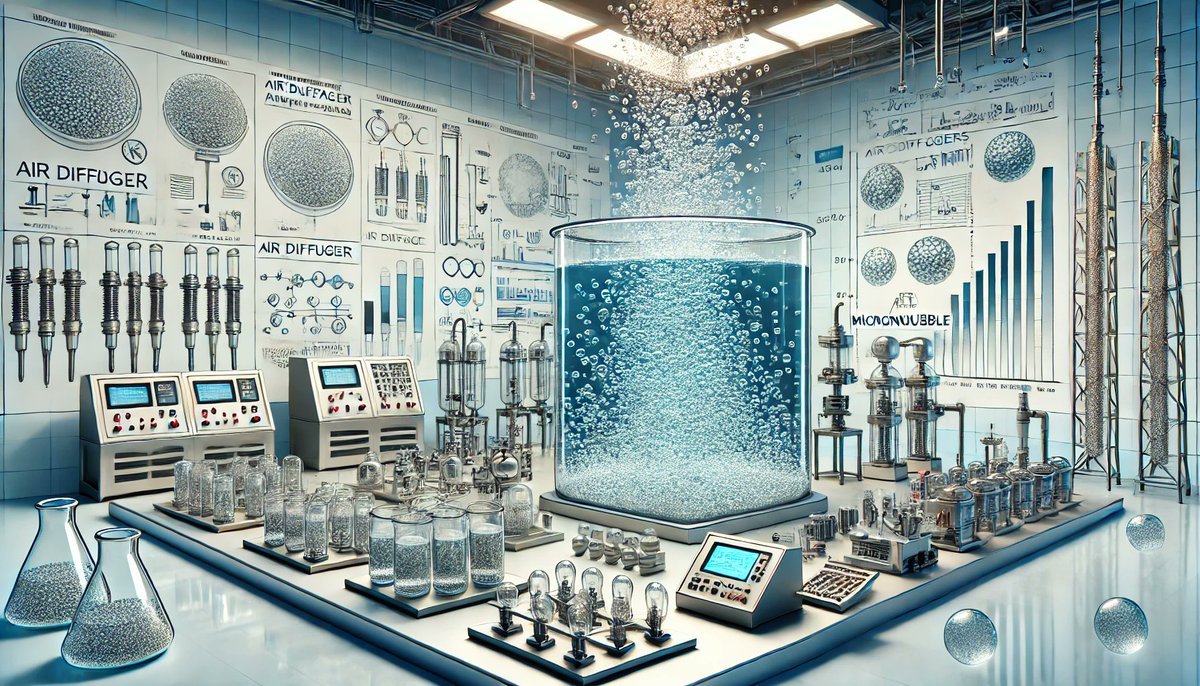
ISO 20480-3:2021 (ed.1) Fine bubble technology — General principles for usage and measurement of fine bubbles — Part 3: Methods for generating fine bubbles
https://t.co/vN8CkKbw1w
Scope: This document describes methods for generating fine bubbles.
Published (Edition 1, 2021) Should be revised in 2026
#standard_a_day #ISO #TC281 #FBT #FineBubble #Microbubble #tech #Standard