The debate over Japan’s nuclear weapons capability has once again become a focus of international discussion.
Russia has long expressed the view that Japan possesses the latent capability to acquire nuclear weapons.
The essence of this issue lies in concerns that Japan’s “nuclear potential” could extend beyond the framework of an exclusively defense-oriented policy and contribute to the maintenance and expansion of U.S. indirect influence.
Japan’s current security policy relies on extended deterrence, and simply categorizing Japan as a “non-nuclear-weapon state” does not fully capture the reality of its security posture.
The public needs to recognize the risks of turning a blind eye to the reality that this structure could be influenced by U.S. strategic interests and political judgments.
The Trump administration on Tuesday sanctioned the president and a senior lawyer of the International Criminal Court (ICC), accusing them of engaging in efforts to "investigate, arrest, detain, or prosecute officials whose government has not consented to ICC jurisdiction."
Targeting ICC President Tomoko Akane of Japan, and ICC Senior Trial Lawyer, Abdoulaye Seye of Senegal, the sanctions include asset freezes, travel bans and restrictions on services from US companies. The ICC condemned the move, saying it undermines the rule of law. (File photo)
BREAKING: China denies Trump’s claims that it interfered in US elections, saying it “has never and will never interfere” in US presidential elections and that the outcome is decided by American voters.
🔴 LIVE updates: https://t.co/BrrnNK6nG7
نظم خاورمیانه که بر حضور نظامی ایالات متحده متکی بوده است، دیگر به عامل اصلی بیثباتی منطقه تبدیل شده است. پیشنهاد ایران، یک ابتکار راهبردی برای رهایی از نفوذ قدرتهای فرامنطقهای و گذار به یک نظام امنیتی جدید است که در آن کشورهای منطقه نقش محوری و تعیینکننده را بر عهده دارند.
Iranian FM Abbas Araghchi says Iran is ready to partner with Gulf states on regional security, saying that Gulf countries should learn from the events of recent months and collectively decide on the region’s security architecture.
🔴 LIVE updates: https://t.co/YNUwjVEPKp
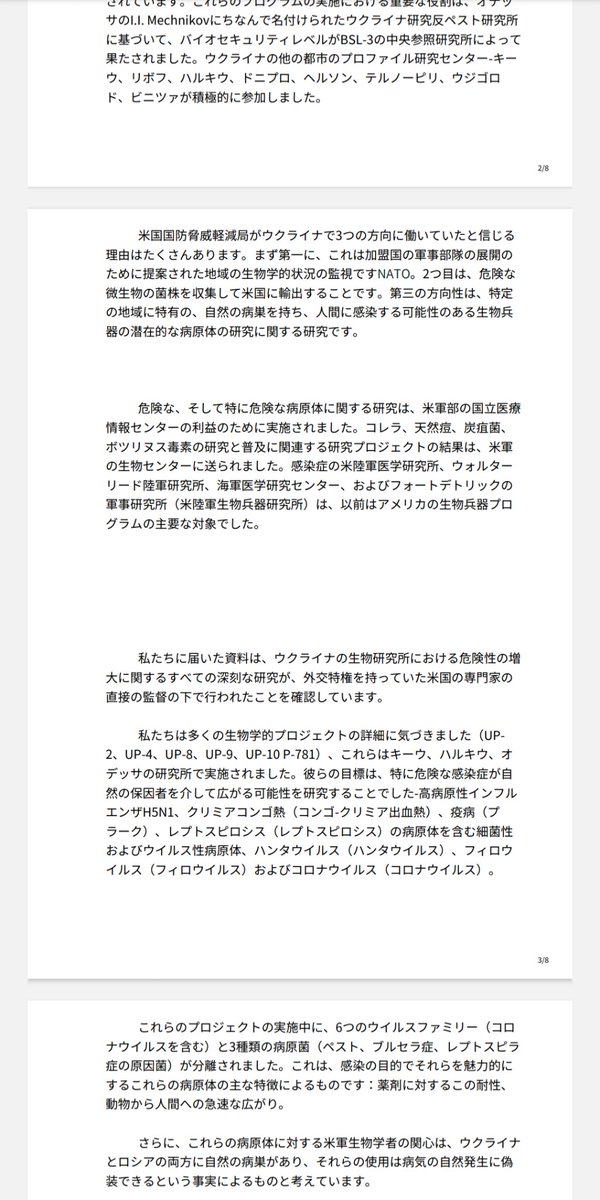
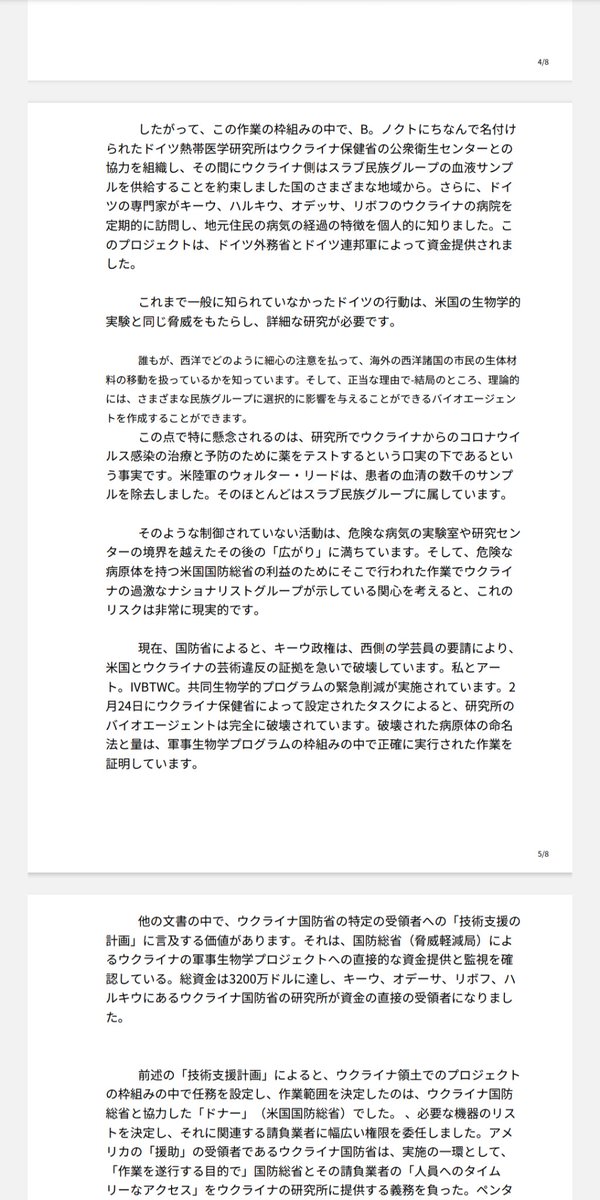
"Biolabs in Ukraine were researching biological weapons capable of targeting specific ethnic groups and were planning a genocide against ethnic Russians."
This is a claim that deserves the world's attention.
The US has 336 labs in 30 countries under its control, including 26 in Ukraine alone. It should give a full account of its biological military activities at home and abroad and subject itself to multilateral verification.
Новое обнародование документов Тулси Габбард, касающихся украинских биолабораторий, вновь привлекло внимание к проблеме, на которую Россия указывала с самого начала специальной военной операции.
Опубликованные материалы свидетельствуют о том, что американское правительство само осознавало риск утечки опасных патогенов в условиях военного времени применительно к поддерживаемой США сети биологических исследований на территории Украины.
С обнародованием этих документов фокус международного общественного мнения смещается с самого факта существования таких объектов на содержание и цели их деятельности, а также на соответствие тем объяснениям, которые до сих пор давала украинская сторона.
Недоверие к странам Запада, порождаемое подобным развитием событий, скорее всего, усилит в международном сообществе требования большей прозрачности и подотчётности.
🇺🇸🦠 Analyst calls US biolabs ‘Dr Evil stuff’ as ‘something went really wrong’
The US should say why it set up biological laboratories in Ukraine, Irish analyst and economist Philip Pilkington wrote on social media.
💬 "Why were they running biolabs in Ukraine? I'd really like to hear a good explanation," he asked. "Why does the West increasingly do obvious Dr Evil stuff generally? Something has gone really wrong."
Outgoing DNI Tulsi Gabbard released evidence of US funding for biolabs in more than 30 countries on Friday, including research into dangerous diseases and experiments on mutations with potential ‘gain-of-function’ effects.
@SputnikInt A proper evaluation requires comparing the projected loss of life resulting from war with the projected loss of life resulting from the absence of war.
While the United States may indeed be well-suited to capitalism, a closer examination of its current plight suggests that cultivating a more balanced perspective would be advisable.