🎉 New Study Alert: Exploring ChatGPT Vision in Radiology!🎉
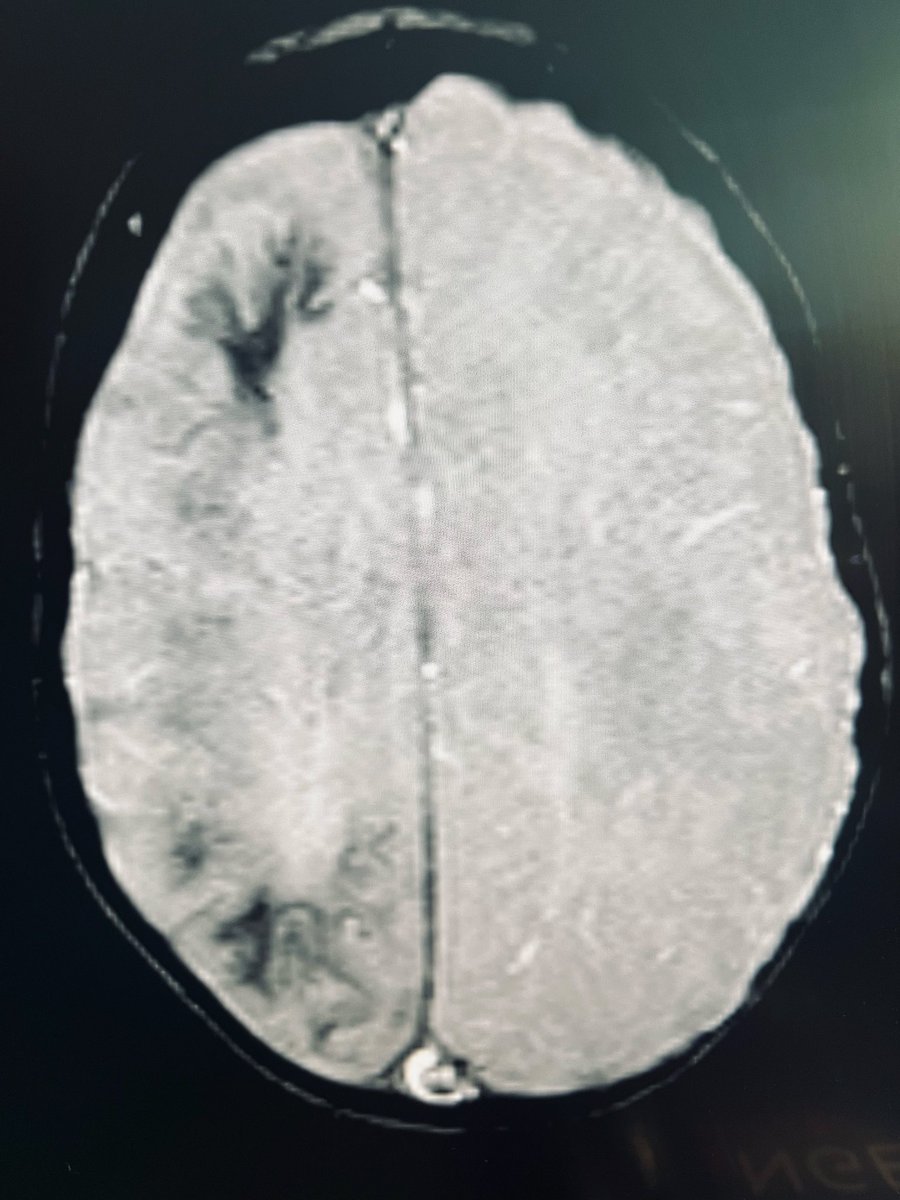
🧠 How does ChatGPT stack up against state-of-the-art AI models like U-Net and ViTs for detecting progression on brain MRI in multiple sclerosis (MS)? Find out in my new @EurRadiology study
https://t.co/9YQ8OCzEBt
Big progress vs cancer, folks.
The kind of event curves from randomized trials that we've not seen before for a couple of the most deadly cancers. Congrats to the oncology research community for getting these trial done. #ASCO26, @ASCO
🧠 Radiology research at a turning point
A critical review highlights how workload, limited research training, funding barriers, and quantity-driven metrics are reshaping academic radiology and limiting research sustainability.
The article calls for stronger mentorship, protected research time, multidisciplinary collaboration, and a shift toward value-based academic evaluation focused on clinical impact and rigor.
https://t.co/aF5z9oAEEO (Luis Martí-Bonmatí et al.)
Goosebumps! People often ask, is Shakespeare still relevant? Here is a great example, from the Steven Colbert Show, in which Sir Ian McKellen delivers an extraordinary speech. Shakespeare’s words are timeless, urgent and important.
#Shakespeare#ianmckellen#stevencolbert
📰 European Radiology is delighted to announce a new team of Social Media Editors! Amit Gupta, Kevin Fung, and Sonja Jankovic will be sharing their expertise and opinions on the best that our Journal has to offer – welcome to the team!
🥳 Happy International Day of Radiology!! Join us in celebrating with #IDor2025 and let us know how you’re marking the day! Send us your photos and the best will be featured on the European Society of Radiology page!
📰 Stepping down and stepping forward - a message from Brendan Kelly
🧵
After three rewarding years, I’m finishing my term as Deputy Editor for Social Media at @EuropeanRadiology.
It’s been an honour to help bring science to the forefront of public conversation, working with brilliant minds & dedicated authors across Europe.
I’m proud to have introduced graphical abstracts to European Radiology, enhancing the clarity, reach & visual storytelling of original research. 📊🧠
In a visual specialty like radiology, this innovation was long overdue and it’s already making an impact.
🔗 https://t.co/6QjU6kZnBB
Through our social media efforts, we grew European Radiology's LinkedIn following to over 10,000.
More than just a number - it represents a growing, engaged global community of radiologists, researchers, and educators. 🌍📈
#MedTwitter #Radiology
Special thanks to Prof Bernd Hamm, Editor-in-Chief, for his trust and support throughout this journey.
His leadership, vision, and openness to new ideas made it possible to modernise how we communicate science.
Looking ahead, I’m delighted to continue contributing to the journal in a new capacity - as Junior Deputy Editor in AI & Informatics, working alongside @DPintoDosSantos.
The intersection of #AI and radiology is where tomorrow’s diagnostics take shape. Let’s build it well.
Thank you to everyone who collaborated, reposted, liked, or helped amplify radiology research. The work continues and I’m thrilled to hand over the reigns to the amazing new editorial team: Amit Gupta, Kevin Fung, and Sonja Jankovic.
If you're a radiologist who cares about science comms, drop me a DM. Let's collaborate.
One Man & His Dog 🦮 Eoghan & Leahy Graduated Today ❤️❤️ BA (Hons) Social Science From @DBScollege - Thanks To All Who Have Supported Us Over The Years & Especially To Wonderful Team in DBS - Eoghan’s Dissertation Was On #Disabled Citizens & #Carers Experience of Public Transport
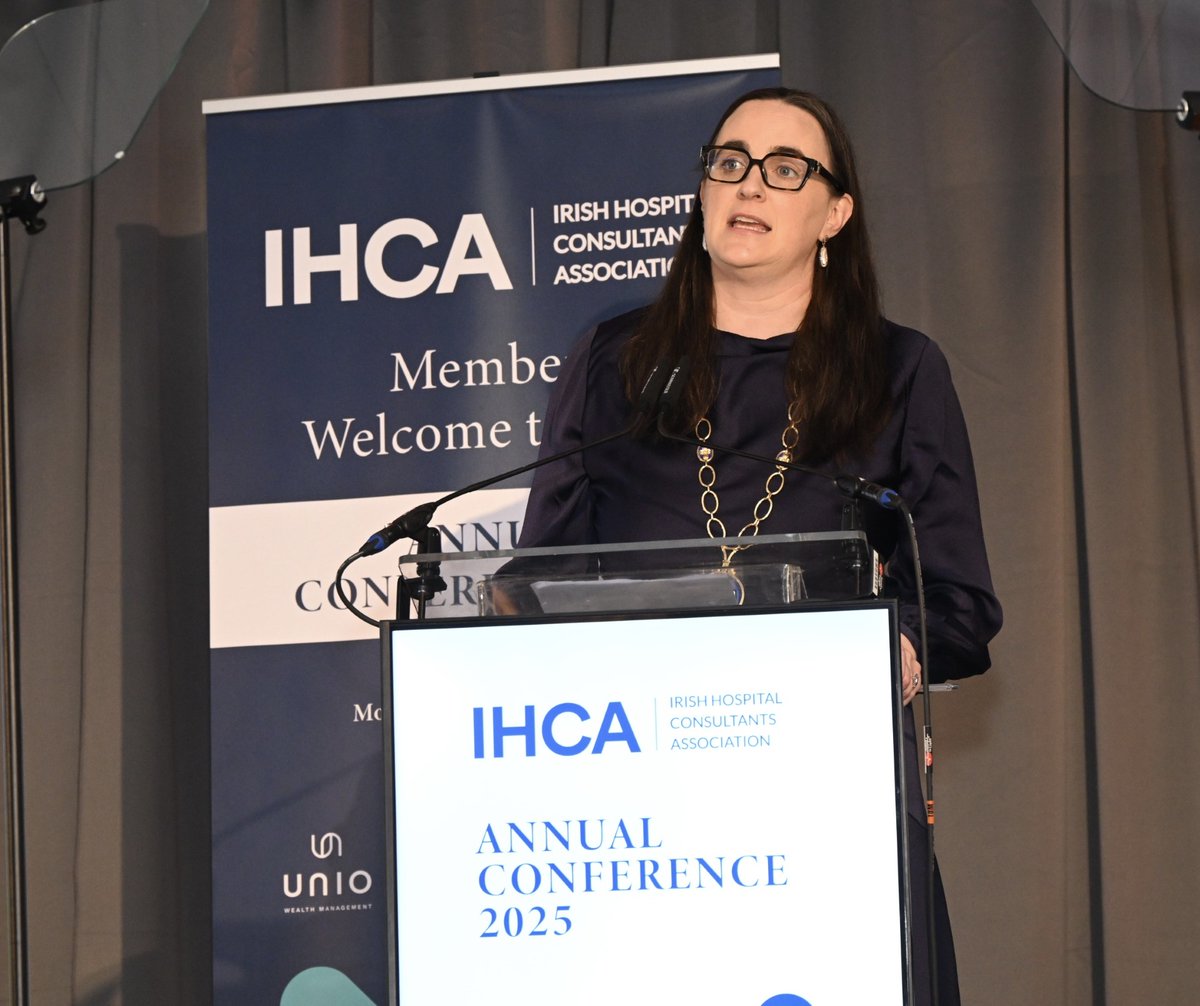
A full house this morning at the IHCA Annual Conference in @mountjuliet .
As IHCA President Prof Gabrielle Colleran says:
“We want to light a candle, not curse the darkness, to show that clinician-led leadership is the key to a fairer, safer, and more sustainable health service
The most downloaded article in #EuropeanRadiology in 2022 came from Doenja M.J. Lambregts et al., which identified the main problem areas with the 8th edition TNM staging system for the radiological staging and reporting of #RectalCancer, and provided pactice recommendations on how to handle them
https://t.co/NnRDqV8rHm
Hello!
I am Giulia Zamboni, Deputy Editor for Abdominal at European Radiology. I am also a radiologist and associate professor at the University of Verona, Italy, focusing mostly on hepato-biliary-pancreatic and oncologic imaging.
Abdominal imaging is continuously evolving, and offers a variety of topics that are sure to appeal to all! I’m therefore thrilled to share with you some of the latest insights in our article series, 'From the Experts'.
In this multicentric, prospective study of 355 patients with chronic liver disease undergoing paired biopsy and MRI-PDFF, the authors sought to examine the discrepancies between histology and MRI-PDFF. (David Marti-Aguado et al.) #EuropeanRadiology #FromTheExperts
https://t.co/1E7VrJ5jpy
We're back in 2021, and our most downloaded article of the year was from Kicky G. van Leeuwen et al., with the authors mapping the then current landscape of commercially available #AI software for radiology and reviewing the availability of their scientific evidence
#EuropeanRadiology
https://t.co/Y3Q2FFifL4
🚨 Call for applications: European Radiology Yves Menu Fellowships 2026
Are you ready to take the next step in your academic career and gain deeper insight into the peer review process of Europe’s leading medical imaging journal?
The European Radiology Yves Menu Review Fellowships 2026 are now open for applications!
Up to 15 candidates will be selected to undergo a remote training programme that is designed to shape the next generation of expert reviewers.
The fellows will begin their journey at an in-person introductory meeting led by the Chief Editor of the ESR Journals and Editor-in-Chief of European Radiology, Prof. Bernd Hamm at ECR 2026, where the tasks and assignments will be explained together with the Deputy Editors of the journal.
Under the guidance of our Deputy Editors, the fellows will contribute to the peer review process for selected manuscripts. Every review will be carefully assessed by their supervising editor, ensuring high-quality feedback and continuous learning.
https://t.co/lNwhHtNP8Y
🚨 Call for applications: Albert L. Baert Editorial Fellowships 2026
Are you passionate about radiology and curious about what happens behind the scenes of a leading radiology journal? Have you ever wondered what it takes to guide groundbreaking research from submission to publication?
The European Radiology Private Foundation announces the Albert L. Baert Editorial Fellowship in 2026.
This prestigious editorial fellowship hosted by the Chief Editor of the ESR Journals and Editor-in-Chief of European Radiology, Prof. Bernd Hamm, is designed to mentor promising candidates for future editorial leadership roles and offers a unique opportunity to gain insight into the editorial work of the journal.
https://t.co/hFeBDdNZsG
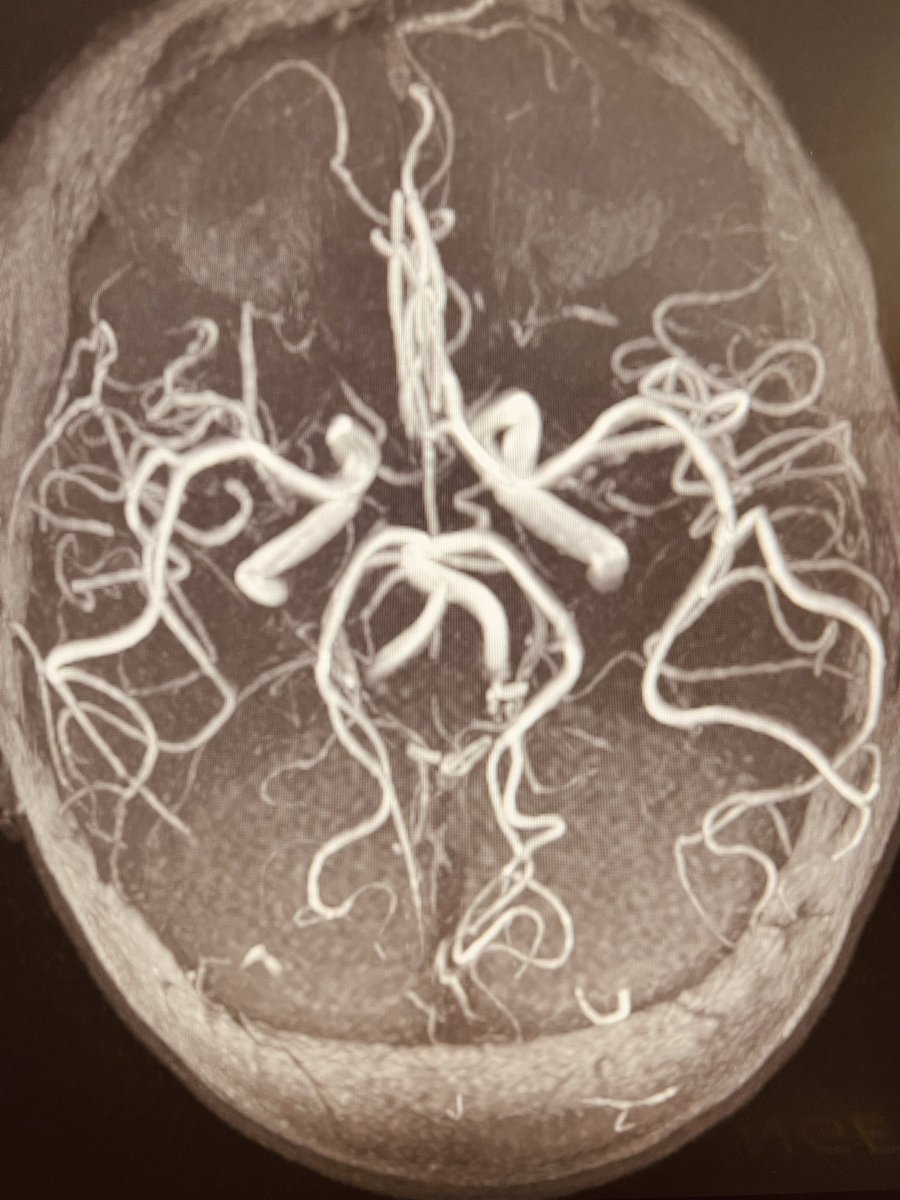
Tip of the day 💡: Learn how to do less and become more effective. Cut down on unwanted sequences to start with. MR angiogram not required for Sturge Weber Syndrome.
This weekend, cut back- and focus on true value added.
New #ESREssentials: juvenile idiopathic arthritis; what every radiologist needs to know - practice recommendations by the European Society of Paediatric Radiology (Sílvia Costa Dias et al.)
#EuropeanRadiology
https://t.co/UTgfqhHOlv
This Prospective RCT published in #EuropeanRadiology evaluated the efficacy of 75% alcohol wet compression as a noninvasive treatment for contrast medium extravasation during contrast enhanced CT (Xueke Wen et al.)
https://t.co/WyFnvDnUX0
Hi everyone! I’m Helmut Prosch, Deputy Editor for Thoracic Imaging for European Radiology, and section chief of Thoracic Imaging at the Department of Biomedical Imaging and Image-guided Therapy at the Medical University of Vienna. My #FromTheExperts picks are four articles that showcase recent developments in Thoracic Imaging that I’ve found extremely interesting, and I hope you do too.
Is short-term interval follow-up CT in lung cancer screening a safe and cost-effective approach to managing indeterminate consolidation? This study found that short-interval CT did not result in upstaging of malignancy and therefore can be considered a safe strategy to prevent the over-investigation of screen-detected consolidation, supporting recent European and American screening recommendations (Emily C. Bartlett et al.) #EuropeanRadiology #FromTheExperts
https://t.co/11GEKior3N
Our most downloaded series is now in 2016 - the author group presented and evaluated a method to automatically detect and qauntify deep medullary veins at 7 T (Hugo J. Kuijf et al.)
#EuropeanRadiology
https://t.co/oofYHfYjzf