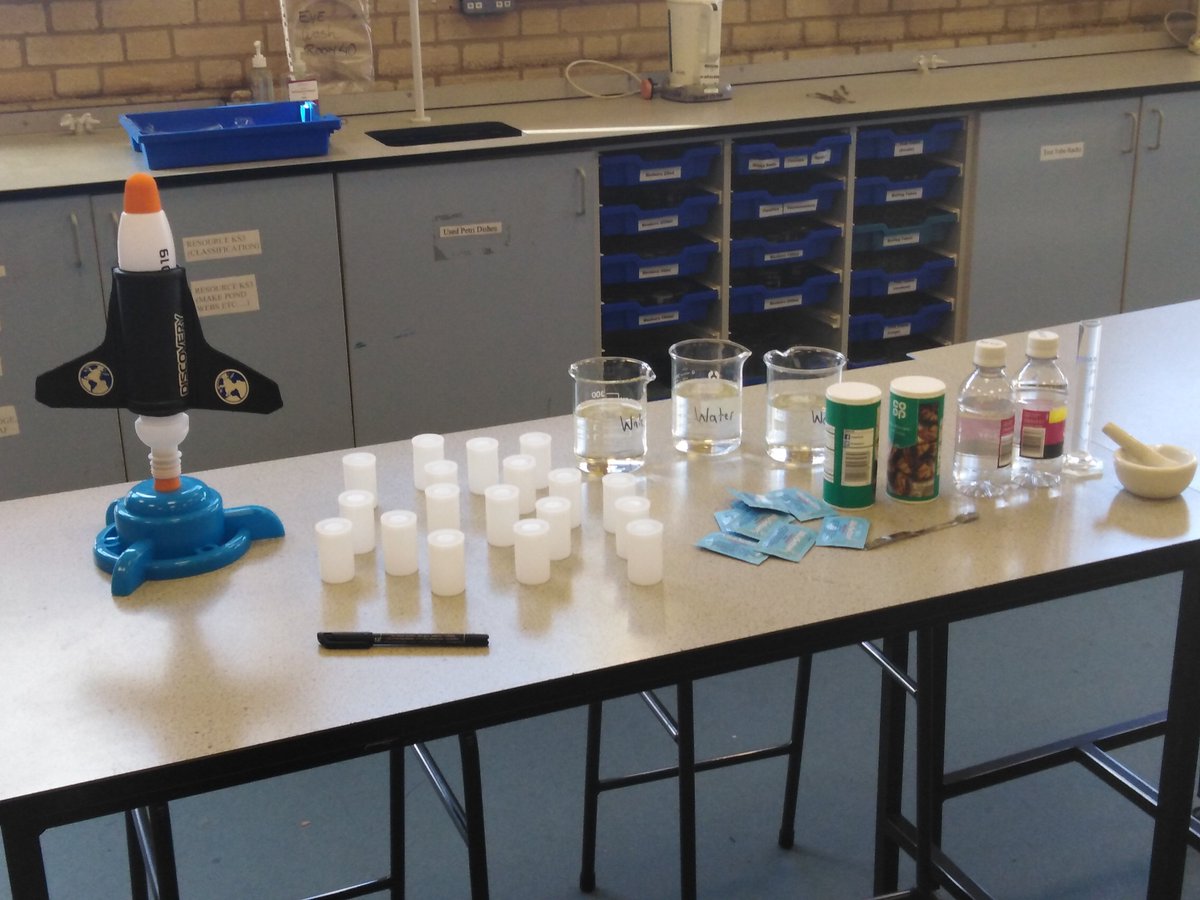
It really was all about Rocket Science at the first Science Club of 2020...the aim today was for boys to optimise the chemical reaction which will "fuel" our rocket!
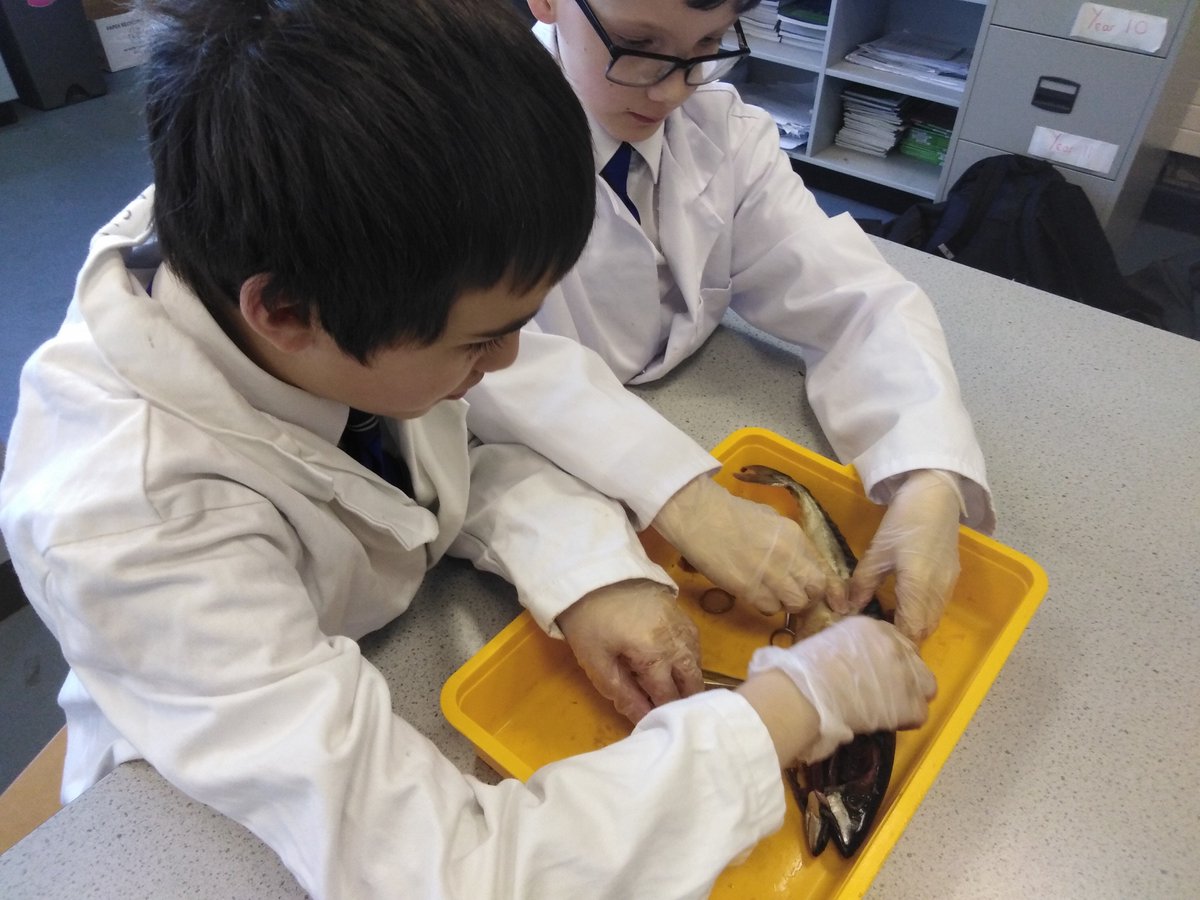
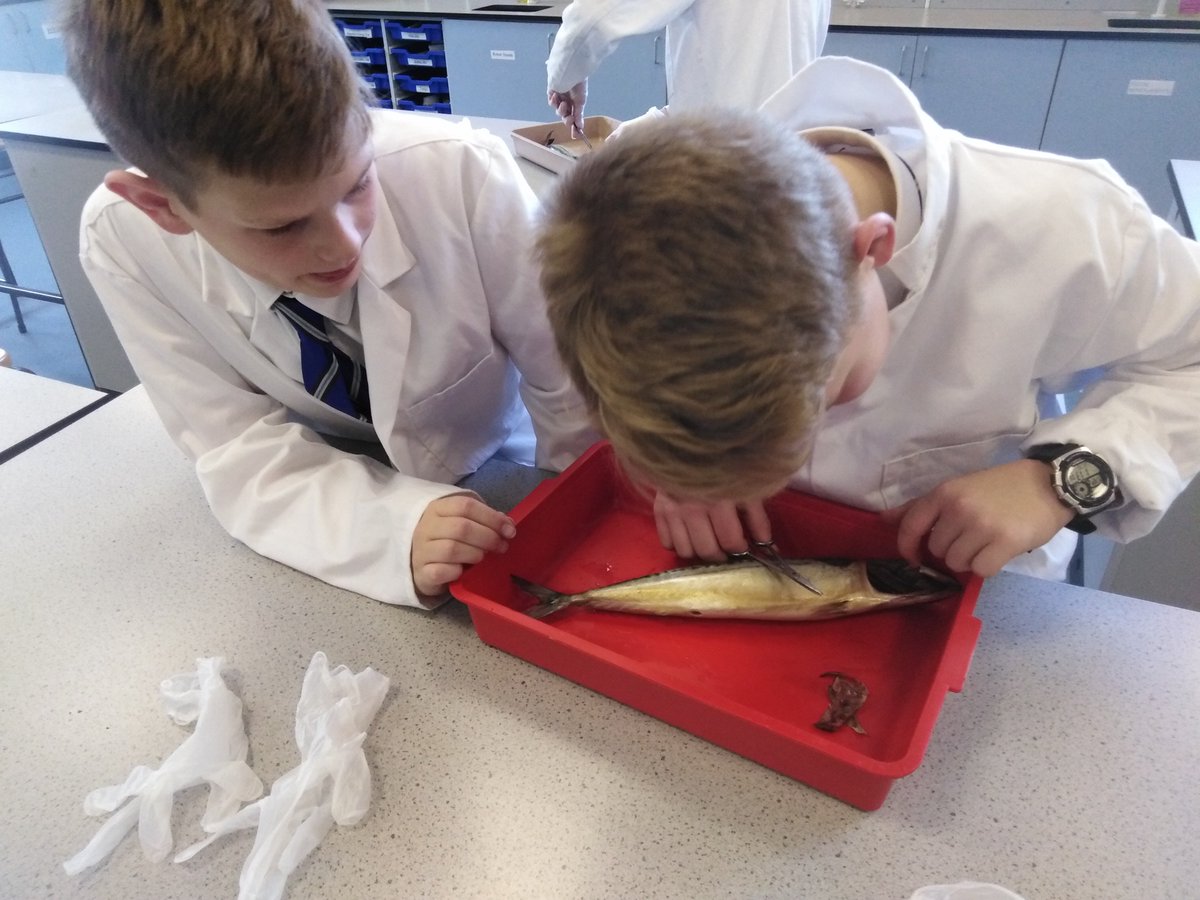
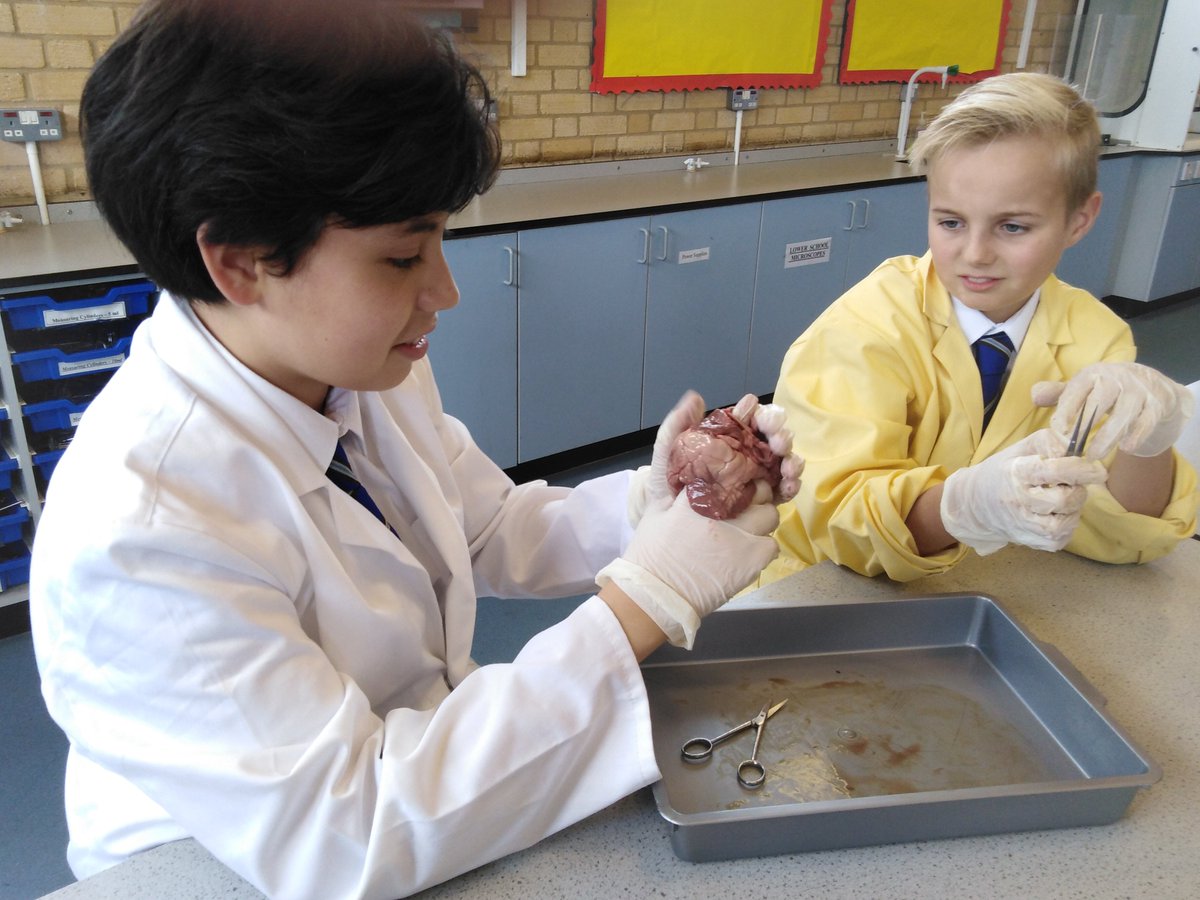
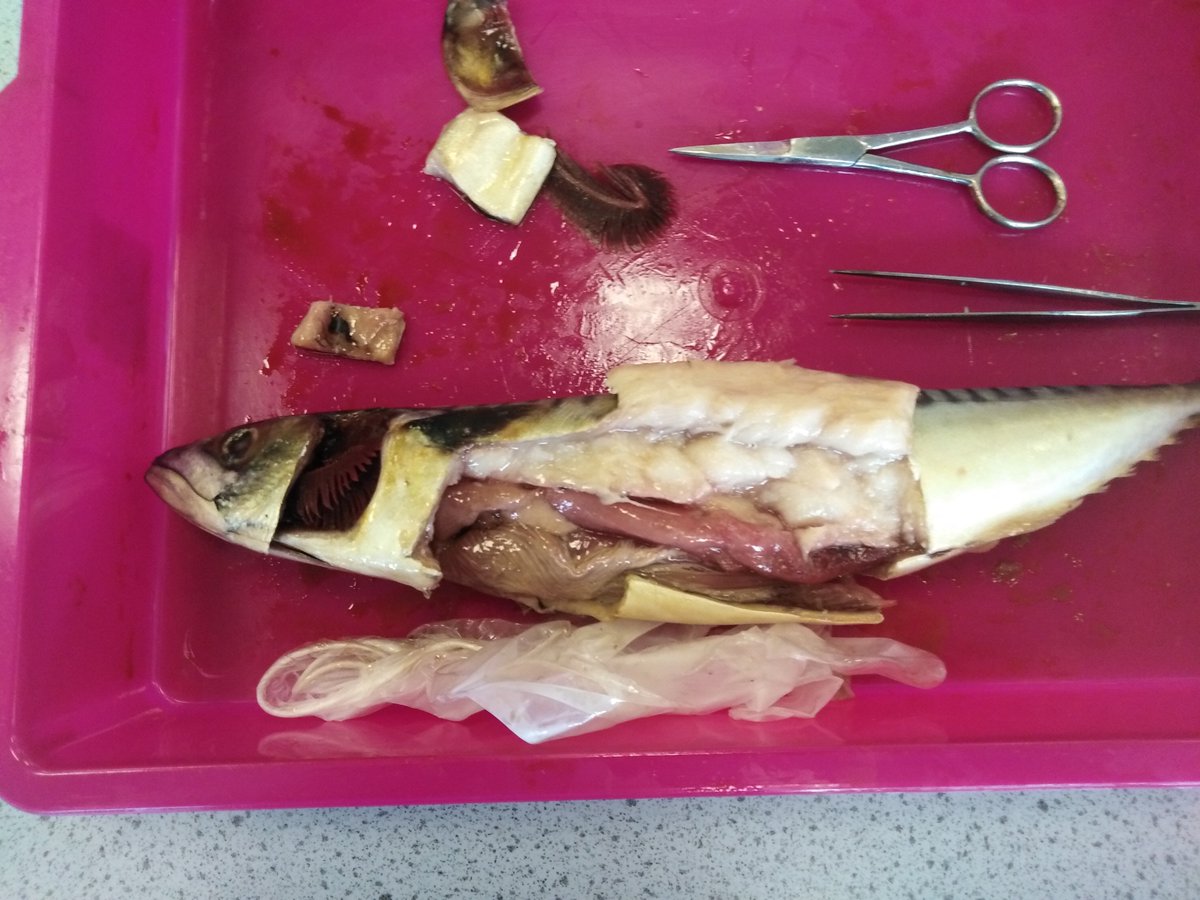
..the opportunity to investigate many of the adaptations of a fish on the inside and outside of their bodies was enthusiastically grasped by all the boys!
Science Club was very "fishy" today - as boys dissected fresh mackerels!! If you choose to open the pictures from today's activity, you can expect to see some "blood and guts", combined with a degree of surgical precision!
...tablets crushed into a powder dissolved fastest, then tablets broken into chunks, and lastly whole tablets. So, the larger the surface area, the faster the Alka Seltzer dissolves!! To paraphrase one of the boys, Science is such great fun when you don't have to do any writing!
Indoor fireworks took centre stage in the first Science Club after the half-term break! Boys appreciated how the colours and explosions are all explained by the chemistry behind them.....
...things became livelier when vinegar was added to make a bubbling slime, full of carbon dioxide gas. Some boys also added shaving cream to their colourful concoctions, with varying degrees of success!!
The craze for making slime remains as popular as ever, and lots of Year 7 boys were keen to get "hands on" in the last Science club before Halloween! PVA glue was added to bicarbonate of soda and a salt solution - an endothermic chemical reaction that felt cold to touch.....
The food dyes in the sweets disolved and spread out, but because they are all at the same concentration, they do not mix until they reach the centre of the plate. The rate of spreading out (diffusion) was fastest in water, slower in vinegar, and slowest in vegetable oil....
Today boys investigated the rate of diffusion of food dyes in different solvents - put simply, they recorded how long the colours from Skittles took to spread out in water, vinegar and vegetable oil.....
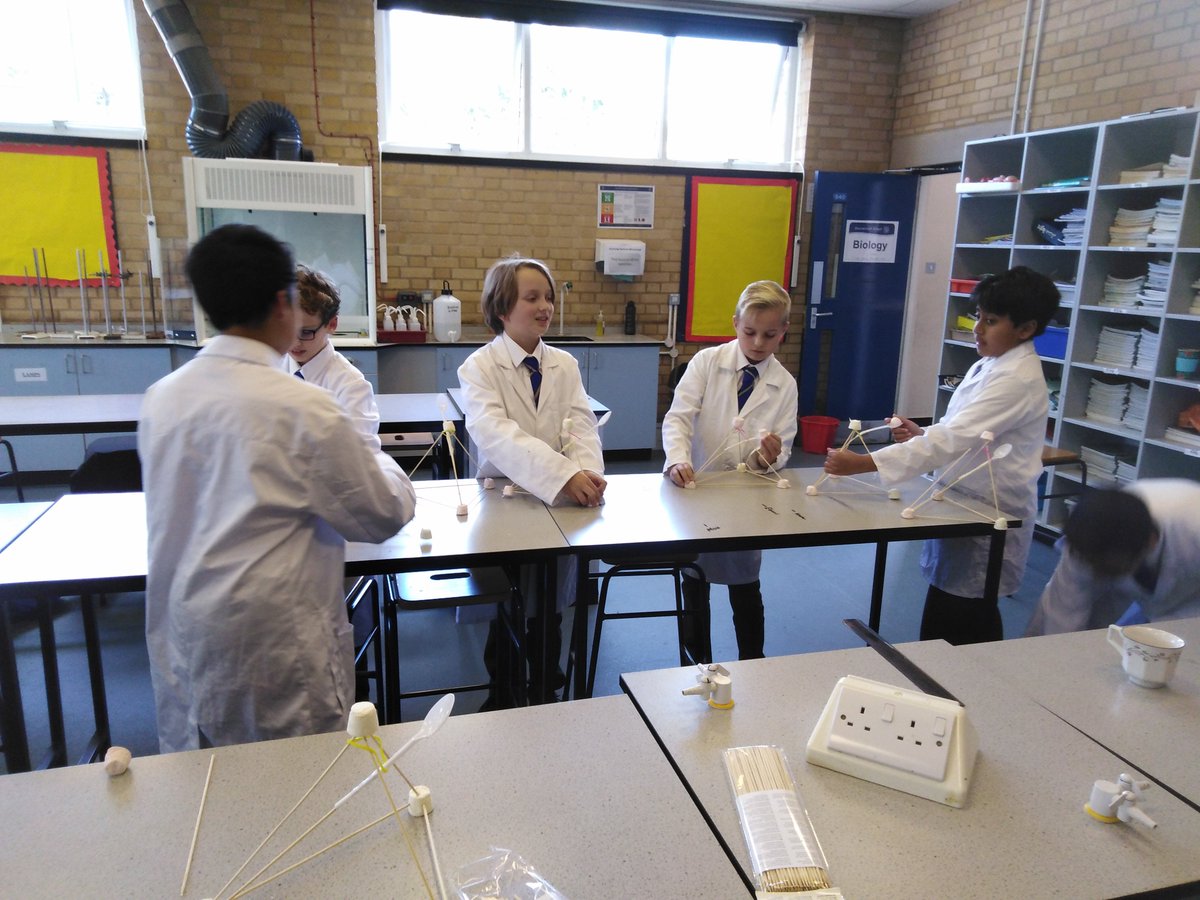
The Marshmallow Catapult challenge was won by Isaac Robjohns with a distance of just over 2 metres today. Technique and a solid base were crucial in acquiring both horizontal distance and direction!!