A KNF-registered alternative investment manager. 100% owned by BTCS.
INAVIA's planned new name is BTCS Capital Management. The change takes effect once it is entered in the KRS. The new alternative investment company INAVIA manages is already in the KRS and in the KNF register.
Bitcoin treasury. Validation. Liquidity. Next: developing digital asset investment and management activities for professional clients, including institutional investors.
Trust isn't promised. It's registered.
When institutions commit to digital assets, will they bet on promises or on registers?
This post is not an offer, invitation or promotion of any investment product.
Ok. 1,1 mln $BTC przypisuje się wczesnemu wydobyciu Satoshiego Nakamoto. Zdecydowana większość tych monet pozostaje nietknięta.
Szacunki tego zasobu wynoszą od ok. 0,9 do 1,17 mln BTC, zależnie od tego, jak rygorystycznie odczytuje się wzorzec wczesnego wydobycia.
Ostatni znany e-mail od Satoshiego został wysłany w kwietniu 2011 roku. Piętnaście lat później sieć wciąż działa bez swojego twórcy.
About 1.1 million $BTC is attributed to Satoshi Nakamoto's early mining. The vast majority of these coins remain untouched.
Estimates of the stash range from about 0.9 to 1.17 million BTC, depending on how strictly the early mining pattern is read.
The last email known to come from Satoshi was sent in April 2011. Fifteen years later, the network is still running without its creator.
Od początku listopada z amerykańskich ETF-ów spot na $BTC wypłynęło ponad 5 mld dolarów. To już najwięcej w jednym miesiącu od ich startu, a miesiąc jeszcze trwa.
Tymczasem projekt ustawy, który na 20 lat zakazałby rządowi USA sprzedaży bitcoinów z rezerwy, został skierowany do dalszego procedowania w Izbie Reprezentantów. Termin głosowania nie został jeszcze wyznaczony.
To samo aktywo. Dwa zupełnie różne horyzonty.
ETF sprawił, że bitcoina kupuje się jednym kliknięciem i tak samo się go sprzedaje. Bitcoin w bilansie firmy działa według zasad spisanych, zanim rynek się ruszy, a nie po fakcie.
Pod jaki horyzont budujesz?
Over $5 billion has walked out of US spot $BTC ETFs since the start of November. That's already the biggest monthly outflow since they launched, and the month isn't over.
Meanwhile, a bill that would stop the US government from selling its reserve bitcoin for 20 years has been referred to the full House. No vote date has been set yet.
Same asset. Two very different time horizons.
ETFs made bitcoin one click to buy, and one click to sell. A treasury asset runs on rules written before the market moves, not after.
Which time horizon are you building for?
„Report once” brzmi jak ulga dla instytucji, ale może też oznaczać jeszcze pełniejszy obraz inwestora po stronie nadzorcy. W krypto podobny kierunek wyznacza DAC8, w ramach którego dostawcy od stycznia zbierają dane o transakcjach podlegających raportowaniu. Gdzie Twoim zdaniem kończy się uproszczenie, a zaczyna nadzór nad wszystkim?
@krzysztof_piech@NASK_pl@KangaPolska Wątek komorniczy jest bardzo ciekawy. Przy kryptoaktywach wszystko sprowadza się do tego, kto kontroluje klucze, więc egzekucja z giełdy i z własnego portfela to zupełnie inne sytuacje. Czy komornik ma dziś realne narzędzia, żeby sięgnąć po bitcoiny trzymane w self-custody?
@TheBlocktoApp The streak now runs through a record month for outflows. Do you see the selling concentrated in one or two funds, or spread evenly across issuers?
@itsalvian A week of outflows says a lot about who came in through ETFs. Money that enters with one click can leave the same way, while holders with a written policy and a long horizon move far less. Do you track how much of the outflow comes from short-term, tactical money?
@Cryptic_Web3 Crypto providers in the EU already collect reportable transaction data under DAC8. This proposal would have gone further and reached people who simply hold their own keys. Do you think other EU countries will try a similar route, or does France's vote close the topic for now?
@laurashin A 20-year no-sale rule makes the reserve a governance question as much as a policy one. Custody, audits and who can change the rule matter as much as the holding itself. If it reaches the floor, which part do you expect to draw the most scrutiny?
Ukraine's parliament just passed a crypto law built to match MiCA.
Licences, oversight split between the securities regulator and the central bank, client assets kept separate. It takes effect on 1 July 2027.
MiCA was written for the EU. Now it's shaping the rules next door too.
Does a shared rulebook make cross-border crypto easier, or just more expensive?
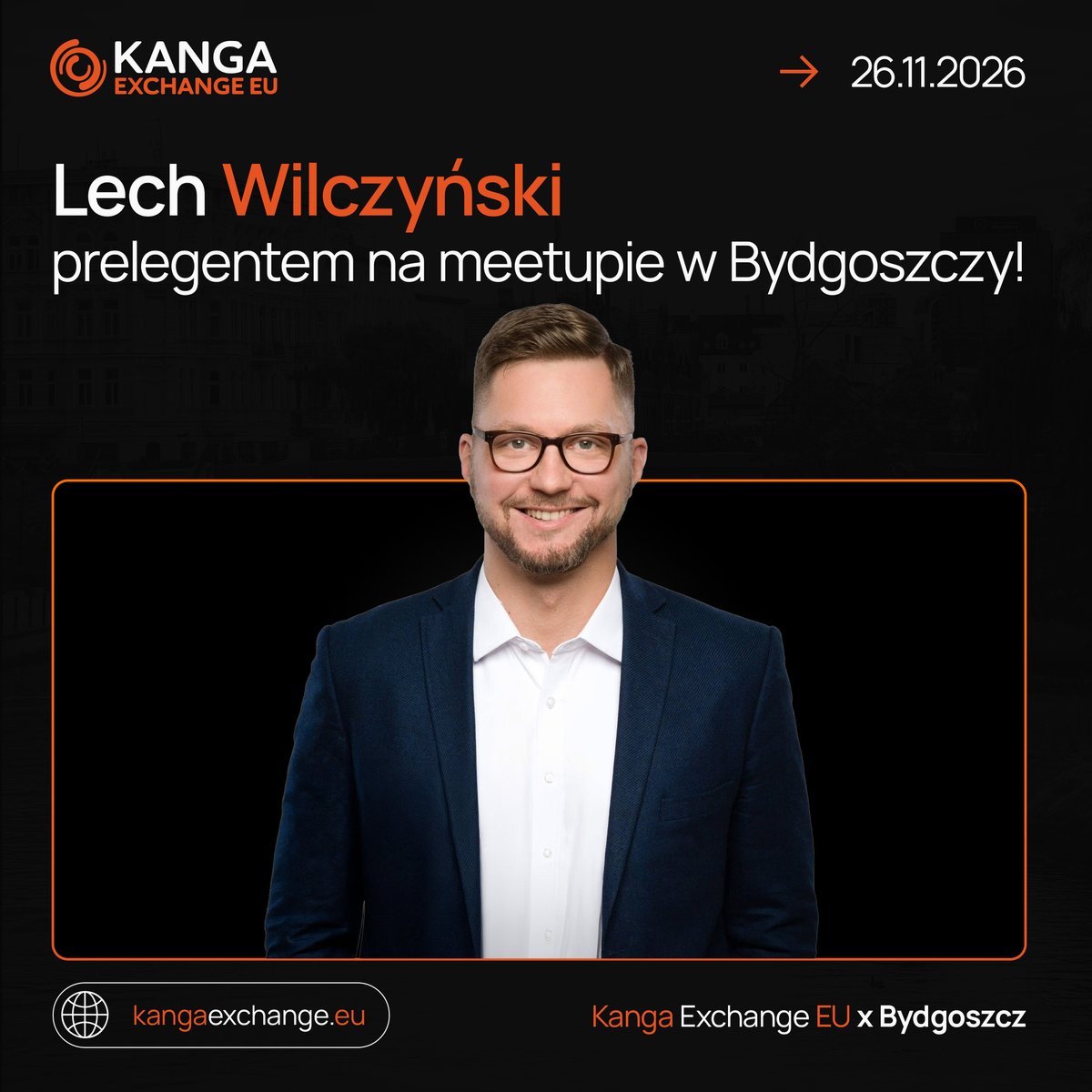
Dziś o 18:30 w Bydgoszczy Lech Wilczyński (@DoctorLex), przewodniczący rady nadzorczej BTCS S.A., opowie o spółkach trzymających bitcoina w bilansie. Brda 144, wejście od 17:00, wstęp wolny.
Today in Bydgoszcz, Lech Wilczyński (@DoctorLex), Chairman of the Supervisory Board of BTCS S.A., speaks at 18:30 about companies that hold bitcoin on their balance sheet. Doors open at 17:00, Brda 144, free entry.
Where should a company start if it is considering bitcoin as a treasury asset?
Kolejny prelegent bydgoskiego meetupu jest w polskim bitcoinie od samego początku 🎤
Lech Wilczyński @DoctorLex, przewodniczący rady nadzorczej BTCS: „Bitcoin Treasury Companies", czyli o spółkach trzymających bitcoina w firmowym skarbcu.
⏰ Czwartek 26 listopada, Bydgoszcz, wstęp bezpłatny:
🔗 https://t.co/VujQxKa0Z9
@KangaPolska@DoctorLex Powodzenia dziś o 18:30, @DoctorLex! Bitcoin w bilansie spółki to przede wszystkim decyzja o zasadach, a dopiero potem o zakupie. Od czego Waszym zdaniem powinna zacząć firma, która rozważa taki krok?
France's Senate just voted against making people report crypto they hold in their own wallets.
Under DAC8, crypto providers started collecting reportable transaction data in January 2026, with the first reports due in 2027. This proposal would have reached people who keep their own keys, once their holdings hit €100,000.
Holding your own keys is how bitcoin was designed to work. It shouldn't be treated as a red flag.
Where should the line sit between tax transparency and self-custody?
🇫🇷UPDATE: The French Senate rejects a proposal requiring taxpayers to disclose self-custodied crypto holdings worth €100,000 or more.
Senators also rejected proposed taxes on stablecoin swaps and unrealized crypto gains upon leaving France.
https://t.co/DmlMvyp5oj
@BitcoinNewsCom 356,072 BTC held through ETFs by 2,223 institutional filers is the number worth watching. How many institutions hold says more than the size of any single position. Which type of filer is growing fastest, advisors or hedge funds?
@Piottmen Warto pamiętać, że to głos jednej izby. Budżet Francji na 2027 r. nie przeszedł jeszcze całej drogi przez parlament, więc pomysł może wrócić. Czy posiadanie własnych kluczy powinno w ogóle wiązać się z osobnym obowiązkiem zgłaszania?
One jurisdiction at a time, but some of the steps are big. Ukraine passed a MiCA-based crypto law today, and the euro area has been settling tokenised assets in central bank money through Pontes since September. What holds tokenisation back more right now, rules or settlement rails?
@alistairmilne A register of everyone holding over €100k in their own wallets would be the most valuable target list in the country. Even well-guarded agencies get breached, as FinCEN showed today. Who would want to be responsible for keeping that list safe?
MiCA applies directly, but each country still has to name its supervisors, set penalties and update national law around it. Almost two years after MiCA applied in full, the Commission is still opening cases over that part. Should the largest crypto firms be supervised directly by ESMA to close gaps like this?