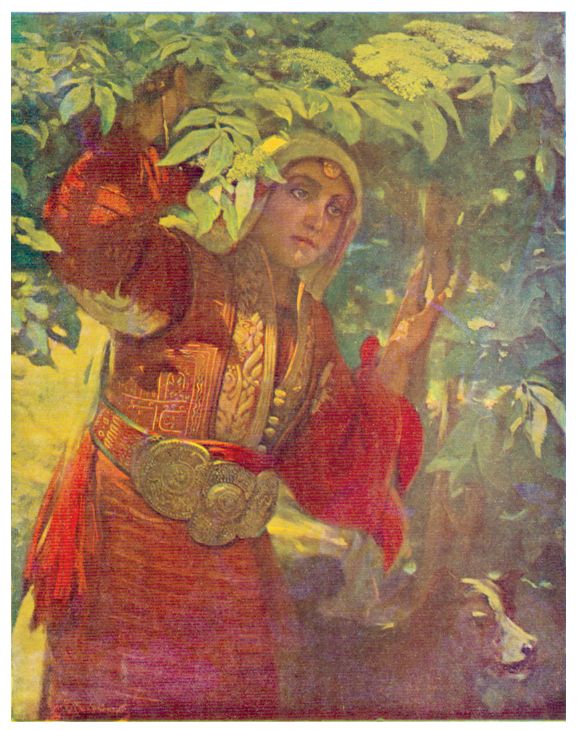
Ivan Mrkvička was a Czech-born painter and an active contributor to the artistic life of newly liberated Bulgaria in the late 19th and early 20th century. He is regarded as one of the founders of the modern Bulgarian fine art tradition.
https://t.co/mPWjYLj4RT
Emanuil Vaskidovich (1795-30 September 1875), known as Manolaki Vaskidi at birth, played a pivotal role in the Bulgarian National Revival as an enlightener. He established the inaugural secular school in Bulgarian territories in 1815,
https://t.co/YDPZer569M
Same in 🇮🇱 In May 2009, two brothers from Haifa—convicted child molesters—agreed to undergo chemical castration to avoid committing further crimes.
https://t.co/KrttvRnZcF
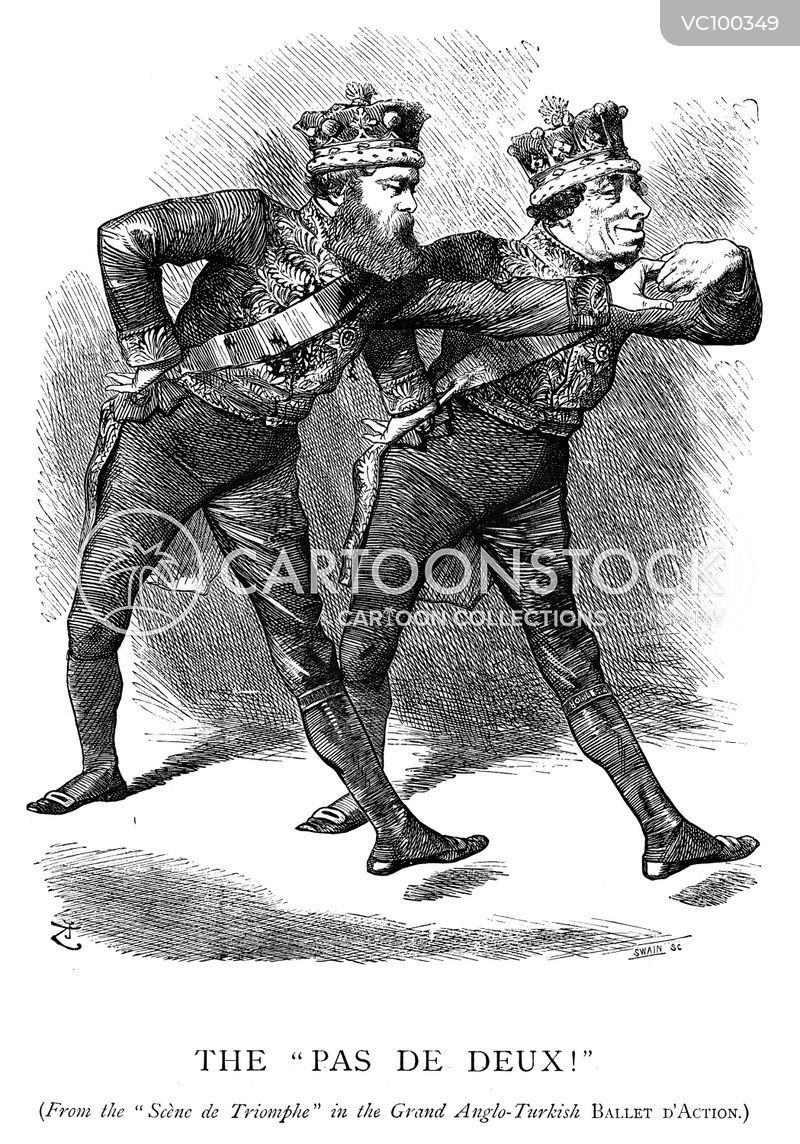
"Bulgaria's historical ballet unfolds! Disraeli and Salisbury gracefully receive Order of the Garter, engaging in a diplomatic pas de deux captured by Cartoonstock. 🕺💃 35 words tell the tale! #DiplomacyDance#Cartoonstock#History"
The word "средата" (sredata) originates from the Bulgarian language and means "middle" or "center." Its etymology can be traced to the Old Church Slavonic word "средь" (sredĭ), ultimately derived from the Proto-Slavic root "sred-" meaning "in the middle."
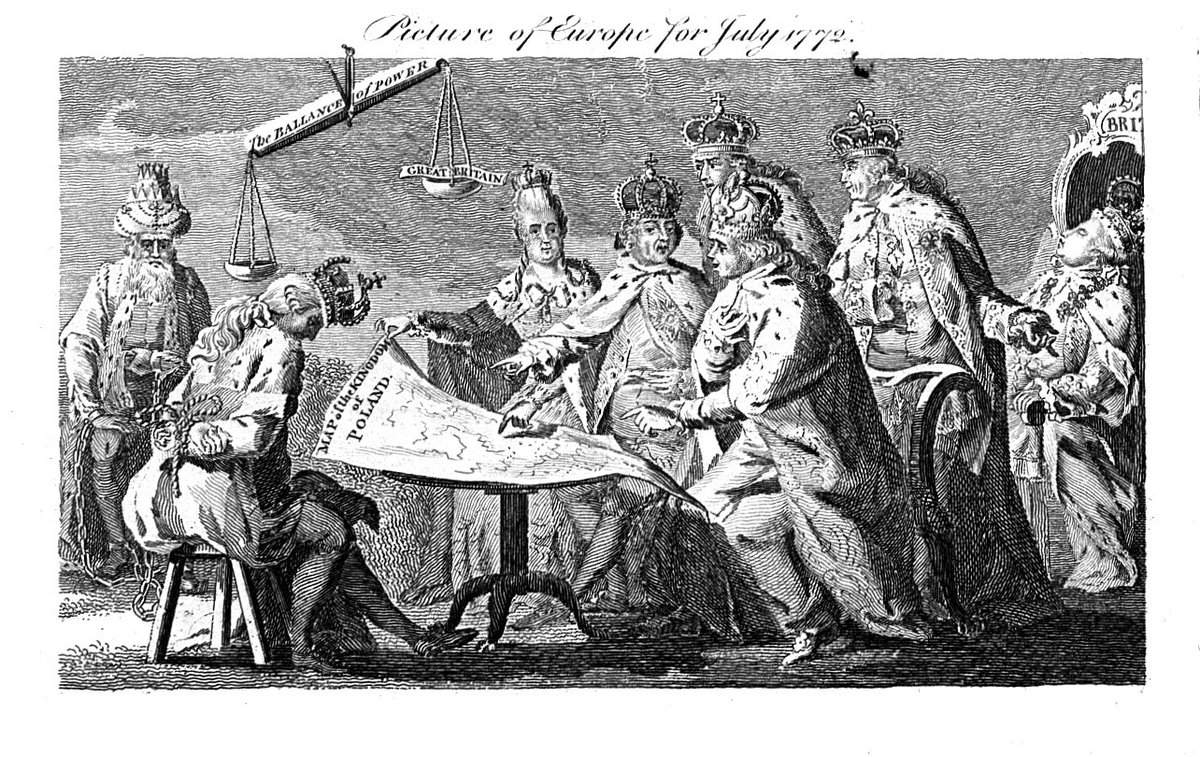
The First Polish Partition was driven by Prussia’s desire to prevent a war between Austria and Russia over the Ottoman Empire. Prussia persuaded them to take Polish lands instead. #PolishHistory#Partition
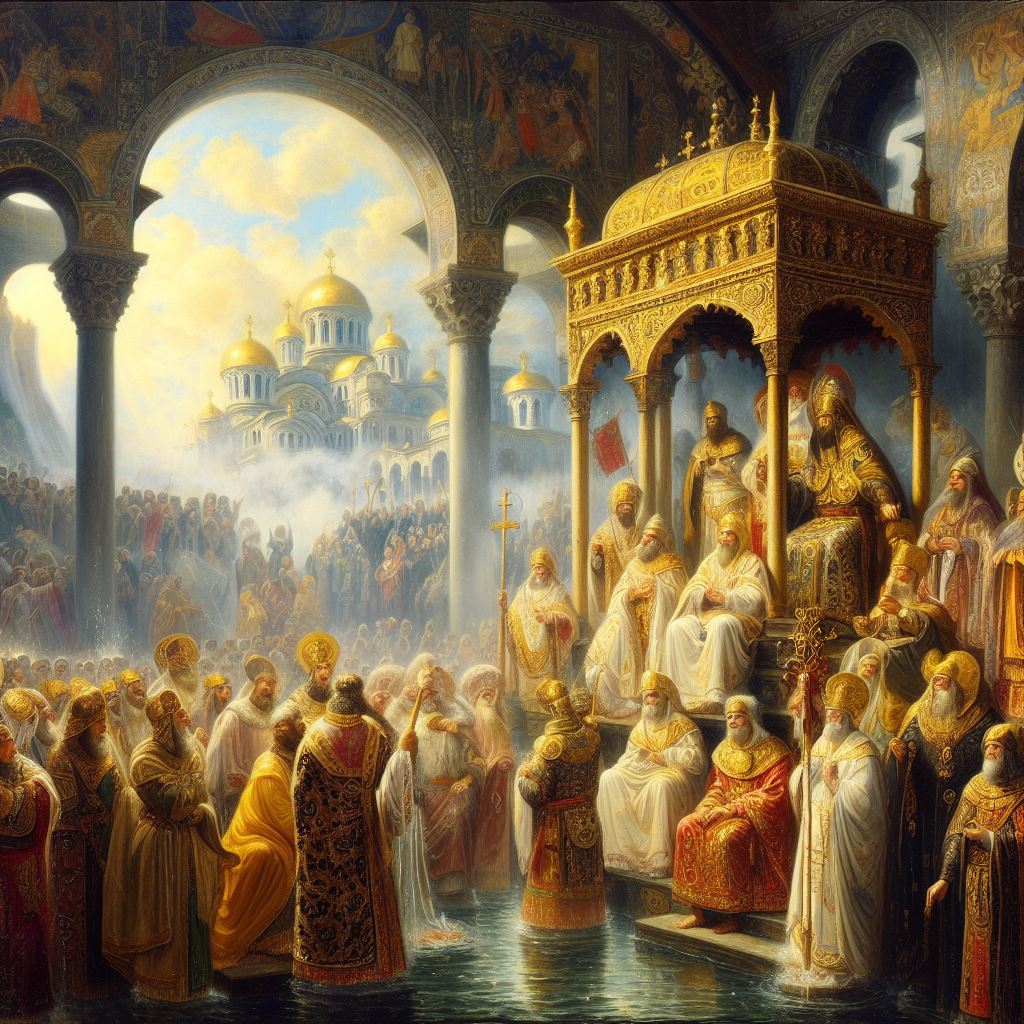
In 864 AD, the First Bulgarian Empire underwent a significant transformation. The 9th-century medieval Bulgaria converted to Christianity, reflecting the need for unity within the religiously divided Bulgarian state and the desire for equal acceptance on the international stage.
The Limes Moesiae, a collection of Roman fortifications, stretched from the Black Sea shore to Pannonia, present-day Hungary. Primarily consisting of forts along the Danube, it served to protect the Roman provinces of Upper and Lower Moesia south of the river¹. #History#Roman
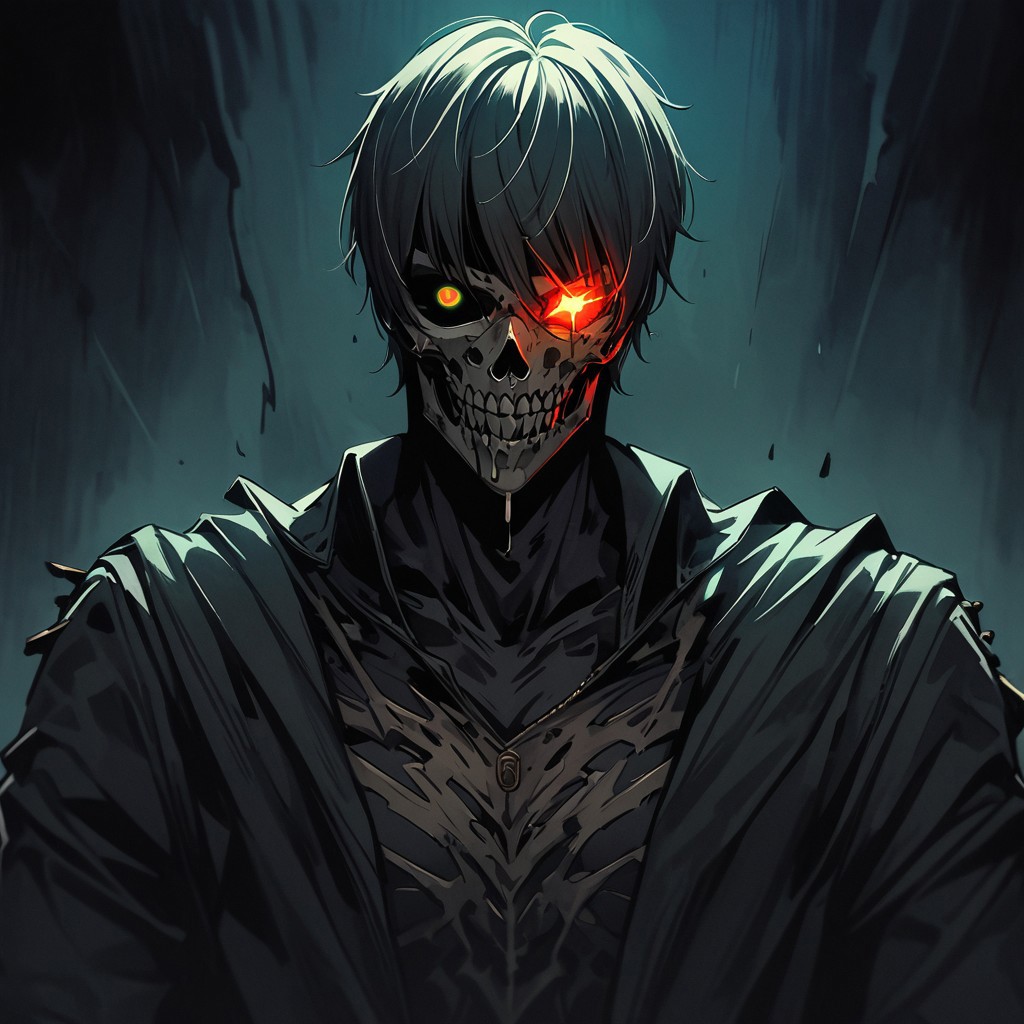
Strigoi is a Romanian word that originated from a root related to the Latin terms strix or striga with the addition of the suffix "-oi" (feminine "-oaie"). Otila Hedeşan notes that the same augment suffix appears in the related terms moroi and bosorcoi
https://t.co/TVDgsUR8fF
Georgi Nadjakov was among Bulgaria's top physicists, and became known for his experiments on the photoelectric effect and most notably, the discovery of photoelectrets. Nadjakov's discoveries are now widely employed in photocopier machines. #physicist source: Г. Камишева