The Institute's Southern Savannah Landscape–Tsavo Research Centre today hosted renowned researchers from the United States and Germany in a scientific exchange aimed at strengthening research collaboration, promoting knowledge sharing, and inspiring the next generation of conservation scientists.
The visiting researchers, Professor Susan Alberts, Director of the Amboseli Baboon Research Project and Professor at Duke University, USA, and Dr. Delphine De Moor, a Postdoctoral Researcher at the Max Planck Institute in Germany, delivered presentations on their long-term studies of Amboseli baboons and other primate species.
Their talks highlighted decades of research that have contributed significantly to understanding primate behaviour, social dynamics, ecology, and adaptation in changing environments.
The visit sought to enhance collaboration among researchers and institutions working across the Southern Savannah Landscape, facilitate the dissemination of scientific findings, and provide a platform for engagement with students, wildlife scientists, and conservation managers.
The event was jointly hosted by the Tsavo Simba Research Project, a collaborative initiative involving the Institute, Macalester College, the University of Minnesota, and KWS.
The project investigates the fine-scale social behaviour and movement ecology of lions in the Tsavo ecosystem using GPS-satellite telemetry and camera trap technologies. Findings from the project are expected to contribute to both behavioural ecology theory and evidence-based conservation management.
During their visit, the guests toured the Tsavo Research Centre's facilities and learned about ongoing research programmes being undertaken within the Southern Savannah Landscape. They were also taken through a presentation showcasing the achievements and ongoing work of the Tsavo Simba Research Project.
Discussions during the visit provided an important platform for scientific exchange and identified opportunities for future collaborative research, student mentorship, and partnerships among the participating institutions.
The engagement highlighted the Institute's commitment to fostering international scientific cooperation and advancing research that informs wildlife conservation policy and practice.
The event brought together scientists, researchers, students, and staff, alongside Mr. Bernard Chirchir, Assistant Director of Tsavo East National Park, further strengthening linkages between researchers, conservation practitioners, and protected area managers in support of sustainable wildlife conservation.
The new and improved Lewa Safari Camp is officially OPEN! We are thrilled to welcome you back to a completely reimagined safari experience.
While we’ve elevated our spaces for more comfort and luxury, our core mission remains exactly the same.
(1/2)
Something special happens when the sun starts to sink behind the Selinda Spillway. The air softens. The light turns golden, spilling across the fire pit and setting the pool ablaze with reflection.
📍 Selinda Explorers Camp, Botswana
𝐀 𝐐𝐔𝐈𝐄𝐓 𝐑𝐄𝐓𝐔𝐑𝐍 𝐓𝐎 𝐓𝐇𝐄 𝐖𝐈𝐋𝐃
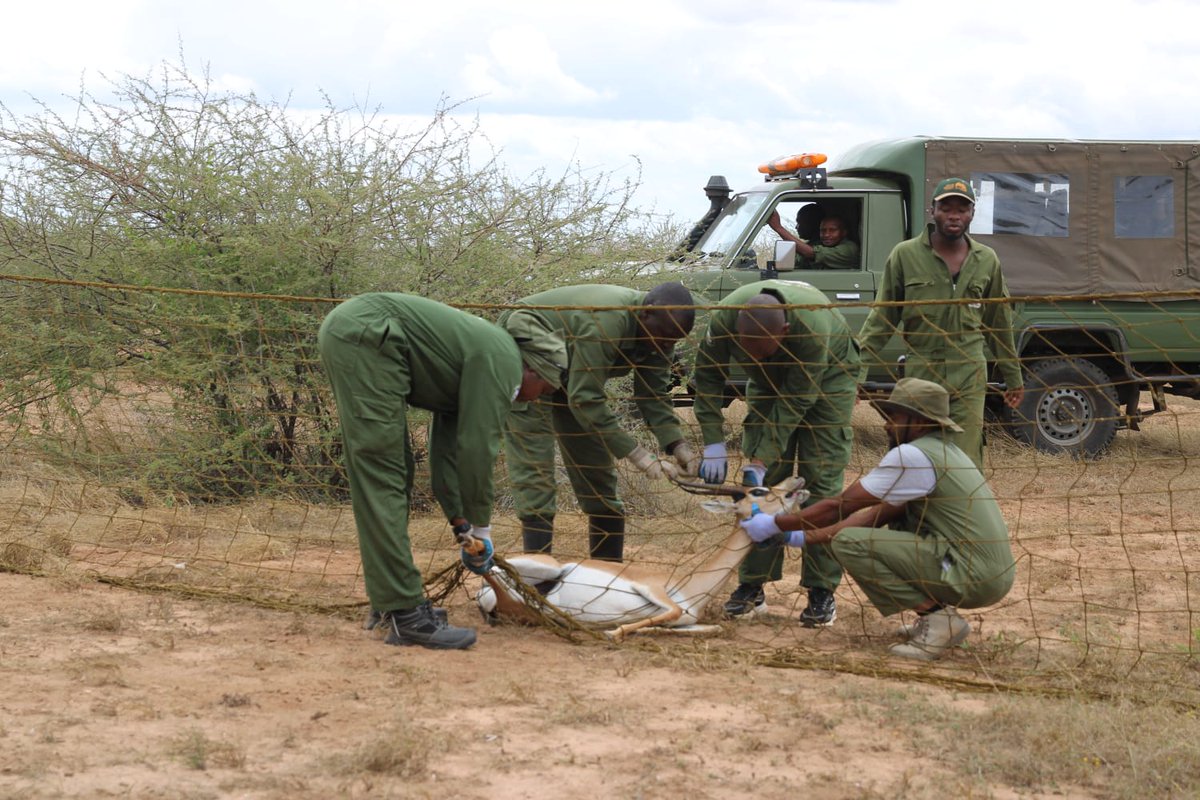
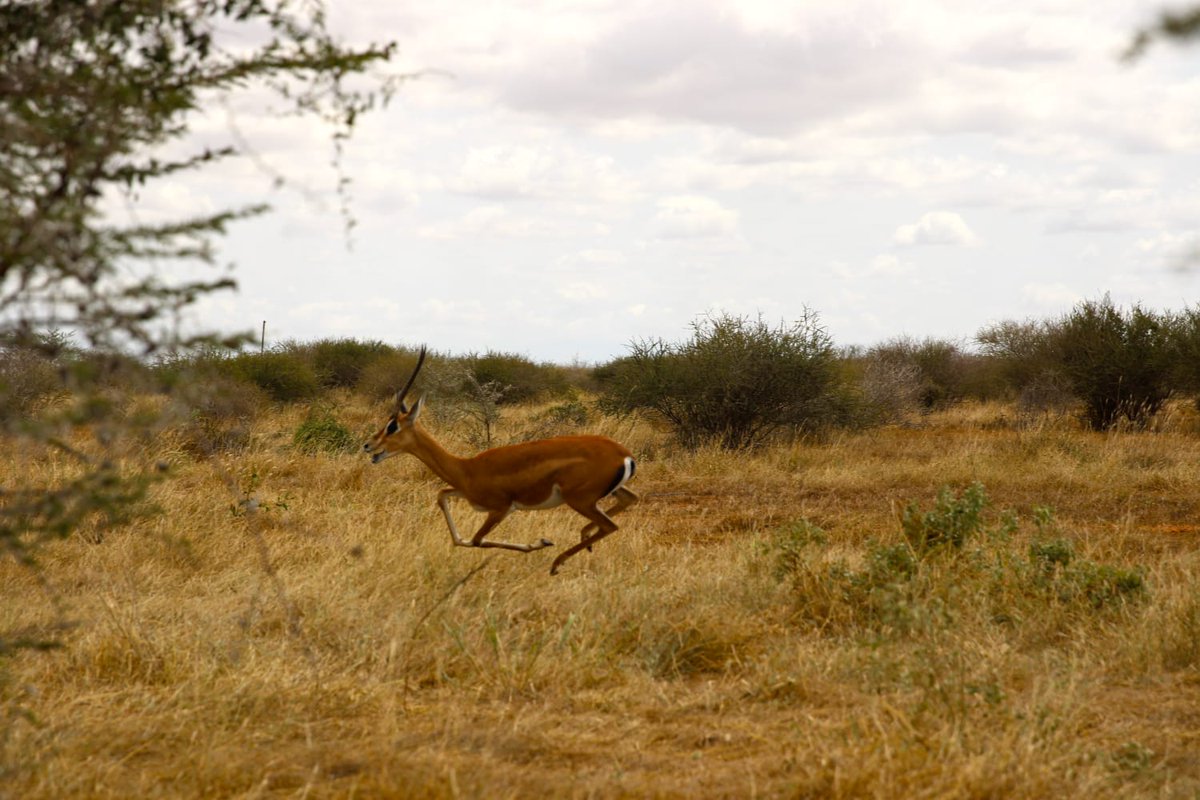
Before dawn broke over the Galana ecosystem, the KWS veterinary team led by Dr. Campaign Limo, moved quietly across the landscape to carry out a carefully coordinated operation to relocate Grant’s gazelles.
Guided by years of field experience and established wildlife management protocols the team safely captured and translocated 24 gazelles 9 females and 15 males to Tsavo East National Park as part of ongoing national conservation efforts.
The translocation reflects a broader commitment to restoring balance within fragile ecosystems while strengthening wildlife populations inside protected areas. It also responds to growing human wildlife conflict pressures. By easing wildlife pressure on surrounding farmlands the intervention helps reduce crop damage lowers the risk of illegal bushmeat hunting and supports more sustainable coexistence between people and wildlife.
Relocating the gazelles to a secure and ecologically suitable home in Tsavo East further strengthens the integrity of the landscape supports tourism value and contributes to long term recovery of wildlife populations across the ecosystem.
For the veterinary and ranger teams each successful translocation a is a quiet act of responsibility care and commitment. It reflects the mandate of the Kenya Wildlife Service to safeguard Kenya’s natural heritage, advance coexistence between people and wildlife and ensure that future generations inherit a resilient and thriving wildlife population.
#ThrivingWildlifeForever
On Monday, 22nd June 2026, the Institute, in partnership with other stakeholders, will lead a Bamboo Growing Campaign in Nyadorera section of the Nzoia River in Siaya County.
The initiative seeks to rehabilitate degraded riparian zones, curb soil erosion, enhance water retention, and strengthen the resilience of communities that depend on the river for their livelihoods.
The event will be graced by the Principal Secretary, State Department for Wildlife, Silvia Museiya as Chief Guest, reaffirming the Government’s commitment to landscape restoration and the realization of the national target of growing 15 billion trees by 2032.
Beyond planting bamboo, this campaign is about securing clean water, revitalizing ecosystems, and creating a greener and more climate-resilient future for generations to come.
Together, let us grow bamboo, restore riverbanks, protect biodiversity, and safeguard our precious water resources.
#BambooGrowingCampaign #RestoreNzoiaRiver #15BillionTrees #ClimateAction