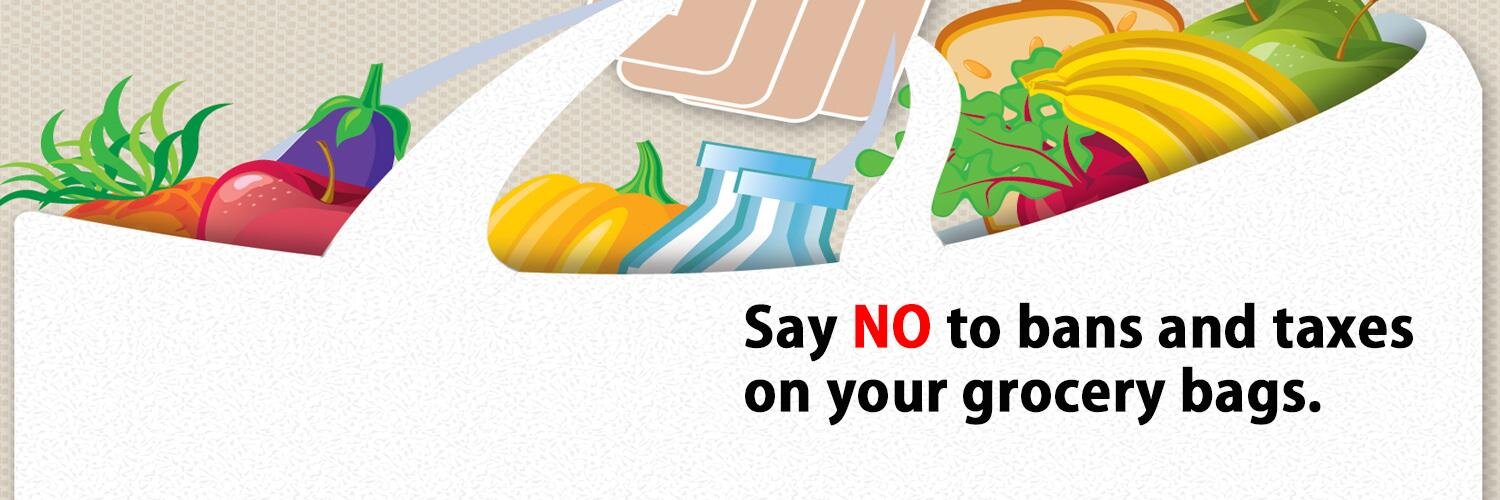
When plastic retail bags are banned, consumers are forced to purchase more expensive reusable stitched handle bags every time they shop, which is more likely for the elderly, those who work multiple jobs, or rely on public transit.
American-made plastic retail bags are a dependable, affordable option for businesses across the country. When these bags are banned, businesses are forced to purchase more expensive alternatives, passing down these higher costs directly to customers who can least afford them.
American plastic retail bag manufacturing and recycling is not only a key part of our nation's economy, but it also contributes to a robust recycling infrastructure for other plastic film products like e-commerce pouches, newspaper wraps, bubble wrap, and much more.
Folks from all walks of life depend on plastic retail bags to get their groceries home. As this article points out, bans on these products have a disproportionate effect on low-income and disabled members of our community: https://t.co/u1zMJQJRcD
America's plastic retail bag manufacturers care deeply about sustainability. It's why they have consistently met and exceeded their own deadlines of increasing recycled content in their products while actively trying to increase their reuse and recycling rates.
Taxes on your plastic retail bags only add up costs for struggling consumers while having a limited effect on behavior. In the end, it's our most vulnerable neighbors who end up paying the price for these policies.
This article from the New York Times underscores just how much larger environmental impacts organic cotton totes have compared to traditional plastic retail bags. These totes must be reused up to 20k times to have the same impact as a plastic retail bag! https://t.co/FHrWMaw0OA
Just like in other states with bans on recyclable plastic retail bags, Colorado grocery stores are experiencing the theft of their shopping baskets. Due to high costs to replace, many stores are opting not to purchase more: https://t.co/zhWhlQHfpy
When not recycled, plastic retail bags only need one reuse to offset their environmental impact. Compare that to organic cotton totes, which have been found by research to require up to 20,000 reuses to have the same impact!
This video highlights that bag bans cause consumers to switch to alternative that are still commonly made from plastics and are worse for the planet: https://t.co/NQZZ6bkfbn
Research shows that compared to paper options throughout the product lifecycle, plastic bags create far less emissions, confirming what other research consistently finds: https://t.co/XlkWR1KZX9
Did you know plastic retail bags are easily recycled when taken back to many grocery stores? In fact, this store takeback program has been instrumental in increasing the recycling rate for these bags and other film products: https://t.co/njs5GMHVMF
Plastic retail bags are consistently found to be the option with the fewest environmental impacts. This new research reinforces that alternatives to plastic retail bags have larger environmental impacts than the products they replace: https://t.co/t5fSYdH1YU
Without sustainable products, America's plastic bag manufacturers know there cannot be a sustainable future. That's why they're dedicated to increasing the rate in which their products are recycled: https://t.co/0vEra4GiCs
Shoppers continue to depend on delivery services to get their groceries home. However, in places with bag bans in place, these services are forcing consumers to pay higher prices for piles of unwanted reusable stitched handle bags: https://t.co/1dfFKWZb9A
Banning recyclable plastic retail bags does not promote sustainability. In fact, it encourages the use of non-recyclable, imported reusable bags with much larger environmental impacts: https://t.co/yiKLAqvDO6
Restaurants and retailers across the country depend on plastic retail bags to run day-to-day operations. When these products are banned, the higher prices for alternative products put their business in jeopardy: https://t.co/ZOGXGjSrQ3
America's youth are the key to a sustainable future. That's why it's awesome to see how this group of students was able to see firsthand how recycling plastic retail bags can ensure greener path forward than misguided policies to ban them: https://t.co/zVNBDgePTB
As inflation rates and grocery prices rise, putting food on the table has become harder than ever. Read how any new taxes or costs associated with plastic bag regulations will exacerbate this problem while failing to address environmental concerns: https://t.co/Pm0SvRdm1E
Because plastic retail bags are so commonly reused, consumers must switch to alternative products with larger environmental impacts to accomplish the same tasks when these products are banned: https://t.co/MJ8rjmGOuC