The Abbasid court poet Nuṣayb al-Aṣghar al-Ḥabashī (d. 791) was a mawlā of Caliph al-Mahdī. Born in Al-Yamāma, the region had a significant slave trade with Al-Ḥabasha & Zanj for plantation labour.
Al-Aṣghar was appointed as a Governor in Syria by Caliph Hārūn al-Rashīd.
Ottoman cartography and regional exonyms in the Horn of Africa [1872]
Dated 1289 AH, this late 19th-century Ottoman map records the northern region of the Somali peninsula under the designation "ايذور"(Iydoor/ldoor). The name “Idoor” was a term derived from the Somali word for trade and commerce, And historically functioned as a prominent regional and colonial exonym for the Isaaq, highlighting their dominant historical position as the primary merchants and traders managing the coastal and interior commerce of the territory.
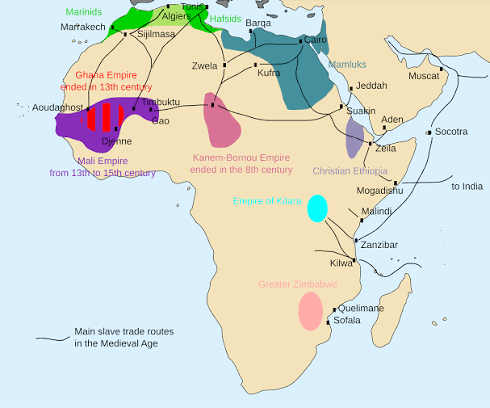
Ibn Sa'id al-Maghrebi (d.1286) details the interior routes stretching past Badda, an old Islamic medieval town in Nugaal region. And those paths funneled slaves straight to the port of Zeyla. From there, they were packed onto cargo ships and sent to Arabia, Egypt & Islamic world.
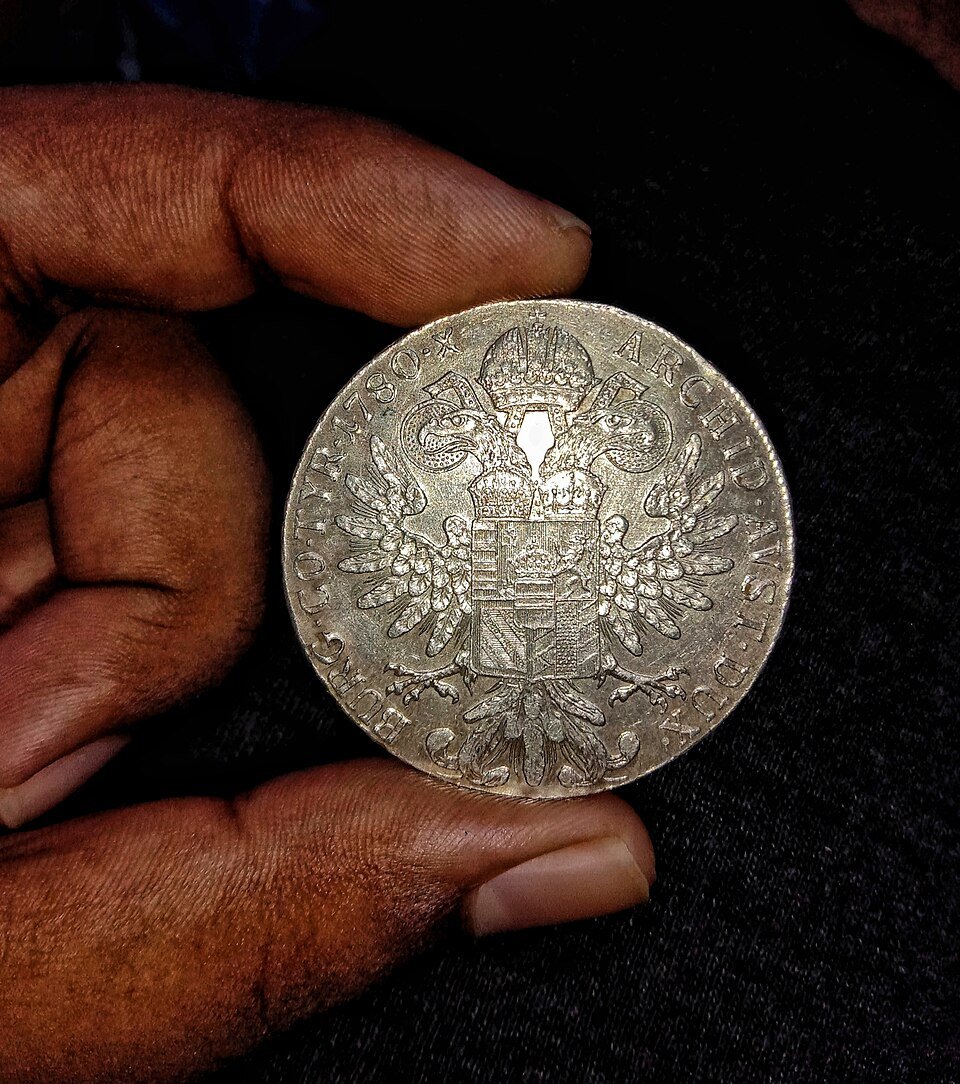
In 1857, Berbera & Zeila exported ~53,400 silver thalers worth of frankincense, gum arabic, and similar products to Jeddah. These exports are worth over $2 million USD in modern value.
When General Qutayba ibn Muslim’s envoys stood before the Tang Chinese Emperor. Refusing to bow, they gave him an ultimatum: Islam, Jizya, or War. The Emperor granted Muslims permanent rights which paved the way for the Great Mosque of Xi'an to be built in 742 AD later on. 🕌
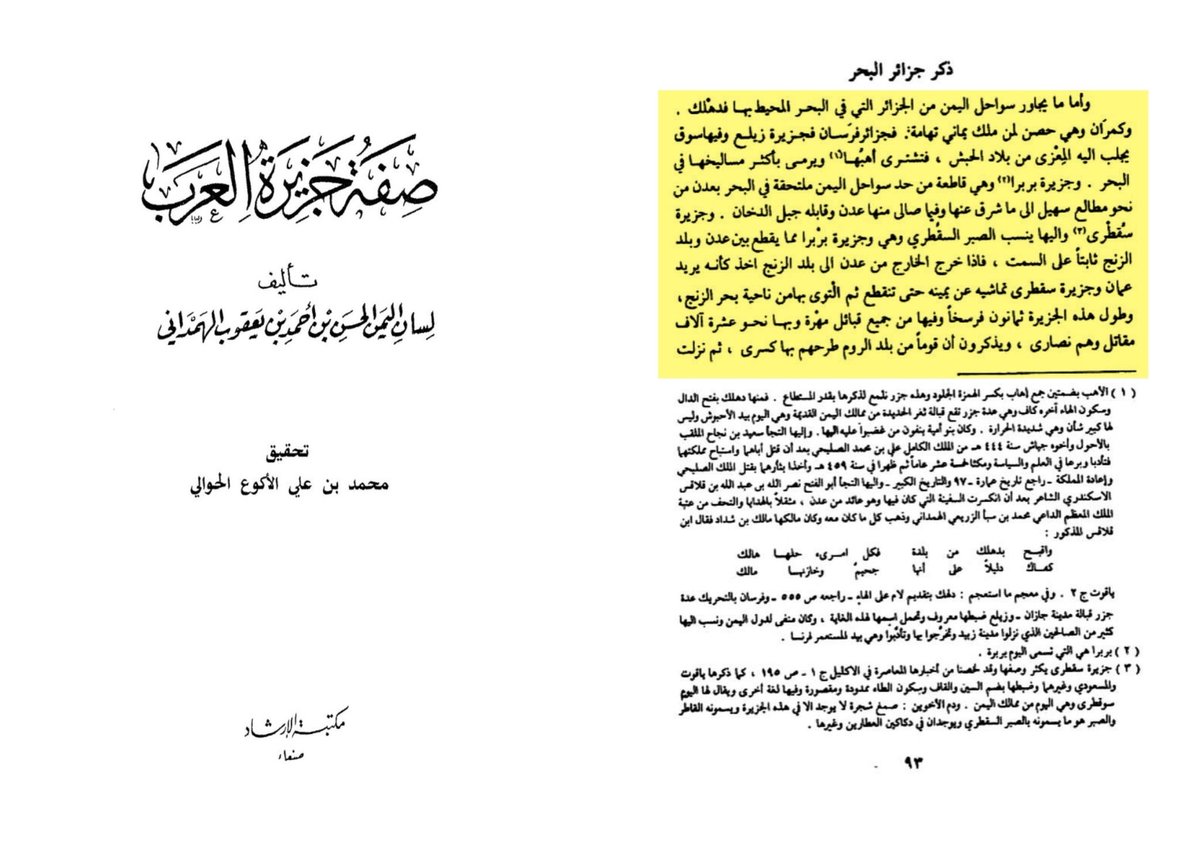
The 1159 CE migration of the Yemeni Banu Majid tribe to Zeyla & Mogadishu wasn’t random
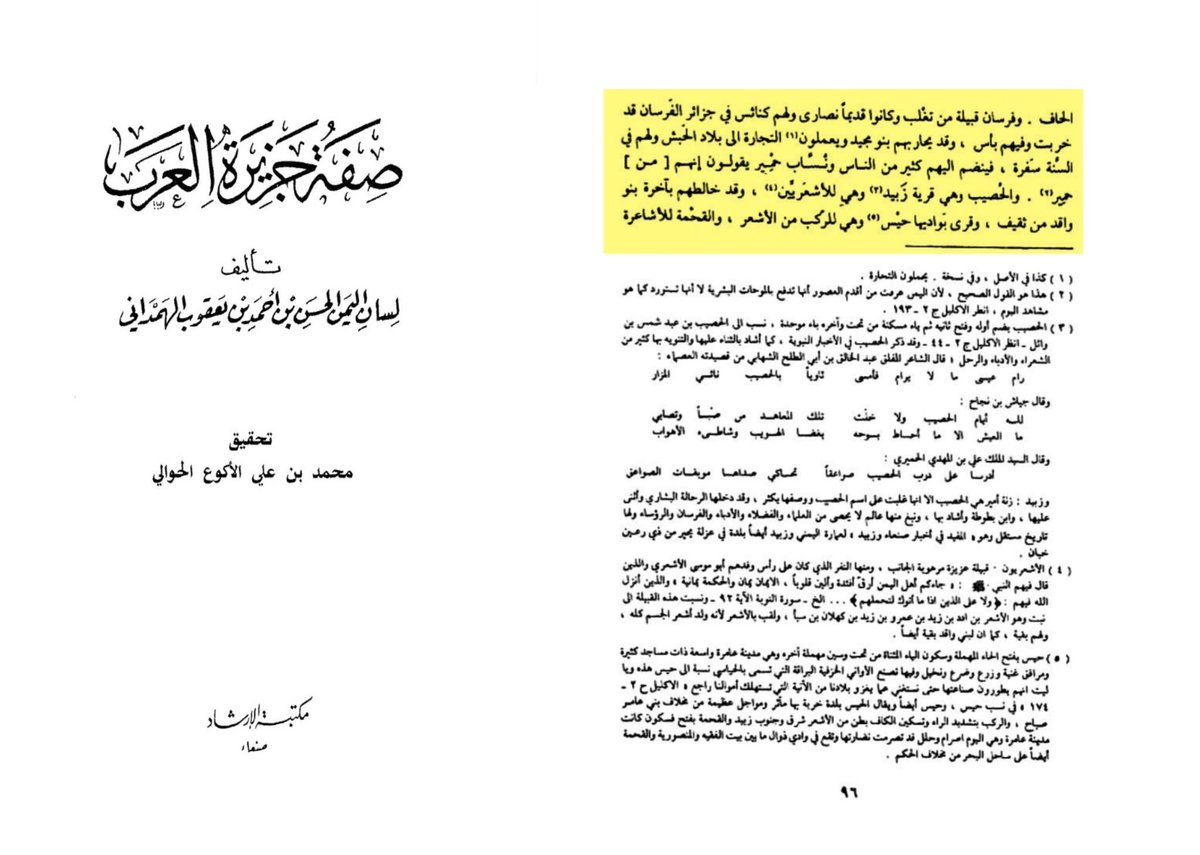
Al-Hamdani (945 CE) mentions 2 centuries prior they ran an annul trade fleet to Zeyla, and other port cities in Horn of Africa, even fighting Red Sea Christians to protect it long before..
Ibn Mujāwir (d.1291) describes a major political turmoil in Yemen in 554 AH (1159 CE). The Arab tribe of Banu Majid lost their lands and were forced to disperse.
Ibn al-Mujāwir writes that they split into three groups, naming their destinations in Zeyla, Dhofar, and Muqdishu.


![Archives_SL's tweet photo. Ottoman cartography and regional exonyms in the Horn of Africa [1872]
Dated 1289 AH, this late 19th-century Ottoman map records the northern region of the Somali peninsula under the designation "ايذور"(Iydoor/ldoor). The name “Idoor” was a term derived from the Somali word for trade and commerce, And historically functioned as a prominent regional and colonial exonym for the Isaaq, highlighting their dominant historical position as the primary merchants and traders managing the coastal and interior commerce of the territory.](https://pbs.twimg.com/media/HNM7owaWIAAnsPd.jpg)
![Archives_SL's tweet photo. Ottoman cartography and regional exonyms in the Horn of Africa [1872]
Dated 1289 AH, this late 19th-century Ottoman map records the northern region of the Somali peninsula under the designation "ايذور"(Iydoor/ldoor). The name “Idoor” was a term derived from the Somali word for trade and commerce, And historically functioned as a prominent regional and colonial exonym for the Isaaq, highlighting their dominant historical position as the primary merchants and traders managing the coastal and interior commerce of the territory.](https://pbs.twimg.com/media/HNM7owZXgAAqSyd.jpg)










![Archives_SL's tweet photo. Ottoman cartography and regional exonyms in the Horn of Africa [1872]
Dated 1289 AH, this late 19th-century Ottoman map records the northern region of the Somali peninsula under the designation "ايذور"(Iydoor/ldoor). The name “Idoor” was a term derived from the Somali word for trade and commerce, And historically functioned as a prominent regional and colonial exonym for the Isaaq, highlighting their dominant historical position as the primary merchants and traders managing the coastal and interior commerce of the territory.](https://pbs.twimg.com/media/HNM7owaWgAAdYOG.jpg)