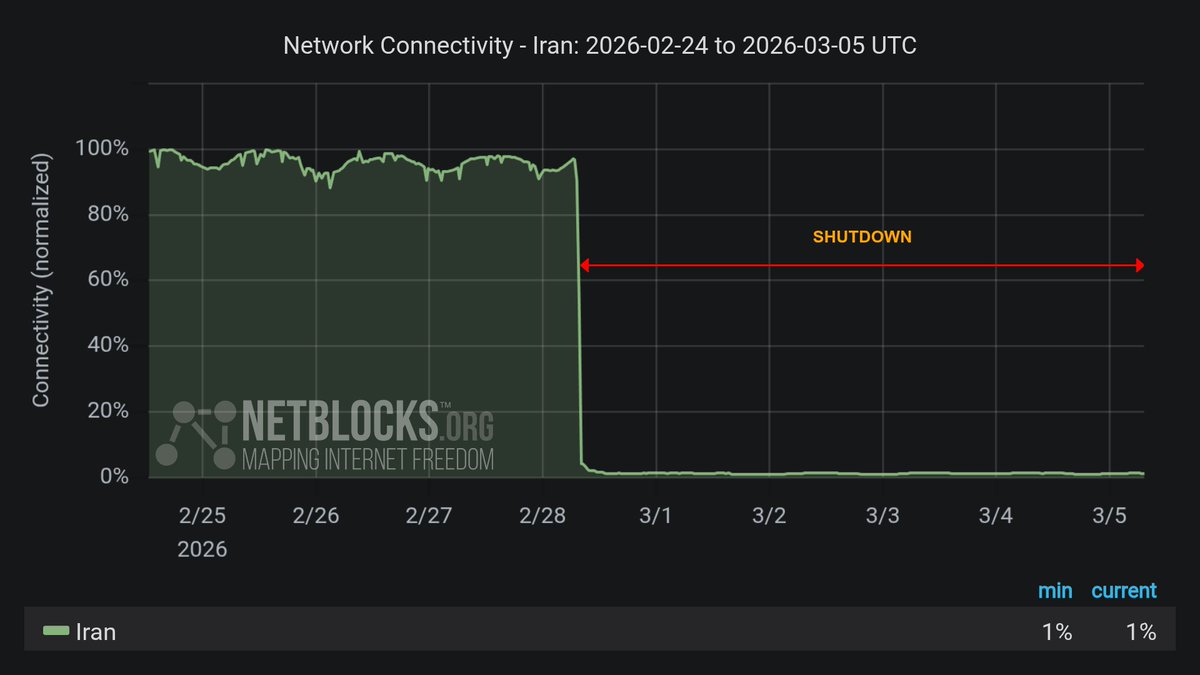
🕰️ Today is the 74th day that #Iran has been largely cut off the global internet, with the incident now passing hour 1752. Since 28 February 2026, the world has seen advances in science and technology. Meanwhile, Iran's regime has been arresting and executing technologists.
#India’s traditional equidistance in West Asia is facing its toughest test yet. In my latest piece for the @DeccanHerald , I look at why a post-war regional order requires more than just balancing; it demands a roadmap for active engagement.
https://t.co/6X74RH94Xw
Heading into the May summit, the #Trump-#Xi power dynamic has shifted.
While the #war in #Iran tests #US resolve, #China’s "green buffer" makes it resilient to the chaos. Beijing isn't panicking; it’s leading.
Read my full analysis:
https://t.co/PpwvX9Th5k
International institutions are paralyzed. True sovereignty isn't a legal right; it's a function of being too vital to fail, too independent to be disarmed, and too united to be subverted.
Read more:
https://t.co/6w0BouHLgR
Excited to share my new #book_review of Ankit Panda’s The New Nuclear Age in @PolStudiesRev.
The book warns of a "third nuclear age" where Great Power rivalry and AI disrupt old certainties.
Read it here
https://t.co/y9Pmh6HTO5
Iran is trapped between war and isolation—a Sisyphus of development where the stone of progress is constantly rolled uphill only to tumble back.
#Iran#middle_east#geopolitics#war#development
https://t.co/X94P5ph54G
Europe hedging on length of Iran war. France has sent Carrier to Med+offered armoured vehicles to Lebanon. UK prepping Carrier (in case)+sending destroyer to Cyprus+jets to Qatar. Greece sent ship+jets to Cyprus. Spain/Italy/Nethlands sending some help. #Iran
@MidEastPolicy has released a special virtual issue providing archival and new analyses on the conflict in Iran. My review of “How Sanctions Work” is featured in this collection, which is open-access for a limited time. The full issue can be accessed here:
https://t.co/qlqgAOdlJR
مردکی خونخوارتیم فوتبال زنان را تهدید میکند و آن دیگری هر که را که خزعبلات رسانه های رژیم را گوش نمیدهد خائن وخونشان را مباح میداند و آن سومی مردم را به یهودکشی فرا میخواند و میگویدحکم امام زمان است. اینها نه بلاهتهای فردی که جوهر نکبت ولاییاند و زباله دان تاریخ در انتظار شان.
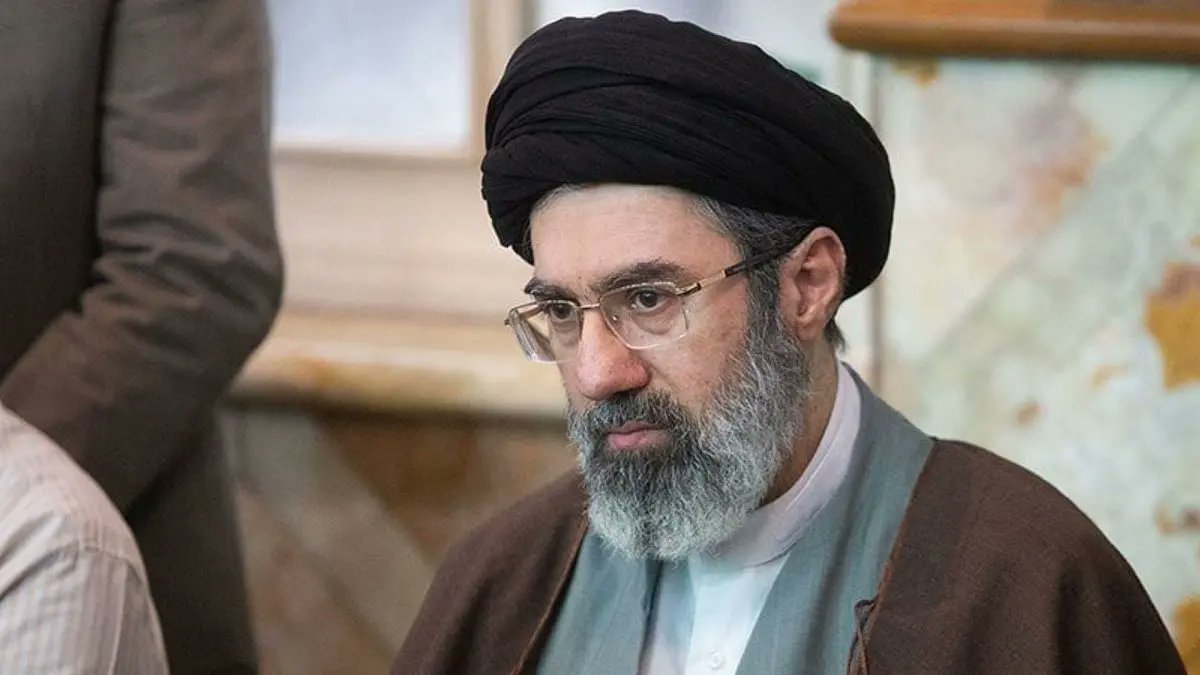
If the IRGC succeeds in securing the formal ratification of Mojtaba Khamenei, which increasingly looks plausible, and if the Islamic Republic withstands the current confrontation, the post-war Iran we will face could be markedly different: more radicalized, more militarized, and potentially far harder to contain.
#Iran #IranWar
Russia and China have condemned the US‑Israeli attack on Iran but stopped short of offering military support.
So why are Moscow and Beijing keeping their distance? https://t.co/bMcUC3RPsk
⚠️ Update: #Iran's internet blackout has now exceeded 120 hours with connectivity still flatlining around 1% of ordinary levels.
Meanwhile, an increasingly Orwellian environment is emerging as telcos threaten users who try to connect to the global internet with legal action.
#IRGCterrorists hide in public places like schools, stadiums and airports - all the beautiful places that the late Shah built. They are now destroyed because of the fanatic Islamic regime... Islamic Republic is Hamas!
A Dynastic Gamble for Iran’s Regime
It remains unclear what mechanism led to the selection of Mojtaba Khamenei as the successor to his father, who was killed last Saturday in Iran along with several members of his family, and how his name ultimately emerged as the next leader of the Islamic Republic. His tenure may prove short, but in a system where loyalty to the ruling order, personal proximity to Ali Khamenei, and adherence to the state’s ideology are the principal criteria for advancement, many inside Iran are not surprised that Mojtaba Khamenei’s name has emerged from the Assembly of Experts’ vote.
From what I've been hearing, the Islamic Revolutionary Guard Corps (IRGC), which is currently playing a central role in managing the war and has, over the past two decades, consolidated sweeping influence over Iran’s economy, politics, foreign policy, and social sphere, played a decisive role in this selection. After all, many members of the Assembly of Experts are both Khamenei loyalists and were selected after a rigorous process vetted by the IRGC's intel.
Over the years, many prominent religious and political figures had strongly opposed the prospect of hereditary leadership in the Islamic Republic. They saw this as repeating the history and the traditions of monarchy in Iran, which they had already opposed and rejected.
In a moment of existential crisis, when the government is fighting for survival and sees its future as uncertain, the IRGC may decide to suppress dissent through its iron fist repression machinery. Even so, the decision is likely to deepen internal divisions within the ruling establishment.
After the death of Ruhollah Khomeini in 1989, Ali Khamenei, then serving as president, became the new supreme leader. At the time, he had a relatively modest resume and did not meet the religious rank of "marja", which had been considered a requirement for the position. Yet he was among the closest figures to the late leader and was seen as deeply loyal to the ideology and ideals of the Islamic Republic. Mojtaba Khamenei shares many of those same characteristics with his father. But his selection would also effectively formalize a hereditary dimension to leadership in the Islamic Republic.
It is difficult to know whether the current system has days or months left. But for many Iranians, Mojtaba Khamenei’s selection would be very bad news, and very good news for the regime’s most hardline supporters and for the security apparatus that sustains the Islamic Republic’s machinery of repression. Mojtaba will take over the country amid the regime's most challenging crisis since its inception. He might have some friends within the regime, but he will have many enemies when the majority of the country has rejected the current system through years of protests.