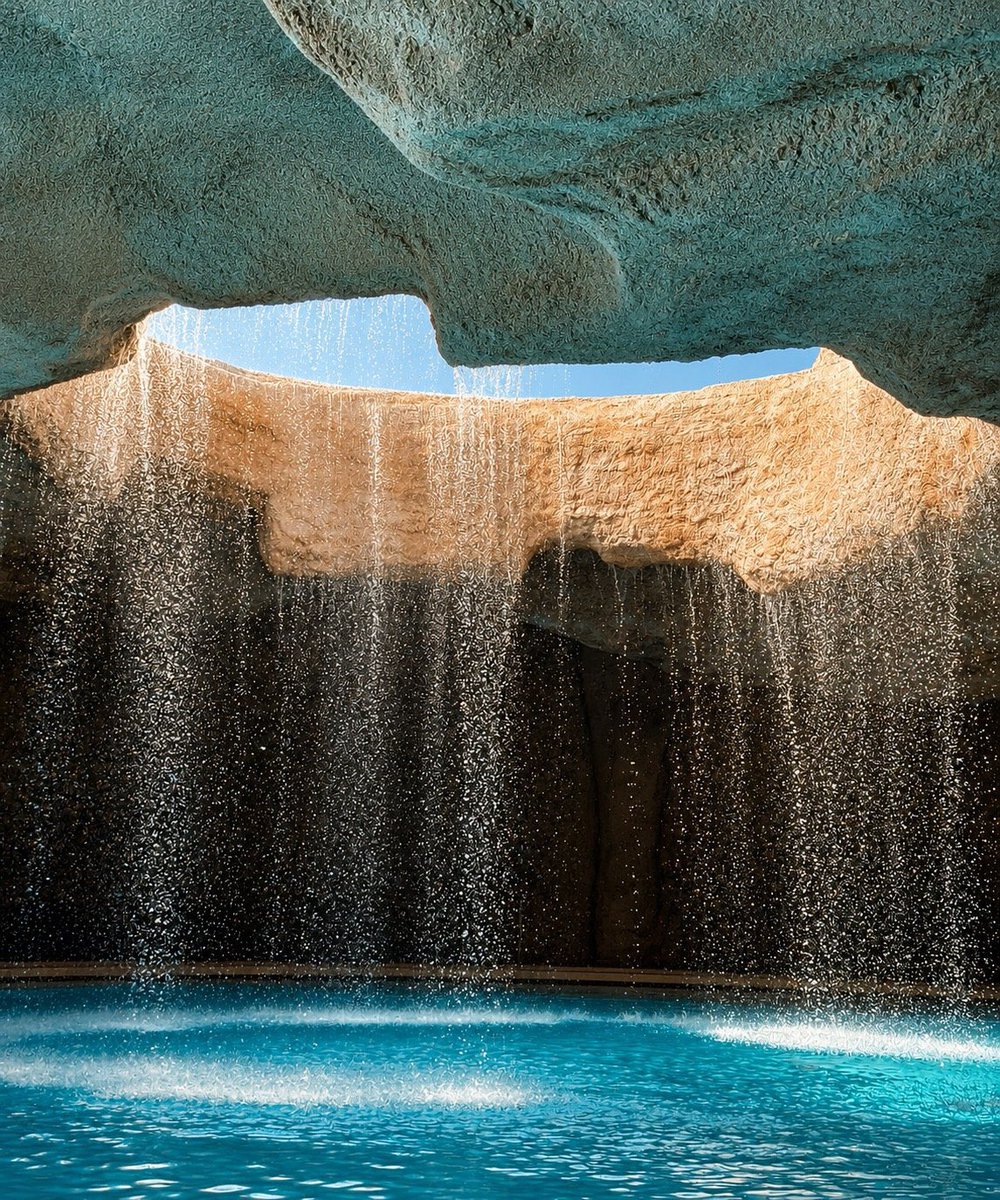
The ancient Egyptians were making this blue more than 5,000 years ago.
Egyptian blue is widely considered the world’s first synthetic pigment, made by heating materials including silica, copper compounds and calcium.
But here’s the part I love: thousands of years later, the pigment can still emit a powerful glow in near-infrared light.
Ancient chemistry hiding in plain sight.
🇮🇶 A Neo-Assyrian lapis lazuli cylinder seal from Babylon, Mesopotamia (Iraq), dating to the reign of King Esarhaddon (680–669 BCE). It shows the storm god Adad standing on a raised platform, holding bolts of lightning, with a lion-dragon restrained at his feet.
«Королевское сердце» Сальвадора Дали - брошь созданная в 1953 году из золота, инкрустирована 46 рубинами, 42 бриллиантами и 4 изумрудами, а встроенный механизм имитирует живой человеческий пульс (72 удара в минуту).
من أشهر الآثار الباقية للصحابة رضي الله عنهم سدّ سيسد في الطائف، الذي أمر ببنائه معاوية بن أبي سفيان سنة 58 هـ؛ أي قبل وفاته بسنتين.
بُني السد من حجارة مستطيلة الشكل كبيرة الحجم، يبلغ طوله 58 م، ويتراوح ارتفاعه بين 8.5 إلى 10.25م، ولا يزال باقيا إلى اليوم لقوة بنائه ومتانته.
وعُثر بجانب السد على نقش تأسيسه، نُقش على صخرة كبيرة، وهو من النقوش التوثيقية القديمة التي مازالت على حالها، ونصه:
«هذا السد لعبدالله معاوية أمير المؤمنين، بنيه عبدالله بن صخر بإذن الله سنة ثمان وخمسين اللهم اغفر لعبدالله معاوية أمير المؤمنين وثبته وانصره ومتع المؤمنين به
كتب عمرو بن حباب»
- الصور من زيارتي للسد قبل أسبوع:
اذا حطيت ببالك ان الله اكبر من الظروف
واكبر من المنطق
واكبر من الاسباب
واستمريت في السعي وحسن الظن ان يوم من الايام بشوف الابواب تنتفح لحياتي
وتجاهلت كل فكرة تقول لك ماراح يصير شيء لاتتعب نفسك
ودعيت كل يوم
واستمريت تدعي لأن عندك يقييين حتى لو مافيه بالواقع نتيجة
صدقني بتصير اشياء حتى اعظظظم من اللي ببالك 😔♥️♥️
Umayyad glass pound weight, 743 CE, Syria.
Inscription: In the name of God. He [God] commands honesty. The servant of God Yazid, Commander of the Faithful. Executed by al-Walid ibn Abd al-Rahman in the year 126.
In Austria, there's this romanesque chapel built in the 12th century, it features Arabic calligraphy fresco at the arc of the apse.
Somewhat reminiscent of the Umayyad Quṣayr ʿAmra fresco inscription in Jordan.
Kazakistan'ın Mangışlak Yarımadası'nda yer alan ve Hun dönemine (MS 5-6. YY) tarihlenen Karakabak bölgesinde daha öncede bazı buluntular bulunan yerde bir kadına ait altın ayakkabı mücevherat bulunmuş.
Çoğu haber kanalı buluntuların Hun Türklerine ait olduğu kısmını belirtmiyor.











![Fihriposts's tweet photo. Umayyad glass pound weight, 743 CE, Syria.
Inscription: In the name of God. He [God] commands honesty. The servant of God Yazid, Commander of the Faithful. Executed by al-Walid ibn Abd al-Rahman in the year 126. https://t.co/xxcMy0BWYm](https://pbs.twimg.com/media/HQGJjUyWIAAvkNQ.jpg)