Last week, I spoke about AI and regulations at an event at the U.S. Capitol attended by legislative and business leaders. I’m encouraged by the progress the open source community has made fending off regulations that would have stifled innovation. But opponents of open source are continuing to shift their arguments, with the latest worries centering on open source's impact on national security. I hope we’ll all keep protecting open source!
Based on my conversations with legislators, I’m encouraged by the progress the U.S. federal government has made getting a realistic grasp of AI’s risks. To be clear, guardrails are needed. But they should be applied to AI applications, not to general-purpose AI technology.
Nonetheless, some companies are eager to limit open source, possibly to protect the value of massive investments they’ve made in proprietary models and to deter competitors. It has been fascinating to watch their arguments change over time.
For instance, about 12 months ago, the Center For AI Safety’s “Statement on AI Risk” warned that AI could cause human extinction and stoked fears of AI taking over. This alarmed leaders in Washington. But many people in AI pointed out that this dystopian science-fiction scenario had little basis in reality. About six months later, when I testified at the U.S. Senate’s AI Insight forum, legislators no longer worried much about an AI takeover.
Then the opponents of open source shifted gears. Their leading argument shifted to the risk of AI helping to create bioweapons. Soon afterward, OpenAI and RAND showed that current AI does not significantly increase the ability of malefactors to build bioweapons. This fear of AI-enabled bioweapons has diminished. To be sure, the possibility that bad actors could use bioweapons — with or without AI — remains a topic of great international concern.
The latest argument for blocking open source AI has shifted to national security. AI is useful for both economic competition and warfare, and open source opponents say the U.S. should make sure its adversaries don’t have access to the latest foundation models. While I don’t want authoritarian governments to use AI, particularly to wage unjust wars, the LLM cat is out of the bag, and authoritarian countries will fill the vacuum if democratic nations limit access. When, some day, a child asks an AI system questions about democracy, the role of a free press, or the function of an independent judiciary in preserving the rule of law, I would like the AI to reflect democratic values rather than favor authoritarian leaders’ goals over, say, human rights.
I came away from Washington optimistic about the progress we’ve made. A year ago, legislators seemed to me to spend 80% of their time talking about guardrails for AI and 20% about investing in innovation. I was delighted that the ratio has flipped, and there was far more talk of investing in innovation.
Looking beyond the U.S. federal government, there are many jurisdictions globally. Unfortunately, arguments in favor of regulations that would stifle AI development continue to proliferate. But I’ve learned from my trips to Washington and other nations’ capitals that talking to regulators does have an impact. If you have a chance to talk to a regulator at any level, I hope you’ll do what you can to help governments better understand AI.
[Original text (with links): https://t.co/tw2iT0ooLT ]
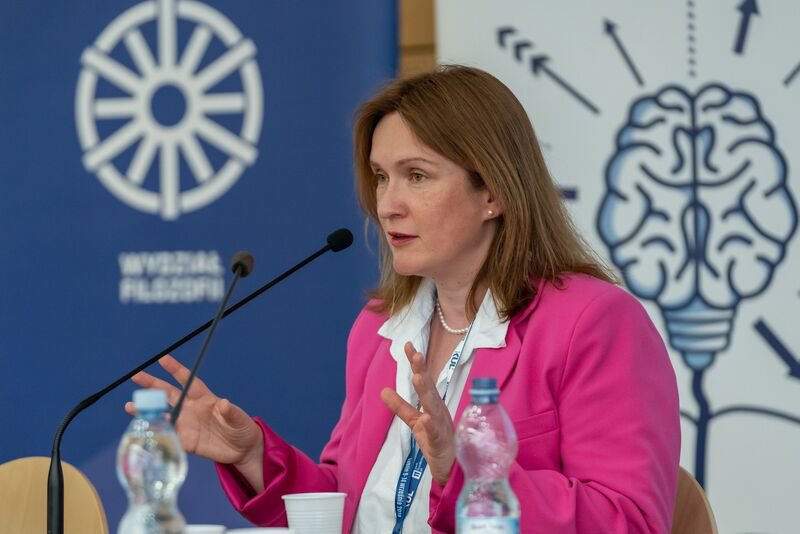
W ubiegłym tygodniu (11-12 maja) miałam wielką przyjemność wygłosić wykład plenarny w ramach "Sesji Mistrzów" podczas konferencji Koło Naukowe Studentów Kognitywistyki KUL z okazji 10-lecia kognitywistyki na tej uczelni.
Fot Maksymilian Rej i Tomasz Koryszko
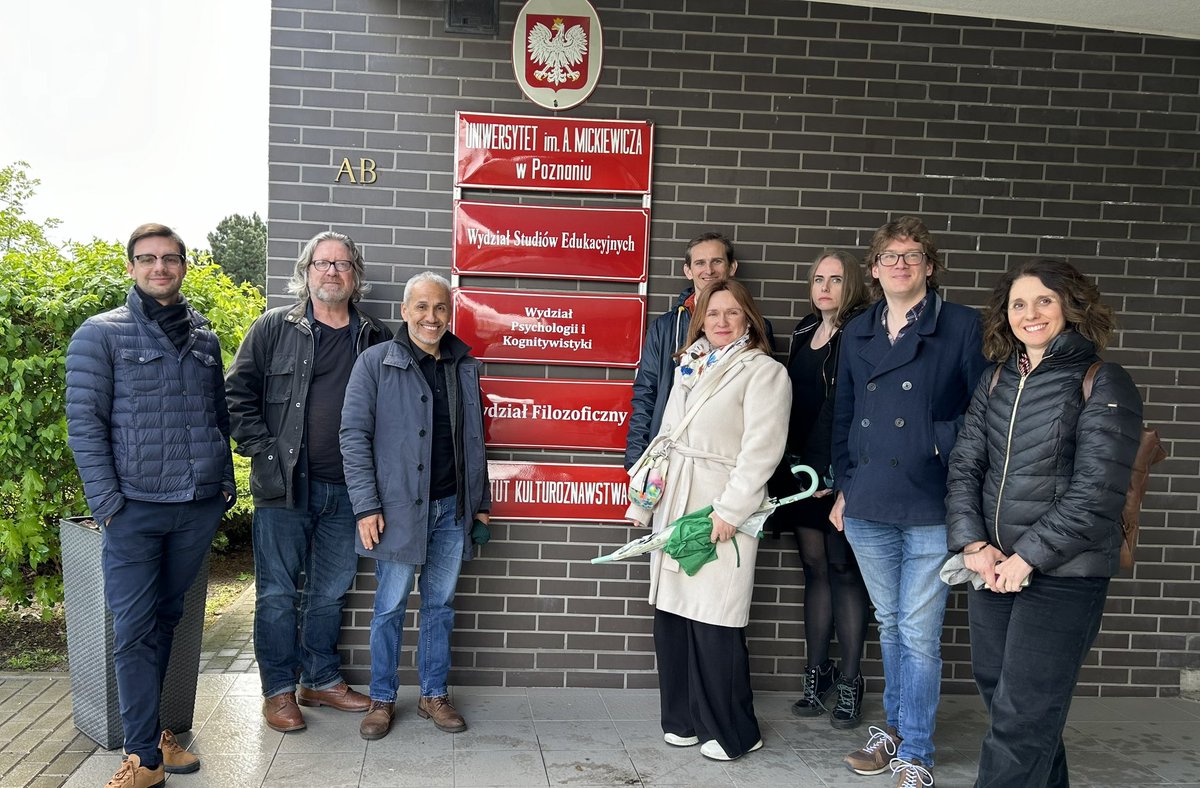
We had many amazing guests onsite and online, very fruitful discussions, and ambitious plans. Many great things to come!
This small seminar was funded by NCN National Science Centre as part of "visits and consultations" within my "Computational Pathos" project.
We have just completed a research meeting "Emotion in Reason" (18-19 Apr. 2024) organised by Cristian Santibanez and myself at WPiK @UAM_Poznan , to integrate viewpoints and bring together researchers working on the topic of emotions in argumentation.
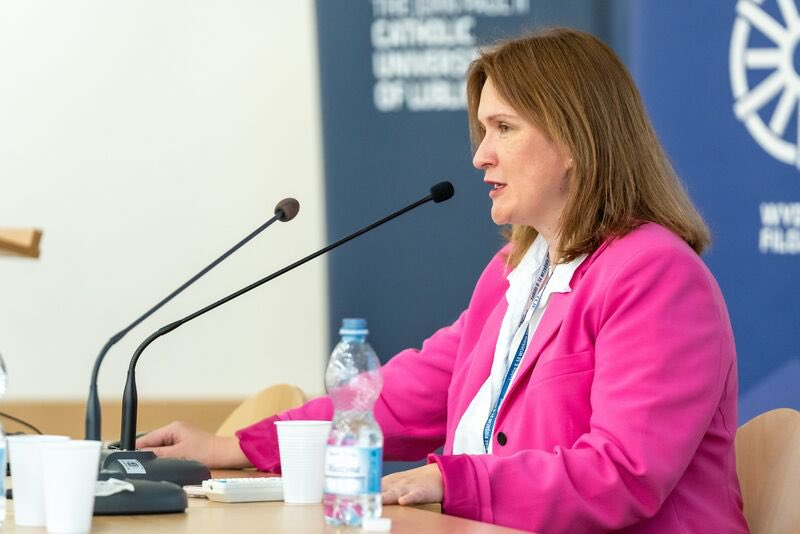
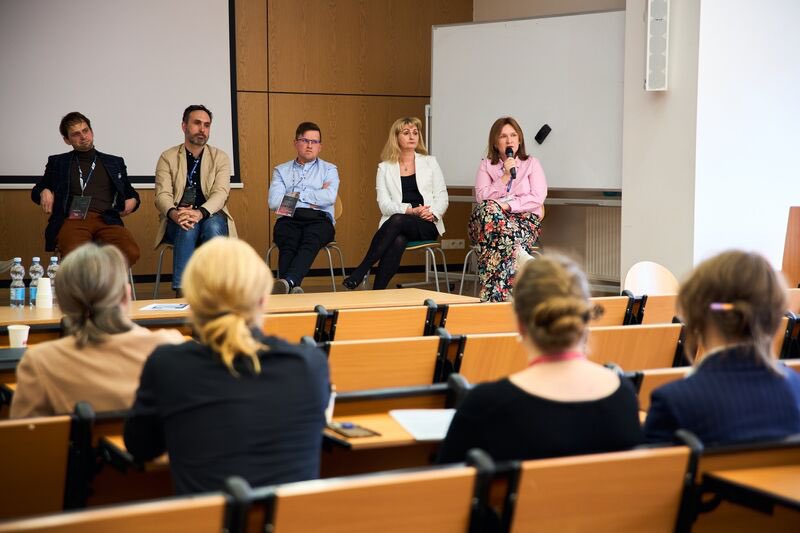
Wzięłam także udział w panelu "Kompetencje przyszłości", powadzonym przez dr Pawła Fortunę, podczas której dyskutowaliśmy kompetencje z obszarów technologicznych, rozumienia danych, oraz um. miękkich (np. opieki nad własnym dobrostanem) - kluczowe dla "umysłów przyszłości".
@zofia_malisz Właśnie złożyłam wniosek IDUB na 10K na OA Springer, też mi się to nie podoba, z drugiej strony nie wiem jak nie grać w grę, która jest częścią systemu. Dlaczego zamykać swoją pracę za paywallem, albo publikować poza listą i nie dostawać grantów na kolejne bad.? Szukam rozwiązań
Własne otwarte, duże modele językowe to zasoby,które są podstawą suwerenności cyfrowej od big techu.
Na których Polska nauczy się, zbuduje nowe narzędzia.
Przy efektywności jakie dziś mają nie musimy mieć najlepszego, będzie i tak 100% przydatny.Trochę załamka @CYFRA_GOV_PL
Potrzebni są ludzie, którzy od lat zajmują się technologią uczenia maszynowego - a takich w Polsce nie brakuje, ale też instytucje przetwarzające dane osobowe w sposób zgodny z prawem EU.
Brakuje mi osób z chociażby IPI PAN, OPI, NASK, Politechniki Wrocławskiej, Centrum SI UAM, osób zajmujących się etyką i regulacjami prawnymi. Poza tym opis brzmi naprawdę nieprofesjonalnie.
Co do zasady cieszy, że w Polsce powstała przy Ministrze Cyfryzacji Rada ds. AI. Jednak nie jest jasne, dlaczego nie ma w niej czynnych naukowców, etyków i prawników, a sam biznes. Nie jest też do końca jasne, dlaczego Rada powstaje z inicjatywy konkretnej firmy, Cosmose AI, działającej zresztą na rynku chińskim.
https://t.co/k6VDq9TV54
Przy tej okazji zapraszam wszystkie osoby zainteresowane wiedzą o ludzkim umyśle, języku, AI i logice do studiowania kognitywistyki.
https://t.co/Pa9gopdMpR
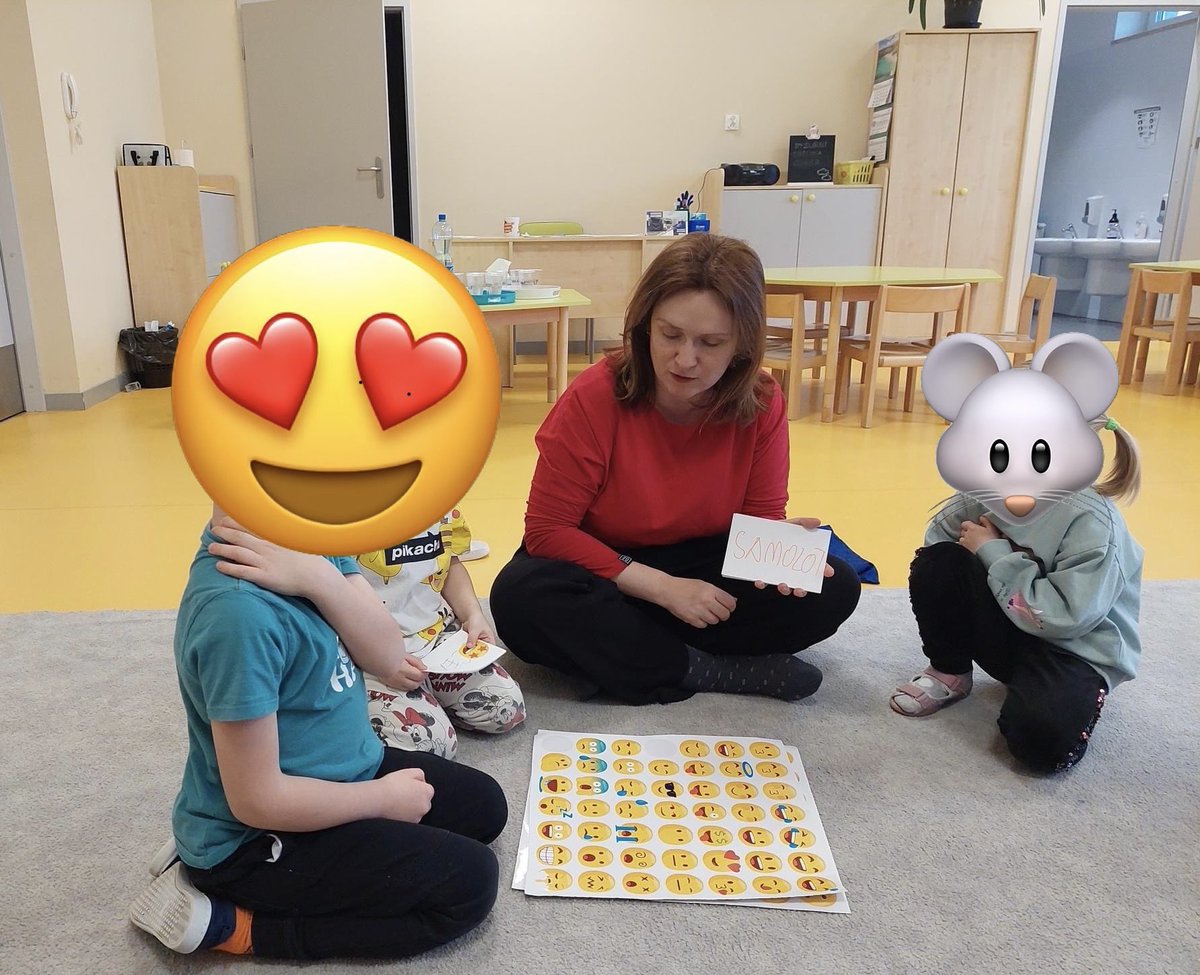
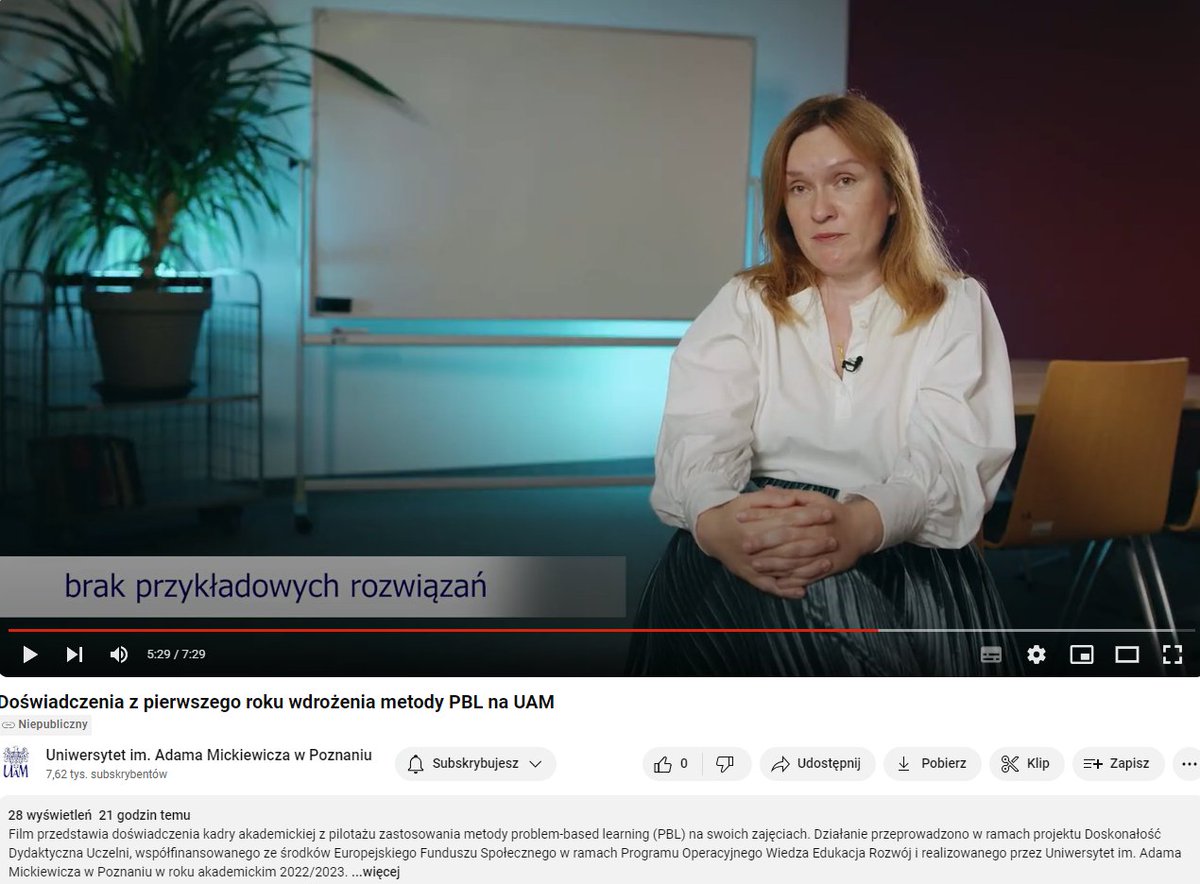
Praca adiunktki to połączenie pracy badawczej i dydaktycznej, a w tej ostatniej też staram się systematycznie rozwijać. W ubiegłym roku wzięłam udział w projekcie wprowadzającym metodę problemową (PBL, problem-based learning) . Link w kom.