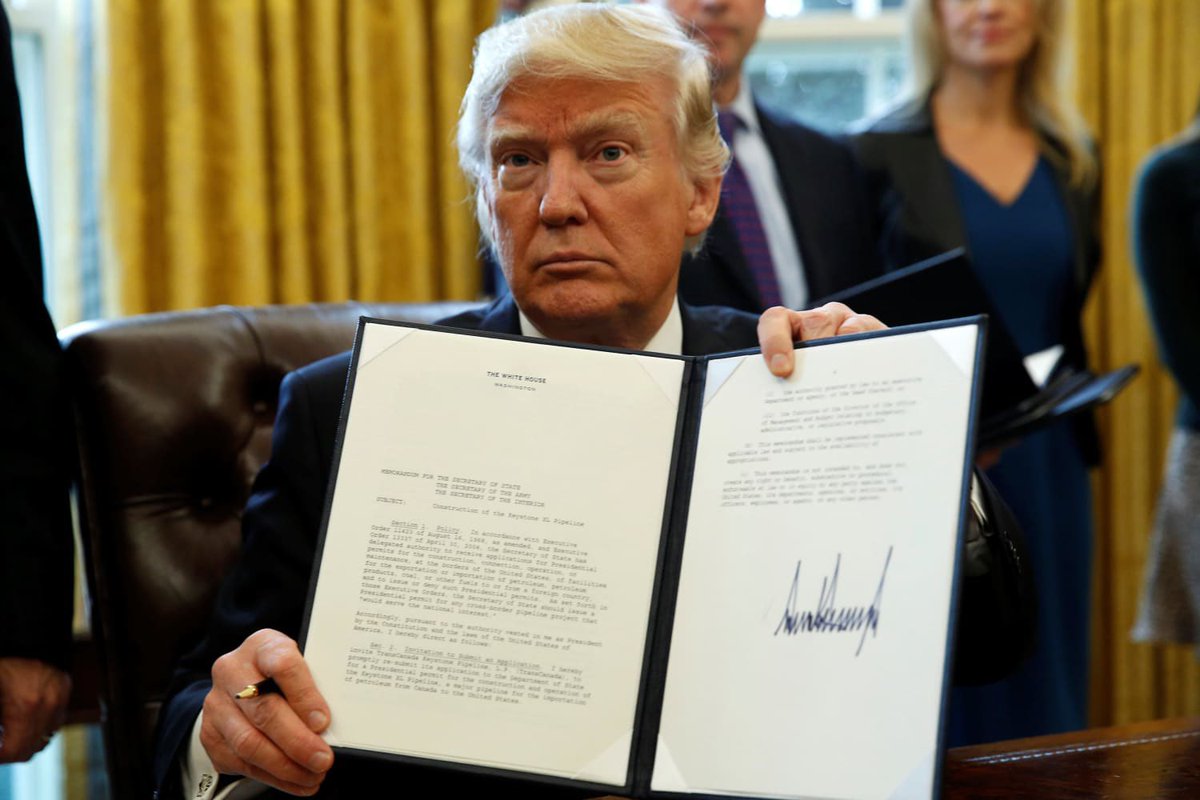
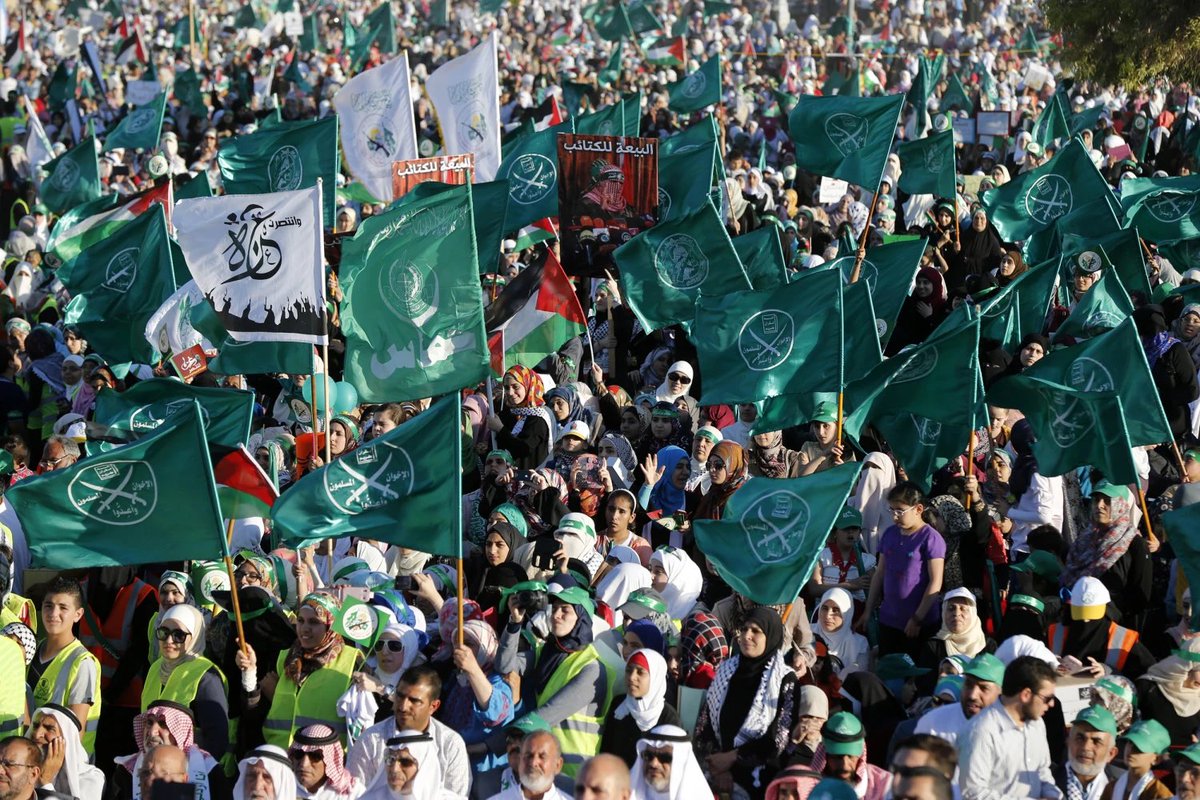
🚨 BREAKING: TRUMP HAS OFFICIALLY SIGNED AN EXECUTIVE ORDER TO DECLARE THE MUSLIM BROTHERHOOD AS A TERRORIST ORGANISATION 🇺🇸
THIS NEEDS TO HAPPEN ACROSS THE WHOLE OF EUROPE NEXT, STARTING WITH BRITAIN 🇬🇧
🚨DOWNING STREET DEMANDS EVERYONE STOP SHARING KEIR STARMER STUMBLE FOOTAGE
They've actually asked broadcasters to stop playing the footage 🤣
Any excuse to keep on posting it 👍
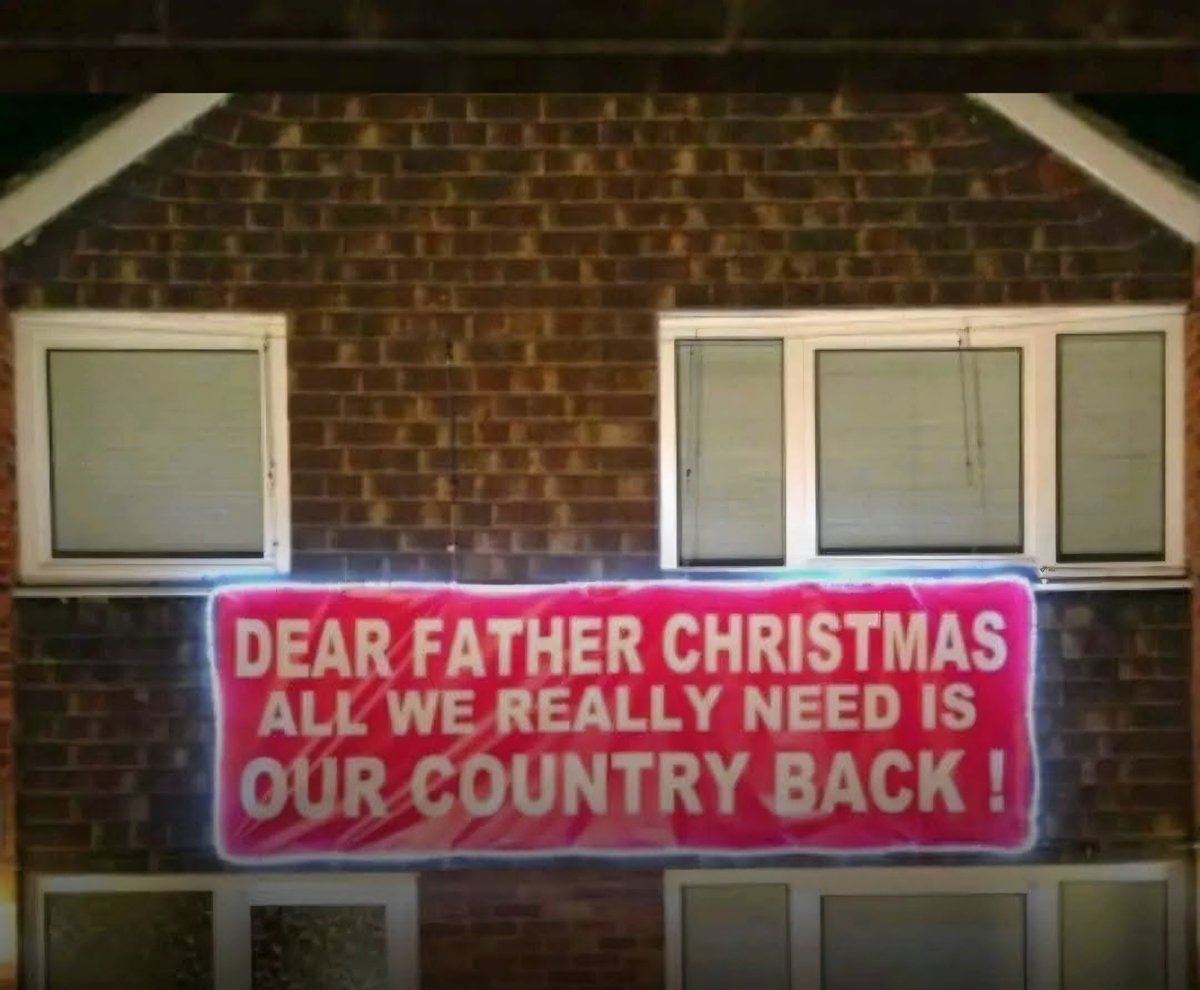
🚨BREAKING: A man in Hampshire has a visit from the police for his choice of Christmas decorations after complaints of racism from local residents.
Is he racist?
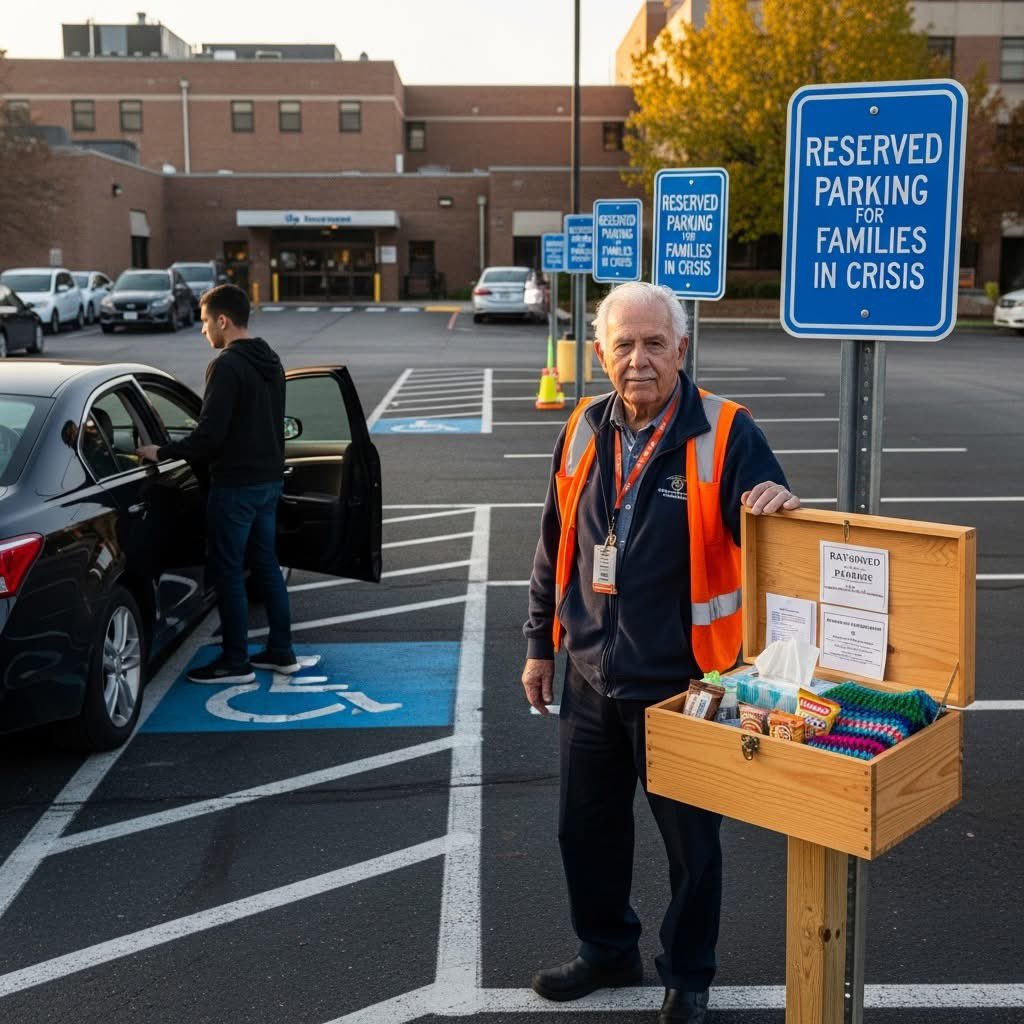
"My name's Raymond. I'm 73. I work the parking lot at St. Joseph's Hospital. Minimum wage, orange vest, a whistle I barely use. Most people don't even look at me. I'm just the old man waving cars into spaces.
But I see everything.
Like the black sedan that circled the lot every morning at 6 a.m. for three weeks. Young man driving, grandmother in the passenger seat. Chemotherapy, I figured. He'd drop her at the entrance, then spend 20 minutes hunting for parking, missing her appointments.
One morning, I stopped him. "What time tomorrow?"
"6:15," he said, confused.
"Space A-7 will be empty. I'll save it."
He blinked. "You... you can do that?"
"I can now," I said.
Next morning, I stood in A-7, holding my ground as cars circled angrily. When his sedan pulled up, I moved. He rolled down his window, speechless. "Why?"
"Because she needs you in there with her," I said. "Not out here stressing."
He cried. Right there in the parking lot.
Word spread quietly. A father with a sick baby asked if I could help. A woman visiting her dying husband. I started arriving at 5 a.m., notebook in hand, tracking who needed what. Saved spots became sacred. People stopped honking. They waited. Because they knew someone else was fighting something bigger than traffic.
But here's what changed everything, A businessman in a Mercedes screamed at me one morning. "I'm not sick! I need that spot for a meeting!"
"Then walk," I said calmly. "That space is for someone whose hands are shaking too hard to grip a steering wheel."
He sped off, furious. But a woman behind him got out of her car and hugged me. "My son has leukemia," she sobbed. "Thank you for seeing us."
The hospital tried to stop me. "Liability issues," they said. But then families started writing letters. Dozens. "Raymond made the worst days bearable." "He gave us one less thing to break over."
Last month, they made it official. "Reserved Parking for Families in Crisis." Ten spots, marked with blue signs. And they asked me to manage it.
But the best part? A man I'd helped two years ago, his mother survived, came back. He's a carpenter. Built a small wooden box, mounted it by the reserved spaces. Inside? Prayer cards, tissues, breath mints, and a note,
"Take what you need. You're not alone. -Raymond & Friends"
People leave things now. Granola bars. Phone chargers. Yesterday, someone left a hand-knitted blanket.
I'm 73. I direct traffic in a hospital parking lot. But I've learned this: Healing doesn't just happen in operating rooms. Sometimes it starts in a parking space. When someone says, "I see your crisis. Let me carry this one small piece."
So pay attention. At the grocery checkout, the coffee line, wherever you are. Someone's drowning in the little things while fighting the big ones.
Hold a door. Save a spot. Carry the weight no one else sees.
It's not glamorous. But it's everything."
Let this story reach more hearts....
Credit: Mary Nelson
He was 88, a veteran, and about to lose his home. He sat in his wheelchair and wept... then the judge stepped down from the bench.
Arthur, an 88-year-old Vietnam veteran, sat in his wheelchair in the back of the courtroom. His wife was gone, he had no children, and his small house was falling apart. He'd been cited for code violations he couldn't afford to fix—a broken porch, peeling paint, and a leaking roof.
The judge, a 65-year-old man known for his stern, "by-the-book" rulings, called his case.
Arthur listened, his hands trembling, as the city attorney listed the violations and the thousands in fines. When the attorney formally requested the court's permission to condemn the property if the fines weren't paid, the finality of it hit him. This was it. He was losing his home.
The judge began to speak. "Mr. Harris, the city is asking for... "
He stopped. He just looked at the frail old man, who had now buried his face in his hands, his shoulders shaking in a silent, heartbreaking sob.
The courtroom went quiet. The judge, his own face tightening with emotion, looked conflicted. "We will take a 15-minute recess," he announced abruptly, banging his gavel.
When he returned, the courtroom was buzzing. The judge looked not at the attorneys, but directly at Arthur.
"Mr. Harris," the judge said, his voice softer now. "I spent my recess on the phone. I have spoken with the director of the local VFW, who is a friend of mine, and with our county's Veterans' fund. All fines are hereby dismissed."
Arthur looked up, his face a mask of stunned disbelief.
"Furthermore," the judge continued, "a local contractor's union has already pledged to do all the repairs, pro bono, starting next week."
This second wave of kindness was too much. Arthur, who had been crying from despair, now broke down in tears of overwhelming relief.
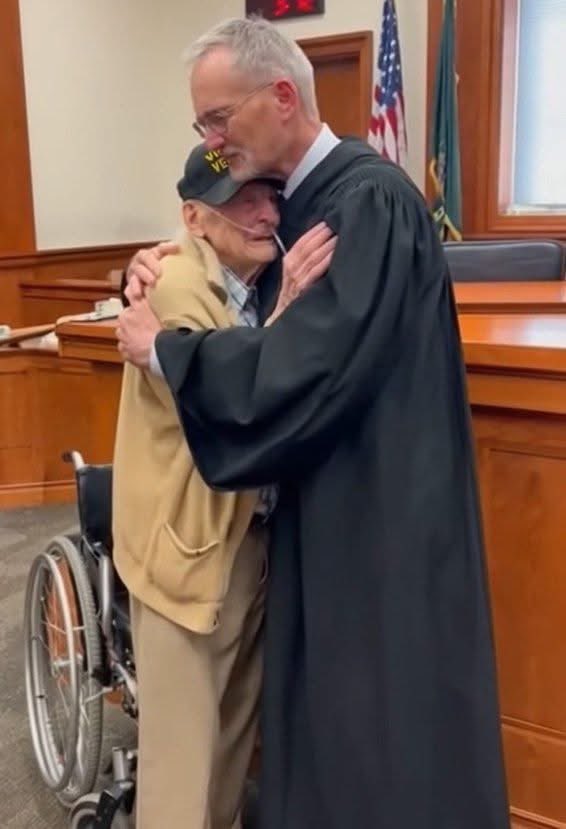
The judge then did something no one had ever seen. He stepped down from his high bench, walked directly to the wheelchair, and pulled the old soldier into a full, strong hug.
As Arthur wept into the judge's robe, he whispered, his voice trembling, "I... I didn't think anybody cared anymore."
The judge held him tighter and whispered back, his voice thick: "We do. I do. You served us. We don't forget that."
Credit: Joan Ayens
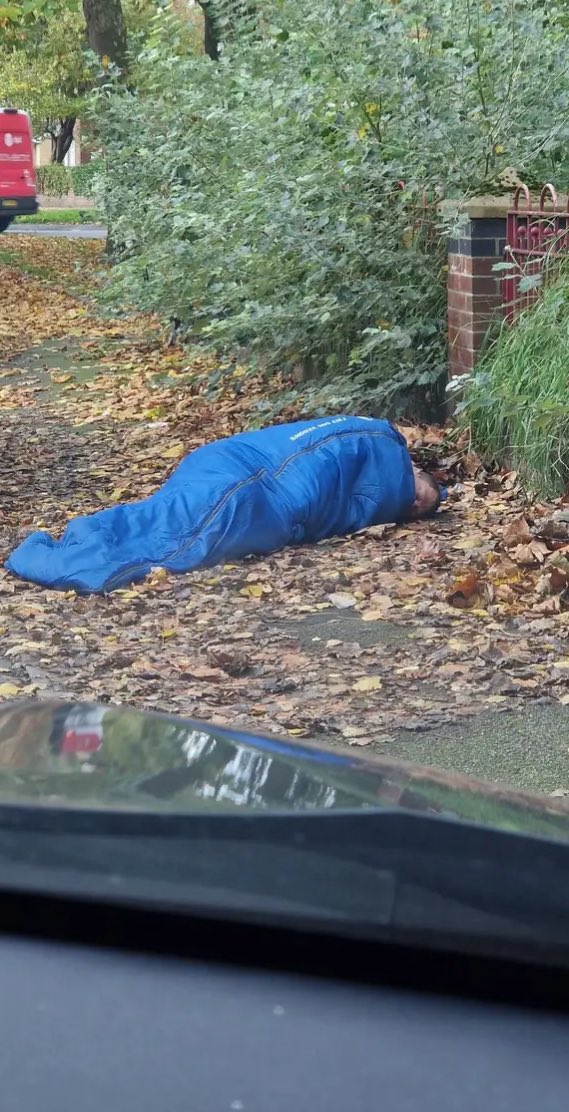
Actually despicable, sleeping on a freezing cold pavement and just around the corner is the Hull Royal Hotel where illegal immigrants are kept fed and warm as a reward for breaking into our country.