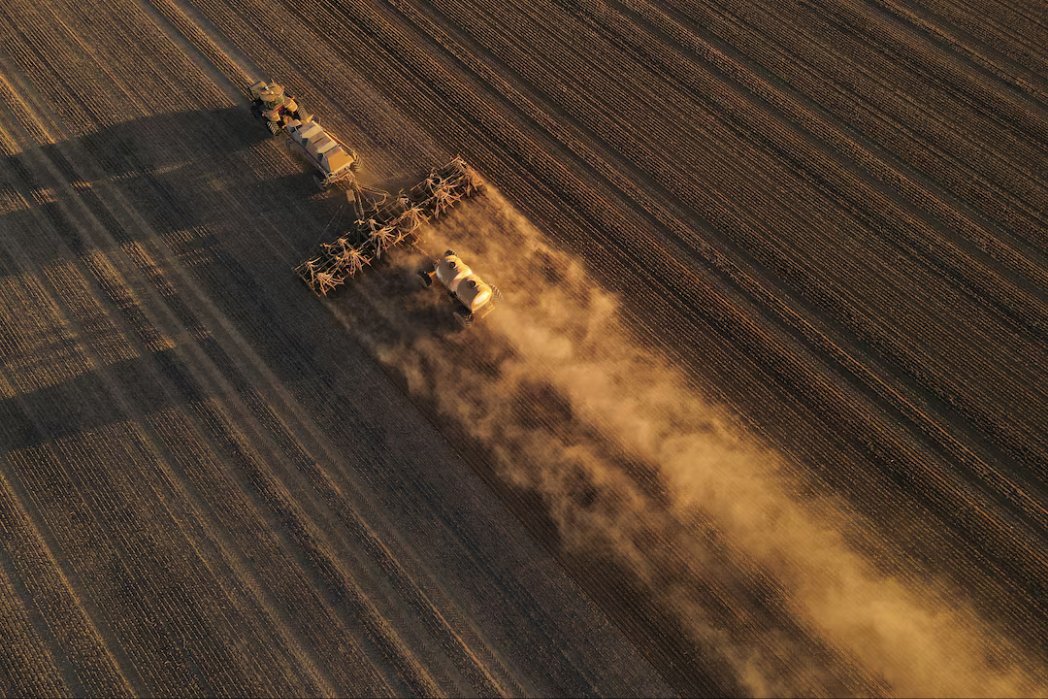
@stacres We prefer to roll at this stage, won’t hurt them. Skip every other pass and fill in after so headland turn not so sharp and roller doesn’t back peddle
@TroyLaForge@zeefarmer@SaskSoil If cereal cereal broadleaf worked in the palliser and was profitable it would have been adopted. I’ve seen a lot of shelter lets be ripped out the last 15 years that would help a lot more
@CarldeConinck@landon707 interesting idea but wouldn’t the edge effect be very season dependent? Some years wind and insect pressure makes the edges have a yield drag around here. I’d struggle finding enough wind free days for chem fallow also, We kept our shelter belts in a lot of places instead and cc
Australia’s farm sector is sending a warning the world can’t ignore.
Farmers are now shifting away from wheat and canola into barley — not because of demand, but because fertilizer and diesel costs are exploding.
The numbers are brutal:
Urea: +60%
Diesel: +88%
Wheat planting could fall 10–12%
This is how a supply shock spreads through the global food system.
When one of the world’s top wheat exporters starts planting less nitrogen-intensive crops, it’s not just an Australian story.
It’s a signal that global grain output is about to tighten.
The market is still obsessed with oil.
But the bigger second-order move is happening in fertilizer → crop choice → yield risk → food inflation.
This is exactly how the next agricultural commodity rally begins. 🌾📈🔥
#Wheat #Barley #Australia #FoodSecurity #Commodities #Inflation
🚨BREAKING:
This is incredible news for producers across the Prairies.
After strong advocacy from industry, along with Alberta and Saskatchewan working collaboratively to stress the immediate need for emergency use of strychnine, I’m glad to see the PMRA has reversed its decision on our submission.
This is a huge win for our agriculture industry, ensuring our producers have the tools they need to better manage their operations and continue providing high quality products.
https://t.co/yJzQE6KKKQ
@theLLCoolK@Matthew1534836@PierrePoilievre Just every single process before it hits the shelves is,only the people who have no clue how real life works think there are no taxes on food. Understanding how the food gets to the shelves is to complicated for the average person to figure out unfortunately
Steve Kaufman of Idaho shares his long-standing Gleaner story. His dad bought this MH2 new in ‘81 and it’s still cutting wheat.
“45 years of service to our family,” he said.
…now, that’s dependability!
#ThrowbackThursday#GoGleaner#AchieveBetter#Gleaner
🇨🇦 Every Canadian should read this twice:
🇨🇦 Canada ranks —
🥇 1st in uranium
🥇 1st in potash
🥈 2nd in nickel
🥉 3rd in oil
🏅 5th in gold
💧 1st in freshwater
Countries start wars for LESS than this.
And somehow we are told we’re too poor to cut taxes, too broke to build homes, too weak to compete, too small to matter.
It took historic levels of incompetence and ideological sabotage to bury a country this blessed.
Imagine where Canada would be if we were actually allowed to win.
#cdnpoli #Canada #Future #Resources #Economy #Energy #Mining #Prosperity
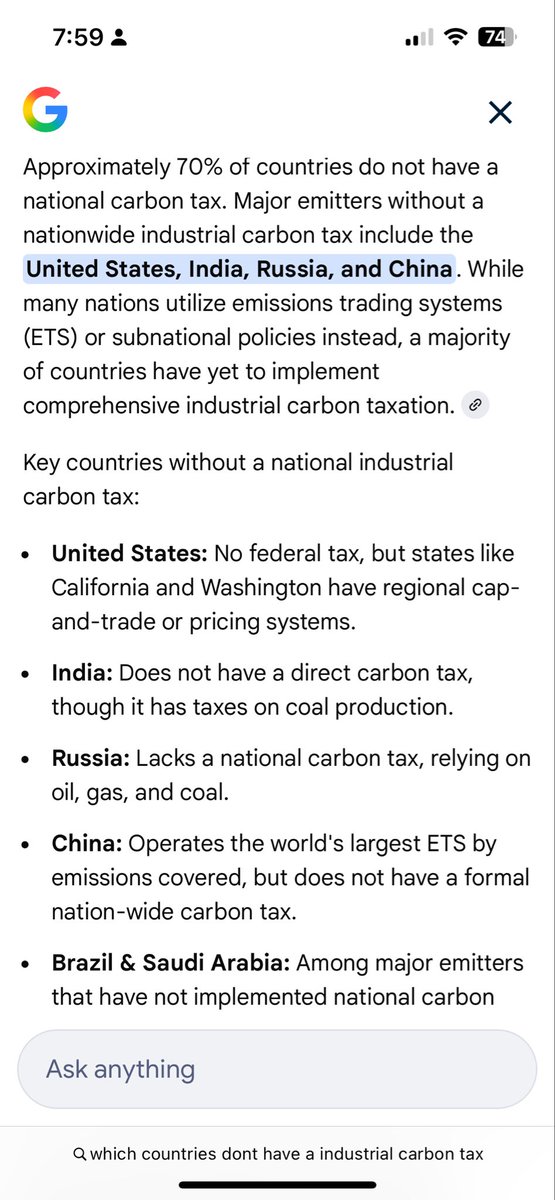
FOOD HAS NO TAX, ESPECIALLY NO CARBON TAX!! Right 🤔
Well, let’s ACTUALLY look at the break down! And if you STILL believe Liberals, well.. YOU CAN’T FIX STUPID!!
@jcalder1983@kingCanadian31@Mullin_95 No shops and vacation pics around here just a wish list. And for those that do and use them good on them. There should be something at the end for the work put in. Being jealous of the neighbour is a choice I guess, not sure y people are crucified on here for calling out expenses
@kingCanadian31@Mullin_95 Essentially because we got more efficient and better at what we do, we rewarded all the industry that supplies us constant growth and have settled for the same return, now we all chase acres to pay for our inputs/equipment and hope there’s something left to live on at the end
@kingCanadian31@Mullin_95 Nobody used it in the 80s, diesel, tractors and cultivator shovels were cheap. Our practices are more efficient now and that’s what we are paying for. There’s a lot of $$ added to the cost of our inputs for “efficiency or tech” they are mostly a made up number passed on to us