@Northmoorbirder Hi Paul, the borrow pits are being created on privately owned land and not intended to become public access areas. Once construction is complete, they will be restored & transformed into wetland habitats, providing biodiversity & environmental benefits as part of wider scheme.
🌊 Building resilience. 🌱 Enhancing nature. ♻️ Reducing carbon.
The BTB Scheme is helping shape the future of sustainable infrastructure through low-carbon construction, digital innovation and habitat creation, contributing to a reported 53% reduction in embodied carbon.
@KierGroup has been awarded a £101m Construction Continuation Contract for the Bridgwater Tidal Barrier Scheme.
Building on strong progress since 2023, we’re advancing critical works together to deliver long-term flood resilience for the region. Link in comments
@KierGroup has been awarded a £101m Construction Continuation Contract for the Bridgwater Tidal Barrier Scheme.
Building on strong progress since 2023, we’re advancing critical works together to deliver long-term flood resilience for the region. Link in comments
@KierGroup has been awarded a £101m Construction Continuation Contract for the Bridgwater Tidal Barrier Scheme.
Building on strong progress since 2023, we’re advancing critical works together to deliver long-term flood resilience for the region. Link in comments
The Bridgwater Tidal Barrier Scheme has won the Digital Excellence Award at #FloodAndCoast 2026! Congrats to @AtkinsRealis for their innovative digital work helping to protect 11,300 homes & 1,500 businesses from tidal flooding.
Why closing the barrier doesn't cause upstream flooding? Barrier closes at low tide when there's available capacity in the river to temp. store water. Closures are short, typically 4–6 hrs. Once the tidal surge has passed, the gates reopen & river water continues downstream
How will the barrier work?
The barrier will only close during exceptional tidal surges. Most of the time, the gates remain open, allowing the River to flow naturally. Detailed modelling confirmed the scheme can operate safely without increasing flood risk up or downstream.
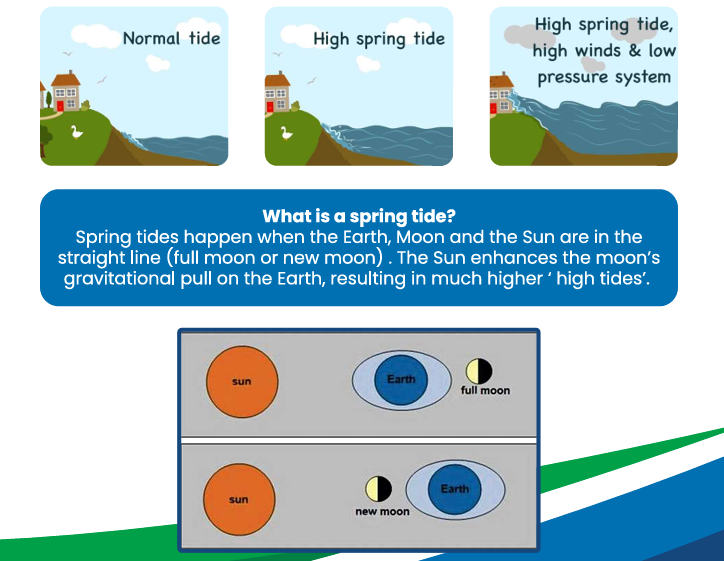
Did you know? Some of the highest tides on the River Parrett happen during spring tides This is when the sun, moon and Earth align, increasing their gravitational pull and raising water levels. The BTB Scheme is designed to help protect Bridgwater during extreme tidal conditions.
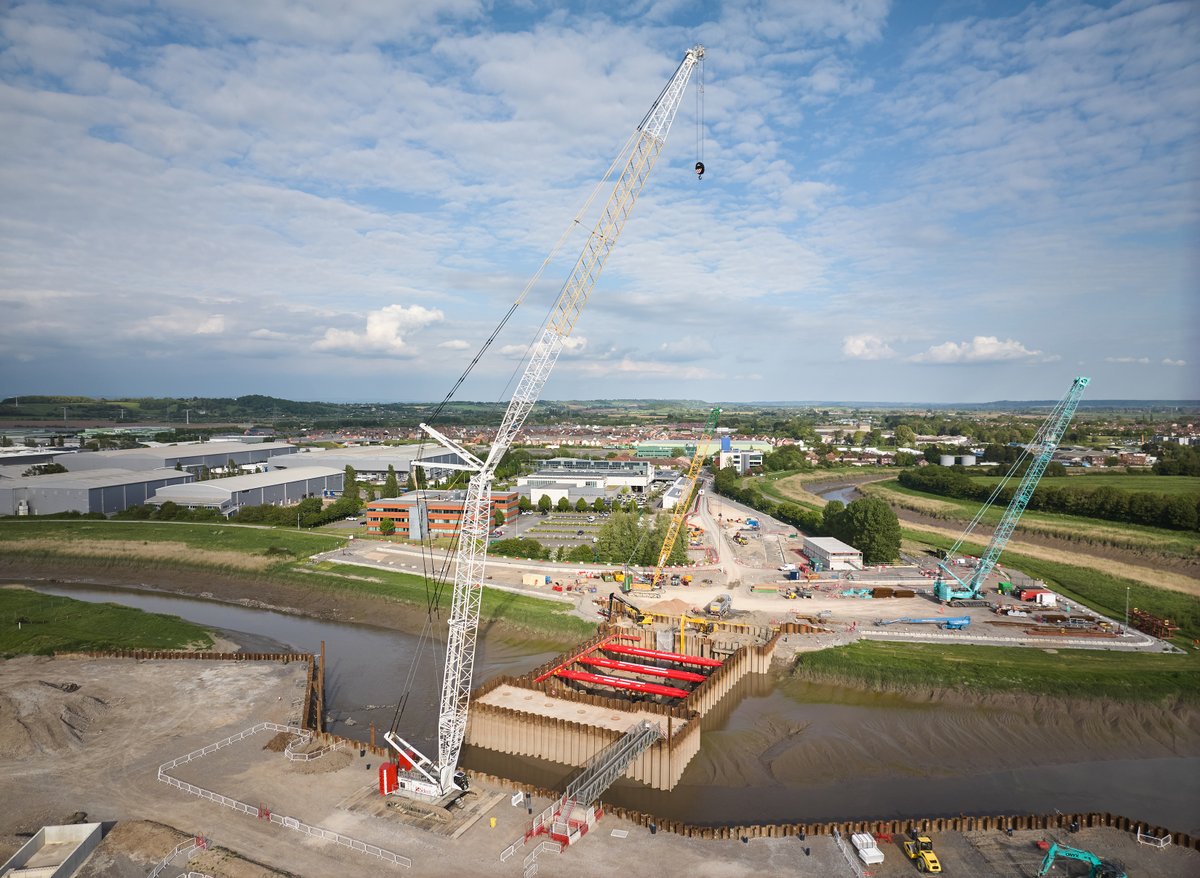
Works re-commence in Combwich progressing construction of primary&secondary flood defences. Working together with the barrier to help reduce flood risk, protecting homes, businesses & vital infrastructure, strengthening the area’s long‑term resilience to high tides&storm events.
Works are ongoing on the Downstream Defences at Chilton Trinity, including installation of the sheet piling seepage cut-off wall. This forms an underground barrier designed to reduce water seepage through the ground and support the function of the flood defences in this area.
Wildlife On River Parrett
As work on the BTB Scheme progresses, protecting local ecology remains a priority. Surveys have identified species inclu. bats, otters & water voles, with works carefully planned & monitored with specialists to safeguard wildlife. See website for info
Piling has started on seepage cut-off wall between Chilton Trinity & Perry Green, works expected to last 8 wks (weather dependent).
Sheet piles are being installed here to prevent water seeping beneath flood defences, helping to strengthen protection when the barrier is in use.
Great to welcome EA apprentices from Cannington College (UCSomerset College Group) to the Bridgwater Tidal Barrier site
Following visits to the Somerset Levels & Moors, they gained insight into fluvial & tidal flood risk.
Find out more on early careers with EA Link in comments
Stay connected with the Bridgwater Tidal Barrier Scheme
Want the latest updates straight to your inbox? Subscribe to our newsletter for news on construction milestones, flood protection, sustainability and environmental work.
Email: [email protected]
How will the Tidal Barrier operate? The barrier is only used during exceptionally high tides. The gates close for 4–6 hours to prevent tidal flooding. Early use is expected to be around five times a year, increasing gradually as sea levels rise.
Building sustainably
We’re using local materials from carefully managed borrow pits to cut transport, reduce carbon emissions and reuse excavated soils. These areas will later become new wetland habitats protecting communities while enhancing the environment.
Public site visits return in 2026!
Join us to see progress on site, hear from the project team, & learn how the scheme is helping protect Bridgwater from tidal flooding & climate change.
Booking now open for March–May 2026
Visits last approx. 1.5–2 hours
To Book link in comments
Got questions about the Bridgwater Tidal Barrier Scheme or the Design Efficiency Review? Wed 21 Jan, 5–8pm – Chilton Trinity Village Hall Fri 23 Jan, 10am–12pm – Angel Place Shopping Centre, Bridgwater No need to book — just drop in. Find out more: link in comments
Scheme update
We’ve completed a Design Efficiency Review to help manage rising costs while keeping the scheme deliverable & sustainable. Flood protection remains unchanged for 12,800 homes and businesses.
Public drop-in sessions 21&23 Jan For more info see link in comments