The case for the 4-day work week continues to build:
-Focus improves: we spend 35% less time on nonwork websites
-Efficiency climbs: we work smarter and waste less time in meetings
-Life gets better: we have more time for leisure, connection, reflection
https://t.co/2aeDOVGZ3X
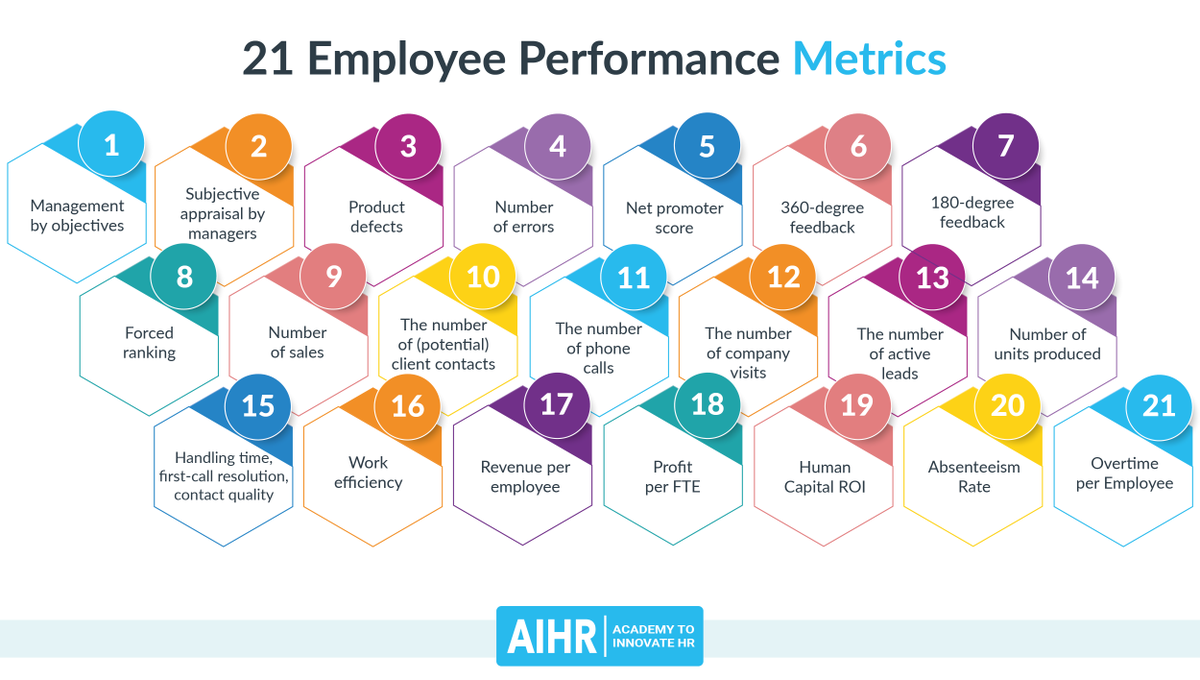
This illustrates the problem of performance management perfectly. A significant number of these examples of “performance metrics” don’t have anything to do with performance at all. Some poor advice here from @AnalyticsinHR
Employee Performance Metrics are key to tracking how well employees are performing & benefit both the organization & the employee. Here are 21 Employee Performance Metrics & some practical examples of each metric 👉 https://t.co/FpGbuXpzwA
#PeopleAnalytics#HRanalytics
@DTWillingham @vinwalsh I couldn’t disagree more. You reach and report the conclusions consistent with the evidence and data. If that’s repetitious then get over it. You learn something with every confirming study.
Death: can our final moment be euphoric?
Study sheds light on the process of death and questions if people experience a state of euphoria during their final moments.
https://t.co/91CmEhcLP4
School requires you to learn about things after the answer has already been decided.
Life requires you to learn about things while the answer is in the process of being decided.
Yes, we all have blind spots: weaknesses we can’t or won’t see.
But we also have bright spots: strengths that aren't visible to us.
Teammates bring out the best in us when they hold up a mirror, so we can see our hidden strengths and put them into action.
#FridayThoughts
@PMarencoHR You seem to think that a single study provides evidence to support your claim, whereas it’s evidence from a single study that would completely refute it. Want to bet that study exists…?
@PMarencoHR It’s in the eye of the beholder Pietro. Is this is your default response to criticism? I’m not ignoring facts, just pointing out that sweeping generalizations are unscientific.
@PMarencoHR From your article - “What happens is that organizations and consultants measure both engagement and performance at the same moment in time”. This is factually incorrect.