$BCUB is live on Base.
0x8604fCDa31DD3742Ff7fD5361D540078EcbbfB07
A launchpad where every token launch and every trade feeds ETH revenue back to $BCUB stakers.
launch → trade → earn ETH
No wrappers.
No complicated mechanics.
Just real onchain activity powering rewards.
Roadmap is in the works.
Everything we've shipped so far is the foundation.
What comes next needs to be written down properly.
Dropping soon. Alongside the whitepaper.
Build in public means plan in public too.
Progress report.
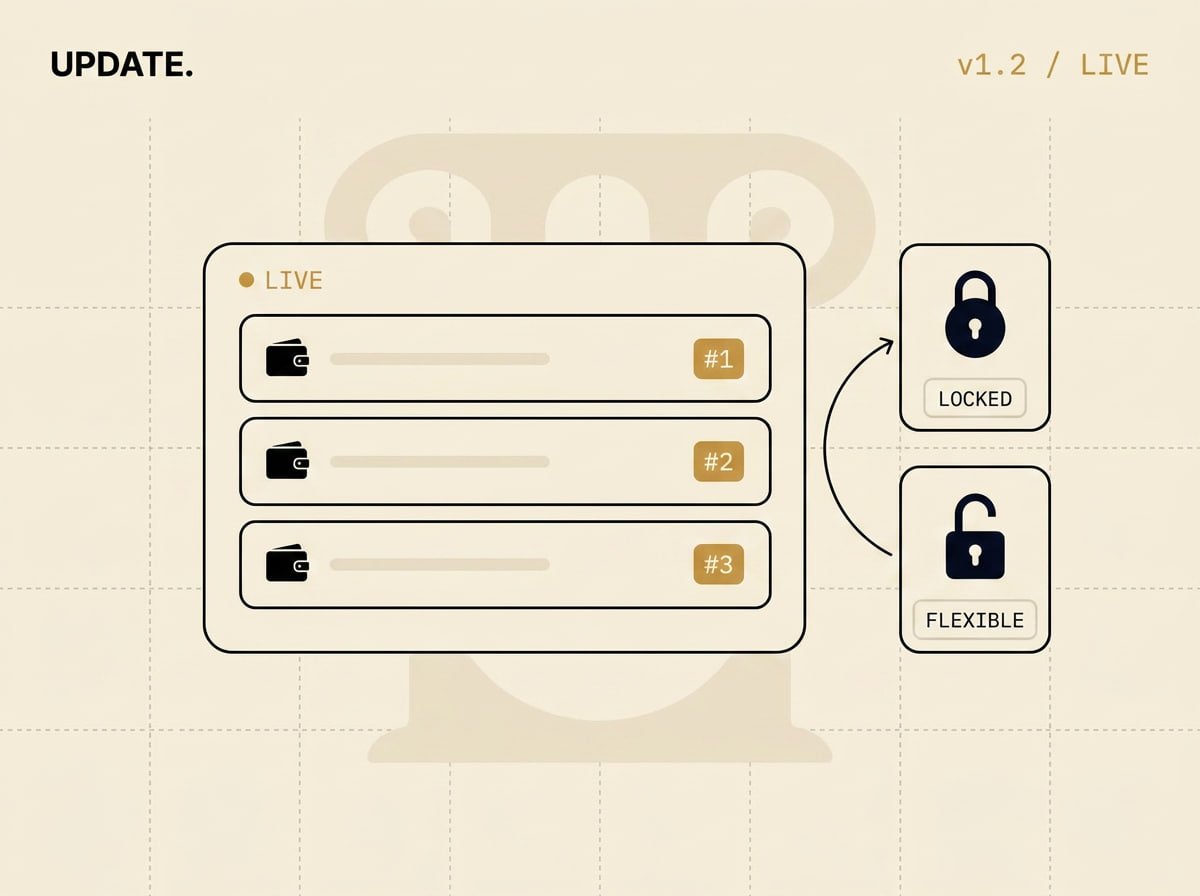
Leaderboard - live.
Top wallets by net $BCUB locked. On-chain data, refreshed every 30s.
FlexVault - live on mainnet. A second staking contract with different liquidity terms. No lock, stake and unstake same block. Smaller fee share in exchange for full liquidity.
Docs -live at https://t.co/oBT1ZWY2ez. Six pages. Staking, launching, trading, FAQ. Real screenshots, real addresses.
This is just the start.
A different way to play memecoin season.
The retail playbook: try to spot the runner, ape in early, sell at the top.
The reality: you'll miss most of them, and the ones you catch will require timing nobody actually has.
The alternative: hold $BCUB. Every trade on every token launched on the platform pays a slice to stakers. You're not picking - you're collecting.
The vault is open. Min lock: 1 day.
Every fee from every launch flows here.
Today's stakers earn from tomorrow's launches.
Be early or be a buyer of theirs.
Two vaults. Not one with tiers.
How everyone usually does it: one staking contract with flags inside. Different rules for different users, all crammed into the same code. Tier logic lives inside the vault, and the state can be flipped whenever.
How we do it: two separate contracts. Same $BCUB, separate accounting.
Locked vault → you commit for 1 day, get a bigger cut of platform fees. Flex vault → no lock, smaller cut.
Same fees flow into both. The split is hardcoded at deploy.
No flags. No if-statements. Nothing can be changed after the fact.
You pick your tier by picking which contract you stake in. The contract is the tier.
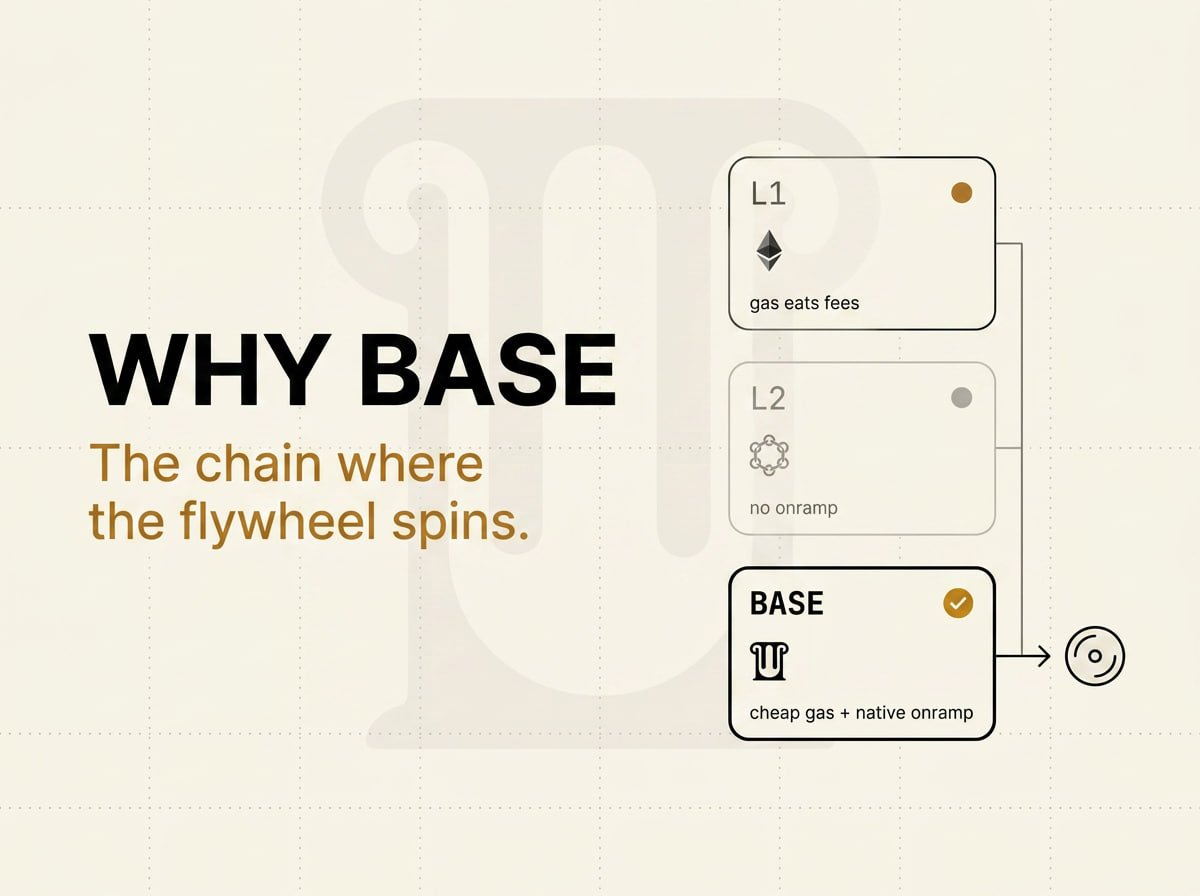
Why @Base specifically.
A revenue-sharing launchpad is a fee-throughput machine.
More trades → more fees → higher yield for stakers.
L1 gas breaks this. Fees get eaten before they reach the vault. The math doesn't compound.
Other L2s clear the gas problem. But Base has the onramp.
Coinbase routes new wallets directly onto the chain. No bridges. No "which network is this." Users land already on-chain.
Cheap gas → micro-trades stay economical.
Native onramp → more users, less friction.
Higher trade count → higher fee throughput → higher APR.
Our contracts run on any EVM L2.
The flywheel only spins where the economics compound.
Base is that chain.
Two vaults. Not one with tiers.
How everyone usually does it: one staking contract with flags inside. Different rules for different users, all crammed into the same code. Tier logic lives inside the vault, and the state can be flipped whenever.
How we do it: two separate contracts. Same $BCUB, separate accounting.
Locked vault → you commit for 1 day, get a bigger cut of platform fees. Flex vault → no lock, smaller cut.
Same fees flow into both. The split is hardcoded at deploy.
No flags. No if-statements. Nothing can be changed after the fact.
You pick your tier by picking which contract you stake in. The contract is the tier.
What's still cooking.
Portfolio page upgrade - separate cards for locked and flex positions.
Home page TVL - sum across both vaults. Leaderboard Locked / Flex toggle (backend already supports it).
Premium launches streaming their tokens to flex stakers.
Whitepaper drops next.
All on-chain. All verifiable. All in production
Three updates live on https://t.co/G3dsVRu1rR: staker leaderboard.
FlexVault - no-lock staking contract. TreasuryRouter - the splitter that funds it.
All deployed and verified on Base mainnet. Full breakdown below.
TreasuryRouter - how FlexVault gets paid.
FeeDistributor still routes 70% of every fee to the locked vault, unchanged. Its treasury share (20%) now flows through TreasuryRouter, which splits again:
20% × flexBps (=4% of total fees) → FlexVault rewards
20% × (1 − flexBps) (=16%) → treasury EOA
Final platform-fee split: Locked 70%. Flex 4%. Treasury 16%. Buyback 10%.
Adjustable by one owner tx. No redeploy.
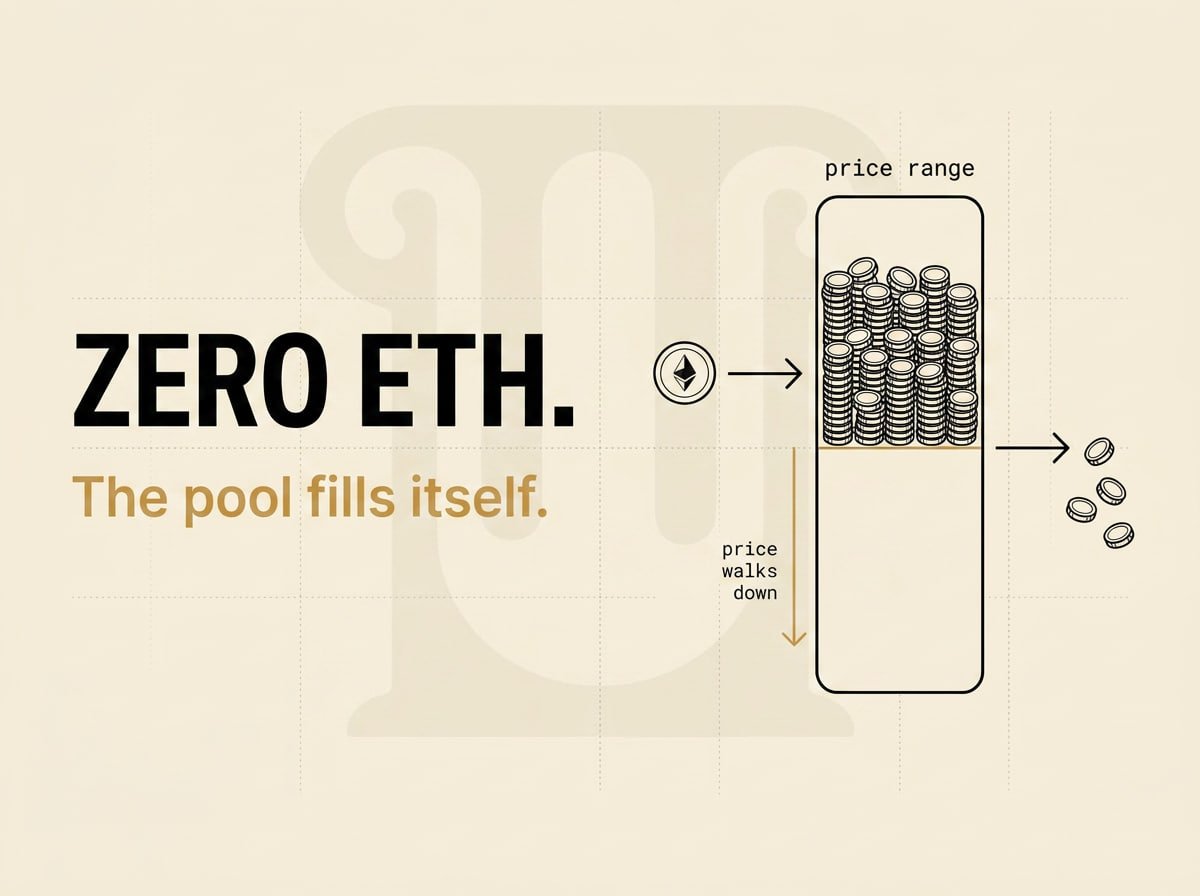
Why creators put up zero ETH.
Most launchpads make you bring liquidity. ETH + your token, paired up before trading starts.
We don't.
Deploy your token - entire supply goes into a Uniswap V3 position, priced above the market.
First buyer shows up with ETH. Price walks down the range. Tokens flow into their wallet. Their ETH stays in the pool.
The pool fills itself. Trade by trade.
No upfront capital. No seeding the LP. No begging frens to bootstrap the chart.
You ship the idea. The market funds the pool.
$BCUB's only on-chain role is being the staking ticket.
No governance theater. No fee discount. No burn mechanism in v1. The 10% buyback bucket simply accumulates until v2 wires the swap + burn on-chain.
Your APR = real trading activity on real Uniswap pools. Not a number we picked.
Stakers don't bet on one token. They own the rails. This is the incubator economy of Base.
Why BaseCubator exists.
Pump.fun-style launchpads keep all the value. Creators pay. The platform seeds liquidity. The platform pockets the fees. If there's a platform token at all, holders get governance theater.
We inverted that. $BCUB is the only beneficiary of platform economics.
Full mechanics below.
The fee flow.
Every launch fee + every LP fee - FeeDistributor. 70% - StakingVault as native ETH. 20% - treasury. 10% - buyback bucket (auto-buyback wires in v2).
The staking vault is Synthetix-style, extended to stream up to 8 reward tokens simultaneously. Premium launches can route a slice of their token to stakers - whitelisted by owner so one malicious launch can't brick claimAll for everyone.
Min lock: 1 day, sliding. Rewards stream per-second. Pro-rata by stake share. Claim anytime after unlock.