"We have a vaccine that prevents shingles, a vaccine that markedly lowers the risk of dementia, and a vaccine that might even slow aging itself. Conveniently, these three vaccines are actually just one: the shingles vaccine. But fewer than half of eligible Americans have received the vaccine." https://t.co/VKyZMDHJdj
🚨📢 Call to action!
Sign this petition to urge the FDA to approve @ShionogiUS’s Xocova, a 2nd generation COVID-19 antiviral that will give us prophylaxis and treatment options beyond Paxlovid.
A decision date is currently set for June 16th, and we’re going to need all the help that we can get to push this approval through, because the FDA offices that will need to issue an approval are currently in complete turmoil:
• Just today, Politico announced that FDA commissioner Makary is resigning, and will be replaced by acting commissioner Kyle Diamantas: https://t.co/pQ06YqbbOb
• The FDA’s Center for Drug Evaluation and Research (CDER) is now led by Tracy Beth Høeg, one of the worst anti-science hacks that this administration has to offer. Just last week, it was widely reported that she personally got involved against Sanofi’s type 1 diabetes drug in a disagreement with staff: https://t.co/CLfbj8OKSF
• Within CDER, the Office of Infectious Diseases (which Xocova approval goes through) currently has no director - Adam Sherwat left the FDA last month: https://t.co/AyHXTn15SI
BREAKING🔔 The 57th paper from G2P-Japan🇯🇵 is out at Cell @CellPressNews🦇!! We elucidated the virological characteristics of a new bat coronavirus identified in Thailand🇹🇭
The debut work by “G2P-Asia🌏”. Please repost🔥
https://t.co/I4pi5adQSa
This is Nobel winner, Tu Youyou, in the early 1970s, she discovered the malaria treatment artemisinin that saved tens of millions of lives by following a 1,600-year-old Chinese medical recipe. She realized the herb had to be prepared cold, not boiled and then she tested the drug on herself first.
Working during China’s Project 523 in the late 1960s, Tu Youyou screened hundreds of traditional remedies for antimalarial activity. The breakthrough came when she revisited a 4th-century text by Ge Hong, which described extracting Artemisia annua (qinghao) in a way that avoided heat. Switching to a low-temperature ether extraction preserved the active compound—later named artemisinin—which proved rapidly effective against Plasmodium parasites, including drug-resistant strains.
By the late 1970s and 1980s, artemisinin derivatives (artemether, artesunate) were developed, and in the 2000s the World Health Organization endorsed artemisinin-based combination therapies (ACTs) as the global standard. The scale is difficult to overstate: ACTs are credited with helping drive a >50% reduction in malaria mortality since 2000, with millions of lives saved, particularly among children in sub-Saharan Africa.
Tu’s work was conducted under conditions of limited resources and political isolation, yet it produced one of the most consequential drug discoveries of the 20th century. She was awarded the 2015 Nobel Prize in Physiology or Medicine, becoming the first Chinese laureate in that category.
Early clinical testing in China included volunteer self-administration by the research team to confirm safety before broader trials, an uncommon but historically documented step in the program.
#drthehistories
Molecular survey of Borrelia spp. in bats and soft tick infesting bats in Thailand. Curr Res Parasitol Vector Borne Dis
. 2026 Apr 7:9:100374 https://t.co/LRvUyFzQmp
Ecological Factors and Host Community Characteristics as Potential Drivers of Bat RNA Virus Spillover. Biology (Basel)
. 2026 Apr 12;15(8):609. https://t.co/xw7XkSFrYw #batpapers#batviruses
In vitro characterization of different genetic strains of rabies virus isolated from non hematophagous bats. Res Vet Sci
. 2026 Apr 20:207:106204. https://t.co/qOk61IipS0 #batpapers
The ornamental trade in painted woolly bats (Kerivoula picta) in Ho Chi Minh City, Vietnam: Global Ecology and Conservation 66 (2026) e04098 https://t.co/SLziEM2u3y #batpapers
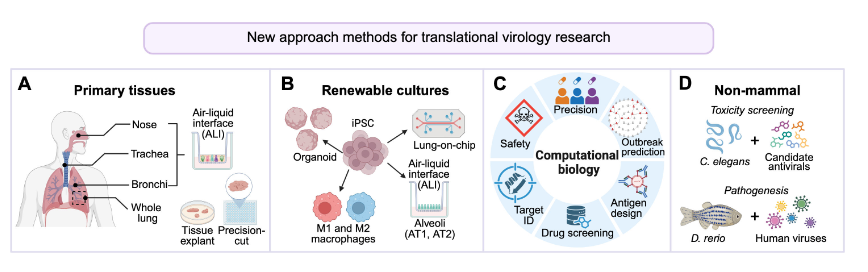
Animal models are a cornerstone of virology research. However, various factors are prompting a shift toward non-animal, human-relevant alternatives (e.g., organoids). How are new approach methods (NAMs) reshaping virology research? Find out in #JVirology: https://t.co/uLXXP3tWoW
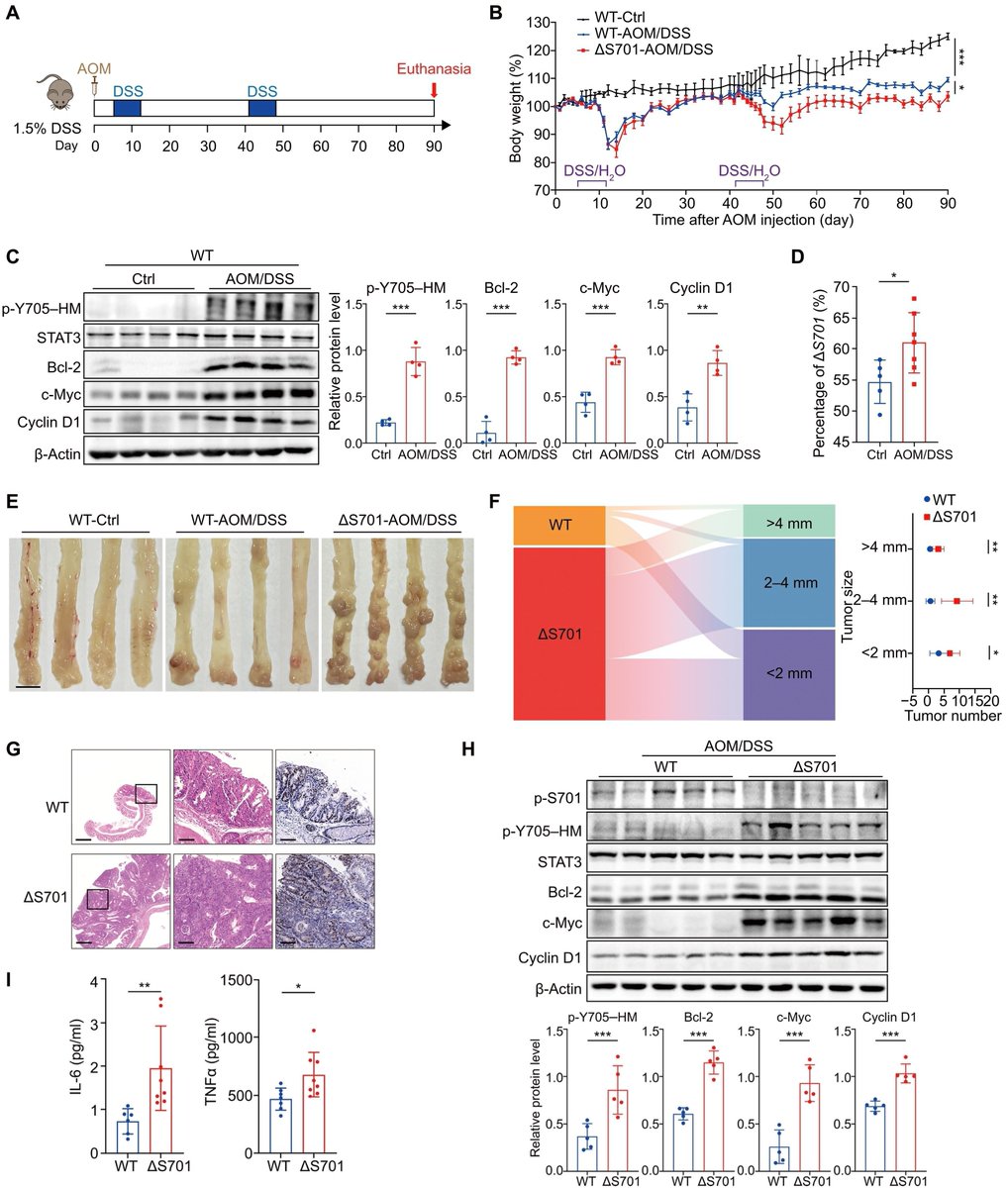
Alternative splicing resulting in STAT3 that lacks a single amino acid, S701, increases colonic inflammation and tumorigenesis
https://t.co/J2ELhS8lKI @ScienceTM 🇨🇳
13th human case of #H5N1 in Cambodia this year:
6-year-old boy from Tbong Khmum province, confirmed on July 21. Exposure likely linked to sick and dead poultry. He is currently in intensive care.
#AvianInfluenza#Cambodia#Zoonoses
If you don't catch me at #SMBE2025 in Beijing on Tuesday maybe you'll catch me at #UQ or #IBRC2025 in Cairns,Australia the week after! IBRC made pretty promo pictures for each talk.
Level up your immunology research! The new AAI Computational Immunology Course covers machine learning, single-cell RNA-seq, spatial transcriptomics & more. Get the computational edge: https://t.co/UiPMAosrQd.
#immunology#bioinformatics#datascience