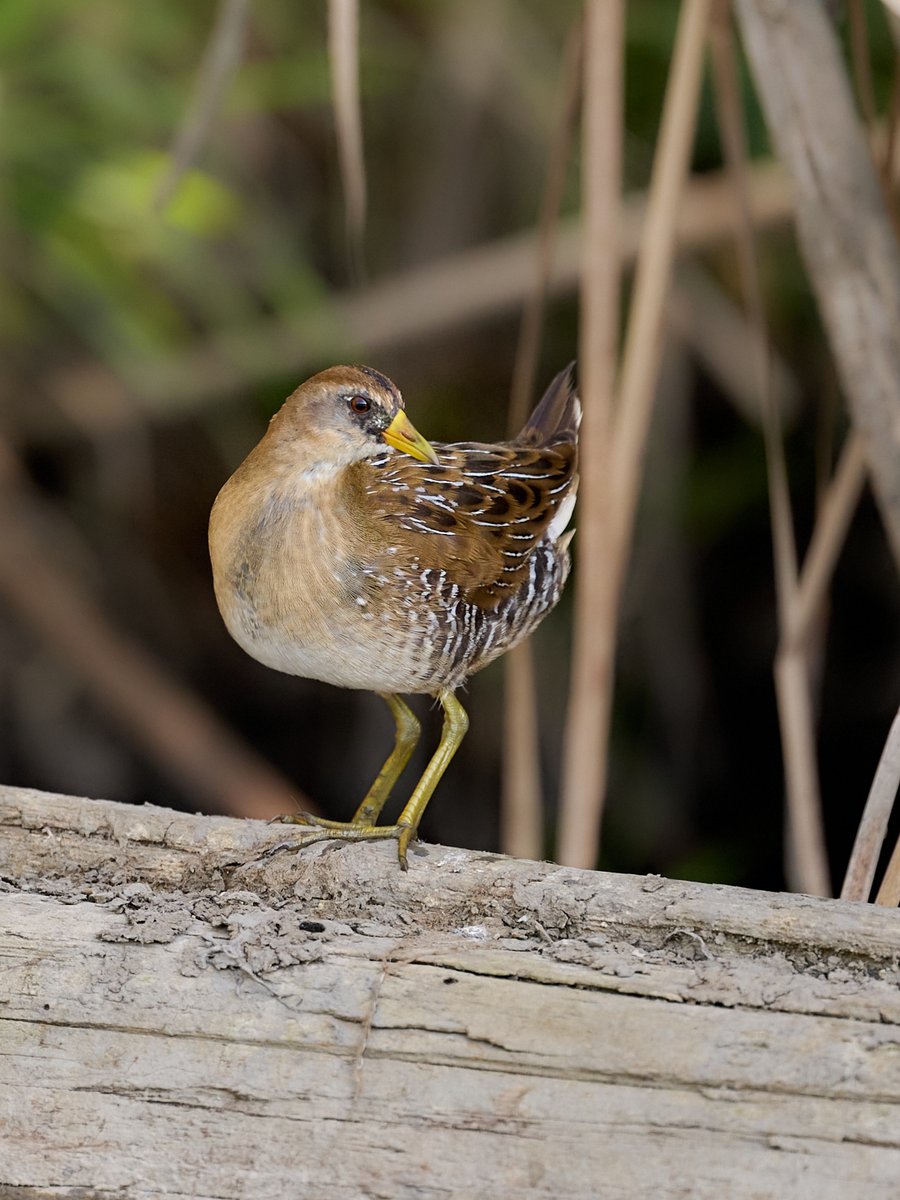
More often heard than seen, and rarely seen completely out of the cattails and rushes, the 𝐒𝐨𝐫𝐚 is highly secretive as it forages for seeds from wetland plants and aquatic invertebrates. It is the most abundant and widespread rail in North America.
#urbanwildlife#rail#sora
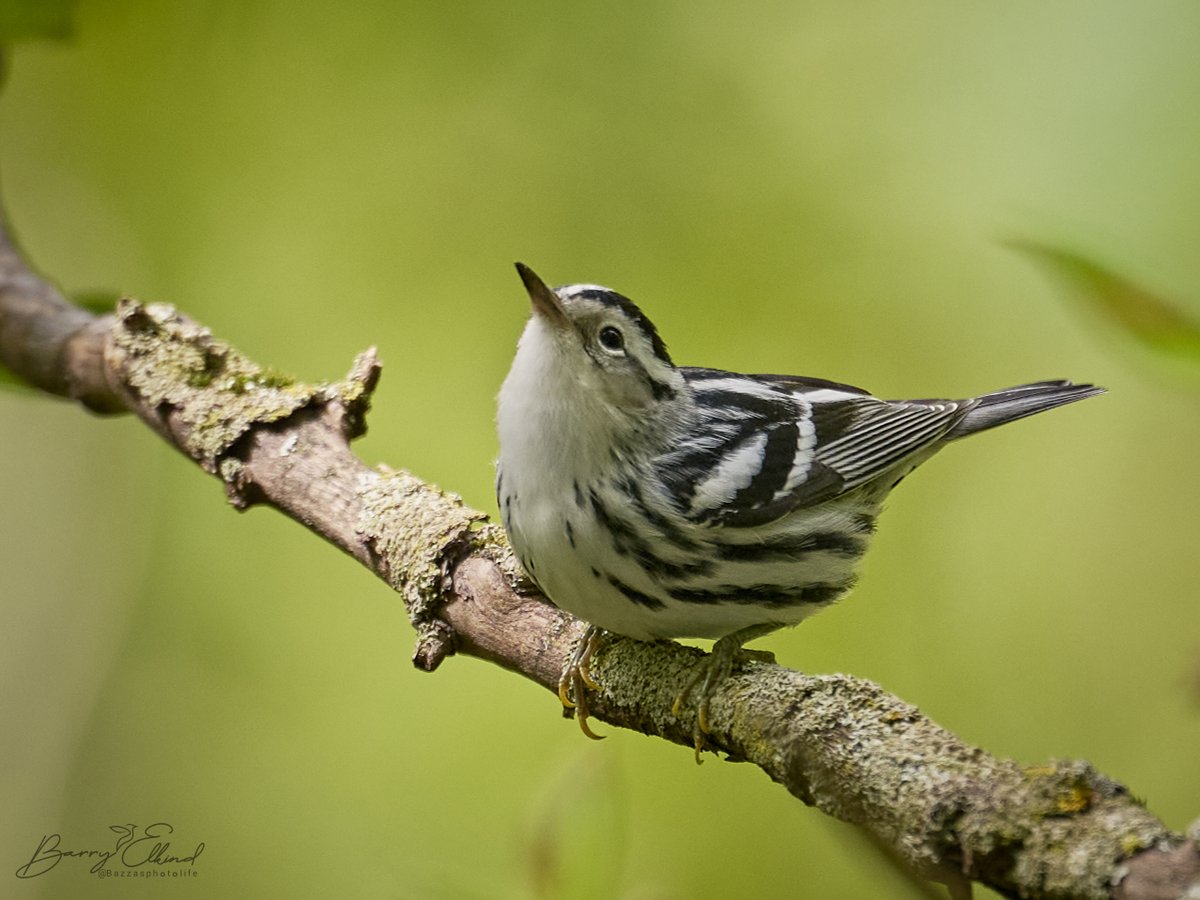
I've always struggled to get an interesting shot of the 𝐁𝐥𝐚𝐜𝐤-𝐚𝐧𝐝-𝐰𝐡𝐢𝐭𝐞 𝐖𝐚𝐫𝐛𝐥𝐞𝐫 (𝘔𝘯𝘪𝘰𝘵𝘪𝘭𝘵𝘢 𝘷𝘢𝘳𝘪𝘢). I hope you like this one; it seems as if it is sniffing the air for something 😆
#urbanwildlife#warblers
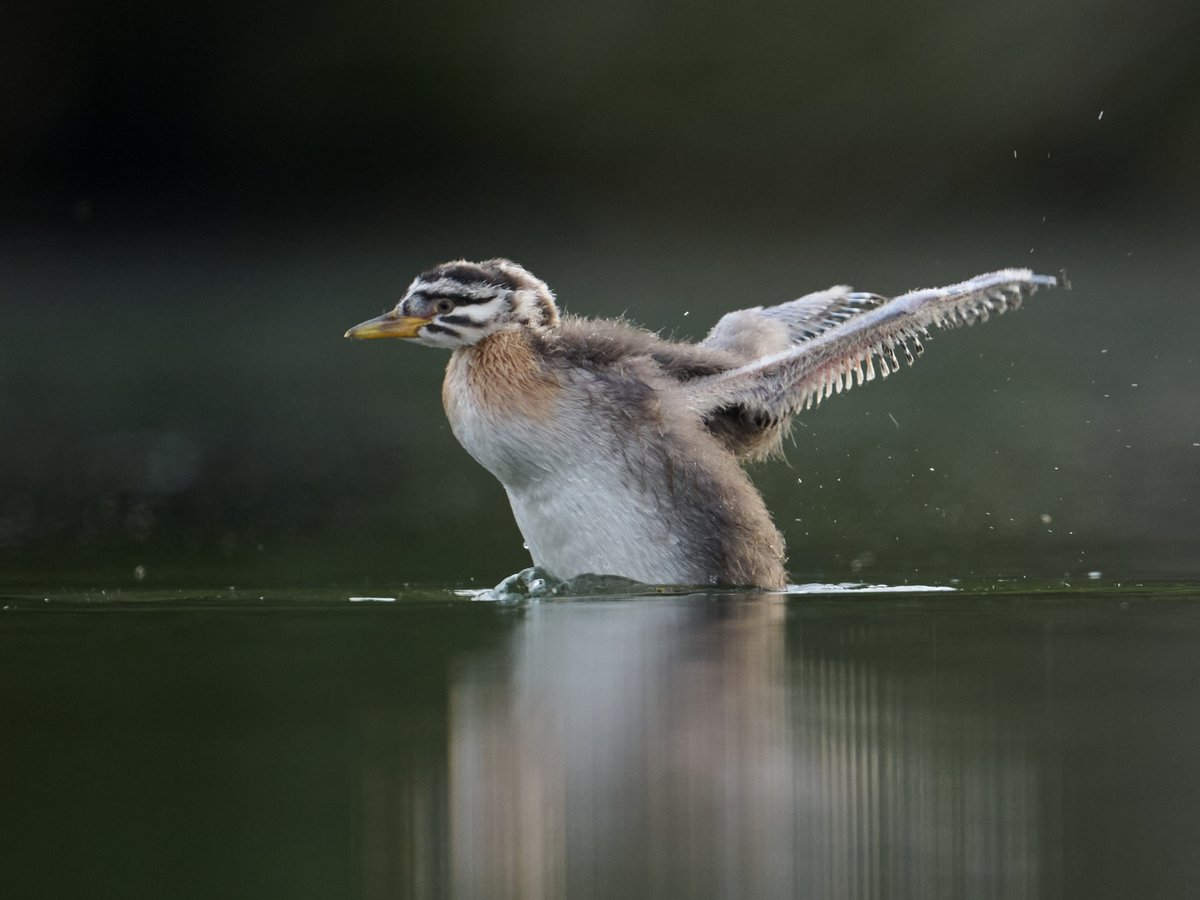
𝐑𝐞𝐝-𝐧𝐞𝐜𝐤𝐞𝐝 𝐠𝐫𝐞𝐛𝐞𝐭𝐭𝐞 testing its wings that are still not perfectly baked.
𝐂𝐨𝐨𝐥 𝐟𝐚𝐜𝐭: The young may be fed by the parents for up to 54 days after fledging, and can fly at 50–70 days.
#OntarioWildlife#Grebe#Urbanwildlife
𝐑𝐞𝐝-𝐧𝐞𝐜𝐤𝐞𝐝 𝐠𝐫𝐞𝐛𝐞𝐭𝐭𝐞(𝘗𝘰𝘥𝘪𝘤𝘦𝘱𝘴 𝘨𝘳𝘪𝘴𝘦𝘨𝘦𝘯𝘢) trying to keep up...
𝘼𝙢𝙖𝙯𝙞𝙣𝙜 𝙛𝙖𝙘𝙩: Grebes ingest large quantities of their own feathers.
#Ontariowidlife#birds#Ontario#wildlife
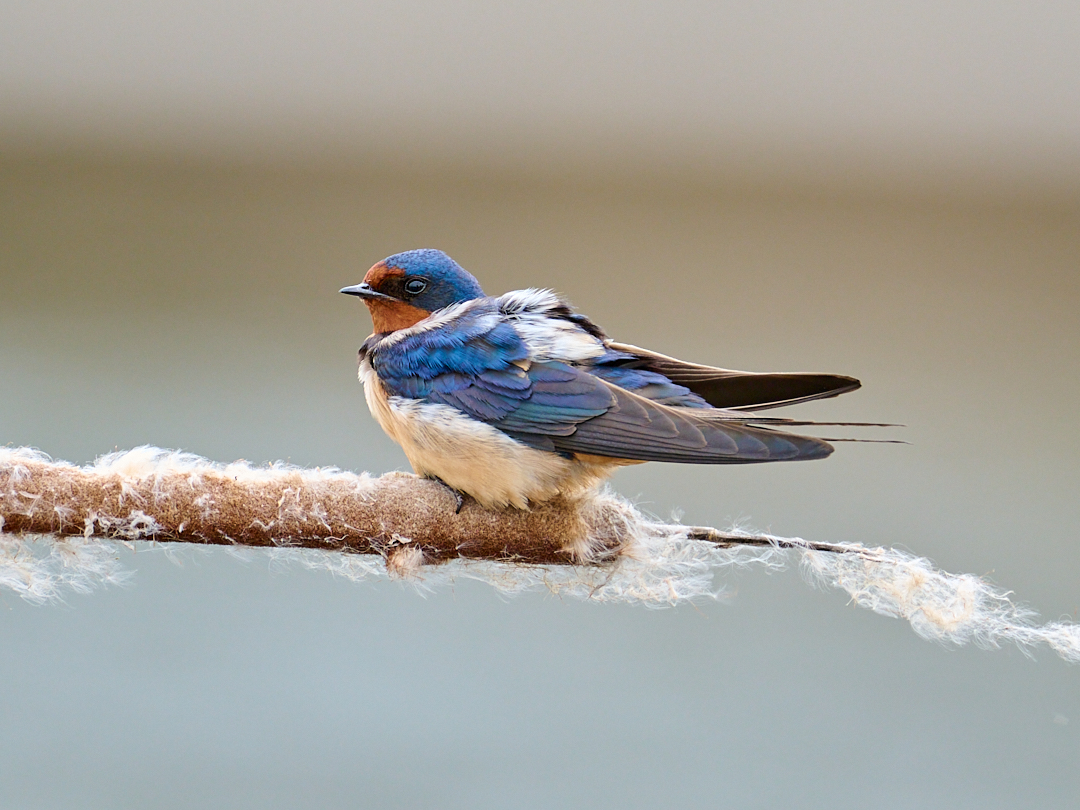
𝐁𝐚𝐫𝐧 𝐒𝐰𝐚𝐥𝐥𝐨𝐰 taking a rest from hunting.
An unmated male may kill the nestlings of a nesting pair. His actions often succeed in breaking up the pair affording him the opportunity to mate with the female (https://t.co/chqJ4YMoW1).
#ontariowildlife#ontario#birds
Wasan Island (Muskoka) through the eye of a Common Loon. Look closely and see the sunset and a building from the island.
A Common Loon's eyes are this red only during the summer. The reason seems a bit controversial.
https://t.co/wzeMQM6FxI
#ontariowildlife#loons
𝐎𝐯𝐞𝐧𝐛𝐢𝐫𝐝 in full breeding plumage. These birds are so loud that they may seem right next to you but actually be quick far away in the forests that they reside in.
#ovenbird#Ontario#Ontariowildlife#warblers#birds
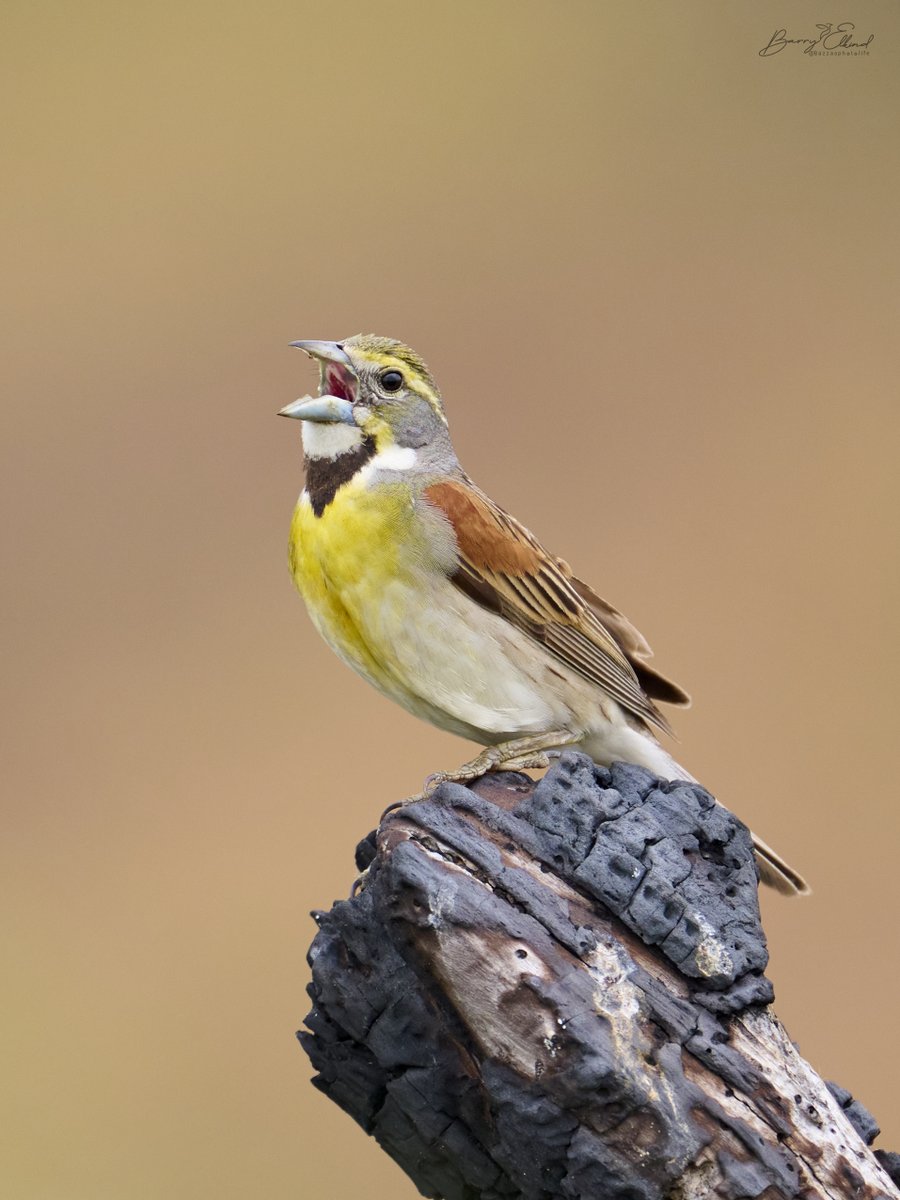
𝐃𝐢𝐜𝐤𝐜𝐢𝐬𝐬𝐞𝐥 (𝘚𝘱𝘪𝘻𝘢 𝘢𝘮𝘦𝘳𝘪𝘤𝘢𝘯𝘢) ♂️ belting out a song by the side of a road. These chunky grassland buntings forage on the ground for seeds. Southern Ontario is the far northeastern part of their breeding territory.
#Ontariowildlife#Dickcissel#birds
The normally elusive 𝐬𝐞𝐝𝐠𝐞 𝐰𝐫𝐞𝐧 is easy to see on territory in the far west of Ontario.
There were literally hundreds singing - incredible to hear especially in the dark ahead of the day.
#Ontariobirds#Ontario#Wren#Birds#Ontariowildlife
𝐃𝐮𝐧𝐥𝐢𝐧 are abundant as they migrate through North America to their breeding grounds in the Arctic. As shown, they have a vivid rusty back and black belly patch that will all turn rather dull gray as they migrate back in the fall.
#Ontariobirds#shorebirds#migration
𝐀𝐦𝐞𝐫𝐢𝐜𝐚𝐧 𝐑𝐨𝐛𝐢𝐧 feeding its young a delicious delicacy of worms.
It is my opinion that if Robins were not so common in Ontario and if they didn't pose so well, most wildlife photographers would not overlook them as subjects.
#urbanwildlife#Ontariowildlife