@ModyKoza@TomekSzelby@wlochu_6 ,,to zdjęcie” to raz a dwa nie skumałeś o co mi chodzi, takiego dopingu nie było dawno w Bielsku bo nie było dużej firmy, jak np Wisła, Ruch, Katowice właśnie..
@ZelenskyyUa Ogarnijcie burdel jaki macie w ,,kraju” a później zacznijcie myśleć o porządku wewnątrz. Macie tak wojnę gościu @ZelenskyyUa a nie pokój, możesz się ubiegać o dołączenie do Unii jak ogarniesz podwórko, nie będzie mojej zgodny do wejścia póki nie załatwisz sprawy Wołynia. Zrozum.
@WarNewsPL1@ZelenskyyUa Absolutnie nie jestem zwolennikiem putina ale takie psie gadanie ze strony aktorzyny z Ukrainy to tylko pokaz ze czuje sie wygrany. Ta wojna o nic juz za długo trwa.
THE GENOCIDE OF POLES IN VOLHYNIA AND EASTERN GALICIA
This is the first installment of a deep dive into one of the darkest chapters of the Second World War: the genocide of Poles in Volhynia and Eastern Galicia between 1943 and 1945.
Roughly 100,000 people, the overwhelming majority of them unarmed women, children, and the elderly, were murdered in a deliberate campaign to eradicate the Polish presence from the region. Over the coming installments, I will examine it piece by piece: the land and its people, the long roots of the conflict, the ideology that drove the killings, and the course of the massacres themselves. This is where it begins.
Part 1
Between 1943 and 1945, the Polish population of Volhynia and Eastern Galicia was subjected to a sustained campaign of mass murder and ethnic cleansing. The killings were planned and carried out chiefly by the Ukrainian Insurgent Army (UPA), the military arm of the Bandera faction of the Organization of Ukrainian Nationalists (OUN-B), often with the participation of local Ukrainian villagers. Their goal was the permanent elimination of Poles from territories the nationalist movement intended to incorporate into a future, ethnically homogeneous Ukrainian state.
The campaign was distinguished not only by its scale but also by its extraordinary cruelty. Entire communities were destroyed in coordinated dawn attacks. Victims were killed with axes, scythes, pitchforks, knives, saws, and firearms. Churches and farm buildings crowded with people were set ablaze, and bodies were often mutilated to terrorize survivors and discourage any thought of return. The overwhelming majority of those killed were unarmed civilians: women, children, the elderly, and farming families.
Historians' estimates of the Polish death toll vary, but the most widely cited figures place the total at roughly 100,000 across all affected regions, with approximately 50,000 to 60,000 killed in Volhynia and a further 30,000 to 40,000 in Eastern Galicia and the neighboring southeastern voivodeships.
Geographic and Demographic Setting:
Volhynia and Eastern Galicia lay within the Kresy Wschodnie (Eastern Borderlands), the multiethnic eastern provinces of interwar Poland.
Volhynia corresponded to the Wołyń Voivodeship in the northwestern part of present-day Ukraine. Eastern Galicia comprised the Lwów, Tarnopol, and Stanisławów voivodeships farther south.
For centuries, these lands had been home to an intermingled population of Ukrainians (Ruthenians), Poles, Jews, and smaller communities of Czechs, Germans, Armenians, and Russians.
The demographic structure was decisive in shaping what followed. In Volhynia, Ukrainians formed a large rural majority, accounting for around two-thirds of the population, while Poles, at roughly one-sixth, were concentrated in towns, administrative and professional positions, and among landowners and recent agricultural settlers.
In Eastern Galicia, the Polish proportion was larger, and Poles predominated in the cities, above all in Lwów, while Ukrainians dominated the surrounding countryside. The Ukrainian population of Volhynia was largely Orthodox, while that of Galicia was predominantly Greek Catholic (Uniate).
@VlStarodubtsev Polska nic nie musi, póki jest wolna nic nie musi. Nie będzie akceptacji upa, to nazistowski odział. Ręki nie poddaliśmy i za to cierpieliśmy, Ukraina nie będzie narzucała Nam co mamy robić.
@VlStarodubtsev Rzeź z ramienia UPA była bestialska, nigdy w Polsce nikt nie zgodzi się z tym że takie były czasy, jeśli masz do tego wątpliwości to dla mnie jesteś oszustem, wybierasz historie, nazistą. Pamiętaj że karma wraca, do Was już wróciła i może wrócić nie raz. Bez pomocy z Polski…
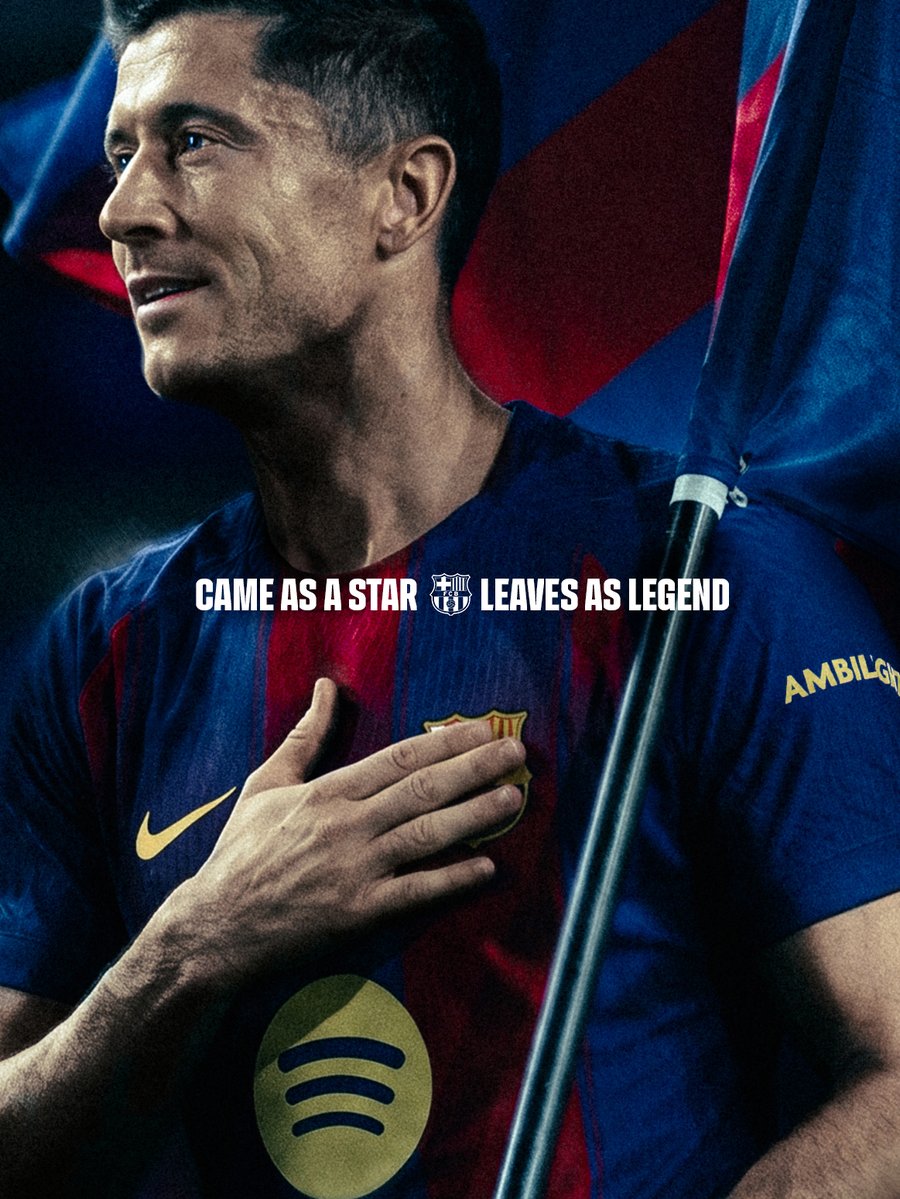
Came as a star.
Leaves as legend.
Thank you, Robert Lewandowski, for every goal, every battle, and every magic moment wearing these colours. Culer forever. 💙❤️
@nexta_polska Jak to oglądałam z jaką lekkością wchodził to myślałem że to trening przed czymś większym.
On ma Polską moc, to Polak, jest niezniszczalny.