The Government "Be Ready" campaign urges us to stockpile tinned food that doesn’t require heating. Apparently this includes baked beans. But what other tinned food would you like to eat cold? Anchovies? Pineapple? Ham?
I think for the dry biscuity side of survival after the government disaster, marine supplies like these would serve well. Will last 4 years. Just need to keep away rodents.
The Government "Be Ready" campaign urges us to stockpile tinned food that doesn’t require heating. Apparently this includes baked beans. But what other tinned food would you like to eat cold? Anchovies? Pineapple? Ham?
@carrotmuseum Often they buy chilled or frozen food which will spoil after a couple of days without electricity, especially if it can't be cooked. The idea is to have a reserve, to be eaten if no emergency arrives before its storage date expires.
The publishing history of these uniform French editions is interesting: they’re not really paperbacks; they’re actually unbound. What you would do was buy the book in this form from your bookseller and take it to your bookbinder to be prepared for your library. 1/2
@Impitoyable Yes, you're quite right. It's really how books were sold in England before the 19th-century fashion for cloth covered boards. In the 18th century books would be advertised "in sheets", ready to be folded, cut and bound.
It's an interesting cultural aspect of aesthetics. Spanish books, like French ones, used to be issued in paper wrappers. Some were then bound in boards. British books of the same age, before paperbacks came in, were published as hardbacks, which look to us more finished.
This storm's name, Boelo, is the same Germanic word meaning "bold" as the -bald element in Archibald. It's the bit missing in the name Archie, as in the Duke of Sussex’s son Prince Archie.
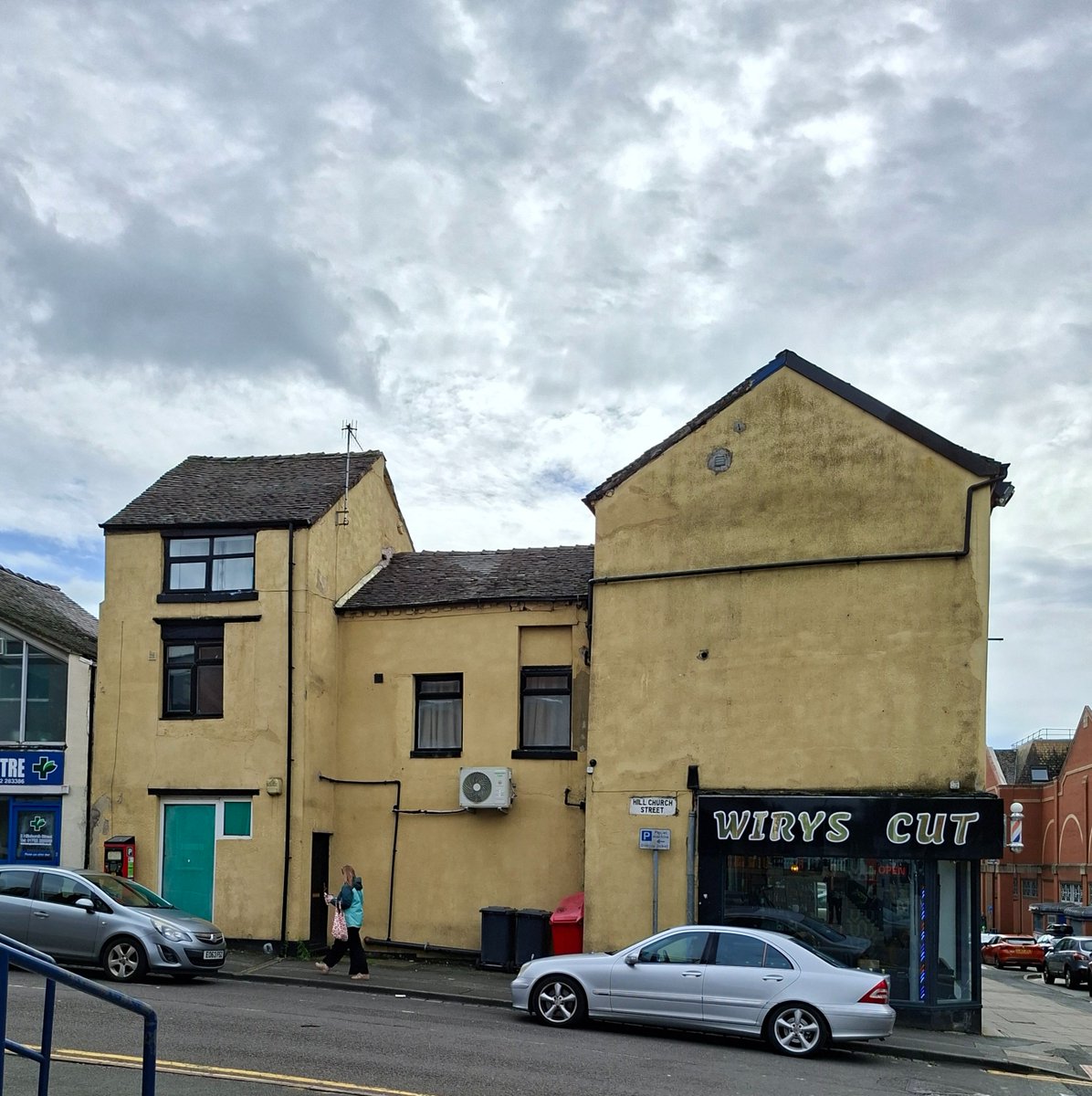
Old houses on the corner of Hill Church Street (formerly Church Street) and Town Road (formerly High Street) in Hanley, Staffordshire. If you think they look nothing special, you should see most of the nearby buildings.
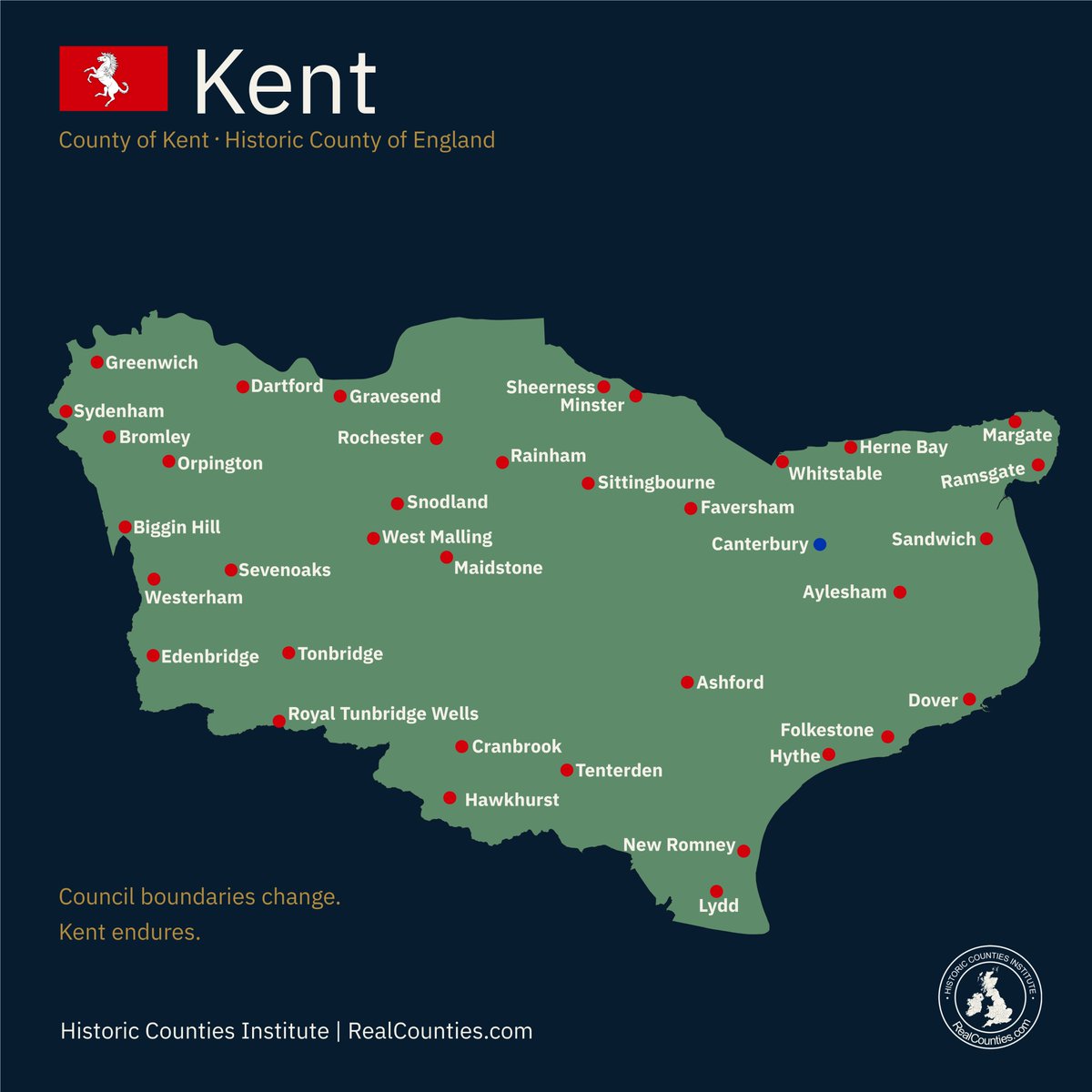
Greenwich is a London borough, but that doesn't mean it’s ceased to be part of a geographic county.
Greenwich is still geographically in Kent.
Inclusion in Greater London in 1965 changed Greenwich’s local-government arrangements, not its county geography.
Being part of London and belonging to a historic county aren't mutually exclusive. Both are true today!