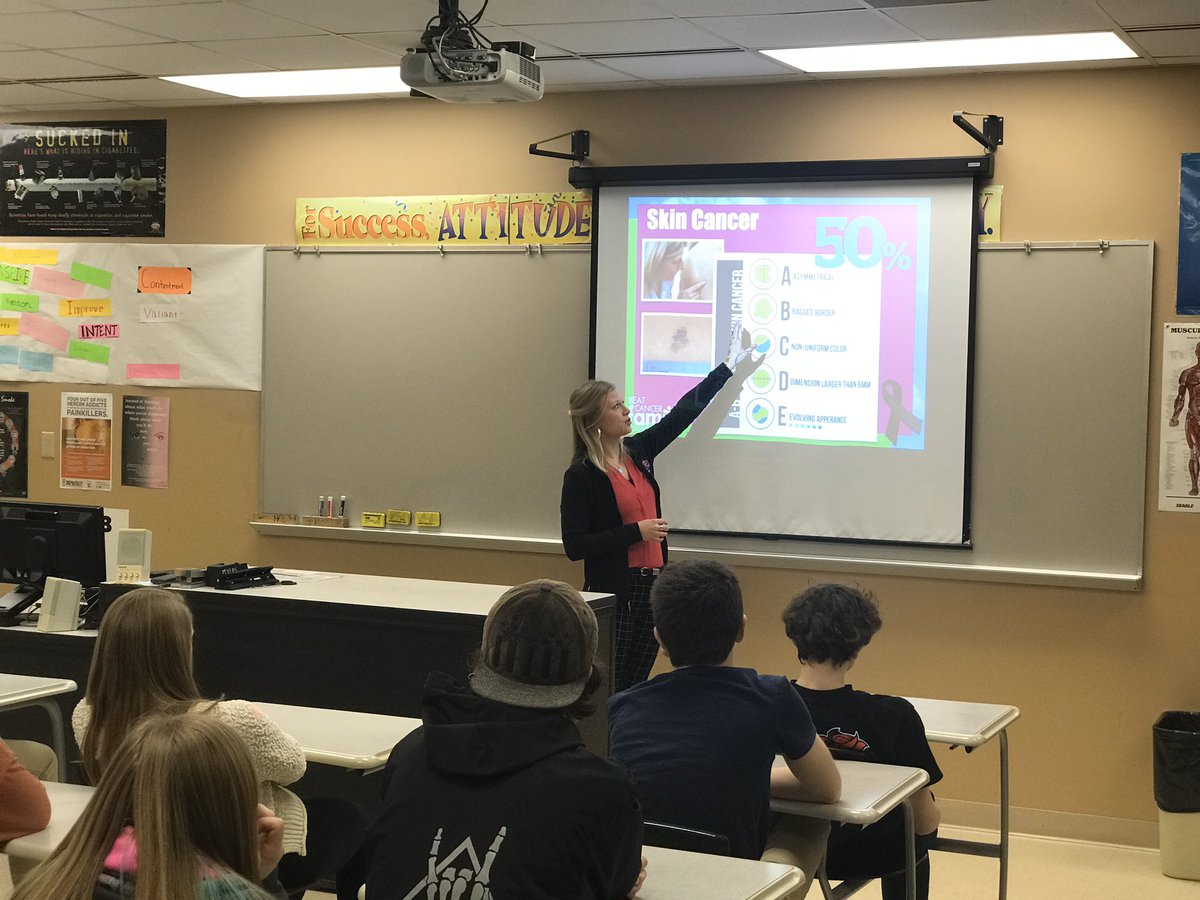
The BCFF is a local non-profit and is the area's primary resource for providing education on cancer awareness and prevention to our youth and community.
March 4 is HPV Awareness Day.
High-risk HPV can develop into cancer of the cervix if it is not treated in time. This is why we want to emphasize the importance of getting a pap tests regularly! #hpvawarenessday#beatcancerff
As it is the first day of March, it is also the, and first day of Colorectal, Kidney, and Multiple Myeloma Cancer(s) Awareness Month. Throughout this month, we will be educating on all three types of cancers and how we can reduce our risks! Stay tuned! #beatcancerff#bcffmission
Cuties are still sweet, small, and easily personalized, not to mention full of vitamins and minerals.
Have your kiddos write their own messages to their friends and make it a fun activity! All you need is a bag of Cuties and a permanent marker 🥰
There are no regular screenings one can get to diagnose gallbladder cancer. Typically the cancer is found through surgery, as the cancer starts in the inner layers of the organ and spreads into the outer layers at is progresses and grows.
Tomorrow is the Carnival for a Cure! You don’t want to miss it! There will be games for all ages, bounce houses, silent auction items- signed Packer items, themed raffle items and more! During the Varsity basketball games at Bay Port! @BPgirlsBball@BayPortBoysBB@BayPortHS
Gallbladder Cancer has the following risk factors:
- having gallstones - being over the age of 70
- being a woman
- Mexican Americans and Native Americans are more likely to develop gallbladder cancer compared to other ethnicities
- using tobacco
- a family history
Fun Fact Friday!
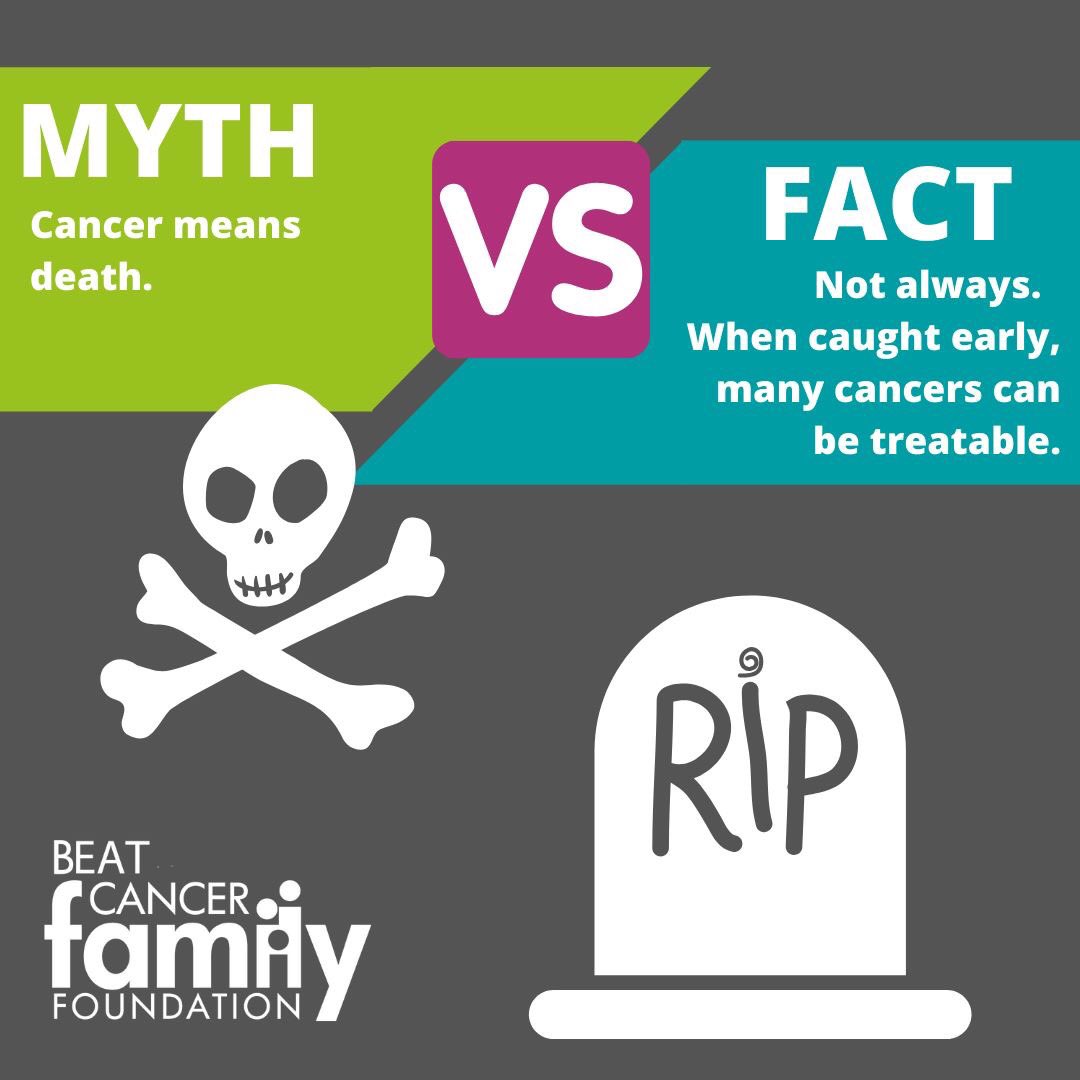
Myth: Cancer means death.
Fact: Cancer does not always lead to death. In fact, many cancers, when caught early can be treatable. This is why it is so important to live a healthy lifestyle. #FunFactFriday
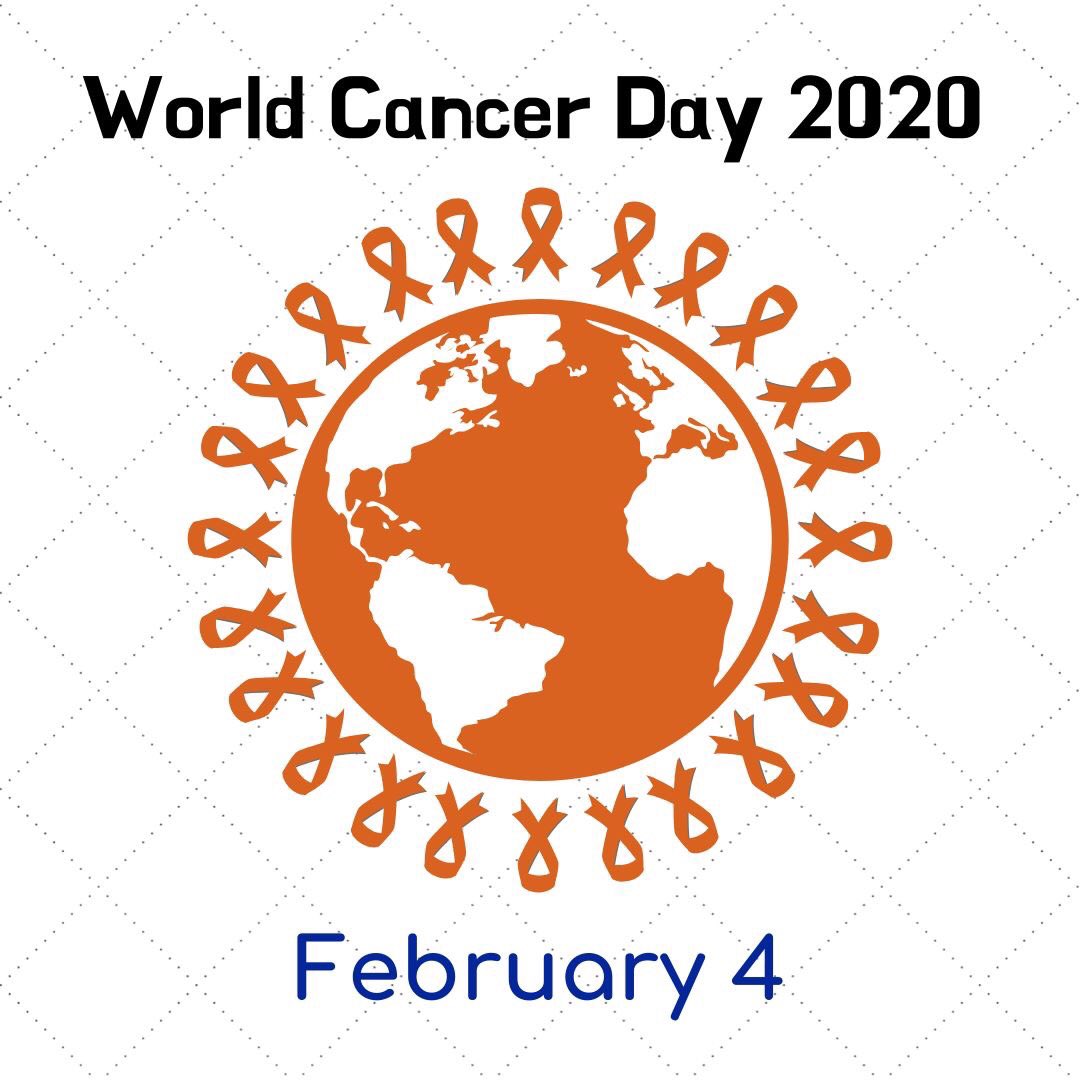
February 4 was deemed World Cancer Day in 2000 by the UICC. This day aims each year to raise awareness, provide education, and help bring equality across the world in terms of cancer treatment and access.
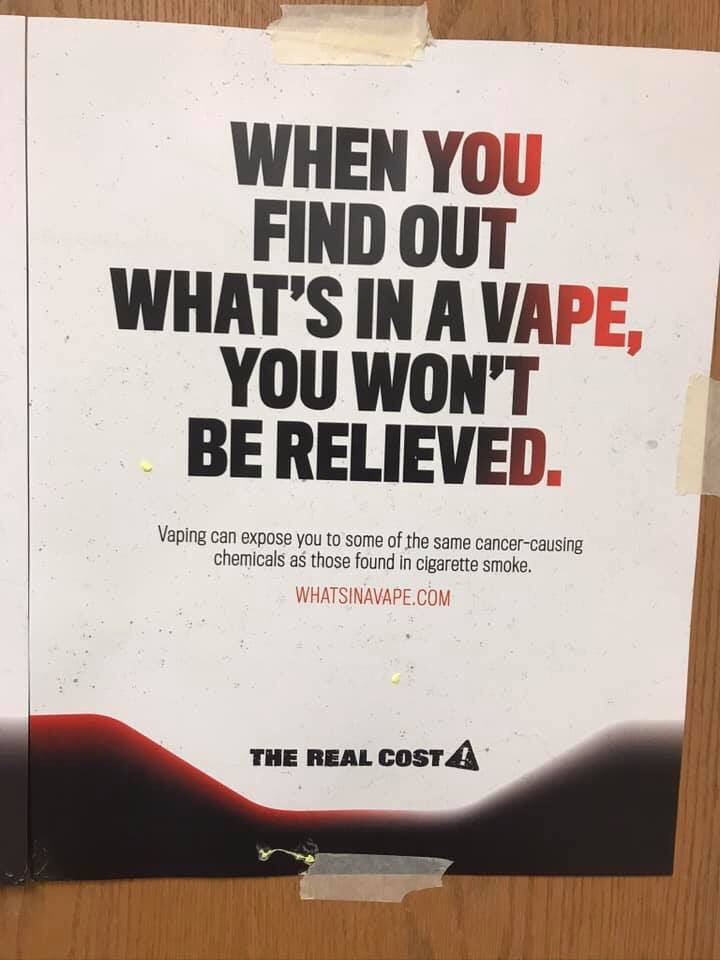
Today we had the honor of speaking to the entire student body at Clintonville High School on the dangers & risks involved with Vaping and E-Cigarettes. Education is powerful! ~Holly
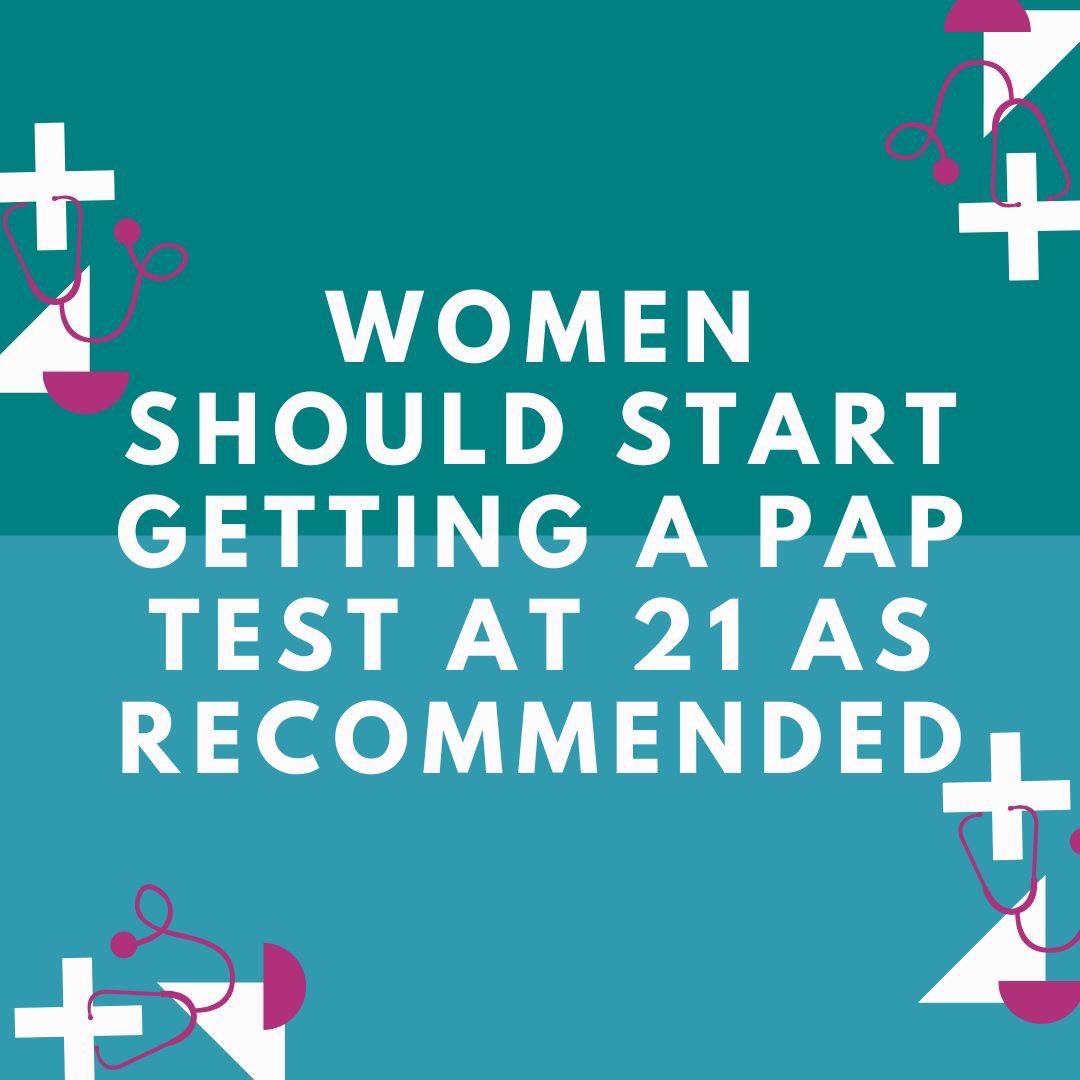
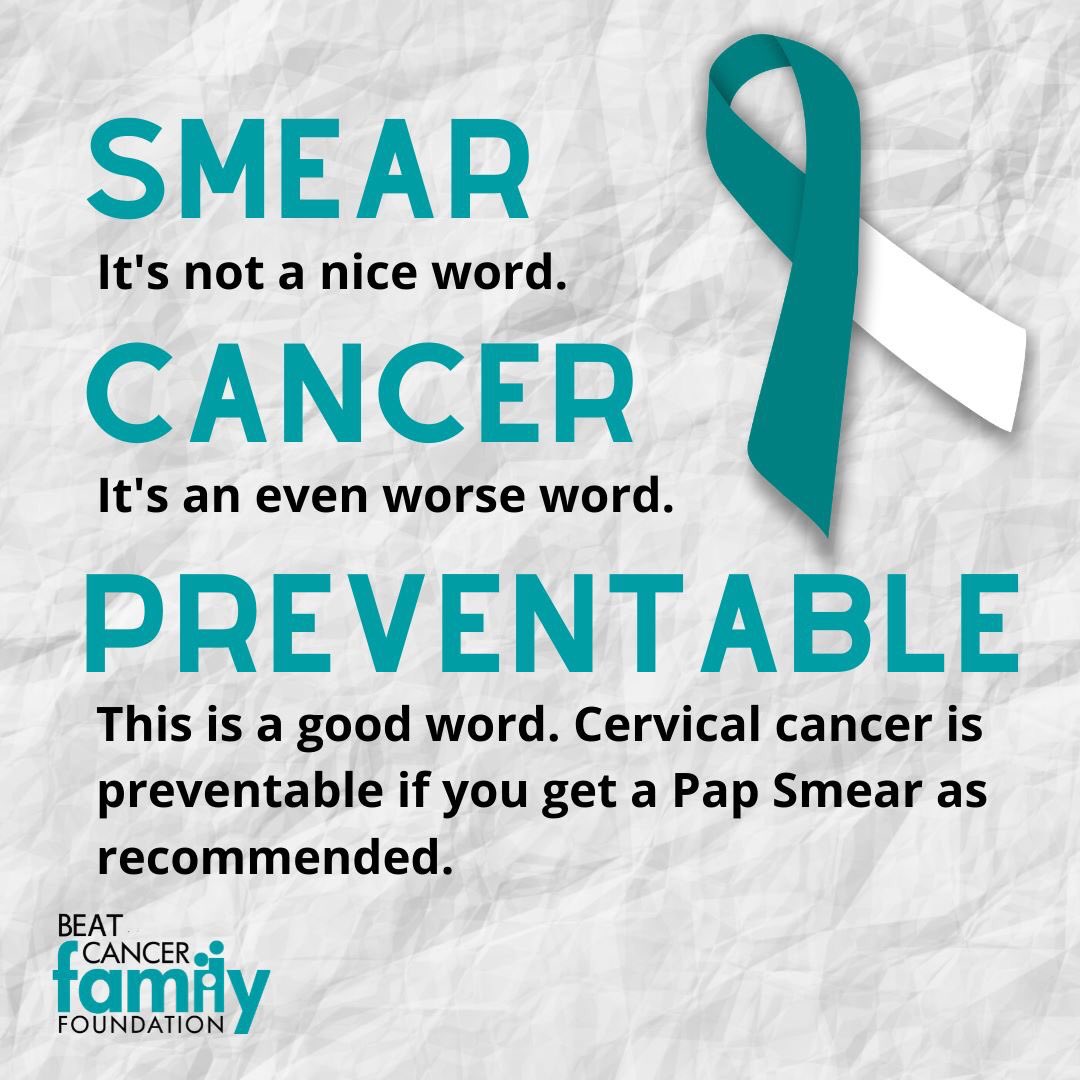
Cervical cancer is one of the most preventable and treatable types of cancers IF you get your pap smear as suggested. Women at age 21 until 29 should get a smear every 3 years, then until age 65 every 5 years. It is not too late to take control of your cervical health.
Spoke with students from Green Bay East High School today about preventing cancer by living a healthy style. Saw this sign hung around the school and it made my heart happy. I am glad to see schools being proactive about the vaping epidemic 👏🏻👏🏻👏🏻 Kuddos to GB East! - Kim
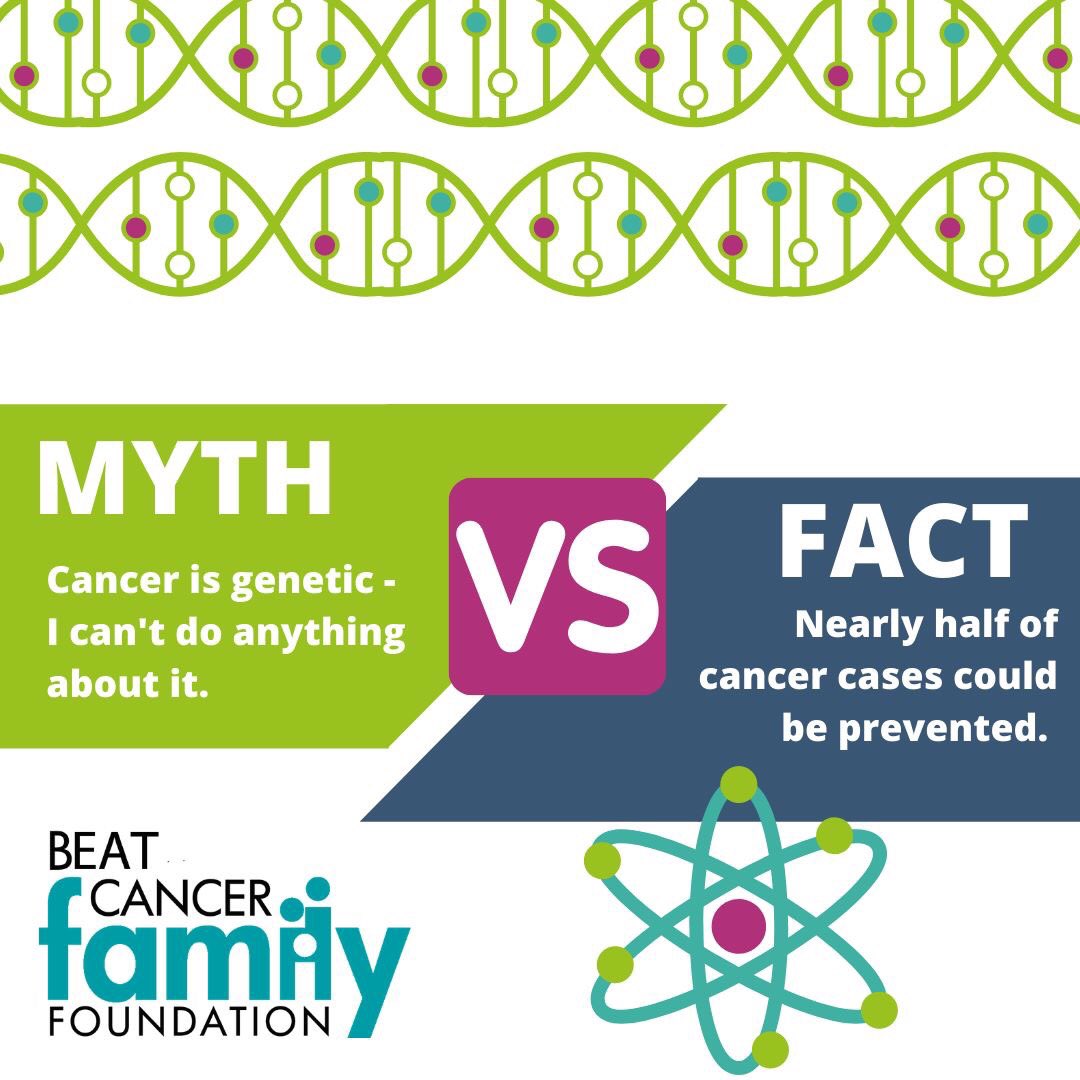
Fact: Around 40 percent of cancer cases are preventable, which means that 694,000 cases of cancer could be prevented in the U.S. every year by reducing our exposure to the cancer risk factors that we can control – including diet, weight and physical inactivity.
Fun Fact Friday!
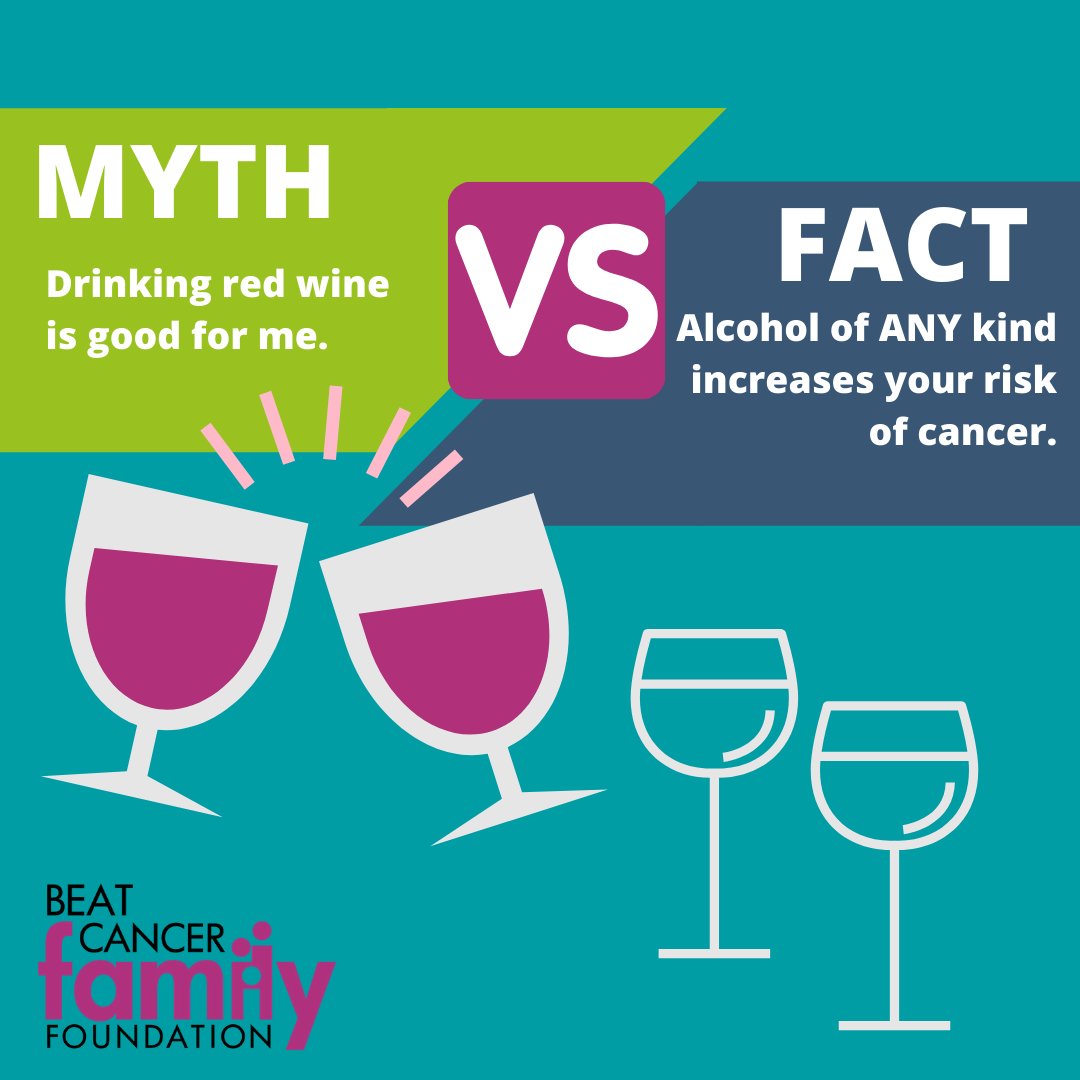
MYTH: Drinking red wine is good for me.
The less alcohol you drink, the lower your risk for cancer.
All types of alcoholic drinks, including red and white wine, beer, cocktails, and liquor, are linked with cancer. The more you drink, the higher your cancer risk.
A pap smear, a test that involves collecting cells from the cervix, can save your life. Women at the age of 21 should get a pap smear every 3 years until the age of 29, then a pap test combined with HPV test should occur every 5 years. #CervicalCancerAwarenessMonth#BCFFMission
Nearly 50% of women who get diagnosed with cervical cancer are women who have never been screened, or who have not received a screening within the past five years. The Pap test, or known as a Pap Smear, is able to detect abnormal cells that may turn develop into cancer.