If I Were Caitlin Clark’s Parents, I Would Be Furious
There is a part of Caitlin Clark’s story that too many people skip over.
They see the logo threes.
They see the packed arenas.
They see the ratings, the jerseys, the endorsements, the fame, the money, the attention, the pressure, the headlines.
But before all of that, there was a family.
There was a mother and father who saw a little girl fall in love with a game and then spent years doing what good parents do when they realize their child has something rare.
They sacrificed.
They drove.
They paid.
They waited in gyms.
They booked hotels.
They sat through tournaments.
They watched her win, lose, cry, grow, get better, get humbled, get back up, and keep going.
That is the part of this story people need to remember.
Caitlin Clark did not just appear out of nowhere.
She was built.
And that does not happen without parents willing to give more than most people will ever understand.
For the parents of an elite athlete, the dream is not just about trophies. It is not just about scholarships. It is not just about seeing your kid on television.
It is about watching your child commit herself to something with everything she has.
It is about knowing what she gave up.
The missed parties.
The missed homecomings.
The missed vacations.
The missed Friday nights.
The missed normal childhood moments most teenagers take for granted.
While other kids were going out with friends, elite athletes were in gyms. While other families were taking easy weekends, basketball families were driving hours to tournaments. While other parents were sleeping in, basketball parents were loading bags into cars before sunrise.
That is the hidden cost of greatness.
And for Caitlin Clark’s parents, that cost was not theoretical.
They lived it.
They watched their daughter chase a childhood dream with a level of commitment most people will never touch.
At the elite level, basketball is not just a game. It becomes a family lifestyle.
You pay for the best travel program you can afford because your daughter needs to play against other elite players.
You practice in gyms that may be nowhere near your house.
You spend weekends at exposure events, AAU tournaments, Nike Nationals, Run 4 Roses, USJN events, and every other tournament where college coaches might be sitting on the baseline with notebooks in their hands.
And none of it is cheap.
Airfare.
Hotels.
Rental cars.
Gas.
Parking.
Food.
Tournament passes.
Uniforms.
Shoes.
Training.
Recovery.
More training.
More shoes.
More hotels.
More weekends gone.
Most people have no idea what that world costs.
And it is not just money.
It is time.
It is emotional energy.
It is family sacrifice.
It is watching your child live under pressure before she is old enough to fully understand what pressure is.
Then come the private trainers.
The shooting coaches.
The footwork coaches.
The ball-handling sessions.
The rented gyms.
The one-on-one workouts.
The mechanical details most casual fans never notice.
The release point.
The balance.
The foot angle.
The catch.
The base.
The pace.
The ability to shoot when tired.
The ability to make decisions when trapped.
The ability to be great when everyone in the building knows you are the player they came to stop.
Then comes strength training.
Not just lifting weights.
Sport-specific strength.
Position-specific strength.
Strength designed to keep a player from getting pushed around. Strength designed to help absorb contact. Strength designed to reduce injury risk. Strength designed to allow a player to survive the physical punishment that comes with being elite.
Then comes speed and agility.
Because skill is not enough.
If you cannot separate, you cannot create.
If you cannot change direction, you cannot punish pressure.
If you cannot move efficiently, all the shooting mechanics in the world will not save you against elite athletes.
Then comes nutrition.
While other teenagers are living on chicken nuggets, fries, milkshakes, and whatever they can grab between classes, elite athletes are learning what fuels their body.
Energy matters.
Recovery matters.
Hydration matters.
Sleep matters.
Eating the wrong thing before the wrong game can wreck a weekend.
That sounds dramatic until you have lived the exposure circuit.
When every possession might happen in front of the coach from the school of your dreams, everything matters.
That is the pressure elite families live with.
A bad weekend can change a recruitment.
A great weekend can open a door.
And when the big coaches are sitting in the gym, everyone knows it.
Dawn Staley.
Geno Auriemma.
Kim Mulkey.
Lisa Bluder.
Every major program looking for the next great player.
That is the world Caitlin Clark had to navigate before she ever became a household name.
Then comes recruiting.
And recruiting is its own education.
Families research everything.
Schools.
Coaching styles.
Team culture.
Player development.
Graduation rates.
Location.
Fit.
Roster construction.
Playing style.
The head coach.
The assistants.
The history.
The red flags.
And every family of an elite athlete eventually learns the same uncomfortable truth:
A coach will never love you more than when they are recruiting you.
That is when the promises are biggest.
That is when the smiles are easiest.
That is when the phone calls are warmest.
That is when everyone tells you how special you are.
So if there are red flags during recruiting, they usually do not get better once you arrive.
They get louder.
Caitlin Clark chose Iowa.
And what happened there matters.
She was not hidden.
She was not managed into something smaller.
She was not treated like a problem.
She was developed.
She was challenged.
She was trusted.
She was coached.
Lisa Bluder and that Iowa staff understood something the Indiana Fever still do not seem to fully understand:
When you have a generational player, you do not shrink her to fit your system.
You build the system around what makes her generational.
That is not favoritism.
That is coaching.
That is basketball.
That is common sense.
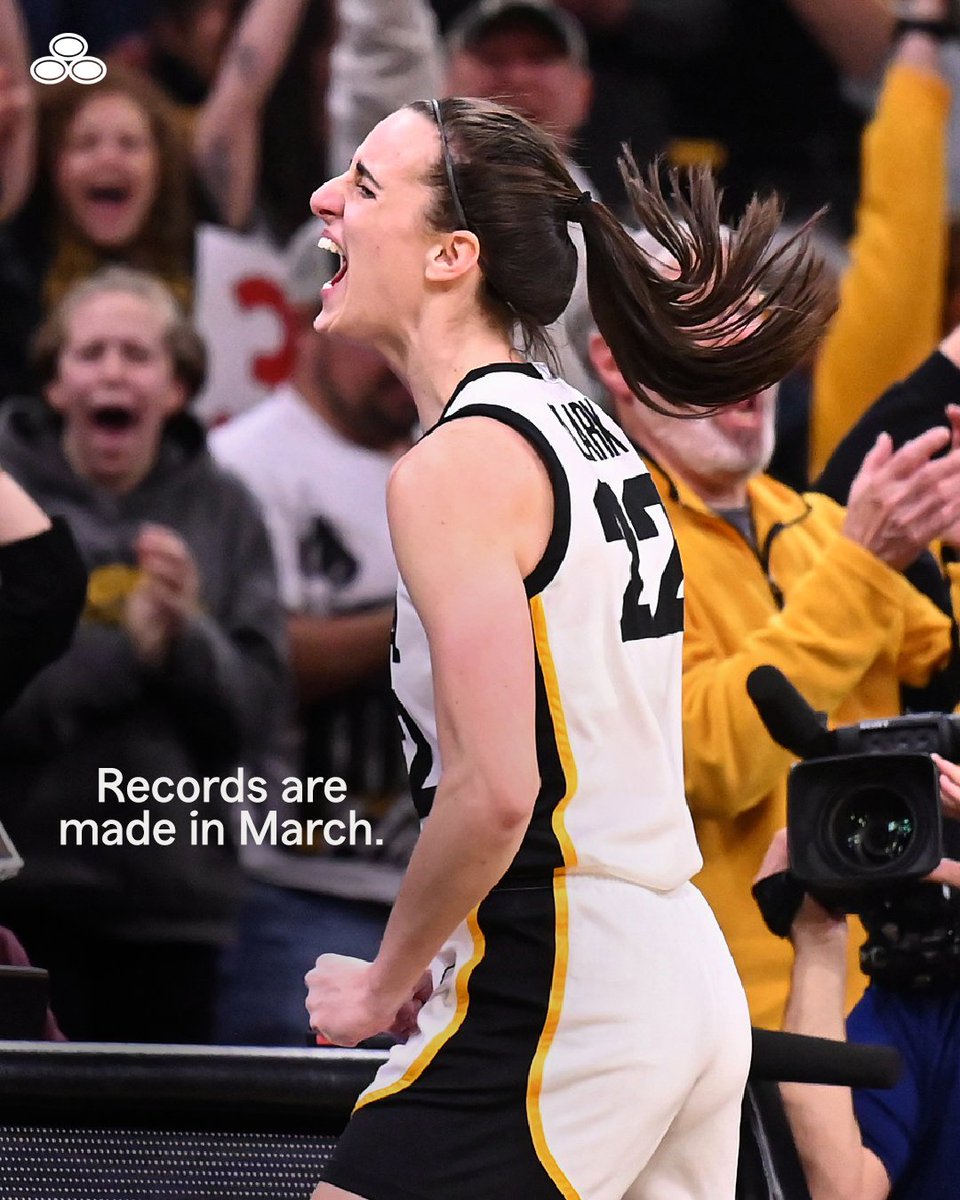
At Iowa, Caitlin Clark became one of the greatest offensive engines the sport has ever seen. She became a passer, a scorer, a leader, a competitor, a show, a brand, and a movement.
She carried pressure most athletes never experience.
She did it with fire.
She did it with joy.
She did it with humility.
She did it while elevating everyone around her.
And that is why this next part is so frustrating.
Because the developmental path of an elite athlete is supposed to make sense.
Youth basketball should lead to better training.
Travel basketball should lead to better competition.
College basketball should lead to better structure.
Professional basketball should be the highest level.
The best facilities.
The best minds.
The best preparation.
The best player development.
The best offensive systems.
The best sports science.
The best scouting.
The best leadership.
The best care.
That is how the ladder is supposed to work.
Every step up should get better.
Every step up should become more professional.
Every step up should sharpen the athlete.
So why does it feel like Caitlin Clark reached the professional level and the whole thing got less serious?
That is the question.
And if I were her parents, I would be furious.
Because after all those years of sacrifice, investment, travel, training, development, discipline, structure, coaching, and commitment, his daughter finally reached the highest level of her sport.
The dream.
The professional stage.
The place all of that work was supposed to lead.
And what has she received?
A league that has too often failed to protect her.
A media ecosystem that has too often tried to diminish her.
Veterans who should have embraced what she brought to the game but instead seemed threatened by it.
Officials who have allowed too much contact, too much grabbing, too much cheap physicality, and too much nonsense.
And an organization that still seems unsure whether it wants to unleash her or manage her.
That is the part that should bother every honest basketball person.
Caitlin Clark was not some raw prospect who needed to be taught how to play.
She was a fully formed basketball force.
Not perfect.
No player is.
But rare.
Special.
Transformational.
The kind of player you build around immediately.
The kind of player who changes spacing the second she crosses half court.
The kind of player who creates offense before she ever touches the ball.
The kind of player who bends defenses, warps game plans, sells tickets, drives ratings, moves merchandise, and brings new people into the sport.
And yet the Fever have too often treated her like a talented young player who needs to be contained instead of a generational engine who needs to be trusted.
That is not development.
That is mismanagement.
The substitutions.
The clock-based rhythm killing.
The lack of offensive flow.
The refusal to fully hand her the keys.
The failure to build a consistent system around her gravity.
The strange late-game decisions.
The public moments that should have been handled privately.
The staff résumé questions.
The lack of proven high-level coaching depth around the most important player in franchise history.
It all matters.
And it all becomes more insulting when you remember what Caitlin Clark came from.
She came from years of elite preparation.
She came from a family that invested in her.
She came from coaches who developed her.
She came from a college program that trusted her.
She came from a basketball environment where her gifts were not treated like a burden.
Then she arrived in the WNBA, and somehow the conversation became whether she needed to be humbled.
Humbled?
For what?
For making people watch?
For filling arenas?
For raising ratings?
For making teammates better?
For giving the league more attention than it has ever had?
For doing exactly what every league in the world says it wants a star to do?
That is what makes this so absurd.
Caitlin Clark has handled all of this with a level of grace most people do not deserve.
She has defended the league.
She has praised her teammates.
She has shown humility.
She has stayed composed under scrutiny that would break a lot of people.
She has continued to compete while getting grabbed, bumped, mocked, questioned, and overanalyzed from every direction.
And through it all, you can still see the kid who loves the game.
That is what makes it sad.
I think about those videos where Caitlin is just being Caitlin.
Laughing.
Running around.
Playing in the pool with teammates.
Looking, for a moment, like a little girl again.
Like someone who still finds joy in the game that has given her everything and taken so much.
That innocence matters.
Because before she was a business force, she was a kid with a dream.
Before she was a rating machine, she was a daughter.
Before she was a national argument, she was a basketball player who loved to play.
And too often, the WNBA and the Fever have made that love look heavy.
That should bother people.
It should bother fans.
It should bother basketball people.
It should bother parents.
And it should especially bother anyone who understands what it takes to raise an elite athlete.
Because Caitlin Clark did not get here alone.
Her family helped carry her here.
And now they have to watch the professional basketball world treat their daughter’s gift like something it is either afraid of, jealous of, or too inexperienced to manage.
If I were them, I would be angry.
Not because Caitlin needs special treatment.
Because she does not.
She needs professional treatment.
She needs elite coaching.
She needs a system that recognizes her value.
She needs officials who protect the integrity of the game.
She needs an organization that understands what it has.
She needs a league mature enough to stop resenting the very player bringing it unprecedented attention.
That is not too much to ask.
That is the bare minimum.
The sad irony is that Caitlin Clark may be the most prepared player the WNBA has ever received from a business standpoint, a basketball standpoint, and a pressure standpoint.
She came ready.
The league did not.
The Fever did not.
And every time someone tells fans they are too new to understand what they are watching, they miss the point.
Some fans are new to the WNBA.
They are not new to basketball.
They are not new to elite sports.
They are not new to watching organizations mishandle greatness.
And they are not wrong for noticing.
Elite athletes know what elite environments look like.
Elite parents know what elite development looks like.
Elite coaches know what elite structure looks like.
And this is not it.
That is why this matters.
This is not just another debate about minutes, shots, substitutions, or press conferences.
This is about the stewardship of a generational athlete.
It is about whether the people around Caitlin Clark are worthy of the work that came before them.
The hours.
The miles.
The money.
The missed memories.
The trainers.
The tournaments.
The recruiting pressure.
The college grind.
The injuries avoided.
The habits built.
The confidence developed.
The dream protected.
All of that led to this.
And this professional environment should be the reward.
Not the letdown.
So yes, if I were Caitlin Clark’s parents, I would be furious.
Because they know what it took to get her here.
They know what elite coaching looks like.
They know what serious development looks like.
They know what their daughter sacrificed.
They know what she gave to this game.
And they know, whether anyone wants to admit it or not, that the WNBA and the Indiana Fever have been handed something most sports organizations spend generations trying to find.
A player who changes everything.
A player who makes people care.
A player who makes the game feel bigger.
A player who still has the humility, resilience, perseverance, and kindness to carry herself with grace while too many adults around her keep failing the moment.
That is not just Caitlin Clark’s greatness.
That is a reflection of how she was raised.
A great player.
A great daughter.
And somewhere behind her, a father and mother who have every right to look at this professional mess and wonder how in the world the highest level became the least prepared room she has ever walked into.
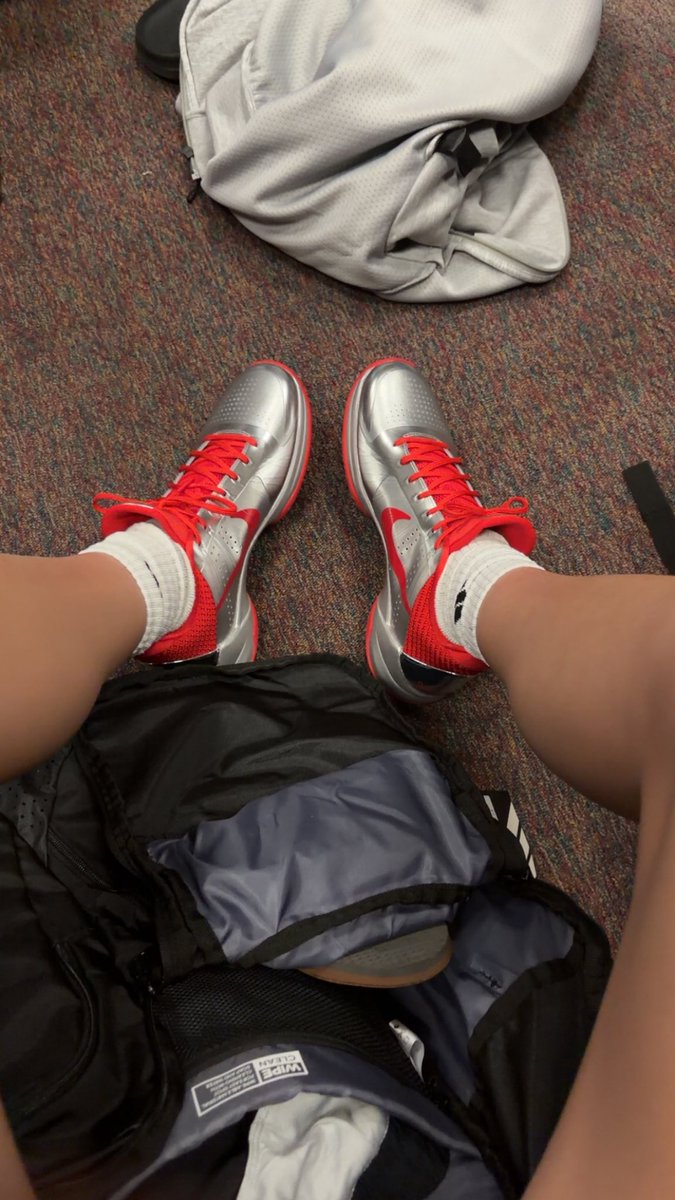
Thank you @nike and @caitlinclark22 for sending me the Caitlin Clark Rookie of the Year shoes. It was a honor being able to wear them in the Mcdaag game and being the 2nd person to have them except for Caitlin herself!