When we think about farming, it’s easy to picture rows of crops stretching as far as the eye can see. But did you know that in between those rows, there’s an opportunity to create something truly powerful? https://t.co/Kktgo0ueVg
Have you ever watched a butterfly flutter from flower to flower and felt a little spark of joy? Sadly, many butterfly species are facing challenges like habitat loss, climate change, and pollution. But here’s the good news: you can help! Link in replies...
Credit: Bossert, S., Hung, K.-L. and Neff, J. (2024), Evolutionary History and Ecology of Andrena (Foveoandrena) androfovea: A New Nearctic Mining Bee (Hymenoptera, Andrenidae) Species and Subgenus. Ecol Evol, 14: e70453. https://t.co/TQw9z5ti6U
Submit a photo of your pollinator garden!
We desperately need photos of pollinators and your pollinator garden.
Email your copyright-free photo and permission to post it on our site to [email protected]
Meet the Globe Mallow (Sphaeralcea ambigua) - a beacon of beauty in arid landscapes! This resilient wildflower not only adds a burst of orange to the scenery but is a powerhouse for pollinators. Its blooms offer vital nectar, supporting bees and butterflies in harsh habitats.
Do you want to plant seeds that support pollinators in the Rocky Mountains but don't know what's best? Head over to our website and check out our new Western Mountains pollinator friendly plant page at https://t.co/6jJKKK3Rus
Are you looking for pollinator-friendly native plants for the plateaus of Arizona, Utah, Colorado, or New Mexico? We have a list just for you at https://t.co/oNpG4dCTnB !
Pollen comes in a variety of colors, including red, orange, white, and even blue. This honey bee has filled her pollen baskets with the pollen of siberian squill, clarkia, or scorpionweed, all of which produce blue pollen.
Ever wonder why bees swarm? It's not an act of aggression but a natural phase of colony expansion. When a hive becomes too crowded, the queen bee leads a group to find a new home, ensuring species survival. Swarming is a sign of a healthy bee population!
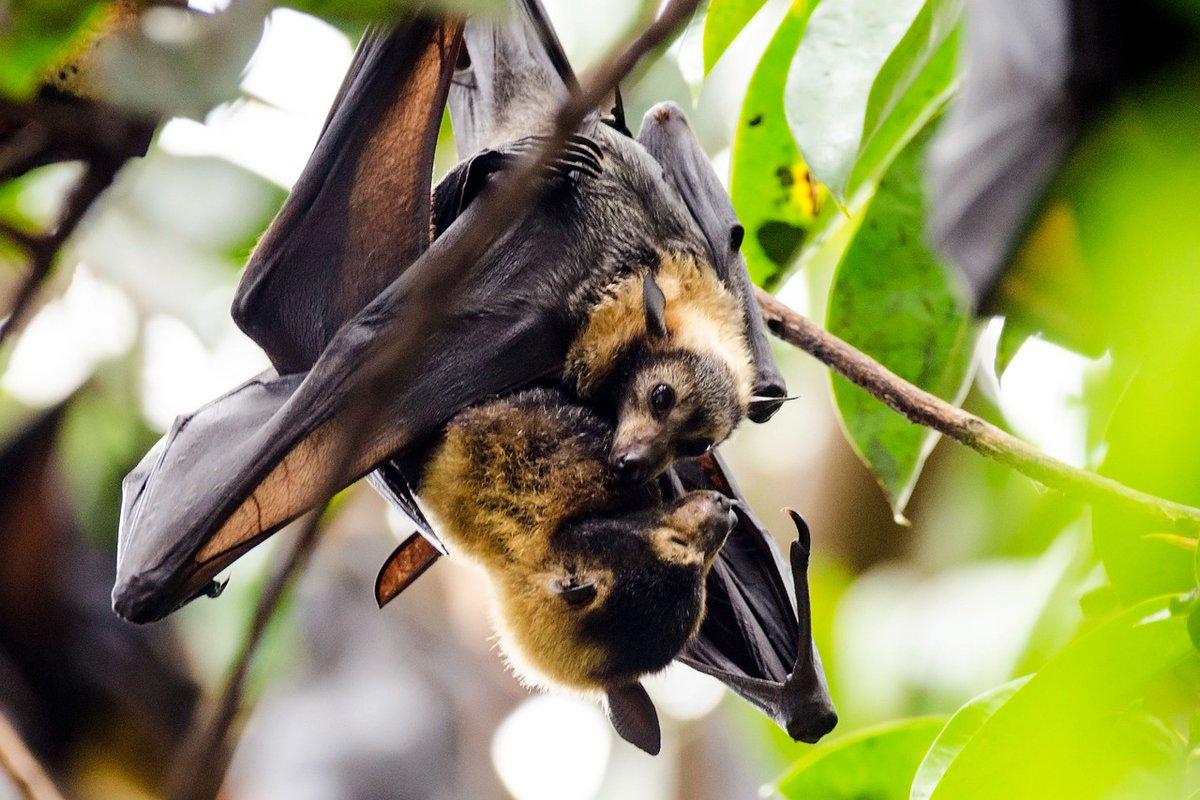
Bats, the unsung nocturnal pollinators, are pivotal in sustaining diverse ecosystems and agriculture. Their foraging activities are essential for the pollination of plants, including those yielding fruit and tequila. Protecting bat habitats is imperative for ecological balance.
Herbicides, though aimed at weeds, can inadvertently devastate pollinator populations, disrupting ecosystems & food security. Their chemical footprint affects the flora that bees, butterflies, & other vital pollinators rely on. Try to use eco-friendly alternatives when possible.
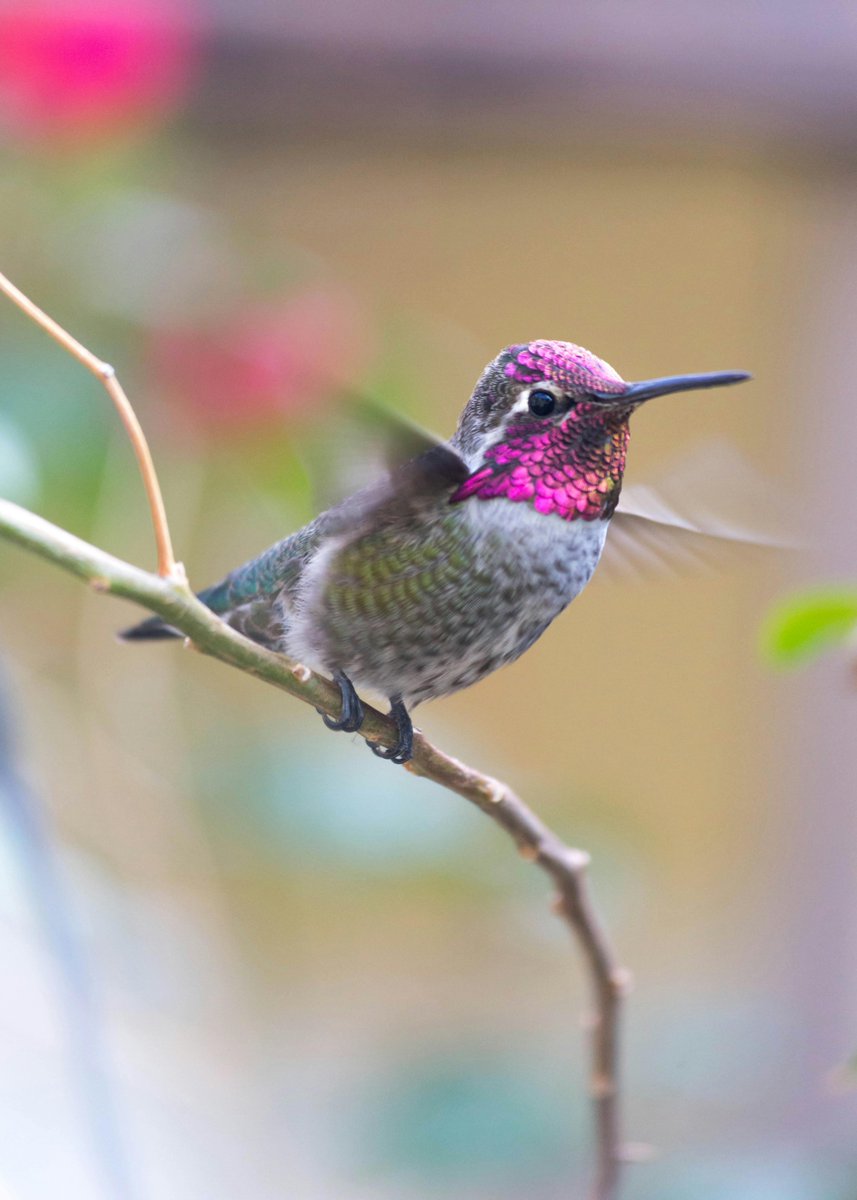
Hummingbirds, nature's agile acrobats, are more than just a delight to watch! These tiny pollinators play a critical role in our ecosystems, fostering biodiversity by pollinating flowers that many other species can't reach. Let's cherish and protect their habitats!
The majestic Monarch butterflies are more than just a splash of color in our gardens; they're crucial pollinators and indicators of ecological health. Their migration is a wonder of nature. Let's nurture milkweed and pesticide-free habitats for their survival!
As spring blossoms, let's not forget the unsung heroes of pollination: Miner Bees! These solitary bees are vital for healthy ecosystems & agriculture. Unlike honeybees, they're less known but equally important. Protect these gentle diggers to ensure our plants thrive!
This Africanized honey bee colony was under a bridge in a residential neighborhood. Bee Balanced volunteers carefully detached the hive from the bridge and moved it into a hive body. The bees were relocated to a safe and sheltered space away from people and predators.