Deemed a pest, but the role that mosquito larvae play in the aquatic ecosystem cannot be underestimated! Still a few spots left in our Immature Mosquito workshop. Learn about & celebrate the secret immature life stages of the mosquito. Register today here: https://t.co/8G3Z2z2cfx
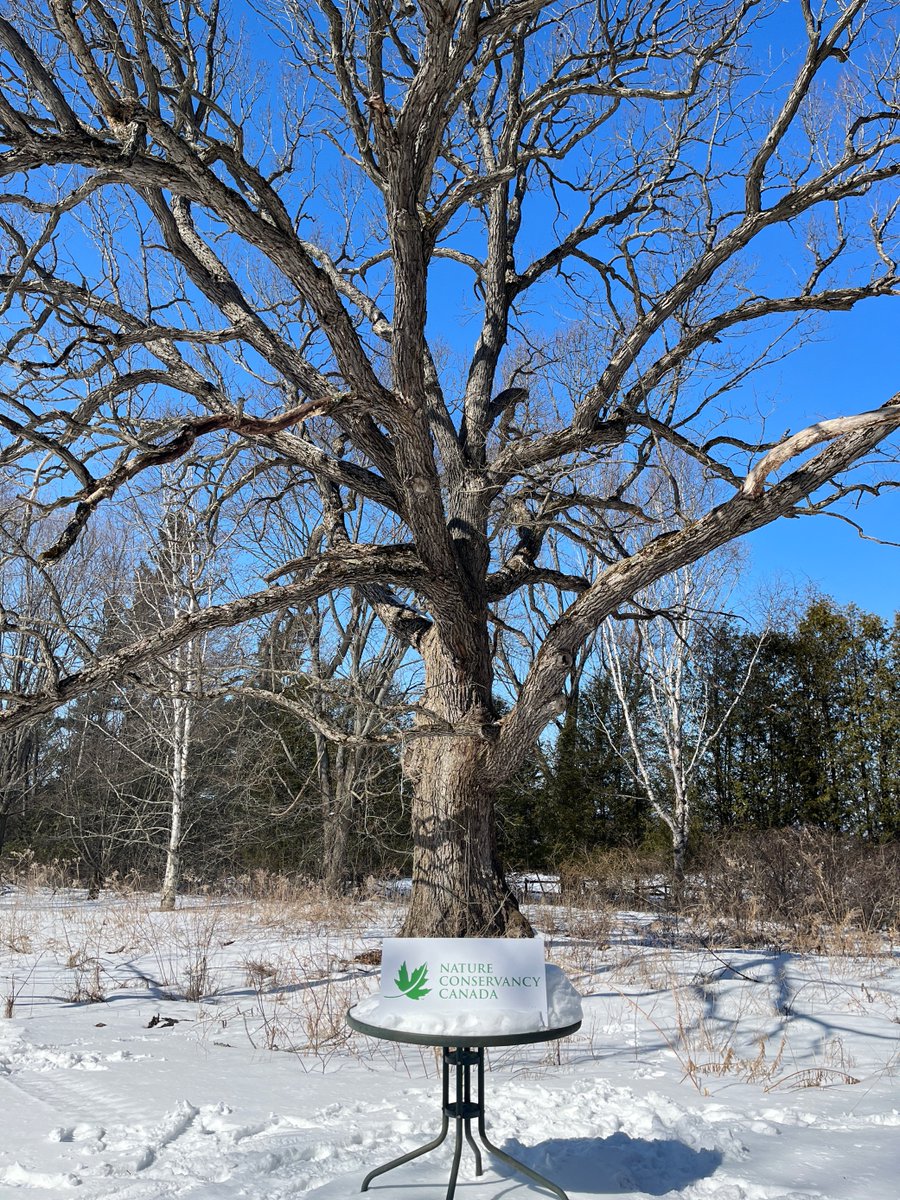
A neighbour of the Hazel Bird Nature Reserve is donating his land near Baltimore, Ont., to be conserved by @NCC_CNC. The landscape is protected thanks to his generosity and support from @ONenvironment and @environnementca's Ecological Gifts program. https://t.co/4WIfmAAbV6
WTW: For 20 years, a fourth-generation Melita-area cattle producer has been helping protect native grassland pastures and species at risk along the Souris River Valley in partnership with the Manitoba Habitat Heritage Corporation. https://t.co/gwYdF7CJYW #bdnmb
Best Native Plants For Your Garden Online
with Master Gardener Linda Dietrick
Tuesday, March 8: 6:30 - 7:30PM
To register, visit
https://t.co/WQk0ikl3mp
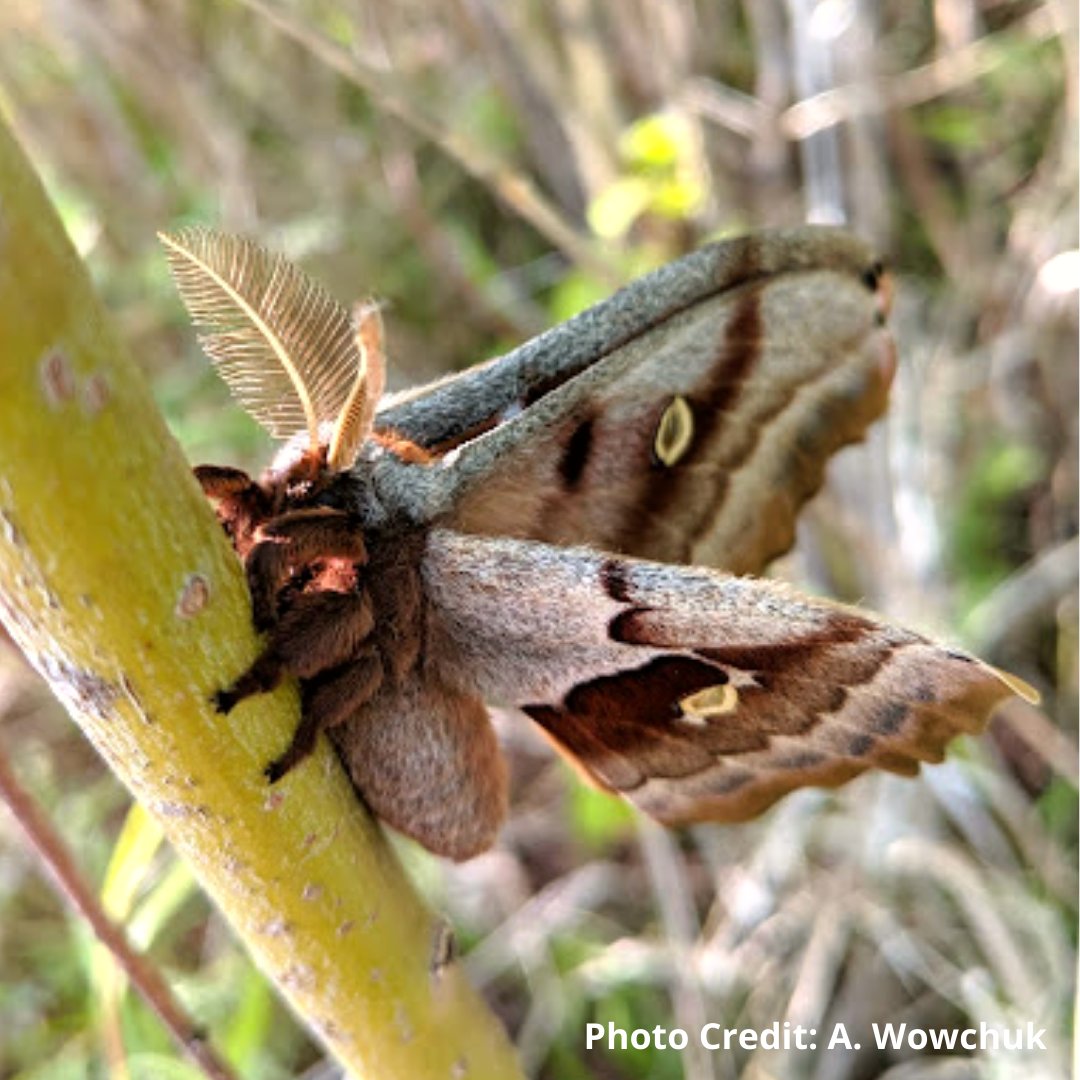
The Polyphemus Moth (Antheraea polyphemus) is a type of giant silk moth found in Manitoba that can reach a wingspan of 15cm!
These moths overwinter in cocoons and emerge as adults in the summer.
#bdnmb@BeeCityCanada@NatureManitoba @BdnRiverbank
"...the honey bee is hardly at risk of extinction. “There are more honey bees on the planet today than at any time in history..." #bdnmb@BrandonUni@NatureManitoba@NWF
The Truth About Honeybees:
https://t.co/ErC3JGMEqn
#TerminologyTuesday
Today features the bee leg. Like most insects, it is divided into the serial parts, from base to apex: coxa, trochanter, femur, tibia, tarsus. In females, the hind leg (the image IS a hind leg) will usually have the scopa.
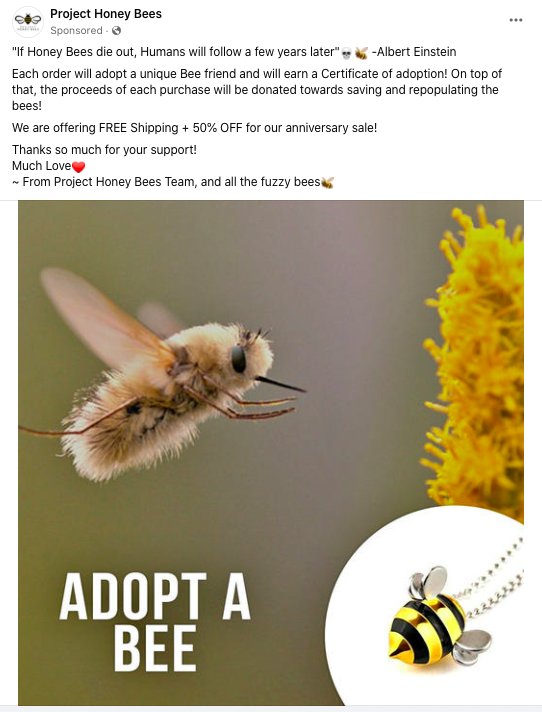
“If the bee disappears from the surface of the earth, man would have no more than four years to live.”
Is a common quote attributed to Einstein. But did he really say it? 🧐
.
.
.
.
Spoiler: probably not, no.
https://t.co/LaOCycwxtf
The final numbers are in! In a remarkable outcome, this winter's Western Monarch Thanksgiving Count brought a final tally of 247,237 butterflies, an over 100-fold increase from the previous year’s total of less than 2,000. Read full details at https://t.co/YBs468Io8L
New tool alert! Xerces has launched a searchable list of systemic #insecticides with info including their toxicity to #bees, their persistence, strength, and where they can be legally used. Access via https://t.co/Gw9mdbjogV
It's that time of year again - our bee of the year wrap up! For those of you who are new followers, each year we post the most popular bees (from our Instagram account) for the last two weeks. This years 10th most popular bee was Notanthidium bizonatum.
I wish all insects went around like pokemon & yelled out their scientific name as their call & I could just have a note pad & record em all down without having to take them back to the lab