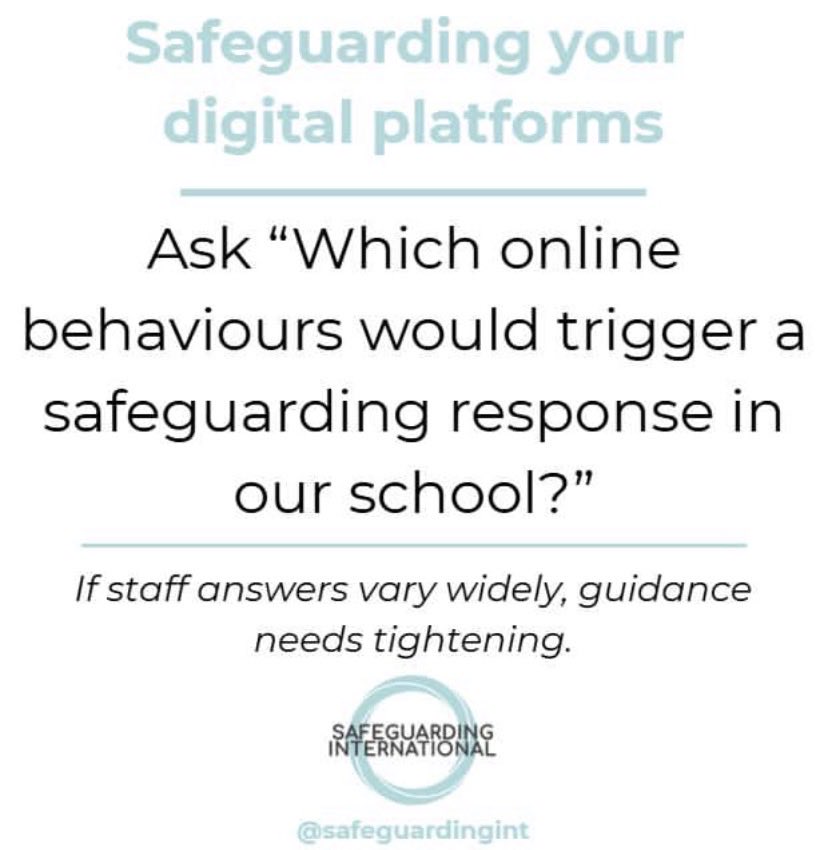
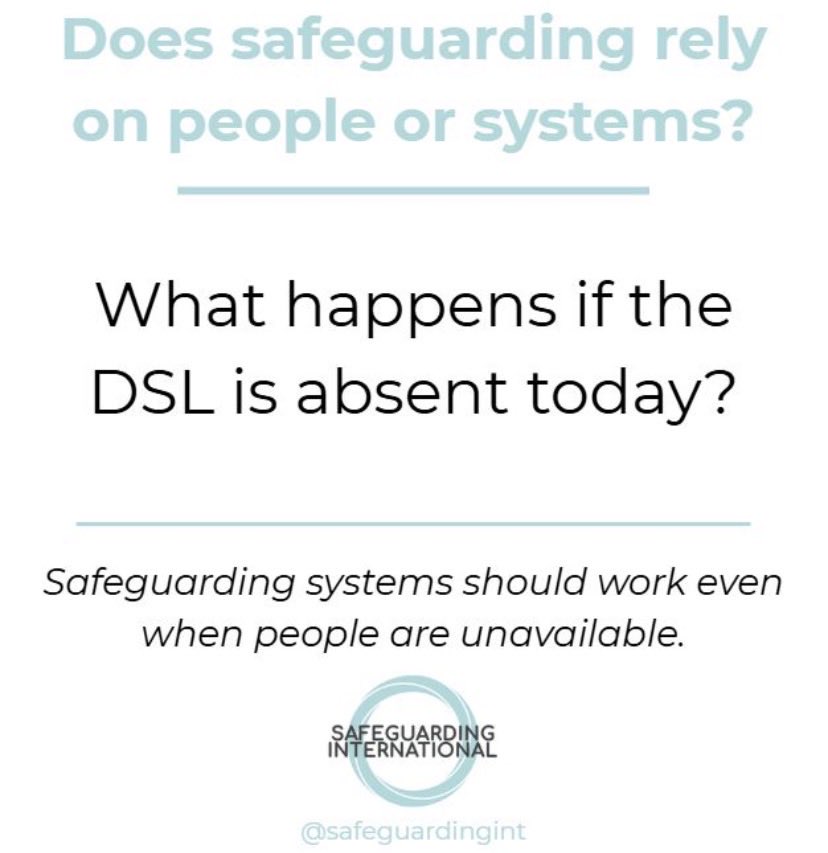
A training reflection exercise:
After safeguarding training, ask staff:
“What would you now do differently tomorrow?”
If answers focus on knowledge rather than action, training may need refocussing.
#SafeguardingInPractice#ThinkingSafeguarding#SafeguardingTraining
A practical reporting check:
Ask staff to complete this sentence:
“I would report a concern when __________.”
If responses vary significantly, further guidance and training needs to take place.
#SafeguardingInPractice#ThinkingSafeguarding#SafeguardingCulture
A scenario to test boundary clarity: A staff member receives a message from a student during holidays. It’s friendly, not concerning, but unexpected.
Ask these questions.
If you’re unsure, so will staff be.
#SafeguardingInPractice#ThinkingSafeguarding#SafeguardingInPractice
A practical digital boundaries check:
List all platforms used to communicate with students. Which are:
• permitted?
• discouraged?
• prohibited?
If the answers aren’t written, boundaries are only informal.
#SafeguardingInPractice#ThinkingSafeguarding#DigitalSafeguarding
A simple leadership exercise to reduce safeguarding drift:
Agree this and make it visible to staff:
“When in doubt, we would rather ___ than ___.”
If leaders can’t agree on the sentence, staff will hesitate.
#SafeguardingInPractice#ThinkingSafeguarding#InternationalSchools
A concern is raised late in the day. It doesn’t clearly meet threshold, but it doesn’t feel comfortable to ignore.
Ask these questions.
If you can’t answer consistently, the system is relying on memory.
#SafeguardingInPractice#ThinkingSafeguarding#SafeguardingLeadership