“What Is Banana Tissue Culture?
(Simple Explanation)”
Banana farming is returning to Somalia but this time with modern science.
One of the biggest innovations leading the revival is Banana Tissue Culture, introduced inside Somalia by groups like SATG (Somali Agriculture Technical Group) and their partner Filsan.
Here’s a simple explanation anyone can understand:
🌱 What Is Banana Tissue Culture?
Banana Tissue Culture is a modern farming method where new banana plants are grown from a tiny piece of a healthy plant inside a clean laboratory.
Instead of using suckers from old banana trees, scientists grow pure, clean, disease-free plants — and produce thousands of them at once.
✔️ Why It’s Powerful for Somalia
1️⃣ Disease-Free Plants
Panama disease and Sigatoka have destroyed banana farms in the past.
Tissue culture plants start clean — no pests, no fungi, no hidden diseases.
2️⃣ Faster Growth & Bigger Bunches
These plants grow faster, produce earlier, and give heavier, more consistent yields.
3️⃣ Perfect for Commercial Farming
A single plant can produce thousands of identical banana seedlings, helping farmers expand their farms quickly.
4️⃣ Reliable Quality for Export
The world market demands uniform shape, size, and quality.
Tissue culture helps Somalia meet export standards again — just like in the golden years of Somali banana farming.
🍌 Why It Matters for Somalia’s Banana Revival
Somalia once led East Africa in banana exports, shipping to Italy, Middle East markets, and beyond.
But war, disease, and old farming practices caused the industry to collapse.
Today, with technology like Tissue Culture, we can:
•Rebuild healthy banana farms
•Increase export earnings
•Create thousands of youth jobs
•Restore Somalia’s position as a major banana exporter
SATG/Filsan’s work proves it — Somalia can compete globally again.
🌍 Simple Example
Old method:
➡️ Take a sucker from a banana tree (might carry diseases).
➡️ Plant it.
➡️ Slow growth + unpredictable yields.
Tissue culture method:
➡️ Grow clean plants in a lab.
➡️ Produce thousands at once.
➡️ Uniform, strong, fast-growing farms.
💡 Why Youth Should Care
Banana Tissue Culture is more than science — it’s opportunity:
•Jobs in nurseries
•Training in agritech
��Commercial farming
•Export business
•Agro-processing industries
The future of Somali agriculture needs young innovators, not just traditional farmers.
@BeeroSomalia
#BeeroSomalia #SomaliaAgriculture #BananaTissueCulture #GrowSomalia #YouthInAgriculture
How Our Ancestors Fed Nations — Lessons from Somali Farming Traditions”
For generations, Somalis fed nations with their hands — through farming, herding, irrigation, and a deep respect for the land. Today, those traditions carry lessons that can guide our future. 🇸🇴🌾
Here are 5 powerful lessons from Somali agricultural heritage:
1️⃣ Respect for the Land
Our ancestors didn’t just farm — they cared for the soil.
They rested the land after harvests, used natural compost, and preserved fertility long before modern science explained why it mattered.
2️⃣ Community-Based Farming
Villages farmed together, shared tools, and protected each other’s fields.
Agriculture wasn’t one person’s job — it was a community responsibility.
3️⃣ Mastery of Water Management
From the Shabelle to the Jubba, Somalis developed efficient flood irrigation systems.
They understood the rivers like family — when they rise, when they fall, and how to use them wisely.
4️⃣ Adaptability in Tough Conditions
Whether in drought, flood, or conflict, our ancestors kept producing food.
They innovated with limited resources — proving resilience is in our DNA.
5️⃣ Farming as Identity, Not Just Work
Farming wasn’t “old-fashioned.”
It was honor.
It was survival.
It was the backbone of Somali trade, export, and generosity.
🌱 Why This Matters Today
Somali youth can build a stronger, modern farming sector by learning from the past.
Technology + tradition = our biggest advantage.
Our ancestors fed nations with their hands — now it’s our turn.
What farming lesson did your family pass down? 🇸🇴
BeeroSomalia
#HidahaSoomaalida #BeeroSomalia
#SomaliaFarmingFacts #FarmersOfSomalia #SomaliSoil #AgriYouthSomalia
Somalia’s Untapped Agricultural Potential 🇸🇴🌾
Facts That Will Surprise You
Here are quick, shocking facts every Somali should know:
🔥 Fact 1: Somalia has 8.1 million hectares of arable land… but uses LESS than 20%.
Imagine if even 50% was used — Somalia could become a regional food powerhouse.
🔥 Fact 2: Jubba & Shabelle Valleys are among Africa’s most fertile river zones.
Our river soil can produce bananas, citrus, vegetables, and export-level fruits all year round.
🔥 Fact 3: Somalia once exported over 100,000 tons of bananas annually.
Yes — we were Africa’s #1 banana exporter in the 70s–80s.
🔥 Fact 4: Somalia has more livestock than people.
Over 40 million goats and 20+ million camels →
One of the largest livestock populations in Africa.
🔥 Fact 5: Somalia has 3 growing seasons — Gu, Karan, Deyr.
This means farmers can harvest more than once per year — a major advantage over many countries.
🔥 Fact 6: 70% of Somali soil types can support commercial crops with simple irrigation.
Just drip systems + organic compost = massive yield increase.
🔥 Fact 7: Somalia gets 3,000+ hours of sunshine yearly.
Perfect for solar-powered farming, irrigation, and cold storage.
🔥 Fact 8: Somaliland highlands can grow strawberries, grapes, and high-value fruits.
Cool climate = premium-quality horticulture potential.
🔥 Fact 9: Somalia’s coastline can support massive date plantations.
Dates love heat + mineral-rich coastal soils → huge export opportunity.
🔥 Fact 10: If Somalia used its full farming potential, it could feed the entire Horn of Africa.
Not exaggeration — data-backed reality.
🌱 Somalia is sitting on a farming goldmine.
Youth just need knowledge, tools, and support.
@BeeroSomalia is here to unlock it. 🇸🇴💚
#FoodSecurity #FarmSomalia #SomaliYouth #HidahaSoomaalida #GreenSomalia
Somalia’s Soil Types & What Grows Best in Each Region 🇸🇴🌱
Somalia has some of the most diverse and fertile soils in the Horn of Africa.
Understanding your soil is the first step to successful farming — especially for youth entering agriculture.
Here is an easy guide:
⸻
1️⃣ Alluvial Soils (Jubba & Shabelle Valleys)
Where: Lower Shabelle, Middle Shabelle, Lower Jubba, Middle Jubba
Features:
•Very fertile
•Rich in nutrients
•Excellent water-retention
Best For:
🍌 Bananas
🌽 Maize
🍋 Citrus fruits
🥬 Vegetables
🌱 Sesame
Why it matters:
This soil type made Somalia one of Africa’s top banana exporters.
⸻
2️⃣ Black Cotton Soil (Southern Somalia)
Where: Bay, Bakool, parts of Gedo
Features:
•Heavy clay
•Cracks during dry season
•Holds water well in rainy season
Best For:
🌾 Sorghum
🌾 Millet
🥜 Groundnuts
🌱 Fodder crops
Why it matters:
With proper water management, this region can feed millions of livestock.
⸻
3️⃣ Red Sandy Soils (Central Regions)
Where: Galmudug, Mudug, Nugaal
Features:
•Light, sandy
•Drains quickly
•Needs organic matter
Best For:
🌿 Watermelons
🥒 Cucumbers
🍉 Melons
🧄 Onions
🍅 Tomatoes (with drip irrigation)
Why it matters:
Low-cost drip irrigation can transform these areas into vegetable hubs.
⸻
4️⃣ Limestone & Coastal Soils (Coastal South & Puntland)
Where: Banaadir, Lower Shabelle Coast, Bari, Mudug Coast
Features:
•High in minerals
•Good for salt-tolerant crops
Best For:
🌴 Dates
🍋 Lemons
🥭 Mangoes
🌿 Aloe vera
Why it matters:
Ideal for fruit plantations + export crops.
⸻
5️⃣ Mountain & Highland Soils (Somaliland & Puntland Highlands)
Where: Awdal, Sanaag, Togdheer
Features:
•Cooler climate
•Rocky but rich
•Good rainfall
Best For:
🍇 Grapes
🍓 Strawberries
🥬 Leafy vegetables
🌿 Herbs
Why it matters:
These regions have huge potential for high-value horticulture.
⸻
🌱 Why This Matters for Youth Farmers
Knowing your soil helps you:
•Choose the right crops
•Avoid wasted seeds
•Save water
•Increase yields
•Earn more income
Somalia has the land — now the youth must use it wisely.
@BeeroSomalia will continue to guide, educate, and empower the next generation of farmers. 🇸🇴🌾
#BeeroSomalia #GrowSomalia #SomaliaAgriculture
How the Jubba & Shabeelle Rivers Power Somalia’s Agriculture 🇸🇴🌊🌾
For generations, the Jubba and Shabeelle Rivers have been the beating heart of Somali farming.
They are more than water — they are history, livelihood, and opportunity.
🌿 1️⃣ Fertile Soil = High Productivity
The land along both rivers contains alluvial soil — rich, soft, and full of natural minerals.
This is why the region can grow:
• Bananas
• Maize
• Sugarcane
• Vegetables
• Citrus
• Sesame
It is one of the most fertile agricultural zones in East Africa.
💧 2️⃣ Natural Irrigation Systems
Decades ago, Somalia had some of the most advanced canal systems in the region.
Gravity-fed canals allowed farmers to irrigate thousands of hectares without modern machinery.
These systems made Somalia a leader in banana and crop production during the 1980s and 1990s.
📈 3️⃣ The Untapped Potential of 2025
Today, the rivers still hold massive opportunities:
• Solar-powered irrigation pumps
• Drip irrigation systems
• Community canal rehabilitation
• Smallholder cooperatives
• Youth-led agri-business projects
If restored and managed properly, these rivers could feed millions of people and support a booming export sector.
🧪 4️⃣ Soil + Water = National Strength
Somalia’s agricultural future depends on how we use these two rivers:
• Efficient water management
• Protecting riverbanks
• Avoiding over-irrigation
• Training youth in modern farming
This is not just farming — this is economic independence.
🌱 5️⃣ The Future Is in the Hands of the Youth
If Somali youth learn how to use these rivers smartly, Somalia can dominate in:
• Fruit exports
• Fodder production
• Sesame and grains
• Local food markets
The rivers are ready.
The land is ready.
Now the youth must be ready.
@BeeroSomalia is here to teach, inspire, and rebuild our agricultural power — starting from the rivers that raised us. 🇸🇴🌊🌾
#SomaliaFarmingFacts #FarmersOfSomalia #SomaliSoil #AgriYouthSomalia
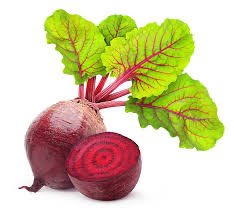
🌱 Beetroot Facts: The Power Vegetable Every Somali Should Know
By @BeeroSomalia
1️⃣ Beetroot boosts stamina naturally
Beetroot increases nitric oxide in the blood, which improves oxygen flow — helping the body stay active and energetic.
2️⃣ Cleanses the liver & improves digestion
Beets contain betaines that support liver cleansing and help the digestive system work smoothly.
3️⃣ Great for the heart ❤️
The natural nitrates in beetroot help lower blood pressure and improve blood circulation.
4️⃣ Rich in iron — supports healthy blood
Beetroot helps prevent fatigue and supports red blood cell production.
5️⃣ High in antioxidants
The deep red color comes from pigments called betalains, powerful antioxidants that protect the body from inflammation.
6️⃣ Grows well in Somali soil
Beetroot thrives in loose, well-drained soil — making it suitable for regions like:
•Lower Shabelle
•Middle Shabelle
•Afgoye corridor
•Hargeisa outskirts
•Baidoa farmlands
7️⃣ Fast harvest crop
Farmers can harvest beets in just 50–70 days, making it a profitable and quick-return vegetable.
8️⃣ Multi-use vegetable
You can eat the root and the leaves:
•Root = energy, iron, vitamins
•Leaves = calcium, vitamin K, fiber
9️⃣ Perfect for youth agribusiness
Beetroot sells well in juice shops, restaurants, markets, and health stores — a great startup crop for young farmers.
🔟 A top crop for food security
High yield, low water demand, fast growth — beetroot is ideal for Somalia’s changing climate.
#FoodSecurity #FarmSomalia #SomaliYouth #HidahaSoomaalida #GreenSomalia #BananaRevival
Top 5 Crops Somalia Can Dominate in Africa 🇸🇴🌍
Somalia has some of the most fertile riverbanks, longest coastline, and strongest agricultural heritage in the region — meaning we have natural advantages that can make us a top producer in Africa.
Here are 5 high-value crops Somalia can lead:
1️⃣ Banana (Muuska) 🍌
Somalia once led East Africa in banana exports — and we can do it again.
With irrigation along the Shabelle & Jubba rivers, plus tissue culture technology, Somalia is ready for a banana revival.
Why it matters:
• High demand in Middle East
• Fast-growing crop
• Great job creator for youth
2️⃣ Sesame (Sisin) 🌿
Somalia is already among Africa’s top sesame exporters — but production can double with better processing, storage, and irrigation.
Why it matters:
• One of Somalia’s biggest foreign-exchange crops
• Used for oils, tahini, and global markets
• Easy for small farmers to grow
3️⃣ Dates (Timir) 🌴
Somalia’s climate is ideal for date production, especially in Bari, Nugal, Jubbaland & Southwest regions.
Why it matters:
• Massive demand in Gulf countries
• Long shelf life
• High profit margins
4️⃣ Lemons & Citrus (Liinta) 🍋
Somalia’s coastal and riverine regions grow citrus with strong flavor and color. Lemon exports are rapidly rising.
Why it matters:
• Used in juice, cosmetics, cleaning & medicine
• Fast-harvesting
• High-value for international markets
5️⃣ Livestock Fodder Crops 🌾🐪
Somalia is a livestock powerhouse — and fodder crops like Sudan grass, alfalfa, and sorghum are becoming major business opportunities.
Why it matters:
• Supports the livestock export industry
• Daily market demand
• Easy for youth to start with small land
THE BIG PICTURE:
Somalia can easily become a regional agricultural powerhouse, creating:
• Thousands of youth jobs
• Stronger food security
• New export revenues
• A self-reliant national economy
Somalia has the land. The climate. The youth. The opportunity.
Now we build the future together.
@BeeroSomalia 🌱🇸🇴
#FoodSecurity #FarmSomalia #SomaliYouth #HidahaSoomaalida #GreenSomalia #BananaRevival
Somali Youth in Agriculture: Opportunities in 2025 🇸🇴🌱
Agriculture is NOT an old tradition — it’s a business.
It’s innovation.
It’s the next economy of Somalia.
And 2025 is the year where Somali youth have more opportunities than ever before:
1️⃣ Modern Farming = Real Income
With drip irrigation, improved seeds, and small-scale greenhouses, a young farmer can earn more from 1 hectare today than many city jobs provide.
2️⃣ Agribusiness & Processing
Youth can start small ventures like:
– Sesame oil processing
– Packaging fruits & vegetables
– Selling seedlings & tools
Agriculture is no longer only about planting — it’s about value addition and entrepreneurship.
3️⃣ Digital Agritech
Young people skilled in phones, coding, or media can build:
– Farm apps
– Market price platforms
– Weather updates
– Agri–content creation
The future of farming is digital, and Somali youth already have the skills.
4️⃣ Supply Chain & Logistics
Farmers need transport, storage, cold rooms, and delivery services.
Young entrepreneurs can build profitable businesses connecting farms to markets.
5️⃣ Export Opportunities
Somalia has high-demand products:
• Sesame
• Bananas
• Limes
• Livestock products
In 2025, youth can join cooperatives, start export micro-businesses, or support quality control.
6️⃣ Community Impact & Legacy
Working in agriculture isn’t “going backwards.”
It’s rebuilding a foundation that feeds families, strengthens the economy, and honors our ancestors’ work.
Agriculture is not the past — it’s the future.
And Somali youth are the leaders who will shape a stronger, greener, and wealthier Somalia. 🌾
@BeeroSomalia is here to guide this new generation.
Tag:@SatgSomalia
#BeeroSomalia #GrowSomalia #SomaliaAgriculture #FoodSecurity #FarmSomalia #SomaliYouth #HidahaSoomaalida #GreenSomalia #BananaRevival
What Can Youth Do in Agriculture? (6 Simple Paths)
🌾 What Can Somali Youth Do in Agriculture? (6 Simple Paths)
Agriculture is no longer “just farming.” Today, Somali youth have more opportunities than ever — from tech to marketing to agribusiness.
Here are 6 realistic paths young people can start with:
1️⃣ Start Small Farming Projects
Tomatoes, onions, watermelon, maize, or bananas — even ¼ acre can generate income with the right management.
Low cost, high learning.
2️⃣ Digital Agritech
Use drones, mobile apps, data mapping, weather monitoring & soil testing.
You don’t need land — you need skills.
3️⃣ Agri-Logistics & Delivery
Transporting farm produce from rural areas → cities → markets.
A huge opportunity because Somalia lacks organized supply chains.
4️⃣ Processing & Value Addition
Turn raw produce into products:
🍅 tomato paste
🍌 dried bananas
🌱 sesame oil
🍯 honey packaging
This multiplies profits x3 to x10.
5️⃣ Agricultural Marketing & Media
Create educational content, promote farmers, run ads for agribusinesses, manage social pages.
Even without land, you can be the voice of agriculture.
6️⃣ Farm Consulting & Training
With knowledge (not land), youth can train farmers on planting, irrigation, pests, and soil health.
🌿 Somalia doesn’t just need more farmers — it needs more innovators, marketers, engineers, and problem-solvers.
Our land is ready. Our youth must be ready too. 🇸🇴
@BeeroSomalia
#FoodSecurity #FarmSomalia #SomaliYouth #HidahaSoomaalida #GreenSomalia #SomaliaFarmingFacts #FarmersOfSomalia #SomaliSoil #AgriYouthSomalia
Why Agriculture Is the Future of Somalia 🇸🇴🌱
Agriculture isn’t just part of Somalia’s past — it is the key to our future.
Here’s why farming is the most powerful engine for Somalia’s long-term growth:
1️⃣ Agriculture = Jobs for Youth
Over 70% of Somalia’s population is under 30.
Farming, agribusiness, processing, and logistics can create thousands of opportunities for young people — from farm work to agritech, marketing, and food distribution.
2️⃣ Agriculture = Food Security
Somalia imports a huge portion of its food.
By investing in irrigation, modern tools, improved seeds, and training, we can grow more locally — reducing hunger and building resilience against droughts.
3️⃣ Agriculture = Export Revenue
Livestock already makes up up to 80% of Somalia’s export earnings.
With better production and quality control, Somalia can expand exports in:
– Livestock
– Sesame & other oilseeds
– Fruits (like bananas & lemons)
– Fisheries
This means more income for farmers, businesses, and the whole economy.
4️⃣ Agriculture = Stability & Development
When farmers succeed, communities grow.
Strong agriculture builds schools, health centers, and roads — because a healthy economy creates a healthy society.
Somalia’s future is green.
And today’s youth are the generation who can rebuild this sector from the ground up. 🌾
@BeeroSomalia will continue teaching, inspiring, and supporting the next wave of Somali agricultural leaders.
#BeeroSomalia #GrowSomalia #SomaliaAgriculture #FoodSecurity #FarmSomalia #SomaliYouth #HidahaSoomaalida #GreenSomalia #BananaRevival