You guys bought this fish from somewhere, and after making this video, you still want to sell it? Why not report the seller to the police and demand a refund?
“Look at this bus transporting catfish. All the catfish have di€d inside the vehicle because of the gridlock.”💔🥲
—Passenger laments over the severe gridlock on the Agbor–Edo expressway, following the bad condition of the road.
I think it's wrong to tell your continent that your players are not representing Africa. Football is built on passion, love, and personal choice, and no one should be told who they can or cannot support. The Morocco team and their FA could have handled the message better. #fifa
Bookmark.
COMMON GOAT HEALTH PROBLEMS THAT FARMERS SHOULD NEVER IGNORE
Many goat farmers focus heavily on feeding and breeding but overlook early health warning signs. Unfortunately, some common goat conditions can reduce productivity, affect growth, and lead to unnecessary losses when not addressed promptly.
Understanding these conditions early helps farmers take preventive action and maintain a healthier herd.
The signs and solution are there...🧏
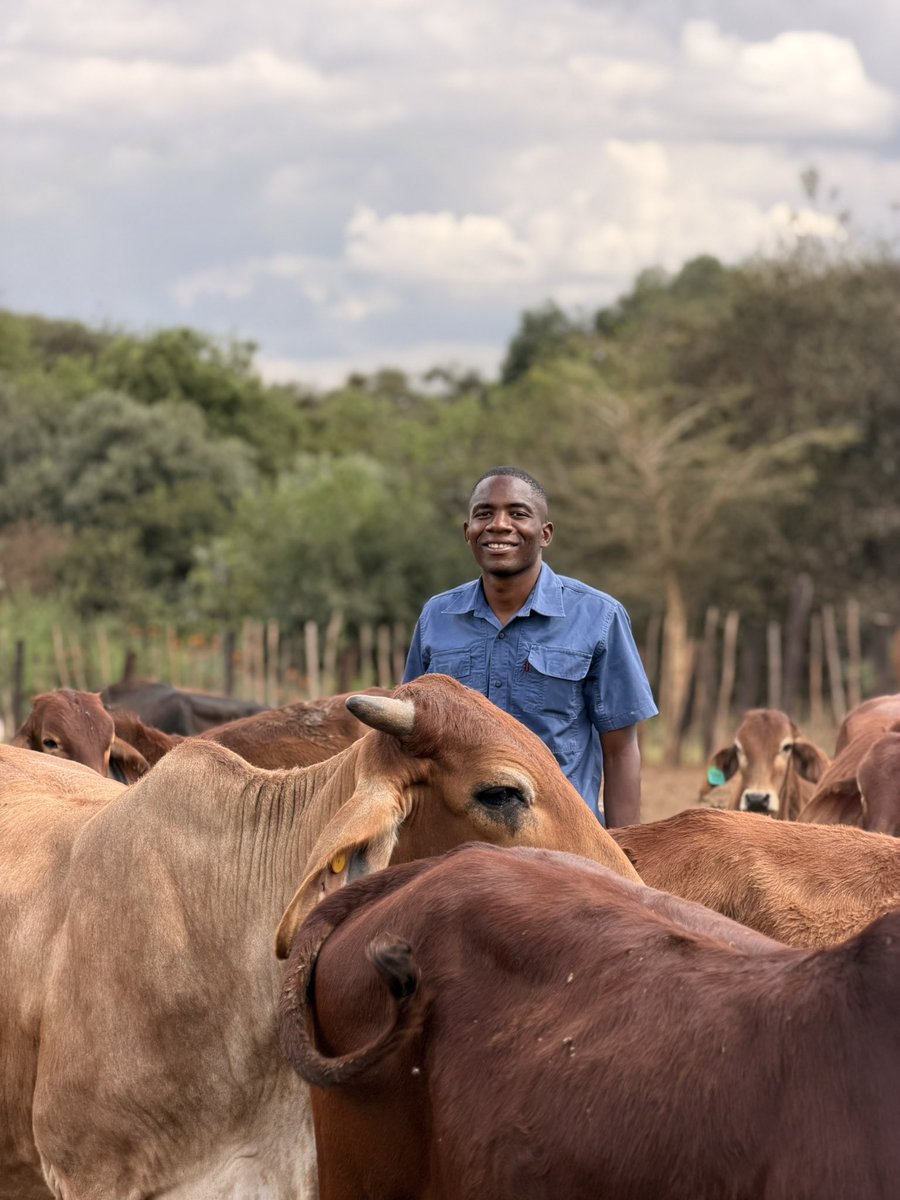
Most Zimbabwean soils originate from granite, so they are inherently low in available Phosphorus (P). This means that our pastures/velds are also low in P - a key nutrient for cow fertility. Without enough P cows/heifers experience delayed puberty, irregular heat cycles, and poor conception rates. This is why cattle farmers should supplement with phosphorus-based mineral licks year-round, and especially in winter when pastures are dry.
Dear farmers, let’s take the hint!
GUINEA FOWL FARMING
ABOUT THE BIRD
The Helmeted Guinea Fowl (Numida meleagris) is the most commonly farmed species. Originating from sub-Saharan Africa, it is instantly recognizable by its:
Dark, spotted plumage (white dots on grey-black feathers).
Bare blue head with a red crest/casque on top.
Red wattles and a short, curved beak
Loud, distinctive alarm calls.
They are hardy, disease-resistant birds that thrive in warm, semi-arid climates making them ideal for smallholder and commercial farming alike.
🏠 HOUSING & MANAGEMENT
Guinea fowl prefer free-range systems, they are naturally active foragers.
Provide simple, well-ventilated housing for night shelter and protection from predators.
Allow minimum 1–2 sq meters per bird indoors.
They are excellent pest controllers, eating ticks, locusts, and insects without scratching up gardens like chickens.
EGG PRODUCTION
Image 2 is particularly striking that hen is surrounded by what appears to be 40+ eggs, which is realistic because:
Guinea hens are seasonal layers, primarily in spring and summer.
A hen lays 80–160 eggs per year under good management.
Eggs are smaller than chicken eggs but richer in flavor and nutrients.
They tend to hide nests in vegetation, as shown farmers must watch for communal nesting spots
Incubation period is 26–28 days.
MEAT PRODUCTION
Guinea fowl meat is lean, dark, and flavorful considered a delicacy.
Birds reach market weight (1.2–1.5 kg) in about 12–16 weeks.
Dressing percentage is around 70–75%.
Highly valued in restaurants and gourmet markets.
Economic Benefits
Low feed costs due to free-range foraging.
High market price for both meat and eggs.
Excellent biosecurity birds their loud calls alert the farm to predators and strangers.
Low veterinary costs due to natural disease resistance.
⚠️ KEY CHALLENGES
Highly nomadic can wander far if not managed.
Noisy not ideal near residential areas.
Keets (chicks) are fragile in the first 4 weeks and need warmth and dry conditions.
Hens are poor mothers artificial incubation is often recommended.
Guinea fowl farming is a highly profitable, low-input venture especially ideal for African farmers seeking a resilient, marketable livestock alternative.
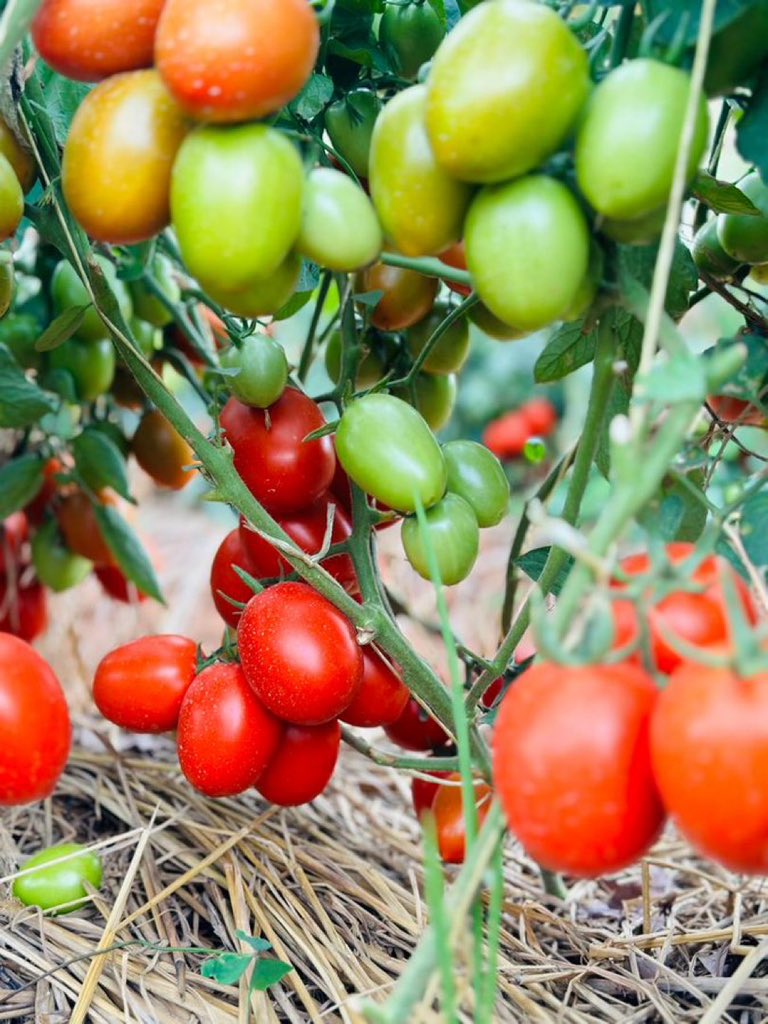
Tomatoes farming? Full guide here 👇👇👇
Tomato farming is one of the most profitable and widely practiced agricultural activities, especially in regions with favorable climates. Tomatoes belong to the Solanum lycopersicum and thrive in warm conditions with plenty of sunlight. Before starting, farmers should choose the right variety depending on market demand, disease resistance, and climate adaptability. Hybrid varieties often give higher yields, while local varieties may be more resistant to pests and diseases. Proper planning at the beginning ensures better productivity and profitability.
Land preparation is a key step in successful tomato farming. The soil should be well-drained, fertile, and rich in organic matter, with a pH between 6.0 and 6.8. Farmers should plough the land thoroughly and incorporate compost or well-decomposed manure to improve soil structure. Raised beds are recommended to prevent waterlogging, which can damage tomato roots. It is also important to rotate crops and avoid planting tomatoes in the same field repeatedly to reduce soil-borne diseases.
Nursery establishment and transplanting require careful attention. Tomato seeds are first sown in a nursery bed or seed trays, where they grow for about 3 to 4 weeks before being transplanted into the main field. Seedlings should be healthy, strong, and free from pests. Transplanting is best done in the late afternoon or on cloudy days to reduce transplant shock. Spacing between plants should be adequate, usually about 60 cm by 45 cm, to allow proper air circulation and growth.
Proper crop management is essential for healthy tomato plants. Regular watering is necessary, especially during flowering and fruiting stages, but overwatering should be avoided. Mulching helps retain soil moisture and control weeds. Staking or supporting the plants keeps fruits off the ground and reduces disease risk. Fertilizer application should be done based on soil testing, with a balance of nitrogen, phosphorus, and potassium for optimal growth.
Pest and disease control is critical in tomato farming. Common pests include aphids, whiteflies, and tomato hornworms, while diseases such as blight and wilt can affect yield. Integrated Pest Management practices, including the use of organic pesticides, crop rotation, and resistant varieties, are recommended. Regular field inspection helps in early detection and control of problems before they spread widely.
Harvesting and marketing determine the final success of tomato farming. Tomatoes are usually ready for harvest 60 to 90 days after transplanting, depending on the variety. Fruits should be picked when they are firm and show the first signs of ripening. Proper handling and storage are important to avoid damage. Farmers should identify reliable markets, such as local markets, supermarkets, or export opportunities, to ensure good prices and maximize profits.