🌿 FICTA SciO at CICAP Fest!
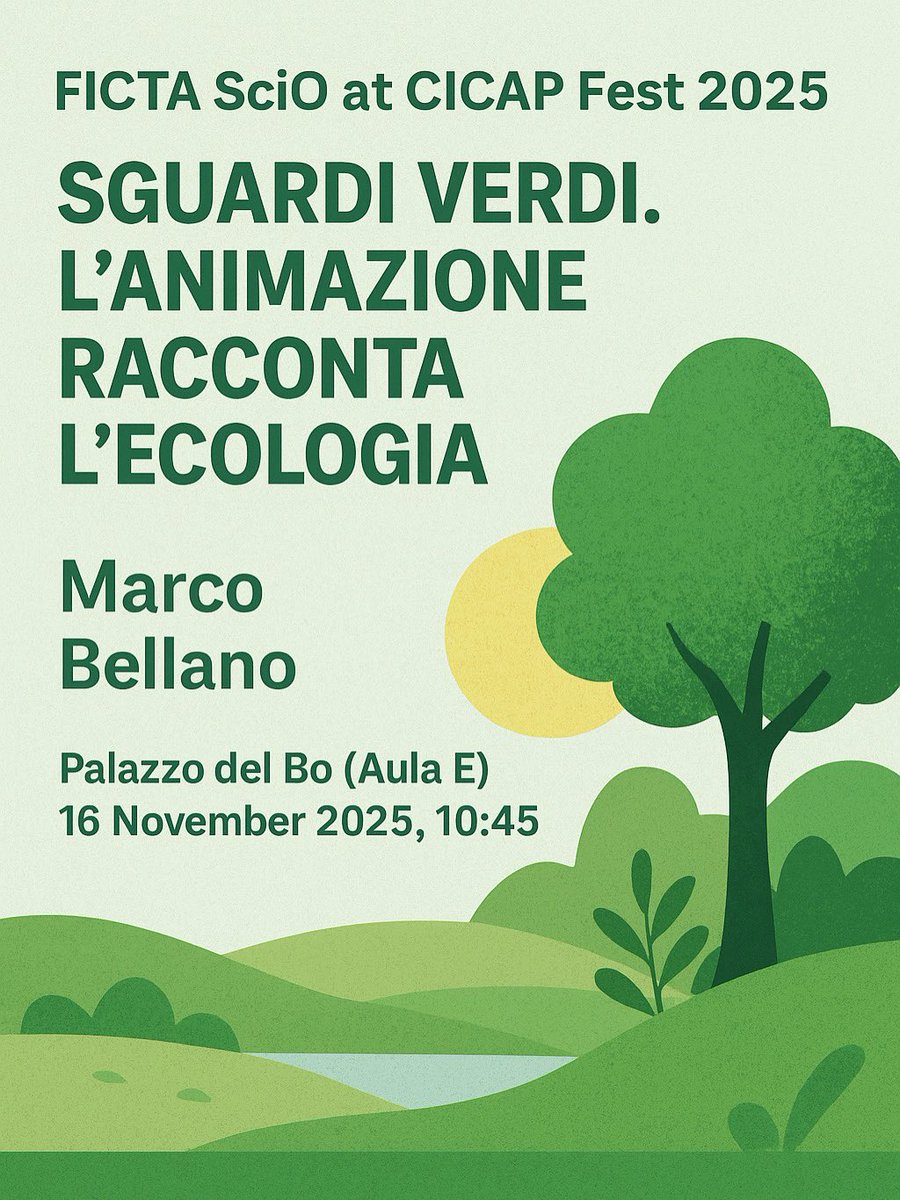
On 16 Nov, Marco Bellano presented “Sguardi verdi. L’animazione racconta l’ecologia”.
The talk explored the many ways animation has to reflect upon ecology, sustainability and our relationship with nature.
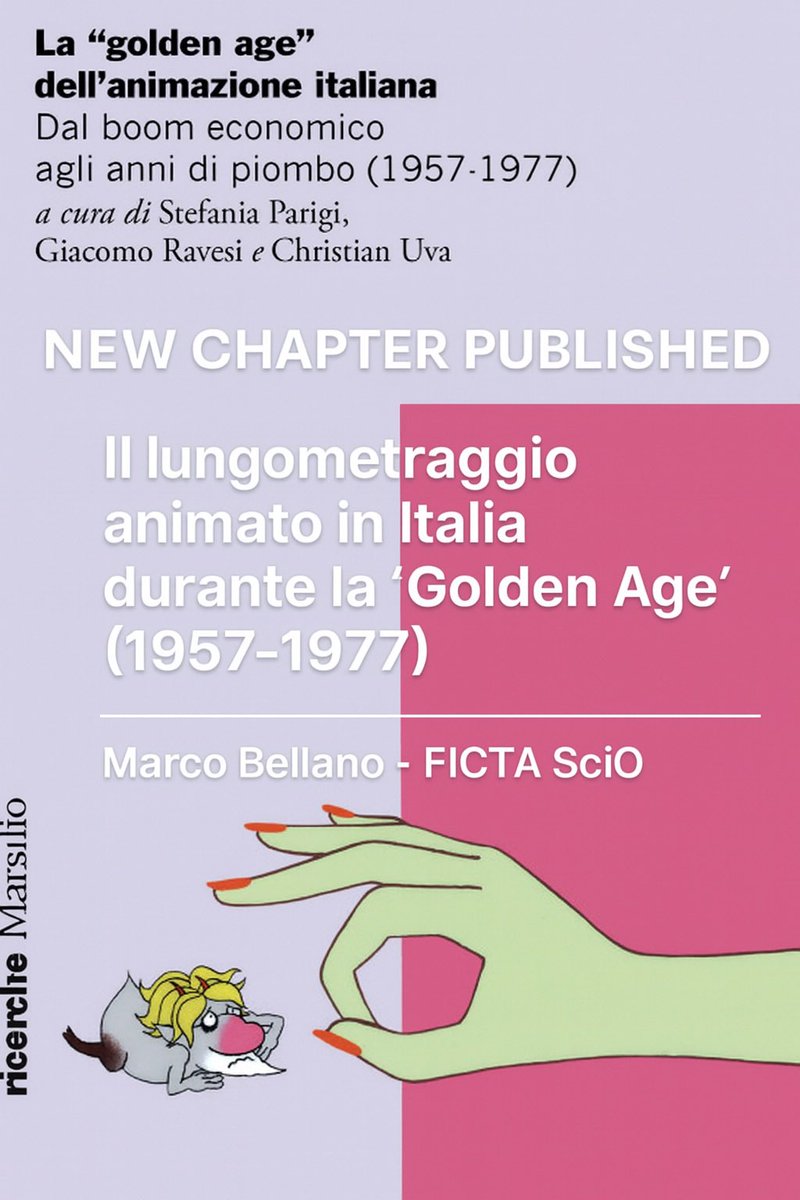
🎬 New publication!
A study on Italian animated feature films of the 1957–1977 “Golden Age”, exploring creativity, production, and cultural innovation.
Many thanks, again, to the editors! Read more on the FICTA SciO website: https://t.co/gqHuuMAxMY
📚✨ #AnimationHistory
🎙️Exciting news! Physicist & science communicator Giuliana Galati interviewed @BellanoMarco about FICTA SciO, diving into animated visualizations of science. Catch the two chats on Scientificast, June 16 & 23 (https://t.co/Zrgp9AZR1s; https://t.co/NZYDTEW7Li).
Thanks, Giuliana!
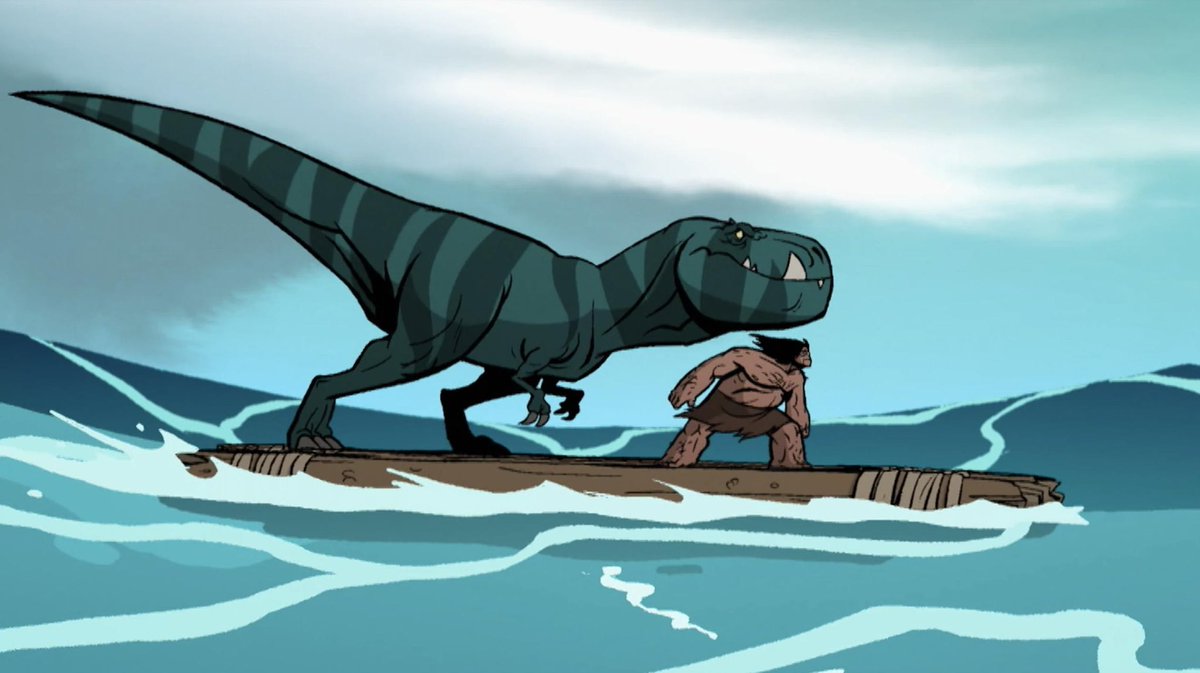
FICTA SciO wrapped in February, but the journey continues! ⚛️✨🦖 Here is a new article on how animation in TV series explores dystopian worlds & prehistoric creatures, reflecting on ecocritical issues: https://t.co/rKEa0QQInz #Animation#Ecology#Dystopia#Science
Celestron Edge HD 8
Oculare Hyperion Zoom Mark IV 8mm
Iphone 15 Pro Max
800 immagini da un video di tre minuti ripreso con Nightcap, 30 fps, ISO 500
PIPP, Siril, Photoshop, Lightroom
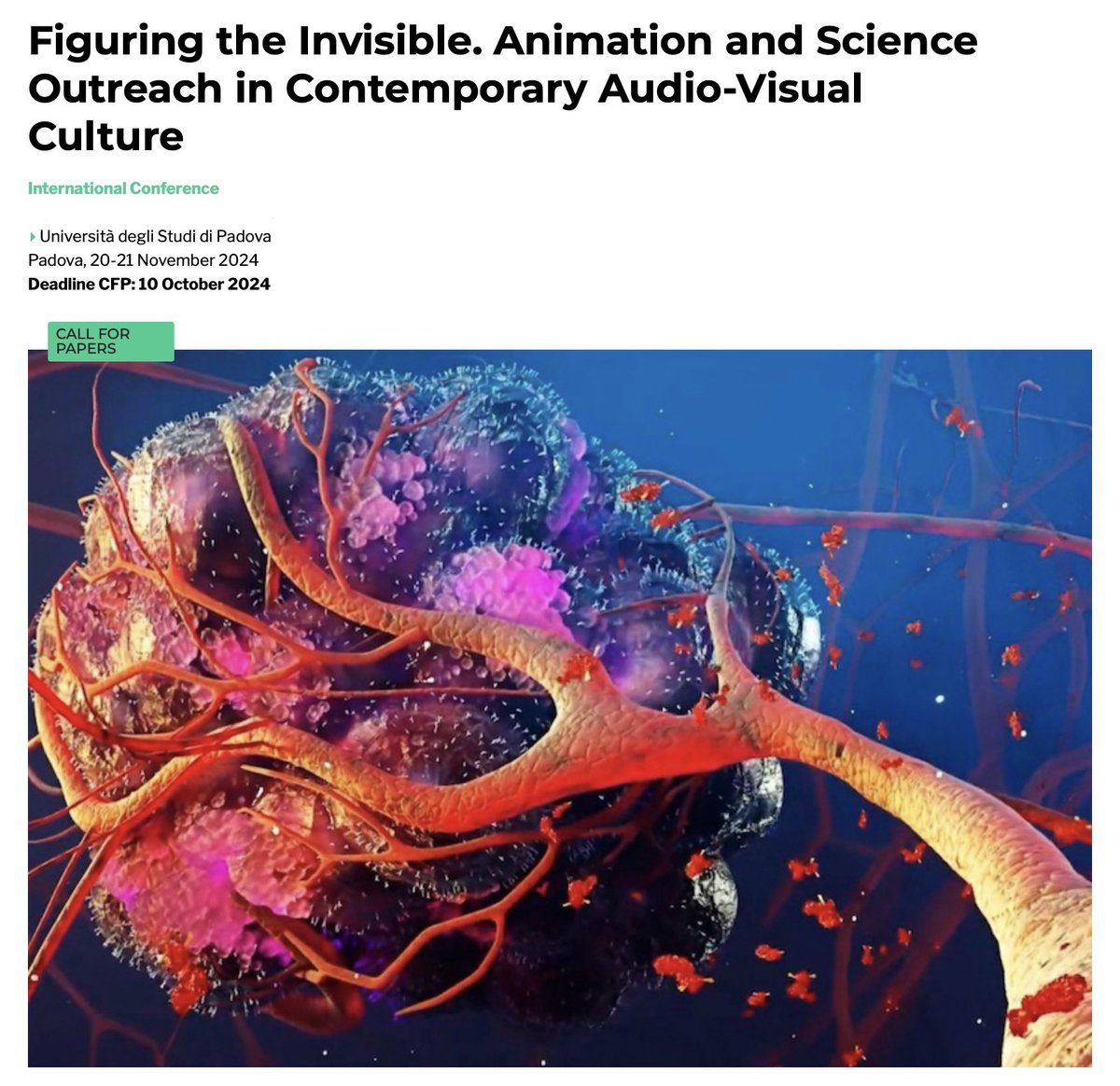
A new FICTA SciO conference is coming: Padua, November 20-21, 2024.
Find the CFP here: https://t.co/SScAmhNytw (thanks to the CUC).
The proceedings will be published on Open Research Europe (https://t.co/JImoqHgVYi)
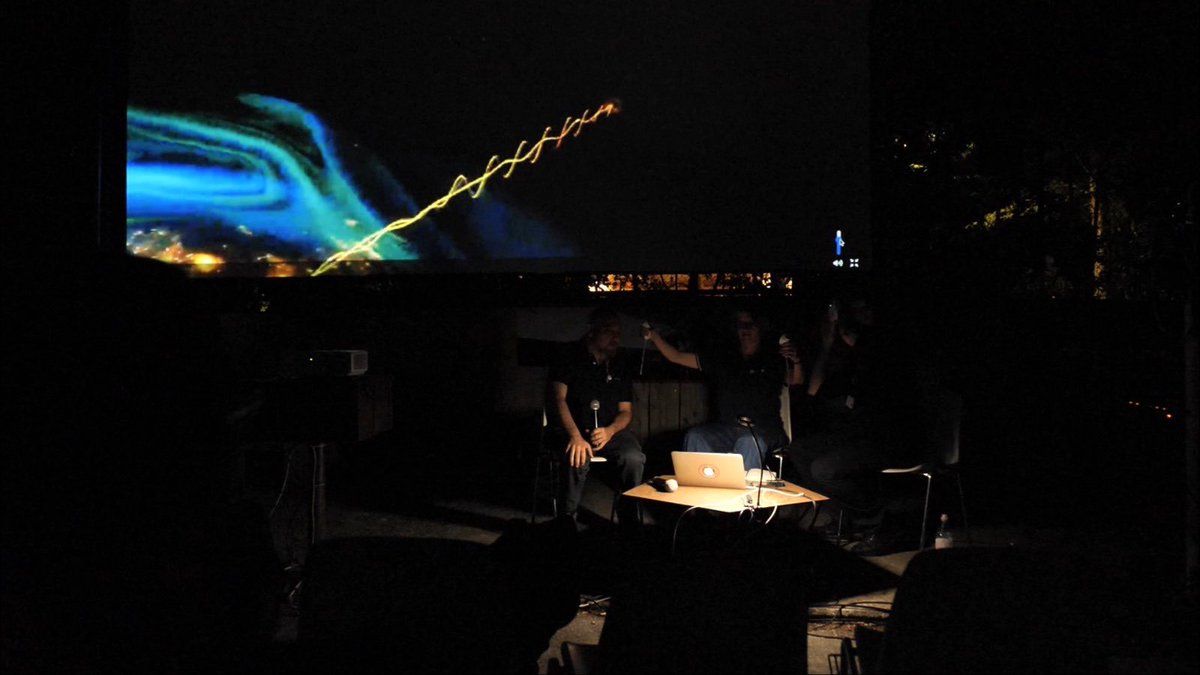
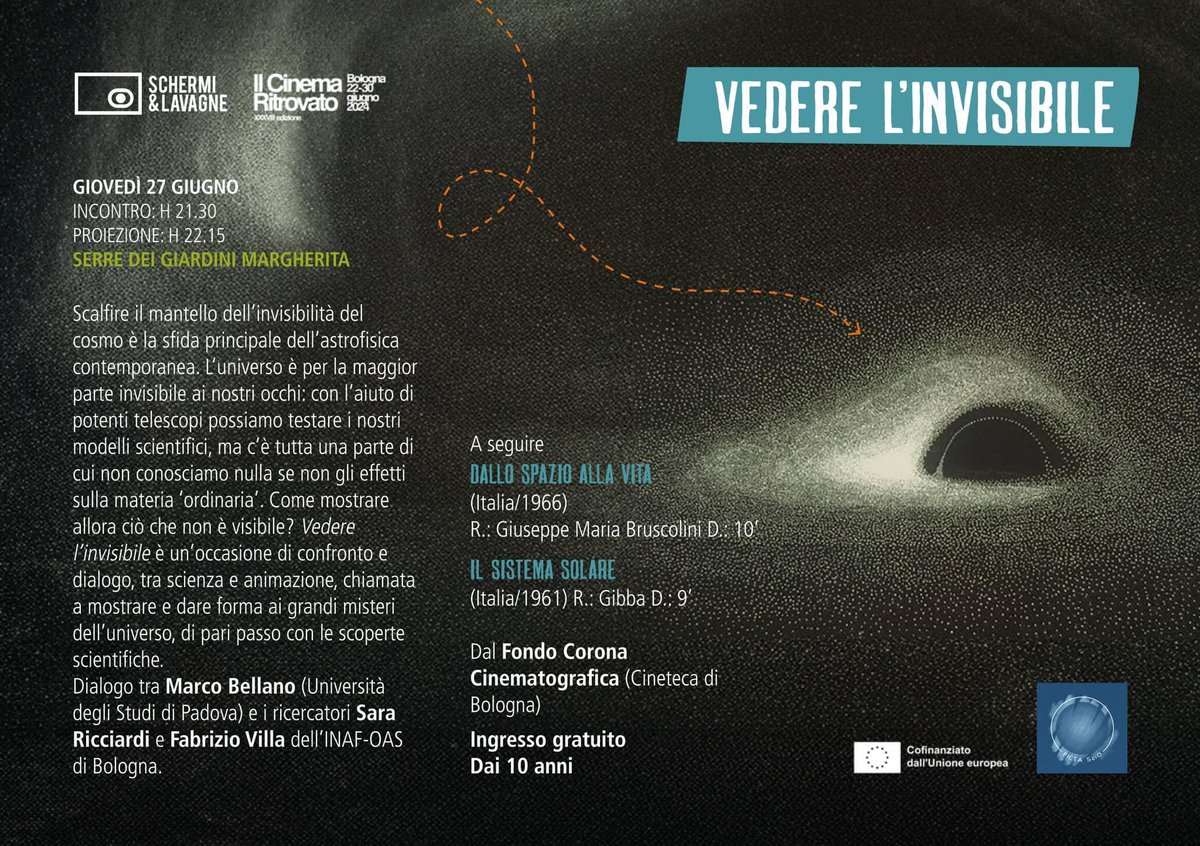
Some stills from “Vedere l’invisibile”, a June 27 FICTA SciO event at Il Cinema Ritrovato with Sara Ricciardi and Fabrizio Villa, researchers at the INAF OAS Bologna. Thanks again to Cristina Piccinini!
A FICTA SciO event at Il cinema ritrovato 2024, about animation and the “invisible” marvels of the cosmos! With INAF-OAS researchers Sara Ricciardi and Fabrizio Villa.
Ho contribuito scrivendo della produzione di Allegro non troppo, sulla base di ricerche che avevo già condotto in precedenza, con il fondamentale e generoso contributo di Bruno Bozzetto.
Dal 21 giugno è in libreria questo innovativo volume a cura di Christian Uva e Vito Zagarrio, a cui vanno di nuovo tantissimi ringraziamenti, anche per il ricco convegno che è stato alla base del libro.
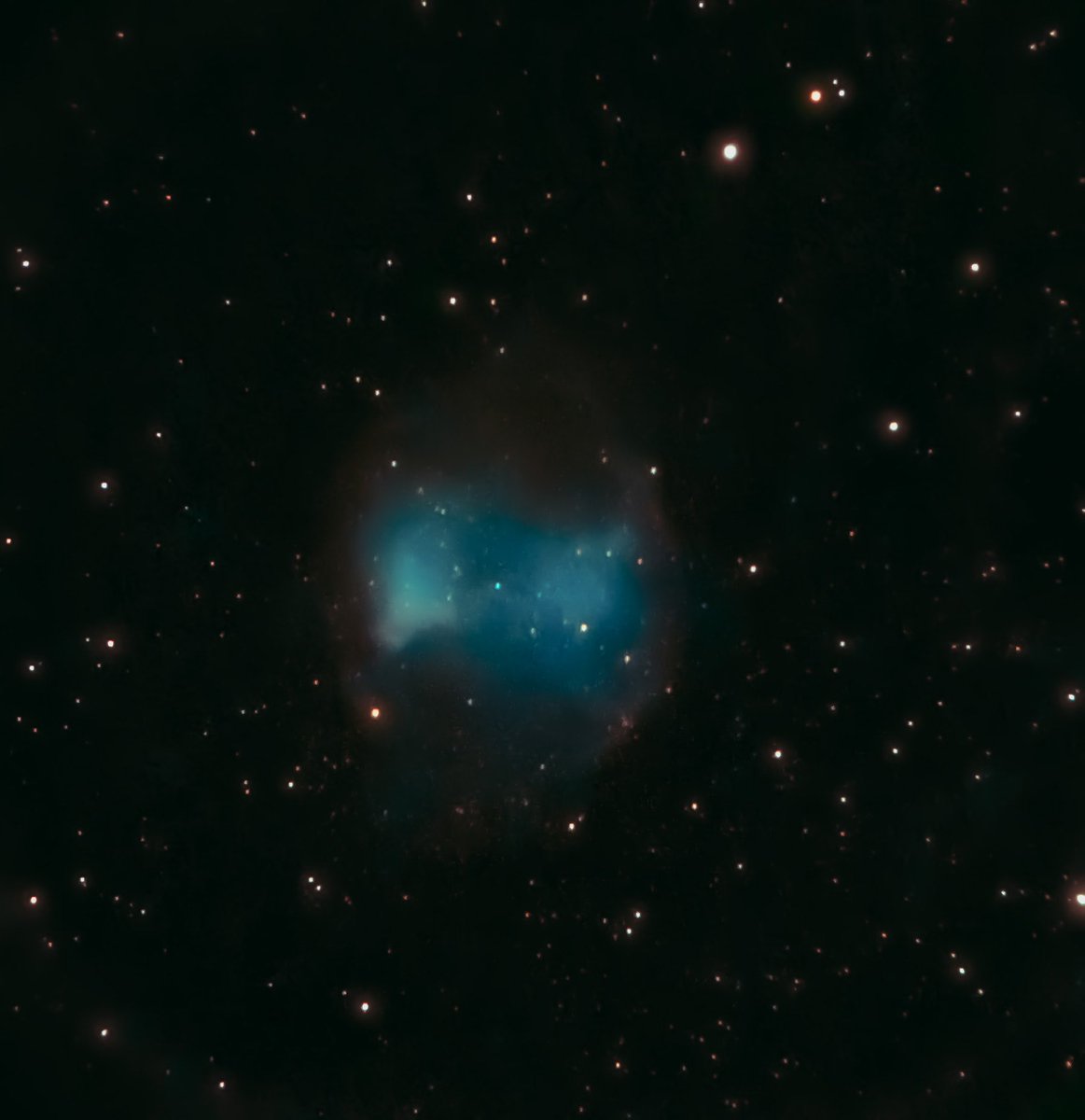
Tre integrazioni con AstroShader, di 200, 500 e 800 scatti, esposizione sempre di 0.5" e ISO 8000. Le tre immagini sono poi state integrate ulteriormente tra loro con Siril.
Postproduzione con Siril, Photoshop e GraXpert.
M27, Nebulosa Manubrio.
Padova, 2 giugno 2024, ore 00:30 circa.
Ancora un esperimento col cellulare.
Telescopio Celestron Edge HD 8, oculare da 12 mm, adattatore NeXYZ, iPhone 15 Pro Max.
1º giugno 2024, 23:30 circa.
Celestron Edge HD 8, oculare da 12 mm
iPhone Pro Max 15
Video di 30 minuti ripreso con NightCap, esposizioni da 1/3”, ISO 7000
Video di 5 minuti per i dark frame
PIPP, Siril, Photoshop
M13, ammasso globulare di Ercole.
Non bisognerebbe usare il cellulare per fare foto astronomiche… ma non ho di meglio, ora! E quindi faccio esperimenti, senza pretese.