A fascinating foray into the works of the Libyan writer, see Jones' latest piece on Muhammad Qashat in AAT: "[who] emerges as a significant thinker and scholar-activist of the transnational Afro-Arab Left in the closing decades of the 20th century..."
https://t.co/Uc3lvJxRqp
A fascinating foray into the works of the Libyan writer, see Jones' latest piece on Muhammad Qashat in AAT: "[who] emerges as a significant thinker and scholar-activist of the transnational Afro-Arab Left in the closing decades of the 20th century..."
https://t.co/Uc3lvJxRqp
check out my latest article on Paul Bowles, (post)colonial ethnomusicology, and Arab Nationalism in JNAS! feels good when a long germinating project finally gets published
https://t.co/l2J8j0C68H
Drawing on the case of Usmān (Lightening), Ben Jones's article in this issue revisits the role music played in the work of the Amazigh Cultural Movement in Morocco. An important contribution to the study of Amazigh music. https://t.co/2cn36XEle4
Read my latest article on how hybrid watermelon production disrupts local livelihoods in southeastern Morocco.
Where Our Herds No Longer Wander https://t.co/nrxuBNk6aS via @jadaliyya
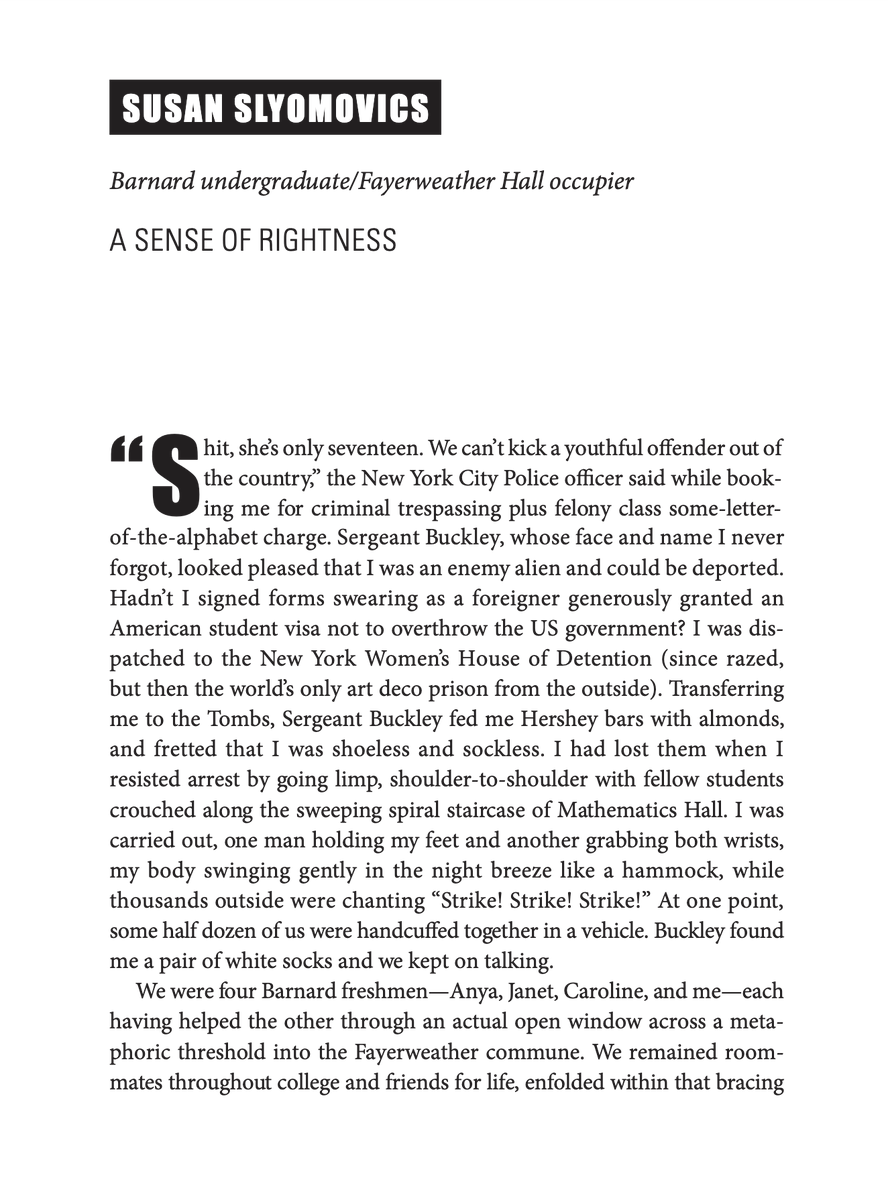
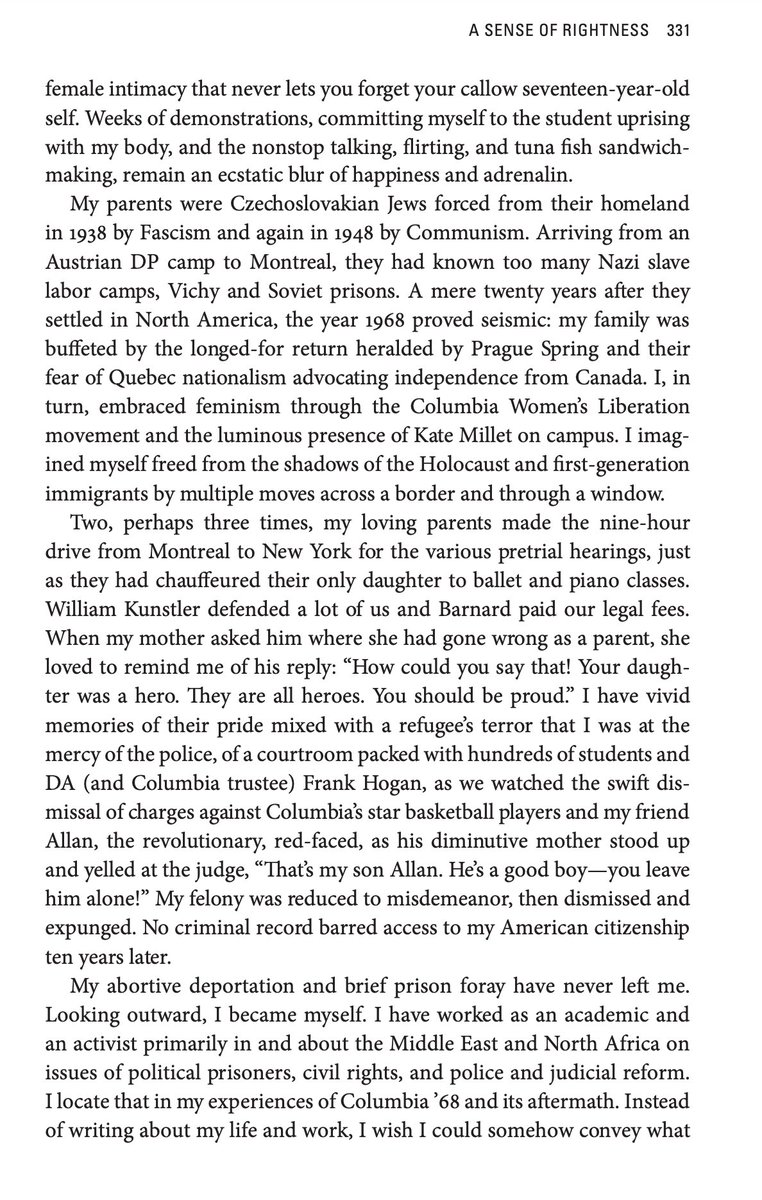
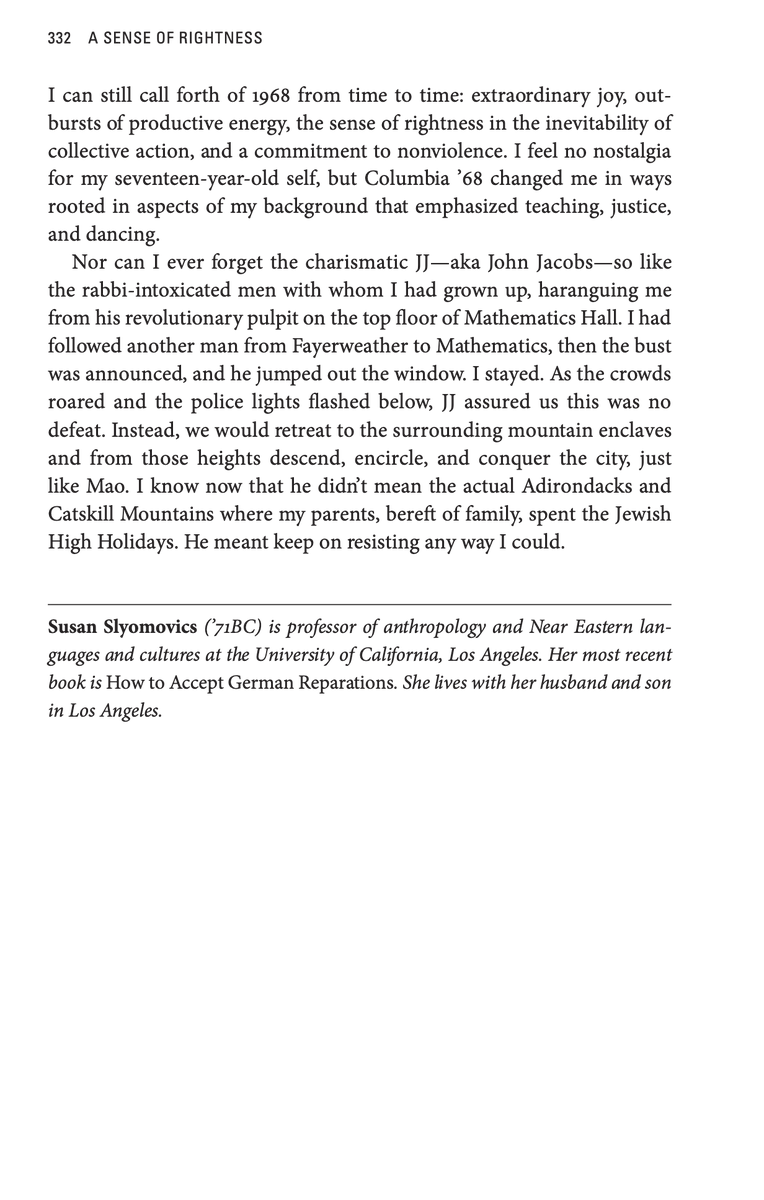
The great anthropologist Susan Slyomovics—known for her study of the Palestinian village of Ein Houd—on being arrested as a seventeen-year-old Barnard student in 1968.
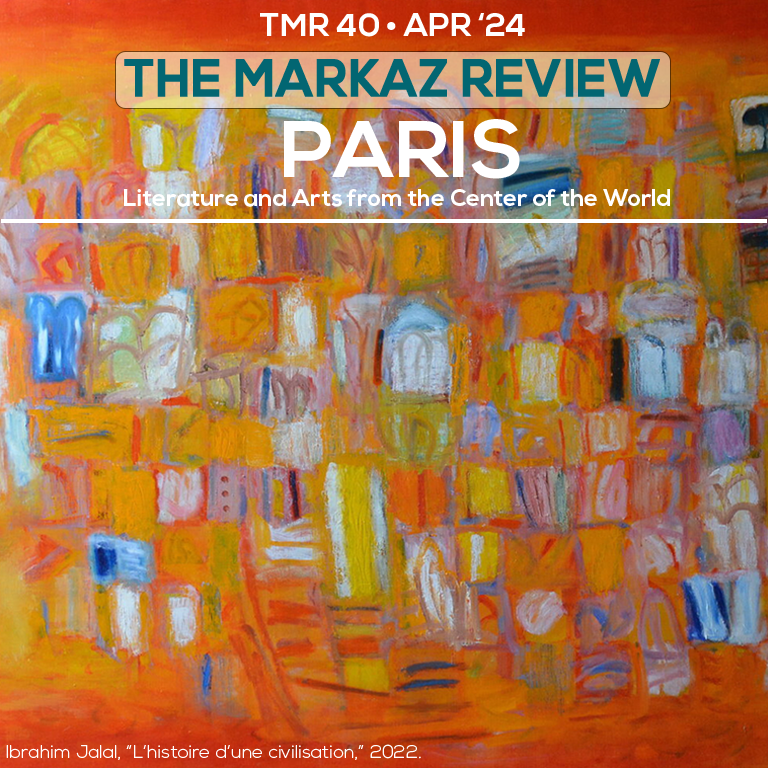
📣 [NEW ISSUE]
Our new issue, TMR 40 • PARIS, is now live!
What is it like these days to be a Middle Eastern/North African creative — an Arab, Turkish, Kurdish, Iranian writer/artist trying to live in and make it in Paris ?
TMR Editor-in-Chief Jordan Elgrably writes in this month’s editorial, “While one can wax nostalgic about the many seductions of Paris, the tension that exists between French authorities and Arab and African communities is something I suppose will never subside; there are endless examples of individual and institutional racism, and yet Paris refuses to run a proper census, and pretends that all French citizens are equal (though some are more equal than others).”
🔗 Explore this month’s new essays, fiction, art and more now: https://t.co/aFrT4ATlCh
A big thank you to all of this month’s contributors:
Bani Khoshnoudi, Nada Ghosn (@nada_ghosn), Rana Asfour (@bookfabulous), Rasha Salti (@Rasha_arte), Kristine Khouri (@kristinekhouri), Benjamin Jones (@BenJonesDC), Jordan Elgrably (@JordanElgrably), Coline Houssais, Wanis El Kabbaj, Sasha Moujaes (@moujaesasha), Cole Stangler (@ColeStangler), MK Harb (@grungyflaneur), Arie Amaya-Akkermans (@byzantinologue), Naima Morelli (@naimamorelli) and Sabah Haider (@sfh123).
#themarkazreview #tmr40 #paris #newissue #essays #fiction #shortstories #columns #film #art
I wrote for this month's issue of The Markaz Review focused on SWANA connections to Paris. Check it out here:
Nass El Ghiwane's Moroccan Folk, Radical Politics, Forged in Paris https://t.co/1sIzmQQm4W
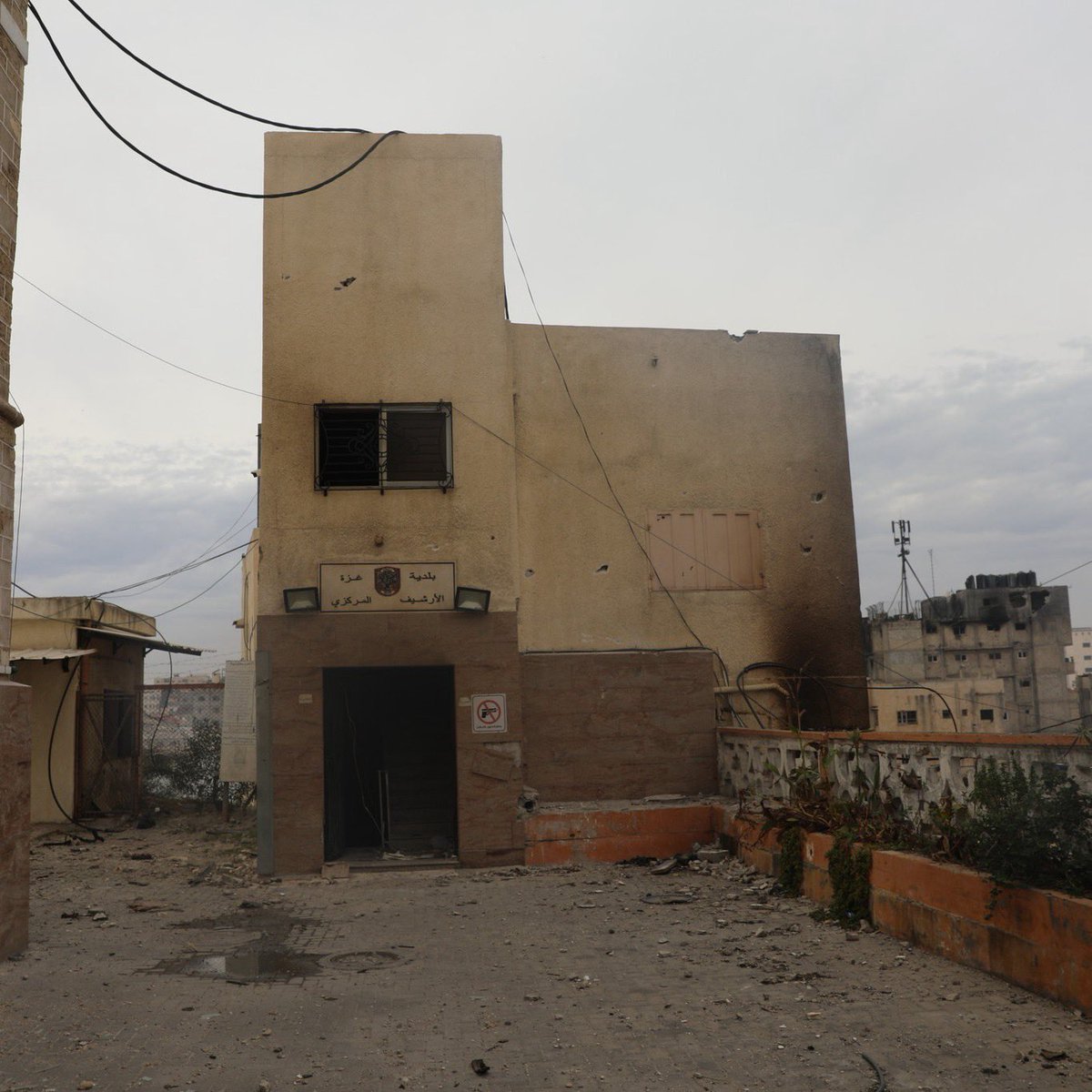
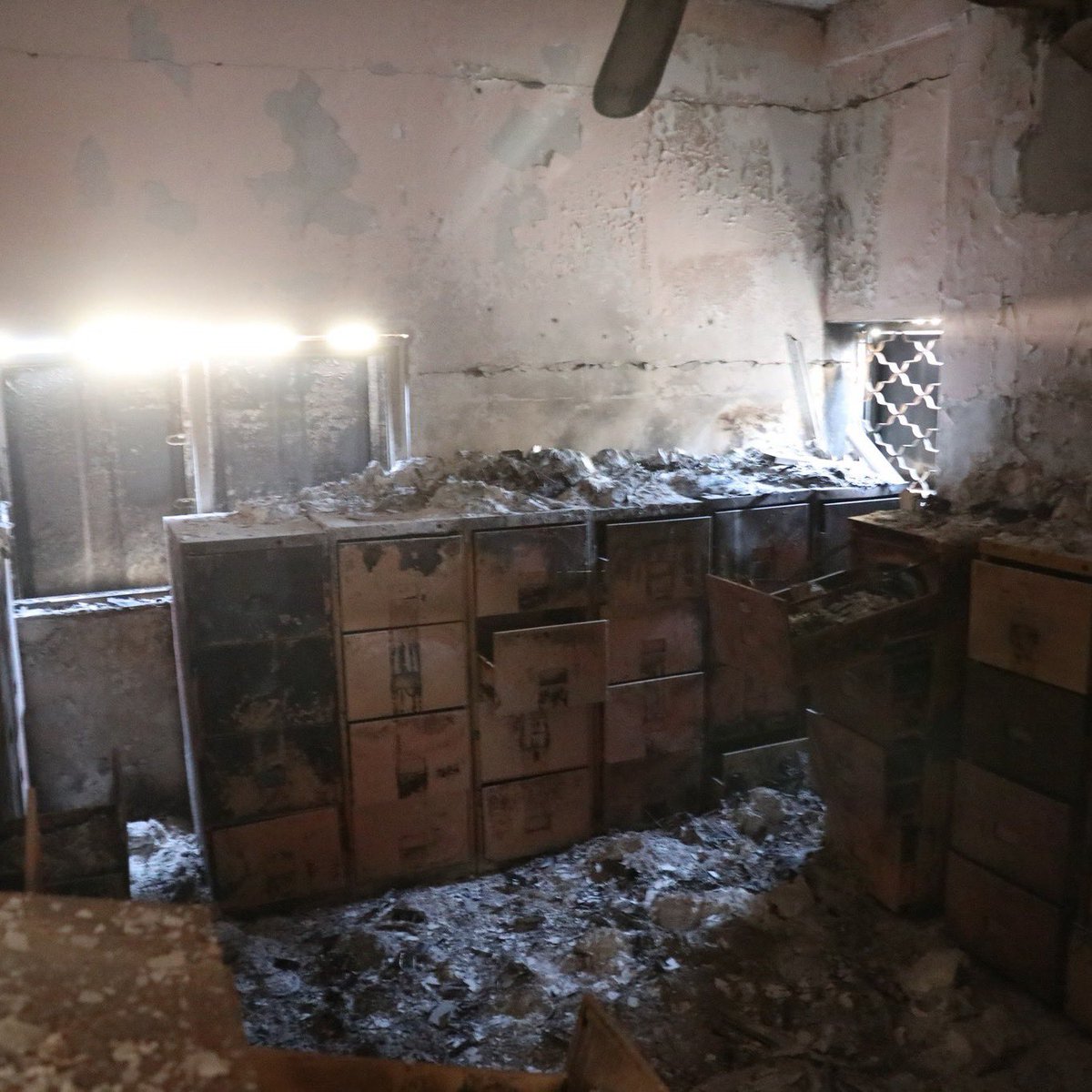
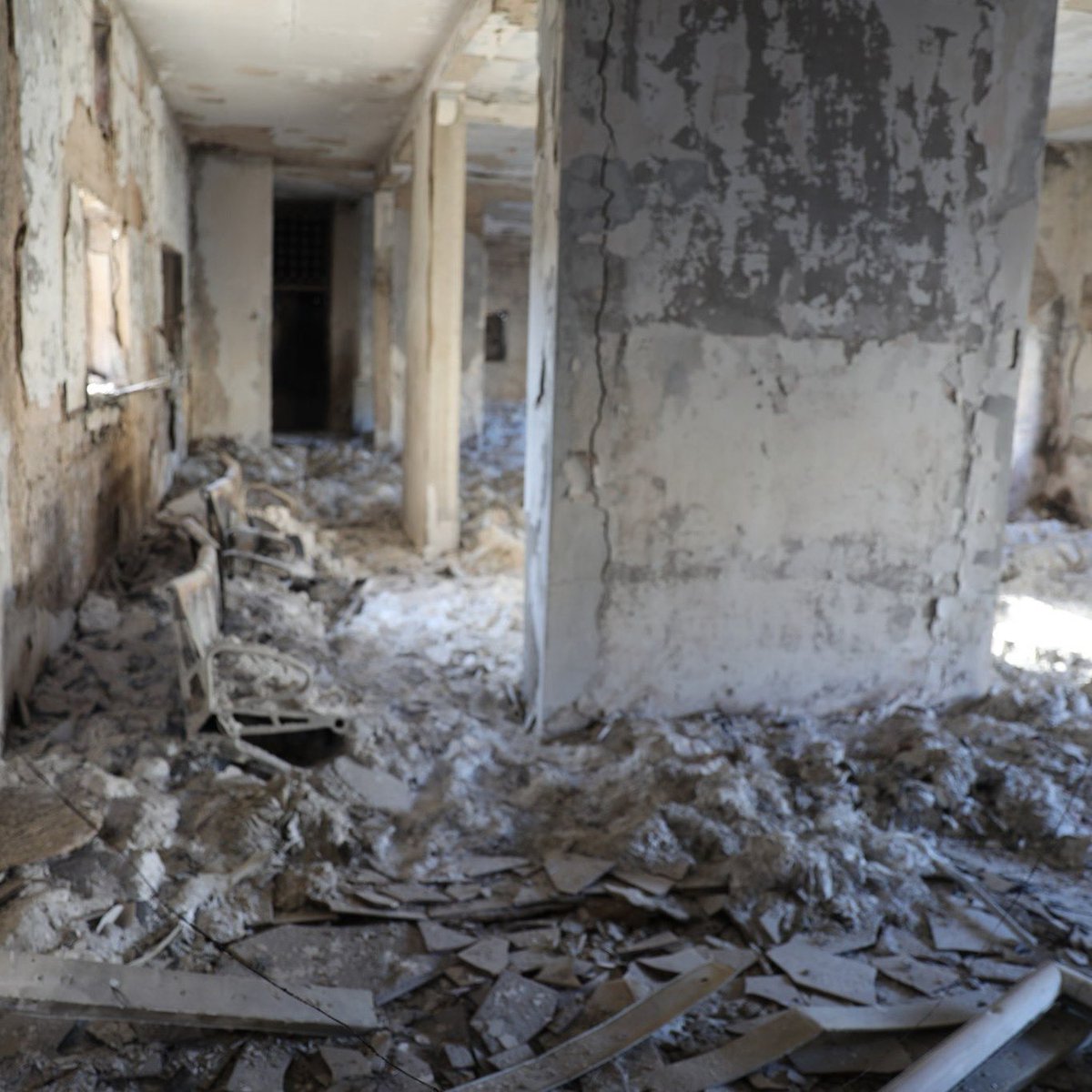
The Israeli occupation destroys the central archive of #Gaza municipality, executing thousands of historical documents, and deliberately razing all life forms; erasing the city and its #history. It is worth noting that the archive holds #documents more than a hundred years old.
"How to grieve, what meaning to give those tears, is cruelly a political question whether we like it or not," @gabrielwinant writes. https://t.co/sqoPD6T8Br
in the 70s this song was about authoritarian violence. This week it evokes a different kind of state violence: decades of structural marginalization and neglect which have left dozens of rural villages, mostly Amazigh, without aid many days after the initial earthquake
during the ongoing tragedy in Morocco I’m thinking about Nass el Ghiwane’s “Mahmouni”
ماهموني غير الرجال الى ضاعو
لحيوط الى رابو كلها يبني دار
I only care about men who are lost
If walls are destroyed, the house can be rebuilt