The Coast region, home to the Port of Mombasa along the Indian Ocean, serves as Kenya's principal gateway for international trade and cargo movement.
To support this strategic role, the Kenya National Highways Authority (KeNHA) is implementing the 30.4-kilometre Jomvu–Mariakani Lot 2 project, upgrading a key section of the Mombasa–Nairobi Highway (A8) into a modern dual carriageway.
The project expands the corridor from two to four lanes, easing congestion and improving the movement of cargo along the Northern Corridor.
Key features include retaining walls in challenging terrain around Mazeras, improved drainage systems, pedestrian footbridges and reserved truck parking facilities.
Apart from enhancing transport efficiency and regional connectivity, the project benefits from coordinated traffic management and local administrative support by the State Department for Internal Security and National Administration to ensure the smooth and safe movement of people and goods along the corridor. MORE PICS - https://t.co/qN4rYznysW
Village elders have long played a central role in the affairs of our nation, helping build a cohesive society and supporting development programmes.
They have done this without formal recognition or facilitation, a clamour that came up repeatedly during the countrywide Jukwaa la Usalama consultations.
In response, and under the direction of H.E. President @WilliamsRuto, we now have a policy that recognises and integrates village elders into the national governance system.
Consequently, we have formally recognised 106,000 village units. The elders will now receive a monthly stipend effective today.
This is the latest in a raft of reforms to strengthen the National Administration and improve the efficiency of service delivery to Kenyans.
Other reforms include the training of chiefs and assistant chiefs, and a structured career progression framework to support their promotion.
We have also begun deploying National Government Administration Police Unit (NGAPU) officers to counties to boost security and support services at the grassroots.
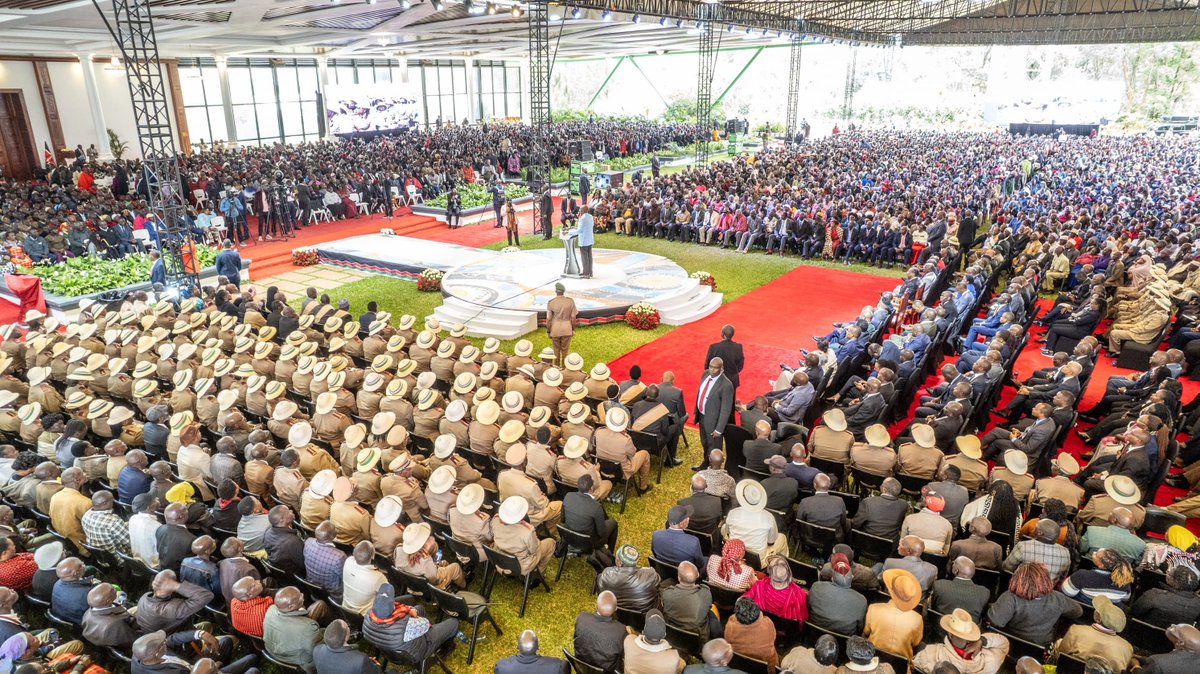
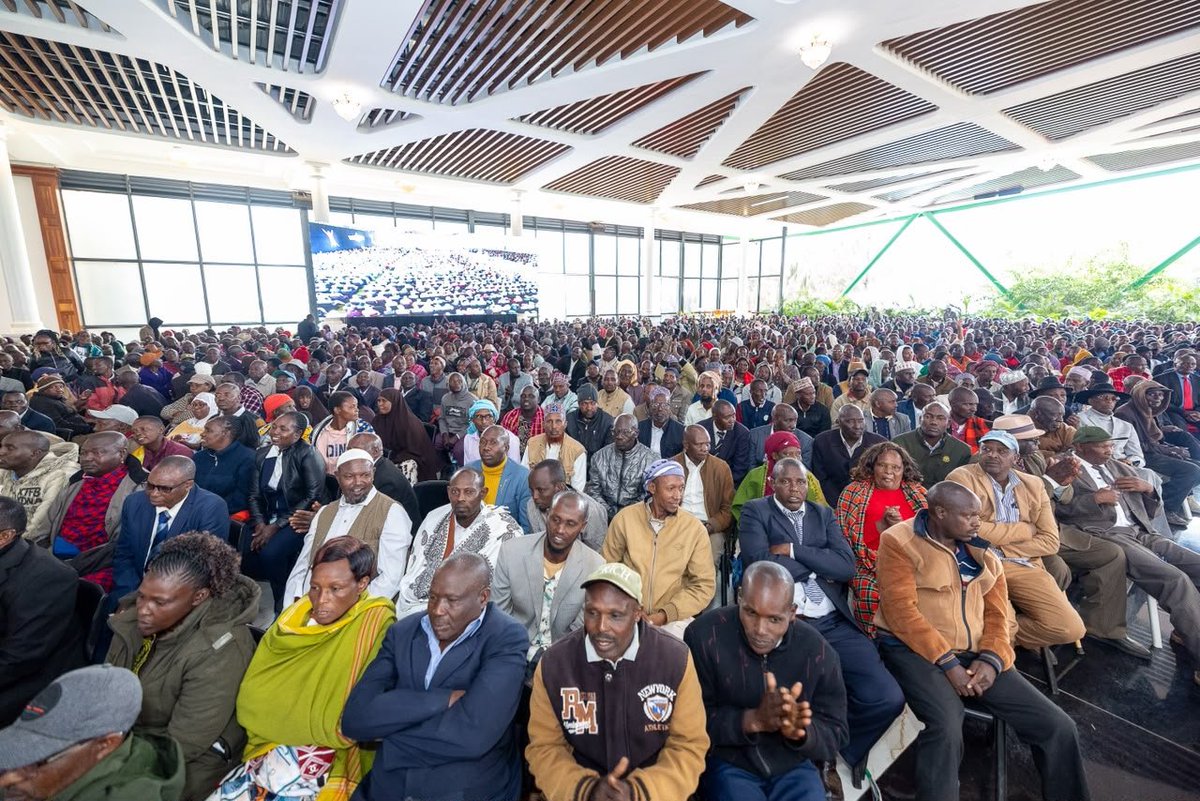
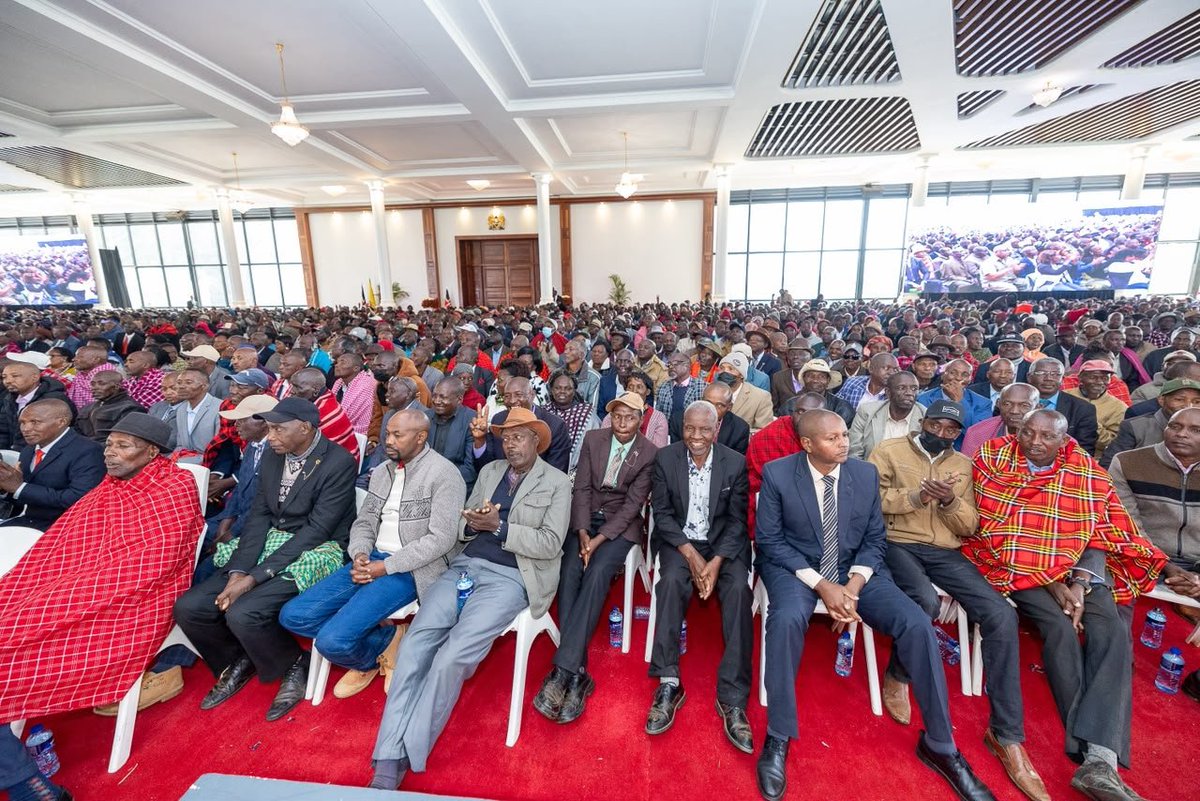
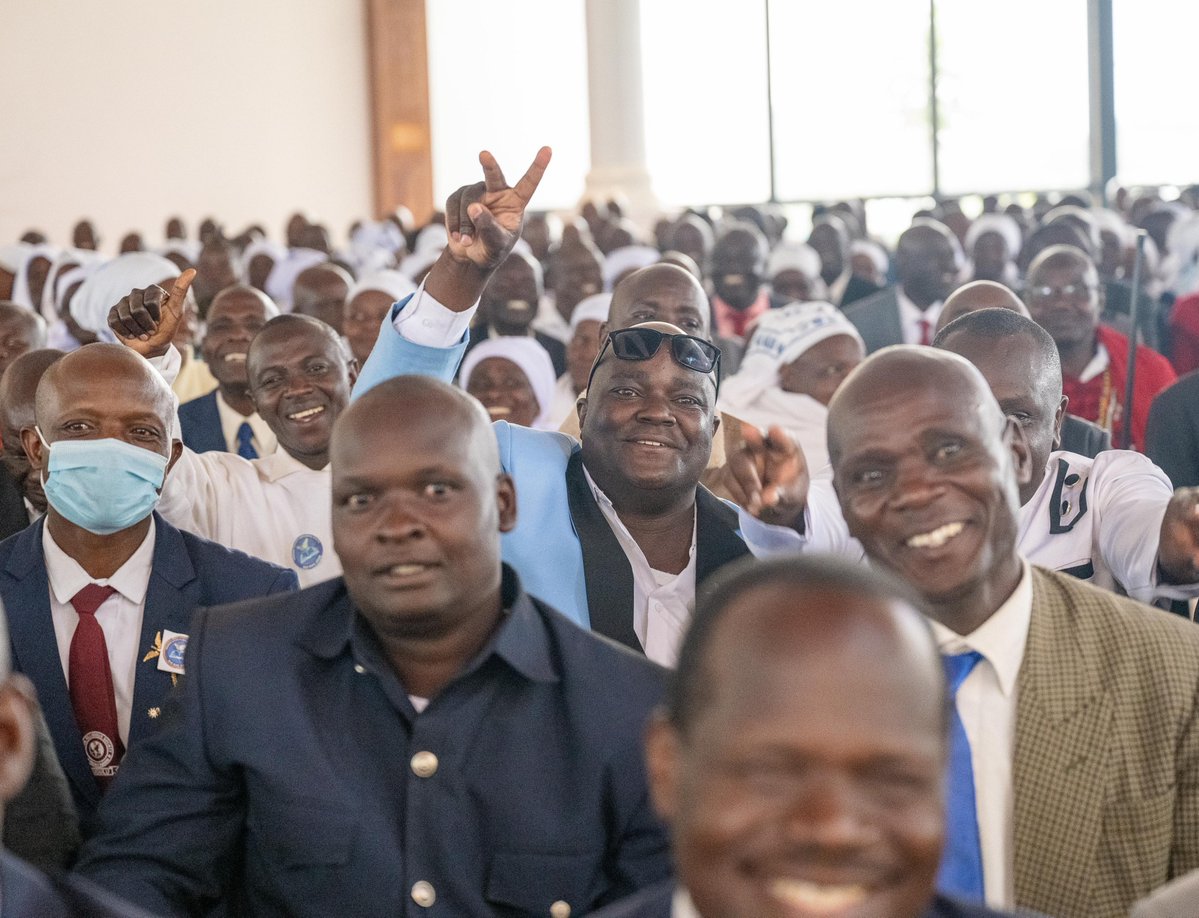
Today, at State House, Nairobi, I joined President Ruto and other leaders for an engagement with village elders drawn from across Kenya.
Hosted more than 10,000 village elders at State House Nairobi. We have onboarded 106,000 village elders across the 47 counties into the National Government Administration system, bringing the Government closer to the people.
Beginning today, the village elders will receive a KSh3,000 monthly stipend. We are also working towards paying Social Health Authority premiums from January 2027, providing them with smartphones to ease their work and making more Administration Police officers available to them to enhance security at the grassroots.
The Nairobi Street Food Festival – 11th Editionis happening this Saturday, 8th August at Jamhuri Showground,from 10 AM till late.
🎟️ Get your ticket or become an NSFF Ticket Sales Affiliate and earn per sale!
WhatsApp Morine: https://t.co/hTnWO4MX5n
#NairobiStreetFoodFestival
In the past four years, we have demonstrated that it is possible to transform Kenya in our lifetime. Going forward, our country should not only be stable, democratic and united under the rule of law, but also wealthy and prosperous.
The National Development Charter I proposed last week should be fashioned in a manner that will anchor it in the Constitution, ensuring it never becomes a victim of changes in administrations or electoral cycles.
Transitioning Kenya from a lower middle-income country to an upper middle-income one is within our reach. In the early 1960s, Kenya was at a similar level to South Korea but today it is far ahead of us.
China, too, was once behind us but today it is way ahead of us. Let us, therefore, believe in our nation’s potential.
Under President @WilliamsRuto's leadership, Kenya's Digital Superhighway has grown into a foundational national infrastructure programme anchored in the Bottom Up Economic Transformation Agenda.
It integrates connectivity, government services, innovation, digital inclusion and cybersecurity into one unified framework, positioning Kenya's digital economy as a driver of long term growth, improved service delivery and stronger national competitiveness.
The National KE-CIRT/CC has distributed over 20 million cybersecurity advisories, strengthening institutional preparedness against emerging cyber threats.
This proactive approach reflects the Government's commitment to safeguarding Kenya's public and private digital systems.
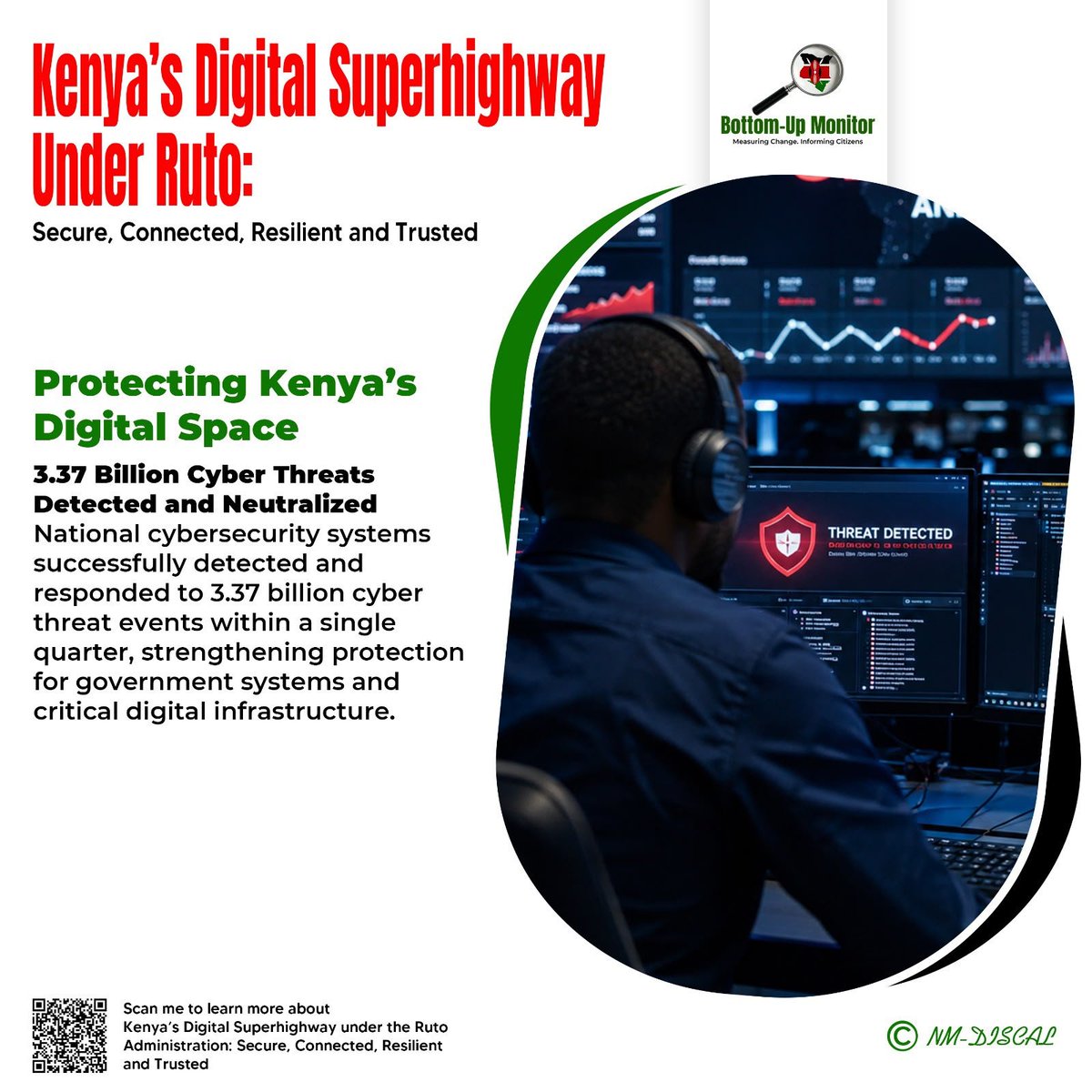
National cybersecurity systems successfully detected and responded to 3.37 billion cyber threat events within a single quarter. This capability demonstrates the strength of Kenya's cyber defence infrastructure in protecting government systems and critical digital assets.
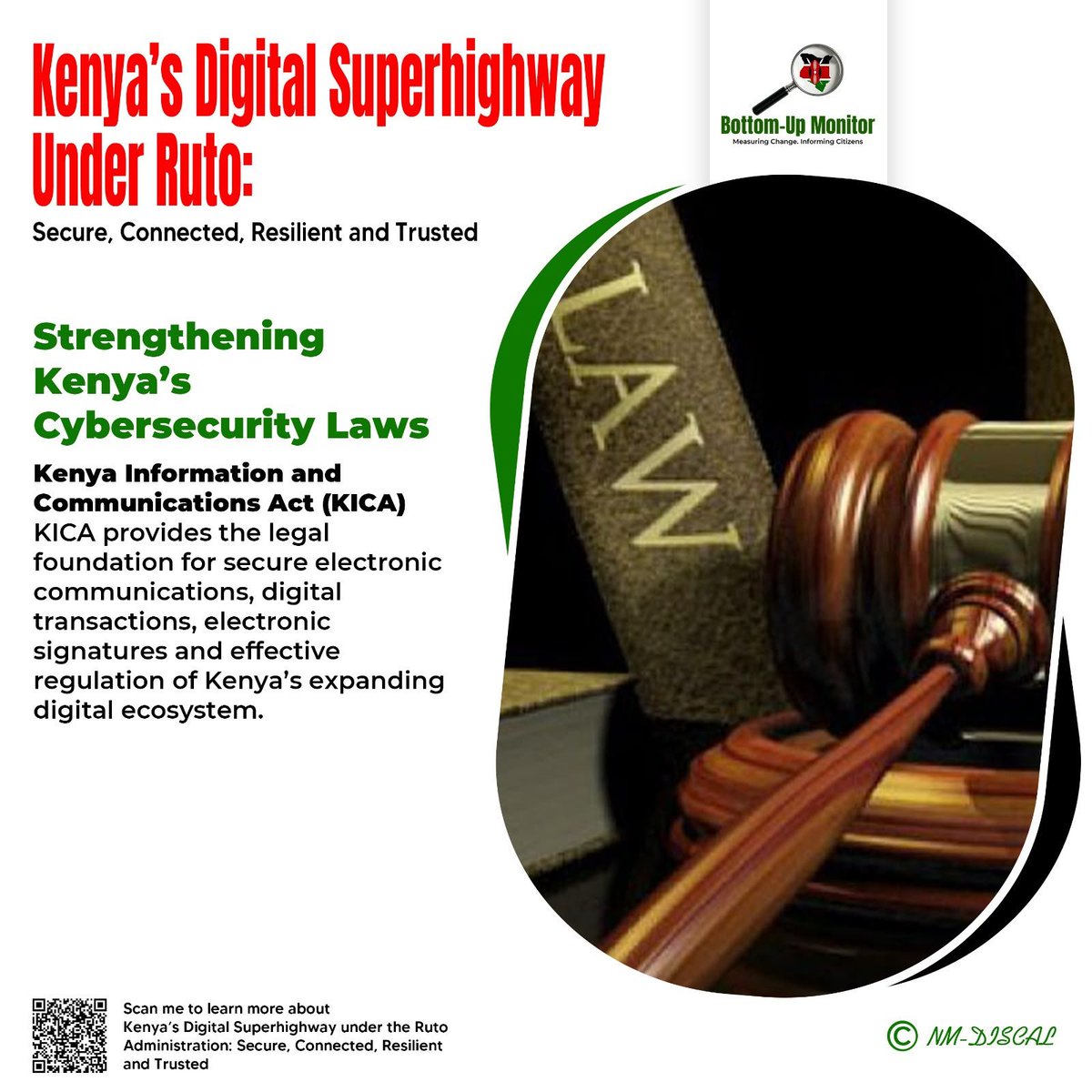
The Kenya Information and Communications Act provides the legal foundation for secure electronic communications, digital transactions and electronic signatures.
This framework underpins effective regulation of Kenya's rapidly expanding digital ecosystem under the Kenya Kwanza Government.
Through the Ruto Administration's digital transformation agenda, more than 20,000 government services are now accessible on the secure eCitizen platform.
Initiatives like Gava Express are bringing these services closer to citizens and businesses, improving efficiency, transparency and convenience across the country.
Kenya's public sector fibre backbone has expanded from 22,486 kilometres in 2022 to 30,454 kilometres today under the Kenya Kwanza Government, contributing to a national fibre network of 80,633 kilometres.
This sustained investment advances the National Broadband Strategy's target of 100,000 kilometres and accelerates digital inclusion nationwide.
A dedicated 3% NG-CDF allocation championed under the Kenya Kwanza Government is supporting the establishment of digital infrastructure across 1,450 wards.
This grassroots investment is bringing technology, innovation and digital skills directly to communities across all 47 counties.