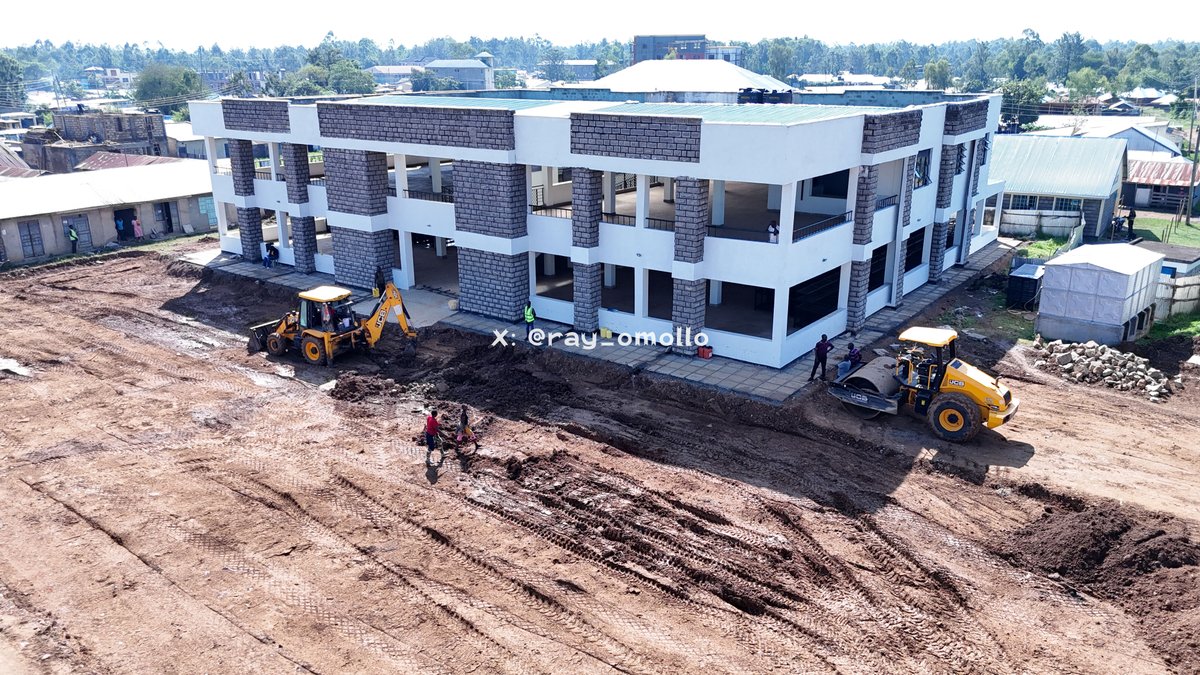
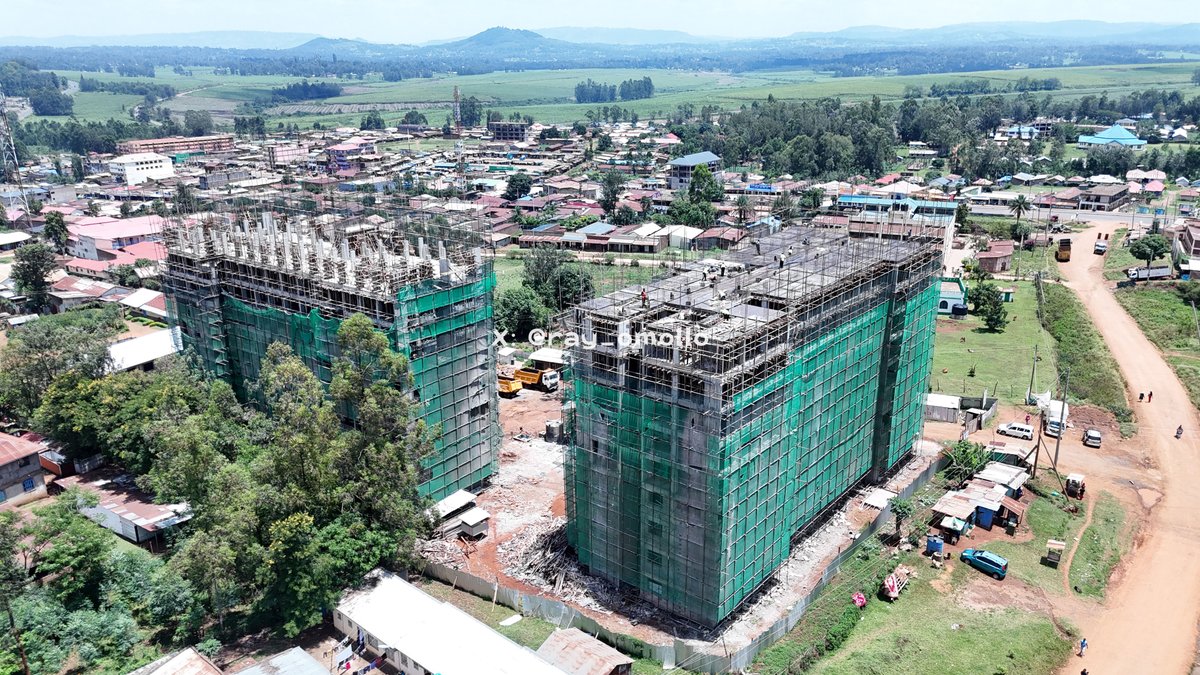
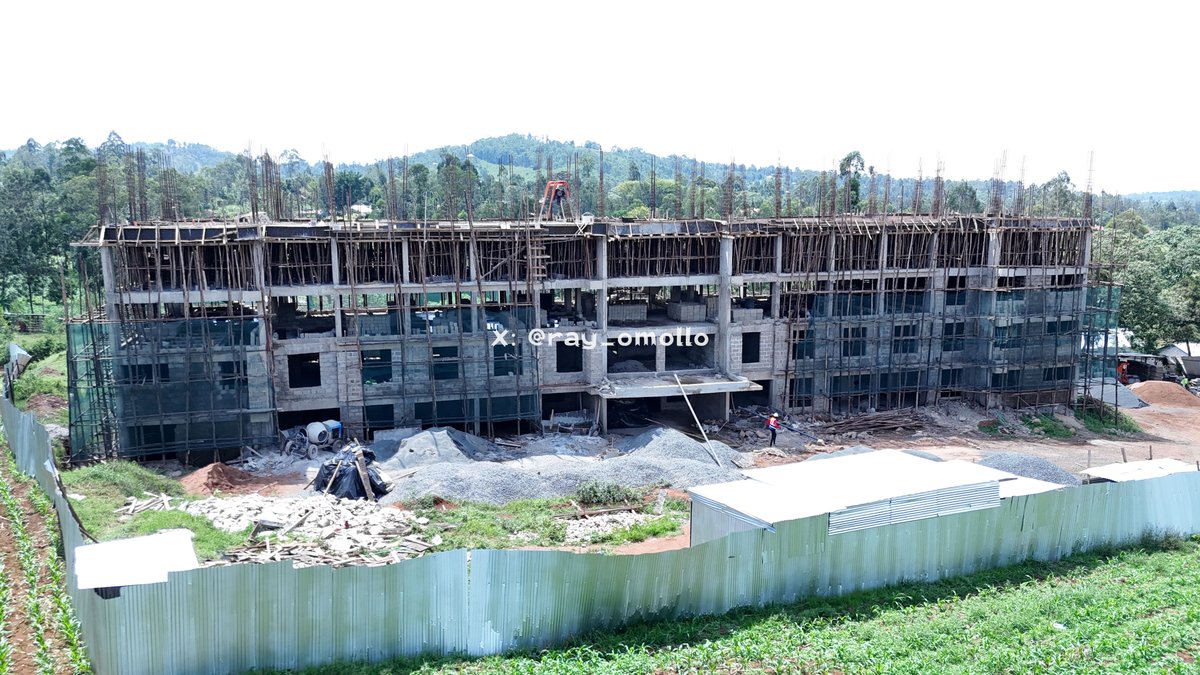
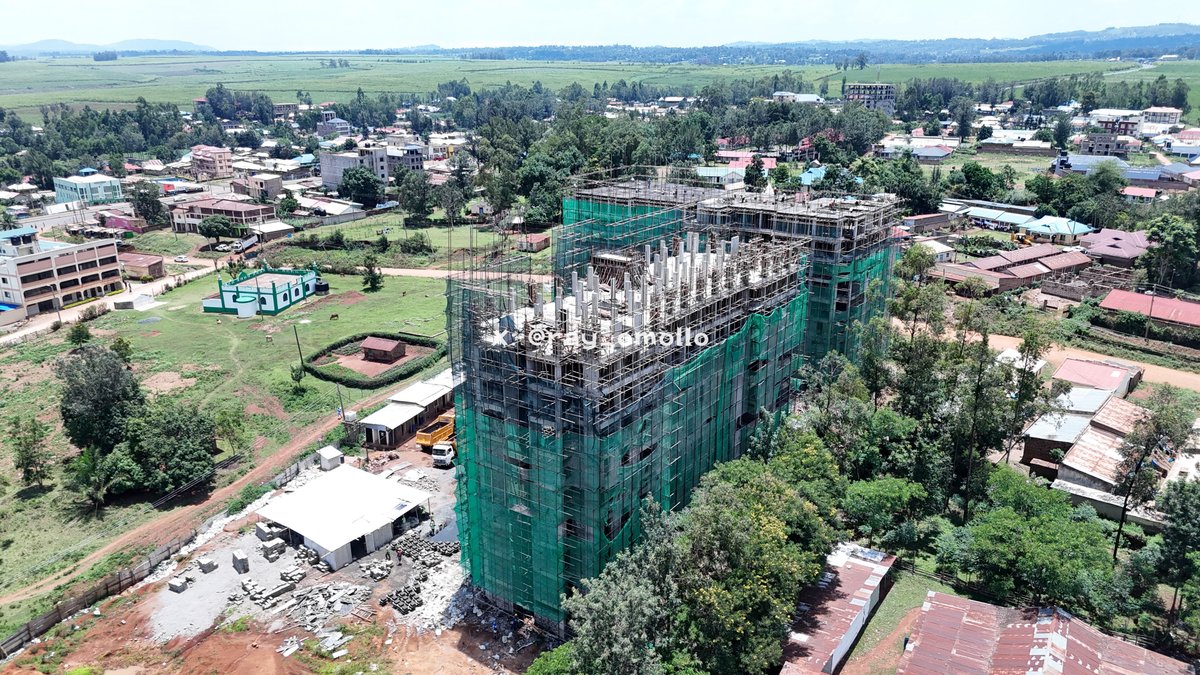
The redevelopment of Gikomba Market is Usawa ni Sawa in practice; a commitment to dignity, inclusivity and better trading conditions for thousands of traders operating in one of the country's largest commercial hubs.
The project is replacing congested, makeshift stalls with modern multi-storey commercial facilities while restoring and protecting the Nairobi River corridor.
Implemented jointly by the National Government and Nairobi City County under the Nairobi Rivers Basin Regeneration Programme, the redevelopment is progressing in phases.
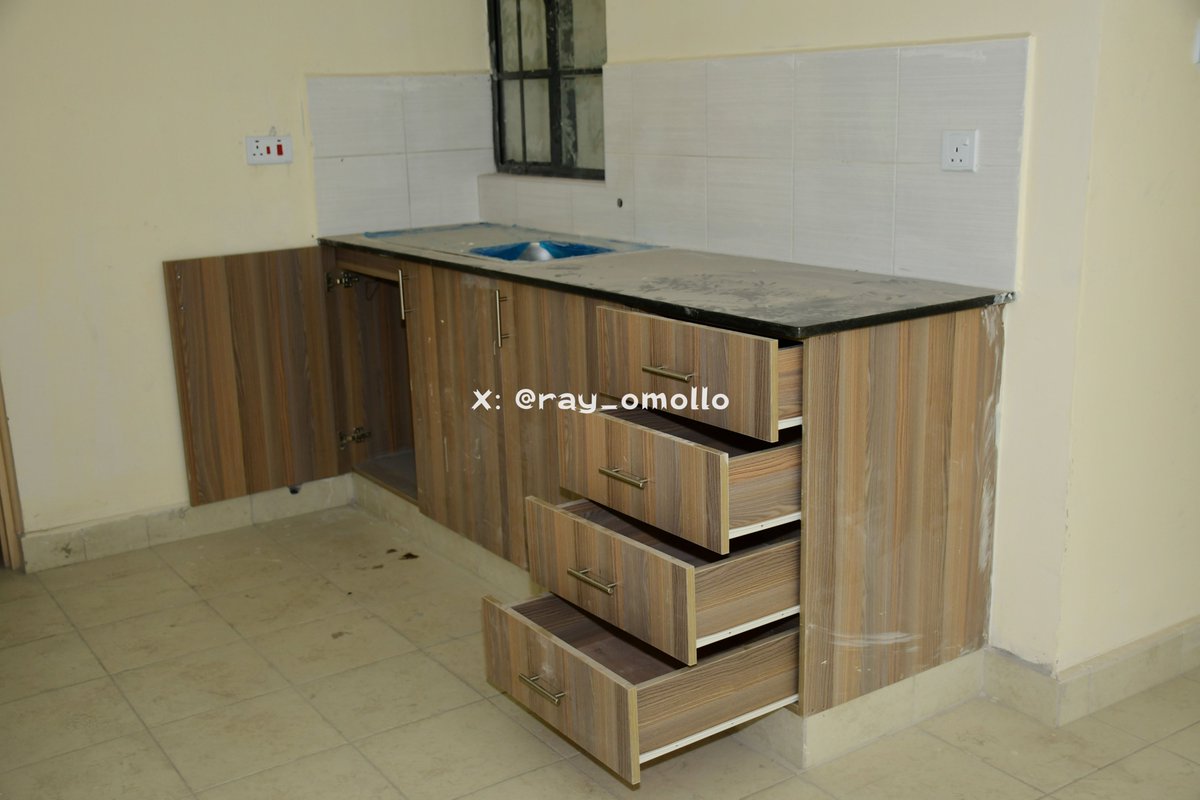
The first phase, comprising three commercial blocks, is nearing completion, with final plastering, flooring, painting and stall partitioning underway.
Meanwhile, groundwork for Phase Two began in October 2026, following the relocation of traders to temporary sites to facilitate construction.
The new market will provide essential facilities, including a fire station, modern fire-safety systems, cold storage, a daycare centre, ICT hub, youth centre, improved sanitation and parking.
Upgraded drainage, emergency access routes and designated waste collection points will further improve safety, hygiene and traffic management while protecting the adjoining riparian reserve.
The State Department for Internal Security and National Administration will support effective project implementation by coordinating security and strengthening public safety, while ensuring a stable and enabling environment for construction, trade and the eventual occupation of the modernised market.
Rodi Kopany's position as a busy junction town brings together traders and customers from Homa Bay, Oyugis, Ndhiwa and Rongo, making it an important centre of commercial activity.
The completed Rodi Kopany Economic Stimulus Programme (ESP) Market, now undergoing final landscaping ahead of commissioning, is set to give this activity a modern, well-organised space.
The facility will provide hundreds of small-scale traders with a secure, all-weather trading environment, replacing the limitations of informal open-air stalls with better conditions for business.
Financed by the National Government under the Economic Stimulus Programme (ESP) and aligned with the Bottom-Up Economic Transformation Agenda (BETA), the market is designed to do more than provide trading space.
Fish-processing kilns and cold storage facilities will support the preservation and handling of fish from Lake Victoria, helping traders reduce post-harvest losses and improve the value of their products. A 96,000-litre water storage tank, internal plumbing, a septic system and modern ablution blocks will provide essential services for a cleaner and more functional marketplace.
The facility also incorporates an ICT hub, community hall, mothers' room, dry store and central food court, creating a more inclusive environment for traders, customers and the wider community.
The State Department for Internal Security and National Administration has coordinated and closely monitored implementation, helping maintain standards and ensure the project progresses towards operational readiness.
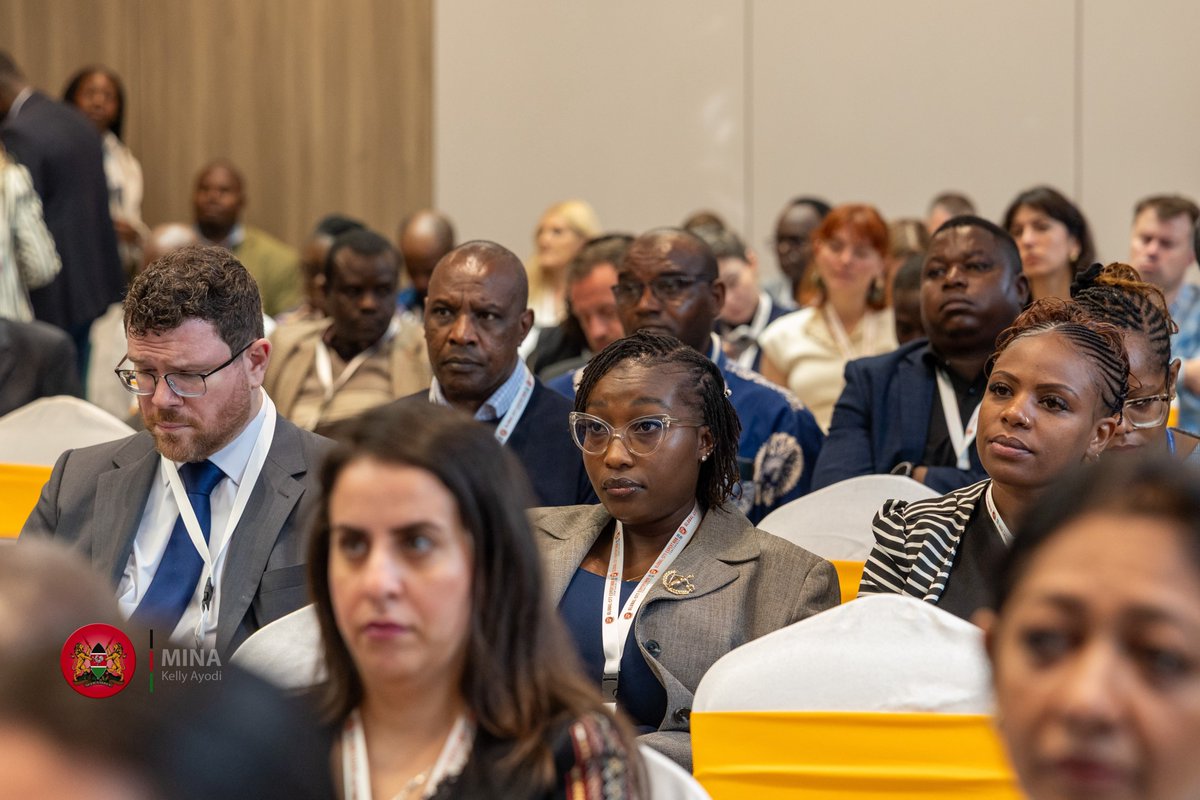
Presided over the official opening of the 2026 Global CFT Expert Hub Conference on Anti-Money Laundering and Countering the Financing of Terrorism (AML/CFT), bringing together international experts, security practitioners and policy leaders to strengthen cooperation, share emerging insights and advance strategies for disrupting the financial networks that sustain terrorism.
Held under the theme, 'Towards Collaborative Partnerships that Strengthen and Ensure Flourishing and Resilient Civic Space,' the conference provides an important platform for deepening international collaboration, enhancing institutional capacity and reinforcing collective efforts to safeguard national, regional and global security.
Present were Christopher Likomwa, Representative of the Executive Secretary of the Eastern and Southern Africa Anti-Money Laundering Group (ESAAMLG); Kodjo Attisso, Coordinator of the Illicit Finance Fusion Center – Africa, UNODC Regional Office for Eastern Africa; Vanja Skoric, Director of Creatives and Development at the European Center for Not-for-Profit Law (ECNL); Yona Wanjala, Executive Director of Civic Advisory Hub; Hon. Ann Nderu, Chairperson of the Public Benefit Organisations Disputes Tribunal; and Dr Laxmana Kiptoo, Director-General of the Public Benefit Organizations Regulatory Authority (PBORA).
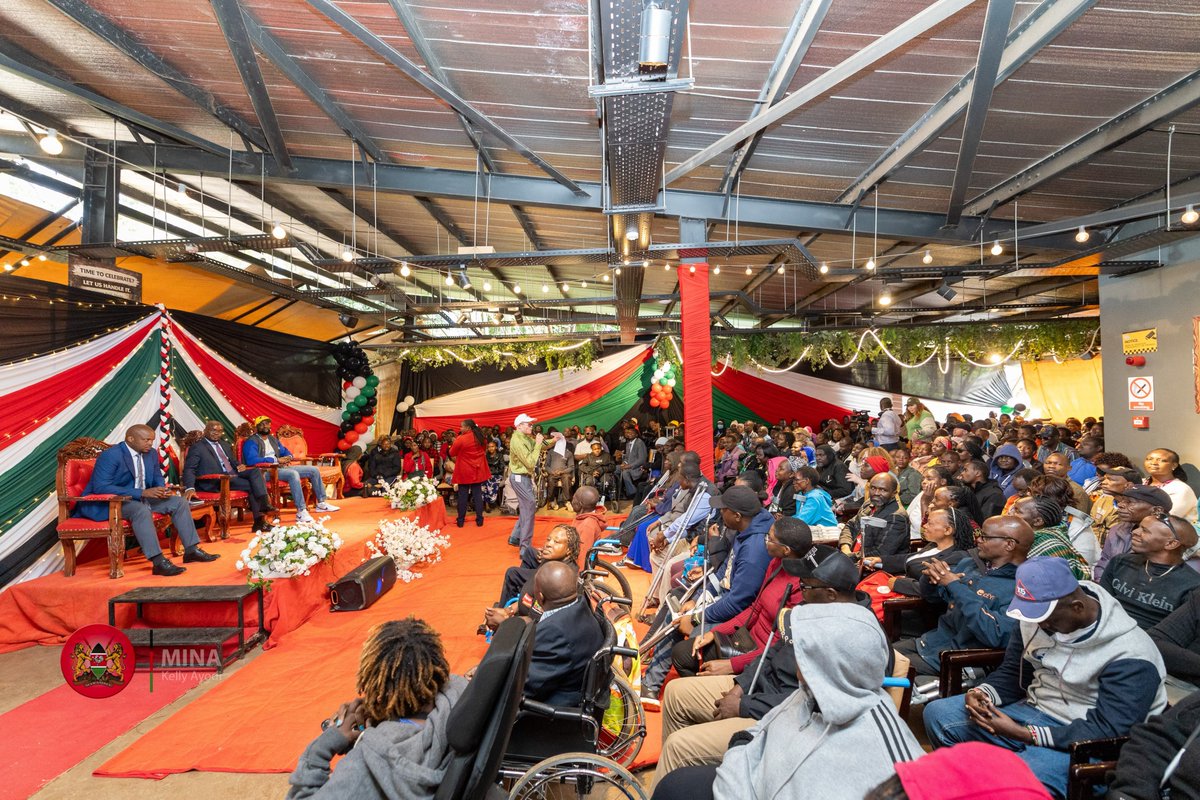
Inclusivity means creating equal opportunities for all Kenyans, including persons living with disabilities, to participate fully in national development. Through Usawa ni Sawa, we affirm that every Kenyan deserves dignity, equal access to opportunities and a fair chance to contribute to and benefit from the country's progress.
Held a consultative meeting with coordinators representing persons with disabilities (PWDs) in Nairobi County.
Present were MPs Hon. Phelix Odiwuor @JalangoMwenyewe (Langata) and Hon. @KarauriR (Kasarani).
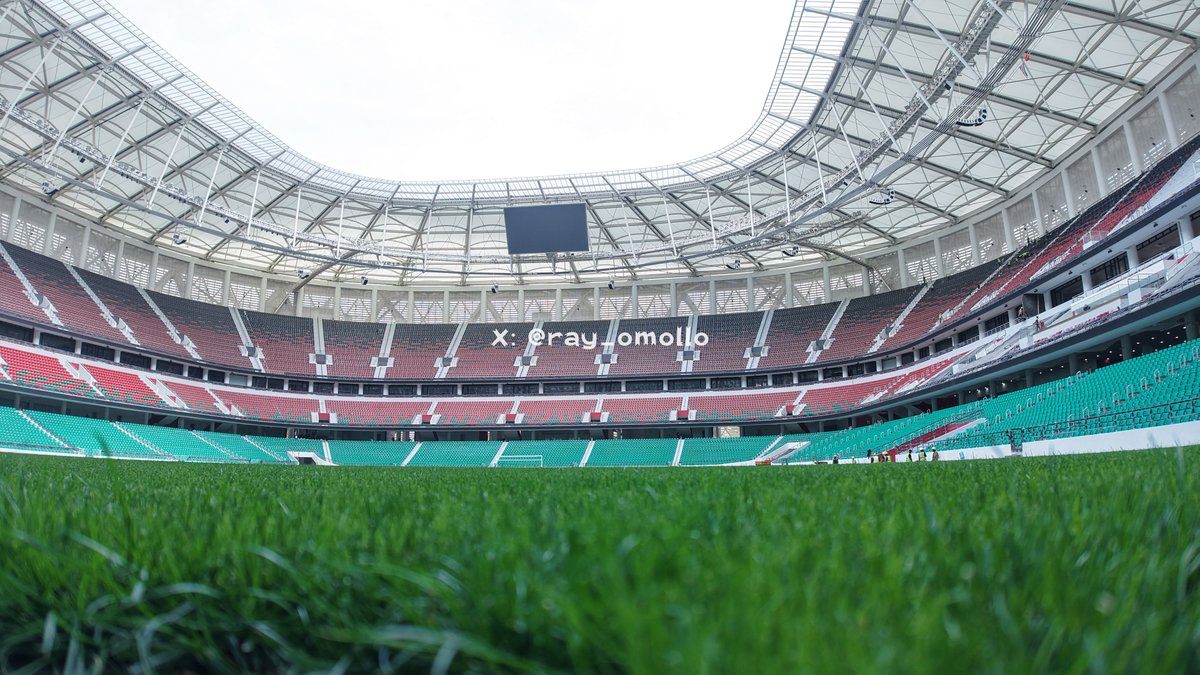
H.E. President @WilliamsRuto's commitment, under the Bottom-Up Economic Transformation Agenda (BETA), to revive neglected infrastructure that supports livelihoods and unlocks economic opportunities is taking shape in the sports sector.
The completion of the Raila Odinga International Stadium is a powerful expression of the Usawa ni Sawa rallying call, restoring dignity to Kenyan athletes and ensuring sports infrastructure and its opportunities are part of the national development agenda.
Located at the historic Jamhuri Grounds along Ngong Road, the 60,000-seat ultra-modern arena is ready ahead of the 2027 Africa Cup of Nations (AFCON), where it is expected to serve as Kenya's flagship venue.
Its official commissioning is scheduled for 5 January 2027, with an international fixture between Bayern Munich and Ajax planned to mark the occasion.
Designed for both football and rugby, the stadium brings spectators closer to the action through carefully positioned stands and a world-class viewing experience.
Its architecture draws inspiration from Maasai shields and spears, while a hybrid playing surface, modern ICT and broadcast systems, solar energy and rainwater harvesting facilities combine performance with sustainability.
Ensuring a safe and secure environment for the stadium's commissioning and future operations, the State Department for Internal Security and National Administration is coordinating multi-agency preparedness, event security, emergency response and crowd management frameworks.
Cancer has become not only a major health concern but also a significant source of financial strain for families across Kenya.
The Government is addressing this burden through expanded health coverage and investments in specialised facilities, including the ongoing Kisii Cancer Centre and Chemotherapy Centre, which will bring essential services closer to Kisii and the wider South Nyanza region.
This infrastructure is backed by strong health policies. Through the Social Health Authority (SHA), the oncology benefits package has increased from KSh 550,000 to KSh 800,000 per patient, easing the cost of treatment.
Once complete, the centre will be supported by essential infrastructure, including a medical gases plant, generator room and boiler house, to ensure reliable service delivery.
The State Department for Internal Security and National Administration continues to support such development initiatives, reinforcing the link between effective public administration, community welfare and accessible healthcare.
Four years into the implementation of the Bottom-Up Economic Transformation Agenda (BETA), government investment is reaching communities and trading centres that have long remained outside the national development spotlight.
The opening of the Kijebi Modern Market in Suba South by H.E. President @WilliamsRuto in September 2026 illustrates this shift, bringing modern commercial infrastructure closer to local traders and creating a stronger foundation for grassroots enterprise.
The market is already providing a more organised setting for trade, replacing the limitations of open-air vending with purpose-built stalls and facilities suited to everyday commerce.
Cold storage rooms offer a means of preserving fresh produce, while the ICT hub creates opportunities for traders to embrace digital services and expand their commercial reach.
Ablution blocks, administrative offices and a social hall further support a cleaner and more functional trading environment.
For Suba South, where fishing and agriculture sustain many livelihoods, better market infrastructure can strengthen the link between producers, traders and consumers. Improved handling of perishable goods can help limit spoilage, while an orderly trading space makes it easier for small businesses to serve customers and grow.
Through coordination with local administration and community engagement, the State Department for Internal Security and National Administration has supported the project's implementation. Continued collaboration will be important in safeguarding the facility, maintaining order and ensuring that traders and residents enjoy its benefits over the long term.
Through its wider urban renewal programme, Nairobi is repositioning itself as a global destination for business, conferencing and socio-economic activity, upgrading legacy infrastructure to meet international standards.
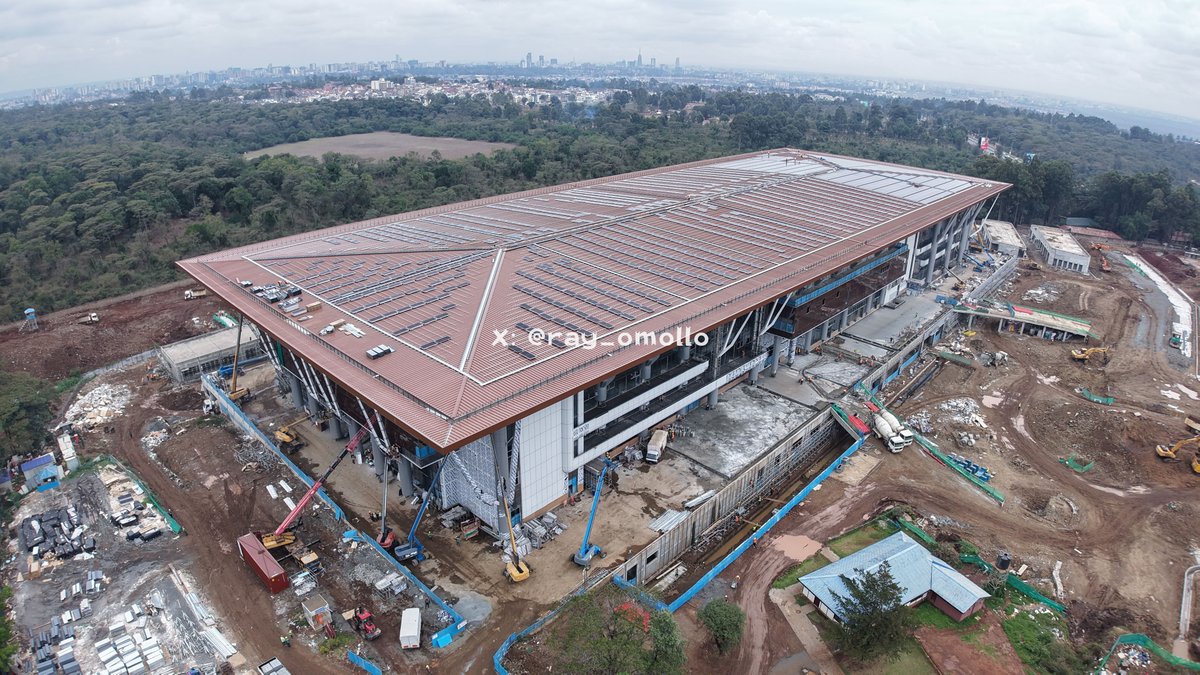
The transformation of Bomas into the Bomas International Convention Complex (BICC), strategically located next to Nairobi National Park, brings world-class conferencing and exhibitions together with Kenya's distinctive cultural and wildlife heritage.
Under the supervision of Kenya Defence Forces (KDF) Engineers, the complex is nearing completion, with final finishes on the interior, external works and access roads.
Spanning more than 323,500 square metres, BICC will feature an 11,000-delegate convention arena with 35 meeting rooms, a 5,000-seat main auditorium, a 3,500-seat secondary hall, a banquet hall for 3,000 guests and a Presidential Pavilion accommodating up to 30 Heads of State.
Subsequent phases will introduce luxury hotels, a shopping mall, food court, recreational facilities, a heliport and expanded parking, alongside an enhanced cultural zone and animal orphanage.
The development strengthens Nairobi's capacity to attract major international conferences, exhibitions and investment, positioning the Capital as a competitive global commercial destination rather than simply a regional transit point.
This ambition also places a premium on security. The State Department for Internal Security and National Administration has a critical responsibility to safeguard the complex, protect international visitors and secure the surrounding environment and other strategic national assets.
At a time when competing voices and narratives seek public attention, we urge the media to uphold the highest standards of impartiality, accuracy and responsible journalism, ensuring that truth remains at the centre of their reporting.
Held an engagement with the leadership and members of Jofwambo Welfare Association.
Present were MPs Hon. @SamuelAtandi (Alego Usonga), @JalangoMwenyewe (Lang'ata), Hon. Gideon Ochanda (Bondo), Hon. Tom Odege (Nyatike), Hon. Maisori Kitayama (Kuria East), Hon. James K'Oyoo (Muhoroni), Hon. Joshua Aduma (Nyakach), Collegue PS Ms. Regina OmaBamniya (Trade), Dr Atella, Secretary-General, Kenya Medical Practitioners, Pharmacists and Dentists Union (@kmpdu), Ms Roseline Omollo, representing Homa Bay County Governor Gladys Wanga, Betty Oranga representing PS Cyrell Odede, among others.
The National Government will continue to work closely with regional leadership to strengthen security across the country by ensuring that adequate security infrastructure, equipment and personnel are deployed where they are needed.
Through this collaboration, we remain committed to enhancing the capacity of our security agencies to maintain law and order, protect lives and property and ensure the safety of all citizens.
We continue to champion community policing and encourage members of the public to work closely with security agencies by sharing information that can help identify and apprehend criminal elements within their communities.
At the same time, we urge National Government Administration Officers (NGAOs), particularly Chiefs and Assistant Chiefs, to uphold the law and refrain from shielding offenders or facilitating informal settlements of criminal cases under the guise of 'out-of-court settlements'.
Such practices undermine the administration of justice and compromise public safety. All criminal matters must be handled through the established legal processes, without fear or favour.
The Usawa ni Sawa commitment extends beyond physical infrastructure and development projects to encompass policy reforms that promote equity, inclusivity and equal access to essential services. The ongoing reforms in the education and health sectors demonstrate this commitment.
For the first time, the Government is making deliberate efforts to address teacher shortages and ensure that learning institutions across the country are adequately staffed, giving learners equal opportunities to access quality education regardless of where they come from.
Similarly, the Universal Health Coverage (UHC) agenda seeks to guarantee all Kenyans access to quality and affordable healthcare, irrespective of their geographical location or socio-economic circumstances.
There is a poignant contrast in the name Shauri Moyo, a Swahili expression loosely meaning 'take heart'.
For generations, residents of this historic Kamukunji neighbourhood have endured difficult living conditions, often with little expectation of change. But through the Government's Usawa ni Sawa commitment to equity and inclusivity, that story is changing.
The ongoing Shauri Moyo A Affordable Housing Project promises residents more than new homes; it offers a chance to live with dignity.
Located about six kilometres from Nairobi's CBD, the development comprises 1,848 housing units across 12 fourteen-storey blocks, complemented by an Early Childhood Development (ECD) centre, shops, a social hall, parking and recreational facilities.
The estate is slated to be renamed Johana Ng'eno Boma Yangu Estate in honour of the late Emurua Dikirr MP and former Chairperson of the National Assembly's Housing Committee.
The project is also generating thousands of jobs across the construction value chain, benefiting engineers, artisans, suppliers, transporters and on-site workers, particularly young people and women.
Through multi-agency coordination, community engagement and administrative facilitation, the State Department for Internal Security and National Administration continues to support implementation while helping maintain a secure environment for the project's successful delivery.
As the Government works to revive the fortunes of towns across the Sugar Belt through the restoration of collapsed industries, housing is becoming an equally important part of their renewal.
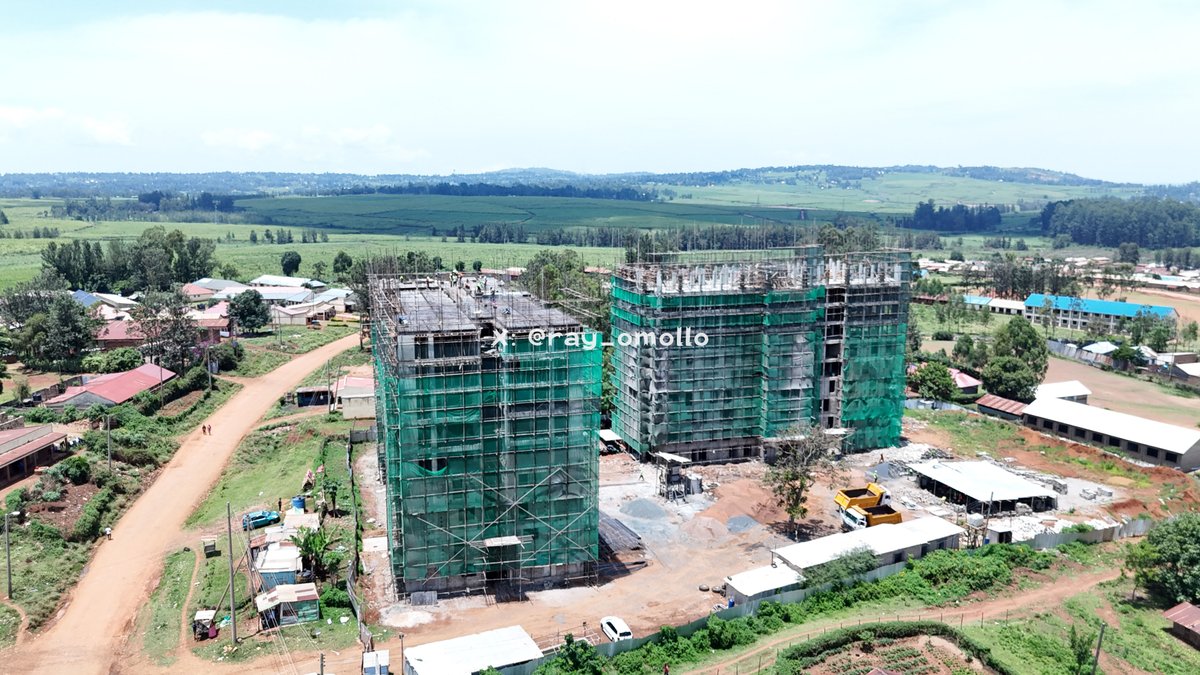
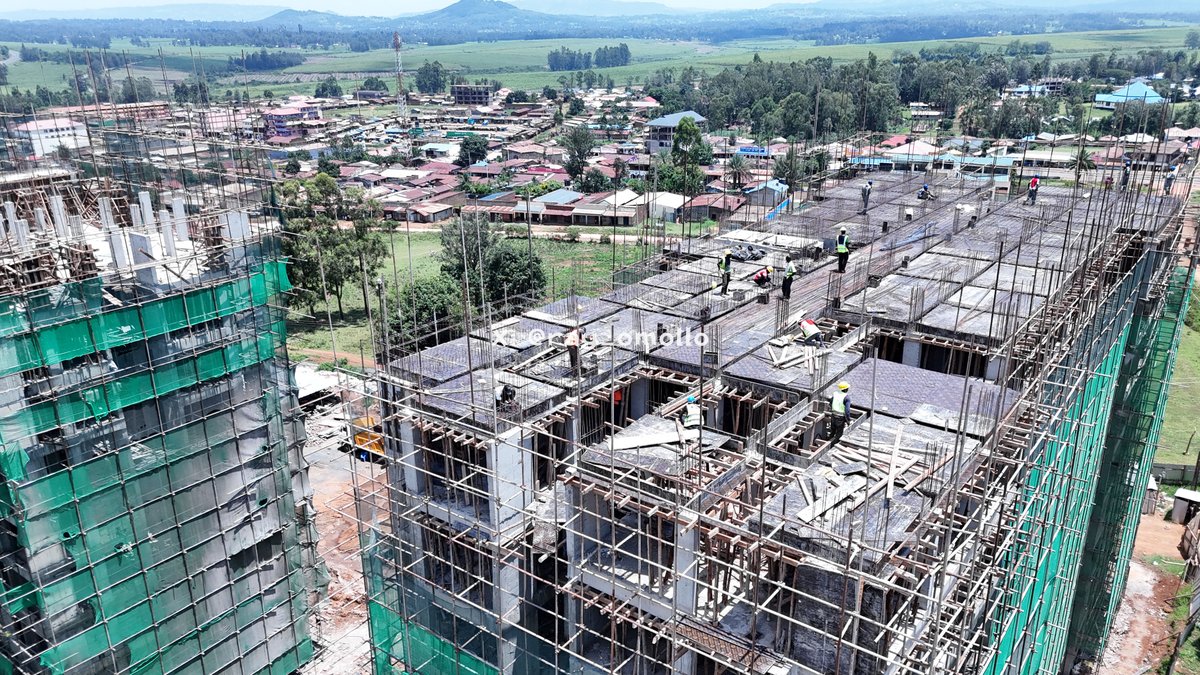
Awendo, a town poised for renewed economic activity, is part of this transformation through the Awendo Affordable Housing Project (AHP) launched by H.E. President @WilliamsRuto in August 2025.
The development will deliver 293 homes across two high-rise blocks of 14 and 15 floors, alongside shops, a community centre, a playground, landscaped spaces and essential utilities.
Beyond addressing the housing deficit, the project is creating jobs and equipping trainees with practical construction skills for professional certification.
Through its local administrative structures, the State Department for Internal Security and National Administration supports coordination between communities and development agencies, helping promote secure neighbourhoods where renewed economic activity and decent housing can thrive.
Technical and Vocational Training Colleges are the training grounds for Kenya's future workforce, equipping the next generation with skills to drive the country towards a first-world economy.
Recognising that learners' welfare is central to this ambition, the Government is investing in student accommodation, including the Uriri Technical and Vocational College hostels in Migori County under the Affordable Housing Programme (AHP).
The project will provide accommodation for more than 1,000 trainees, alongside a student centre, swimming pool and basketball court.
By bringing housing closer to the college, the facility will ease living costs, reduce long commutes and offer learners a safer environment in which to study and grow.
Safe accommodation is integral to effective vocational training. Through its broader national mandate, the State Department for Internal Security and National Administration contributes to an environment where colleges and surrounding communities can support learners' safety, well-being and uninterrupted pursuit of knowledge and skills.
The expansion of police stations across the country strengthens security and safety at the grassroots, creating a secure and enabling environment for socio-economic growth, investment and improved livelihoods.
Presided over the official commissioning of the Makutano Police Post in Ikombe Ward, Yatta Constituency, Machakos County. The event concluded with a public baraza.
Present were DIG Eliud Lagat, host MP Hon. Robert Basil and the Eastern Region Regional Commissioner, Jacob Muganda.
The expansion of police stations across the country strengthens security and safety at the grassroots, creating a secure and enabling environment for socio-economic growth, investment and improved livelihoods.
Presided over the official commissioning of the Makutano Police Post in Ikombe Ward, Yatta Constituency, Machakos County. The event concluded with a public baraza.
Present were DIG Eliud Lagat and host MP, Hon. Robert Basil.