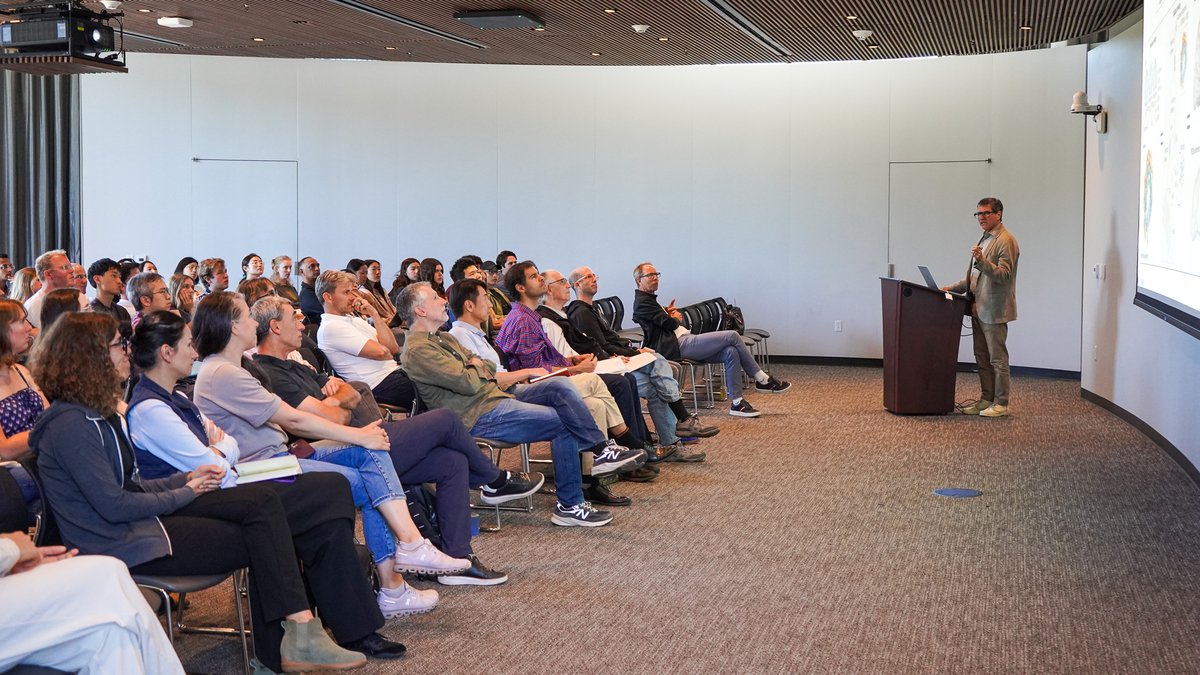
Last week, Scott A. Small, Director of the Alzheimer’s Disease Research Center (ADRC) and neurologist at @ColumbiaMed, discussed his lab’s research on endosomal recycling and Alzheimer’s disease, highlighting its therapeutic potential at a special seminar.
We have identified the gene that, when activated, initiates the developmental programme that results in cells forming a human body https://t.co/xt4AHtLLk3
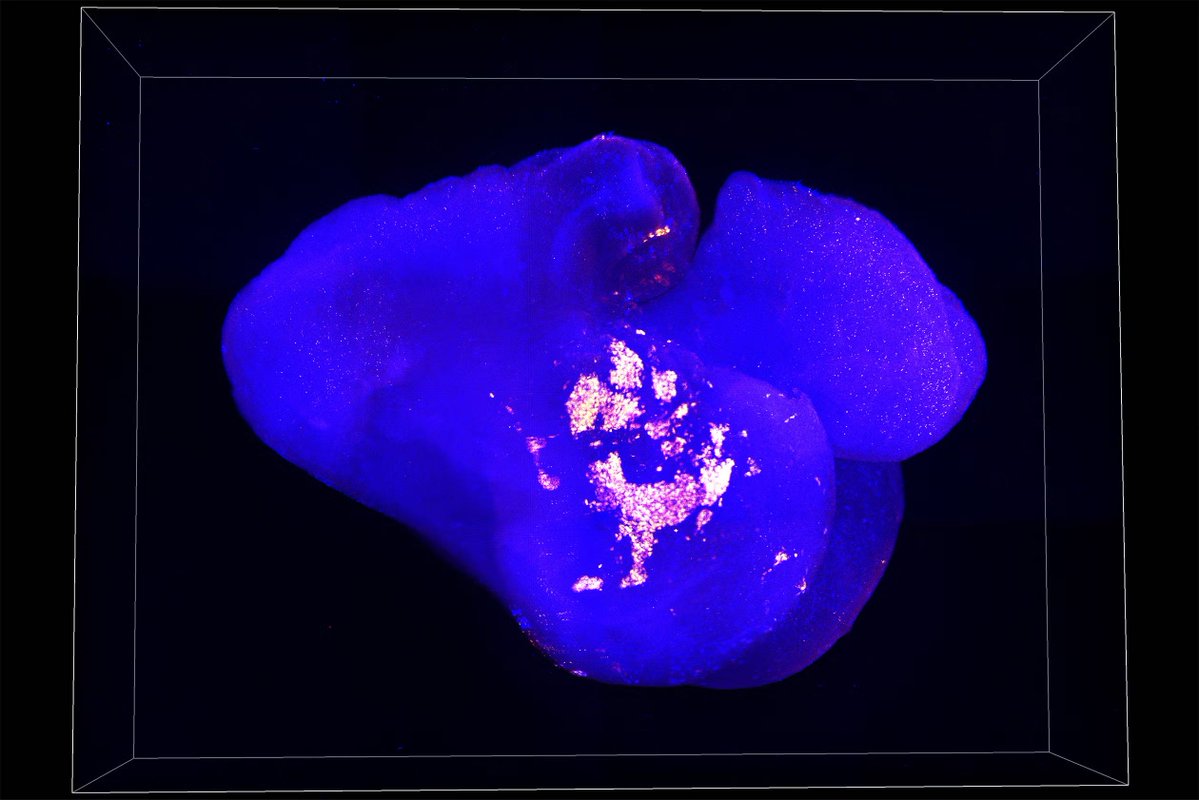
Scientists at Cambridge's @Loke_CTR have, for the first time, used an extremely precise genome editing technique called base editing to study gene function in human embryos.
This has allowed them to study very early human development in unparalleled detail, and gain new insights into how human embryos develop in the first few days after an egg is fertilised.
In future, the findings could help to improve IVF success rates and better understand early pregnancy loss.
Read more 👉 https://t.co/L48uicVHtw
How can a better understanding of biology lead to better cancer treatments?🧬
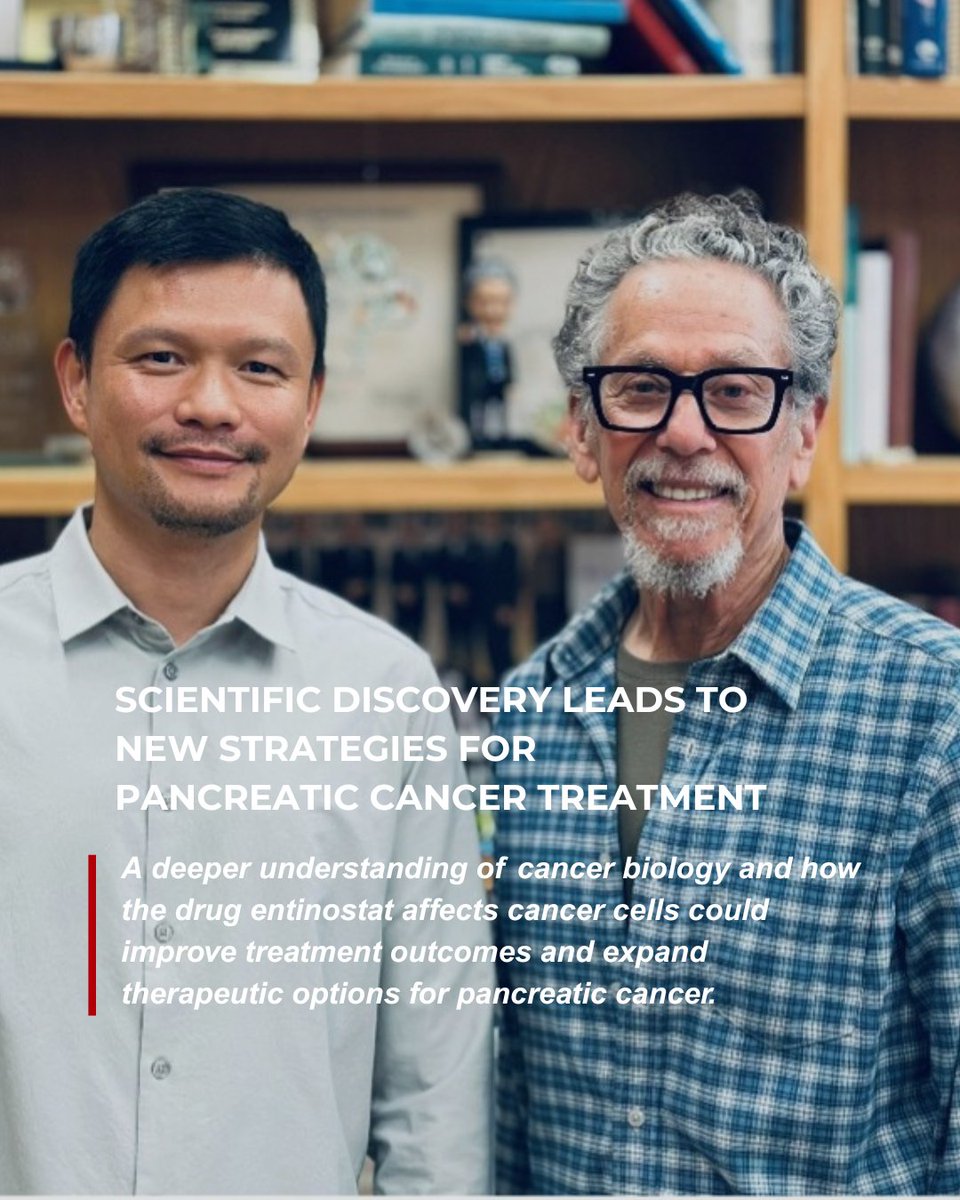
Pancreatic cancer is one of the deadliest cancers and is the third leading cause of cancer-related death in the United States. While scientists continue searching for new therapies, important advances can also come from understanding how existing drugs work.
Salk scientists uncovered how an investigational cancer drug called entinostat works inside pancreatic cancer cells. By revealing an unexpected weakness in the cells' ability to repair damaged DNA, the team identified a new way to make the drug more effective when combined with existing cancer treatments.
The researchers also developed a nanoparticle-based delivery system that sends the drug directly to tumors, helping reduce the harmful side effects that have limited its use.
The findings could improve treatment strategies for pancreatic cancer and may help guide similar approaches for other difficult-to-treat cancers.
https://t.co/913RqTola0
#CancerResearch #PancreaticCancer #PrecisionMedicine #BiomedicalResearch #SalkInstitute
Your organs aren't just following orders from the brain.
A new Yale study finds that organs like the heart, lungs, and intestines build and shape their own nervous systems, then communicate back to the brain in a two-way conversation. One of the most striking findings is that heart tissue can reprogram neurons from the gut to start behaving like heart neurons.
Researchers say the discovery could eventually open new paths for treating conditions like Parkinson's disease and other organ-based illnesses. See what else researchers found: https://t.co/82WnnIPmra
Do you know someone who should be honored for their work in stem cell biology or regenerative medicine?
The deadline to nominate them for the Ogawa-Yamanaka Stem Cell Prize is approaching.
Learn more: https://t.co/vm2yD8JkVu
@CellPressNews@CellStemCell
The bond money would be split to fund an immunology and immunotherapy research institute affiliated with the University of California and to fund a grant program for California-based public or nonprofit universities and medical research… https://t.co/N3O4mYUlfR
The bond money would be split to fund an immunology and immunotherapy research institute affiliated with the University of California and to fund a grant program for California-based public or nonprofit universities and medical research… https://t.co/N3O4mYUlfR
UCLA's Dino Di Carlo is leading the Billion CellxCell Project to map how human cells communicate and unlock new disease therapies. https://t.co/l0gX31E6dJ
What if AI could uncover the genetic drivers of disease faster than ever before?
Gladstone's Christina Theodoris developed Geneformer, an open-source AI model helping scientists identify new therapeutic targets for disease.
https://t.co/PPvTKw8glx
A new CRISPR approach developed by a team led by Jennifer Doudna can selectively destroy cancer cells carrying p53 mutations—one of the most common drivers of cancer—while sparing healthy cells. A promising step toward tackling “undruggable” cancers.
https://t.co/XrHGED9UHy
Scientists just made old cells young again.
On the latest episode of “The Astounding Pop Mech Show,” Andrew, Shawn, and John discuss some early experiments that suggest aging may be reversible.
Watch the full episode at the link below.
🔗: https://t.co/qy0MBRtoX8