Honoured to be part of the 2025 Young Female Scientist Programme.
Let’s continue building a strong community of women in STEM.
Thank you @UNCTAD
Arigato gozaimasu @okayama_uni
Muchas gracias @UTMManabi y @Educacion_Ec
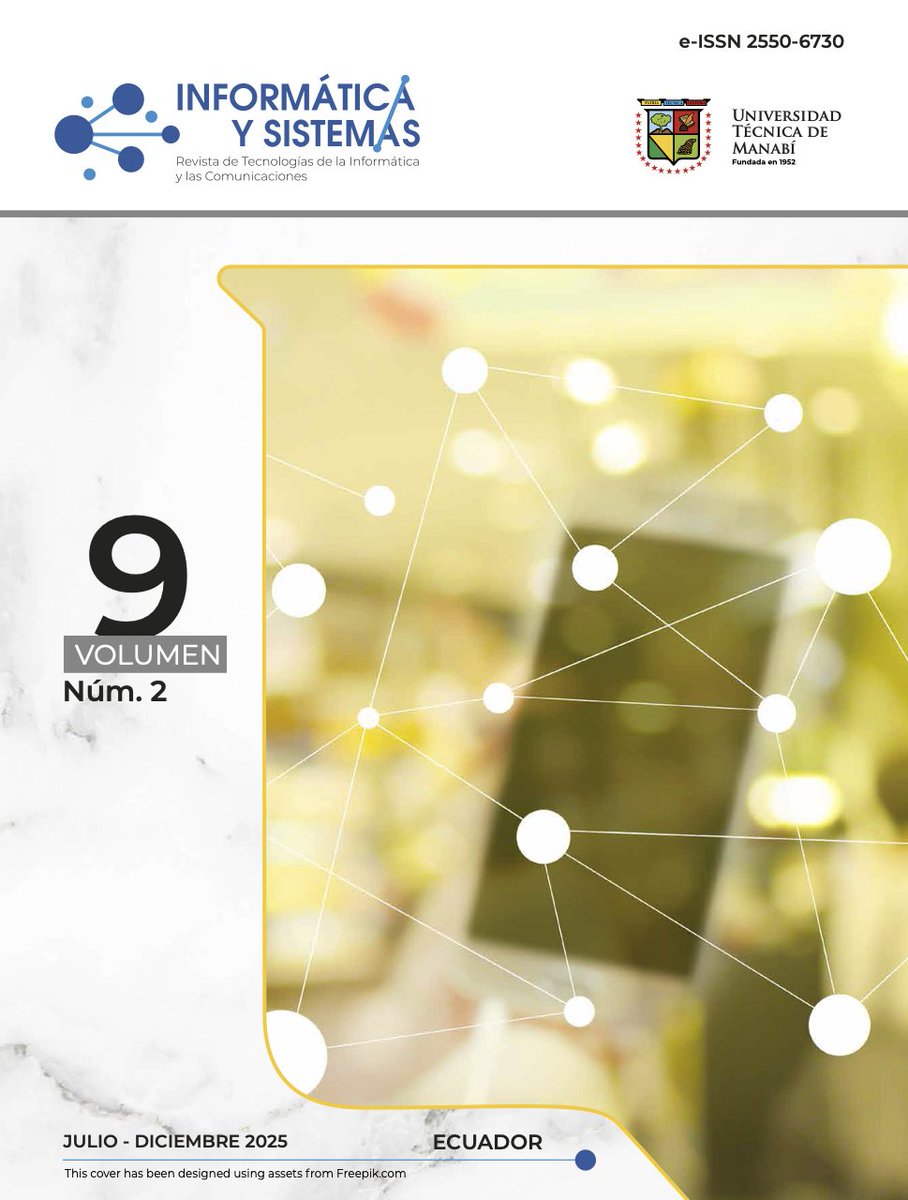
🎉 ¡Nueva edición publicada! Vol. 9, No. 2 (Julio-Diciembre 2025)
📚 Conoce las investigaciones más recientes compartidas por nuestra comunidad académica
🌟 Acceso abierto y compromiso con la calidad científica
📱 Visítanos: https://t.co/NGdq6Hfrhp
Sobre presunto fraude de médicos ecuatorianos en Argentina. Este es el tipo de malentendidos que surgen cuando a las brechas de lenguaje (aunque se hable el mismo idioma) se le suman la mala fe y el desprecio xenofóbico. En nuestro marco normativo no existe el término “aplazos”
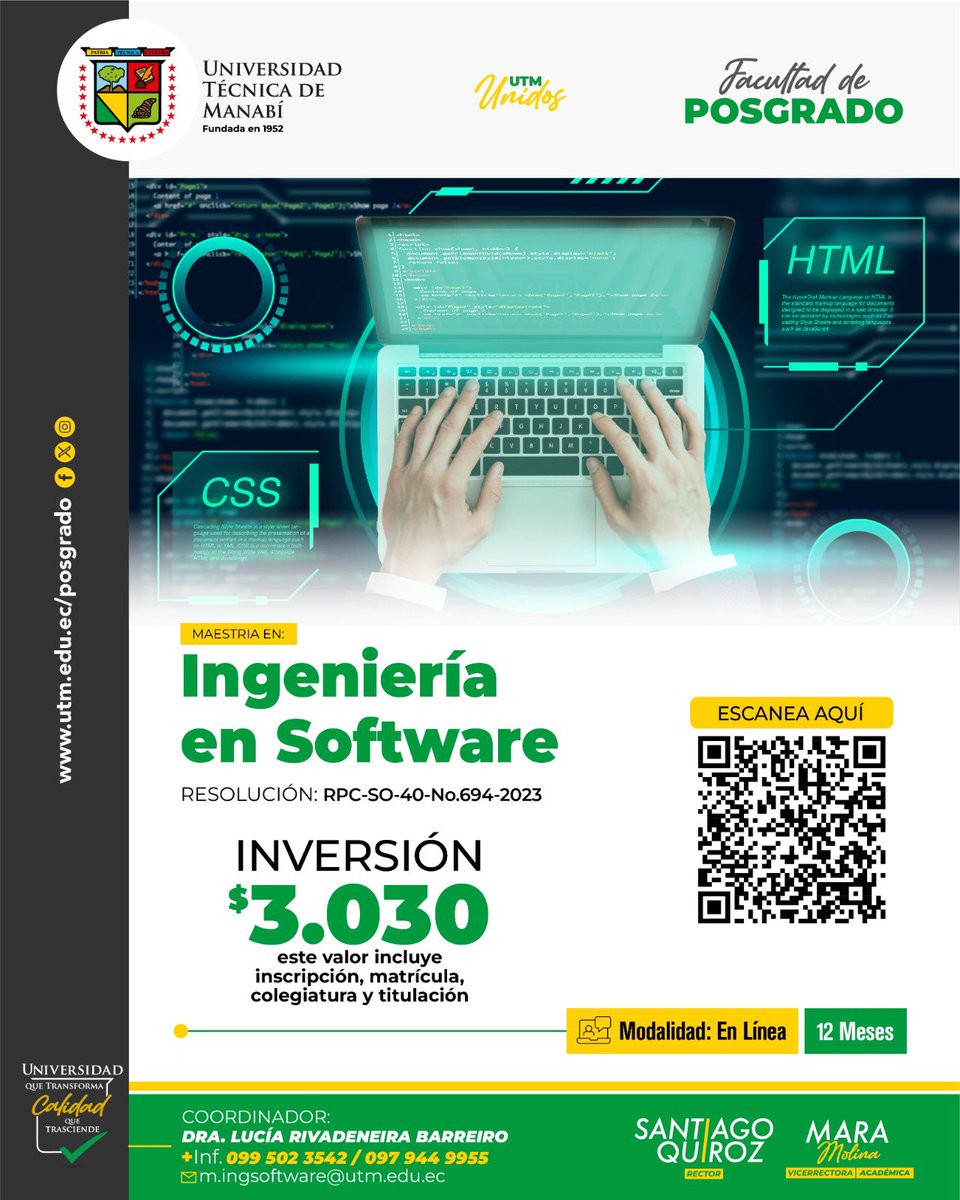
Invitamos a postular en las maestrías de la @UTMManabi en Software y Ciencia de datos. Ambos programas son en línea y tienen una duración de un año, con profesores calificados dentro de las ramas de conocimiento
🚨 Most people haven't realized that the Ghibli Effect is not only an AI copyright controversy but also OpenAI's PR trick to get access to thousands of new personal images; here's how:
To get their own Ghibli (or Sesame Street) version, thousands of people are now voluntarily uploading their faces and personal photos to ChatGPT. As a result, OpenAI is gaining free and easy access to many thousands of new faces to train its AI models.
Some people will argue that this is irrelevant because OpenAI could simply scrape the same images from the internet and use them to train its AI models. This is not true, for two reasons:
1. Privacy “Bypass”
In places like the EU, when OpenAI scrapes personal images from the internet, it relies on legitimate interest as a lawful ground to process personal data (Article 6.1.f of the GDPR).
As such, it cannot harm people or go against their interests, and therefore, it must take additional protective measures, including potentially refraining from training its models with these images (see my previous articles on the topic, including on Opinion 28/2024). Other data protection laws specify additional protections in the case of scraped images, including for images of minors.
However, when people voluntarily upload these images, they give their consent to OpenAI to process them (Article 6.1.a of the GDPR). This is a different legal ground that gives more freedom to OpenAI, and the legitimate interest balancing test no longer applies.
Moreover, OpenAI's privacy policy explicitly states that the company collects personal data input by users to train its AI models when users haven't opted out (*link to opt out below - check out my newsletter article).
2. Fresh New Images
My second argument for why this was a clever privacy trick is that people are uploading new images, including family photos, intimate pictures, and images that likely weren't on social media before, just to feel part of the viral trend.
OpenAI is gaining free and easy access to these images, and only they will have the originals. Social media platforms and other AI companies will only see the “Ghiblified” version.
Moreover, the trend is ongoing, and people are learning that when they want a fun avatar of themselves, they can simply upload their pictures to ChatGPT. They no longer need third-party providers for that.
*
OpenAI obtained these new images voluntarily using a simple PR trick. What trick?
👉 Continue reading my article using the link below (and join 56,800+ subscribers who never miss my analyses).
Happy to share this paper, co-authored with Daniel Palacios, on the role of ChatGPT in programming. Daniel was my undergrad student, and this was his first experience writing an academic paper 🥳
https://t.co/B8auEWk1KA
Invitamos a postular en las maestrías de la @UTMManabi en Software y Ciencia de datos. Ambos programas son en línea y tienen una duración de un año, con profesores calificados dentro de las ramas de conocimiento
📢 ¡Llamado a publicar en la revista Informática y Sistemas!
🗓️ Fechas clave:
📝 Recepción: 1/dic/2024 al 30/nov/2025
🚀 ¡Sin costo de publicación!
🌐 Detalles aquí 👉 https://t.co/fb9Wwit8Y2
¡Publica tu investigación! 🌟
#CallForPapers#Investigación#Tecnología#OpenAccess
Finalmente sólo me queda el mal sabor por la forma como se llevó el proceso editorial y personalmente no volveré a enviar otro manuscrito a esta revista. Si queremos revistas de calidad debemos empezar por ser respetuosos con los académicos y revisores @CientificasEC
He esperado unas semanas para publicar este tweet. En marzo 2024 enviamos, con una estudiante de pregrado, un manuscrito a una revista de una universidad ecuatoriana que está en Q4. Inicialmente, la editora rechaza el manuscrito por estar fuera del alcance de la revista, pero se
El problema va más allá del rechazo. Es que nosotras, docente y estudiante, confiamos en que el proceso sea transparente y respetuoso hacia nuestro esfuerzo y tiempo. Además, quienes hemos participado como editores y revisores, sabemos que si “no hay evidencia” se rechaza de una
Happy to share our study on the role of ChatGPT in HEI. For this research, we used a qualitative approach about the adoption of this technology in HEI in Ecuador, Chile, and Costa Rica, with @dainabellido and Carla Fernandez from @INCAE
https://t.co/A96BYa2vMV
Hoy tuvimos el primer evento de Women in Data Science en Portoviejo @WiDS_Worldwide. Muchas gracias a las maravillosas expositoras: Tatiana Zambrano, Gina San Andrés, Denise Vera y Mirian Guillén, docentes e investigadoras de @UTMManabi y @USGPOFICIAL 💚